Addressing Jealousy Between Older and Younger Siblings
10 May 2026
Sibling rivalry is as old as time. If you've ever been part of a sibling dynamic, then you know exactly what I’m talking about. One moment it’s all hugs and laughter, and the next, a battle over who gets the last cookie. Among the many common parenting challenges, dealing with jealousy between older and younger siblings ranks pretty high.
You may have seen this kind of jealousy first-hand: perhaps your firstborn suddenly seems distant, or maybe they're lashing out at their younger sibling for what appears to be no reason at all. They aren’t just vying for toys or TV time, but also for something much more profound – your attention and affection.
So, how do you address the green-eyed monster that is sibling jealousy without making any child feel marginalized? Let's unravel the reasons behind sibling jealousy, how to recognize it early on, and most importantly, how to tackle it head-on with practical strategies.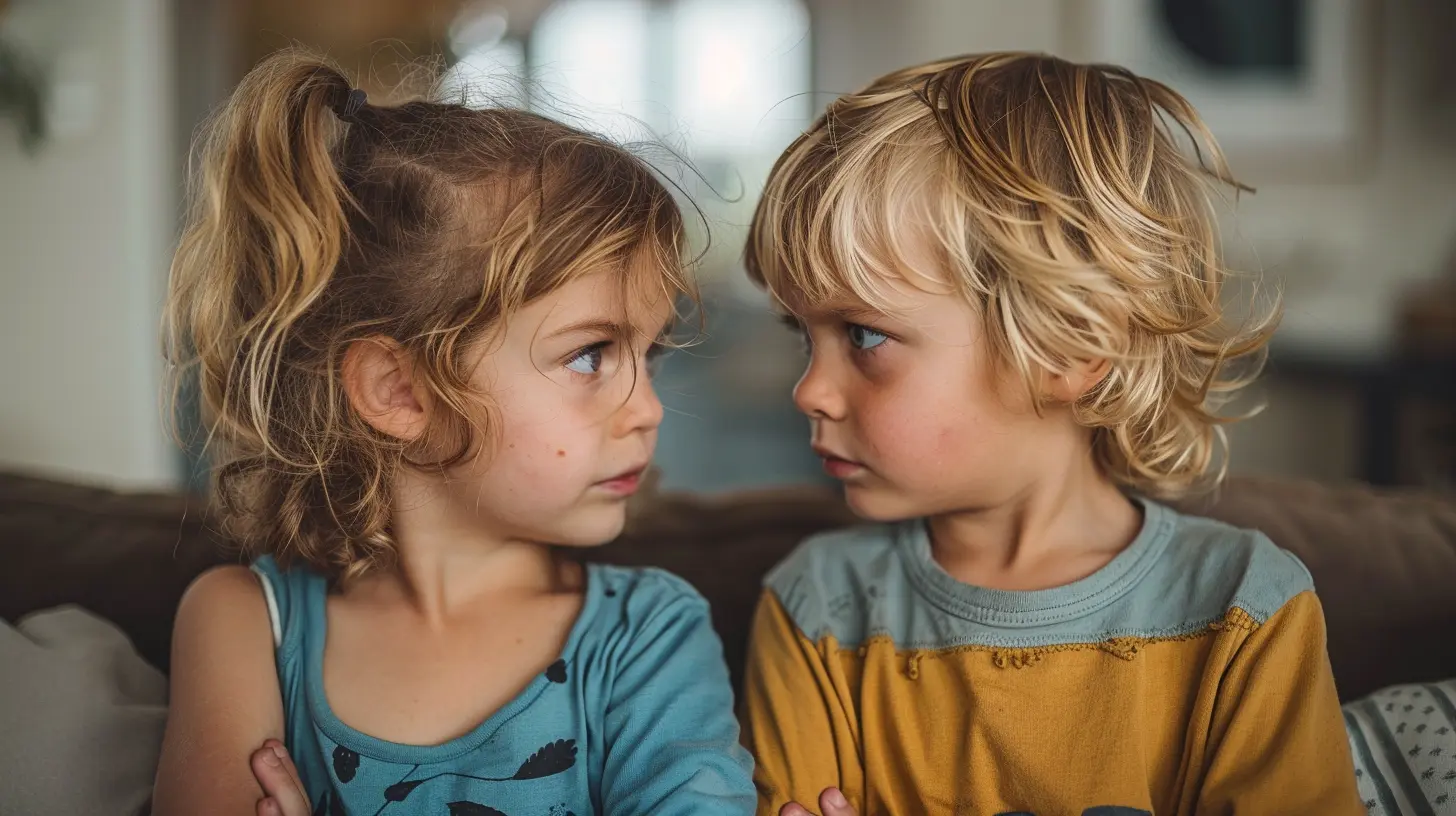
Why Do Older Siblings Feel Jealous?
Before we jump into solving the issue, let’s talk about the "why." Understanding the root of sibling jealousy will give us the keys to address it better.1. They Feel Replaced
It’s no secret that when a new baby arrives, most of the time, the attention shifts. The older child, who once was the center of the universe, now feels like they’ve been benched, only to watch the new sibling steal the spotlight. It’s hard to deal with change, especially when you’re young and suddenly notice someone else is getting all the cuddles and coos.The older child might feel like they’ve been dethroned. They lose some of the perks of being an “only child” and may grapple with a sense of loss. It’s not just about sharing toys anymore; they’re sharing you.
2. Competition for Your Time
Kids notice things more than we give them credit for. If your newborn gets more of your time (which is inevitable given their needs), your older child may interpret this as favoritism, even if it’s far from the truth. Imagine working hard at a job and suddenly someone new swoops in and gets more attention from the boss. Wouldn’t you feel slighted?3. Different Developmental Stages
An older sibling might not fully understand that a baby requires extra care and attention. To their young brain, it just seems like unfair treatment. While your older child could do things independently, seeing you constantly attending to a younger sibling may stir feelings of resentment.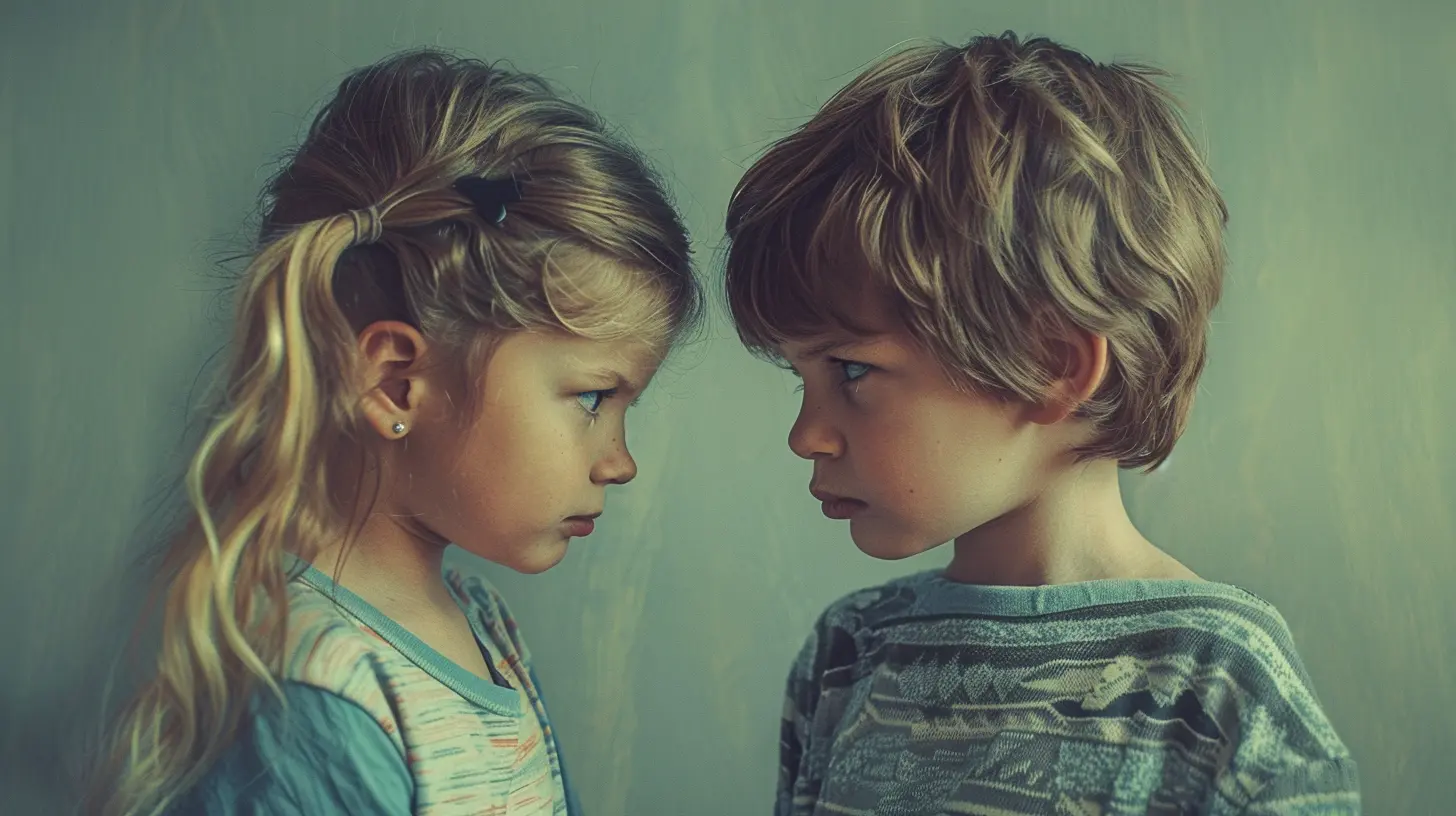
Recognizing Jealousy: What It Looks Like
Sometimes, sibling jealousy is obvious—like when your 4-year-old refuses to let the baby anywhere near their toys. But other times, it can be subtle and harder to detect.Here are some common signs of sibling jealousy:
- Regression in behavior: Your older child, who previously never had issues with bedtime or potty training, begins to regress. They may want to sleep in your bed again or refuse to use the potty.
- Attention-seeking actions: Meltdowns about seemingly trivial things can be their way of saying, "Hey! Look at me!"
- Increased tattling or blaming: Your older child might start pointing out every little thing the younger sibling does wrong, hoping to draw attention to them.
- Hostility or withdrawal: Some children might lash out and be overtly aggressive, while others, feeling saddened by the changes, might withdraw.
It’s a delicate time for everyone, and jealousy might manifest itself in unexpected ways. As a parent, it’s important to be aware of these signs and remain empathetic.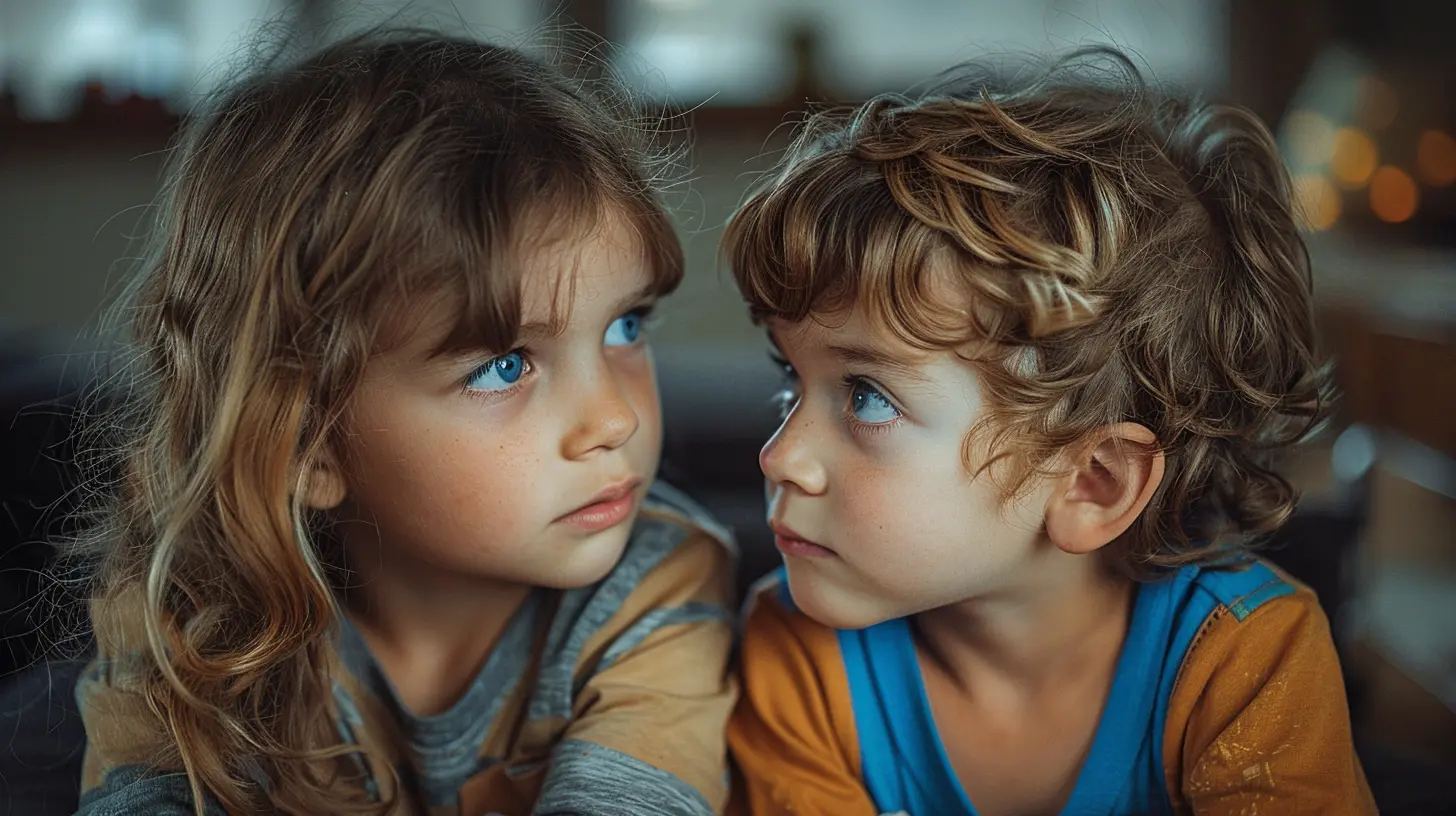
Tips for Addressing Jealousy Between Siblings
Alright, now that we’ve covered why older siblings can feel jealous, we’ll dive into how to address and minimize sibling rivalry. Here are some manageable, proactive steps you can take to help both your children feel cherished.1. Prepare Them Early and Gradually
The transition from being an only child to an older sibling is monumental. Start prepping your older child as soon as you know there’s a new member on the way. Talk to them about the exciting role they’ll play as the “big sibling” in a way that feels empowering rather than daunting. Let them feel like they're part of the journey.Show them pictures of themselves as a baby. Let them know that when they were little, you gave them the same care and attention that the new baby will require. Sometimes, kids just need that assurance that “Mom and Dad haven’t changed – babies just need a lot of attention."
2. Special One-on-One Time
This is a BIG one. As much as babies need your attention, your older child does too. Schedule one-on-one time with your older child—even if it’s just 15 minutes of undivided attention each day. This small slice of time tells your child that they are still important and valued in your eyes.Read a book together, play their favorite game, or take them out for ice cream. It doesn't have to be extravagant; it just needs to be intentional. And trust me, their tanks will be filled with just that little extra attention.
3. Involve Them in the Baby’s Care
Include your older child in activities that involve the new baby. Ask them to help with little tasks like grabbing diapers, singing songs to entertain the baby, or picking out baby outfits. This makes them feel like they’re contributing and also cements their role as the older sibling.However, it’s important not to overburden them with these tasks. The goal here is to offer them opportunities to be helpful, not force them into responsibilities they're not ready for.
4. Acknowledge Their Emotions
When you see your child acting out or expressing jealousy, don’t just brush it off as misbehavior. Acknowledge their feelings. Use phrases like, “I know it’s hard when the baby seems to get a lot of attention,” or, “You might be feeling a bit left out right now.”By validating their emotions, you’re helping them feel heard and understood. This opens the door for better emotional regulation in the future.
5. Resist Comparisons
It can be tempting to compare the behavior, accomplishments, or milestones of your children, but this can fuel even more jealousy. Avoid phrases like, “Your sister didn’t cry this much when she was a baby,” or “Why can’t you sit nicely like your brother?”Each child is unique, and comparisons can make an older sibling feel like they’re not measuring up. Instead, celebrate their individuality and let them know that you love them for who they are – not in comparison to someone else.
6. Praise Cooperation
Whenever you catch your older child being nice to their younger sibling, praise them for it. Positive reinforcement works wonders. A simple, “I noticed how gently you played with your brother, that was so kind of you,” goes a long way in encouraging more cooperative behavior.You want to foster an environment where your children get recognized not just for their achievements, but also for their acts of kindness towards each other.
7. Set Clear Rules About Behavior
Jealousy is normal, but it's still essential to set boundaries. Let your children know that while it's okay to feel upset, it’s not okay to hit, shout, or be mean to their siblings. Set clear, consistent rules about how siblings should treat each other, and enforce these rules with fair consequences if needed.The key here is consistency. Kids thrive on structure and knowing what’s acceptable and what’s not.
8. Don’t Expect Perfection
Lastly, remember that eliminating sibling jealousy entirely is impossible. Rivalries will flare up from time to time, and that’s okay. What’s important is fostering an environment where your children learn to navigate their emotions—and each other—productively.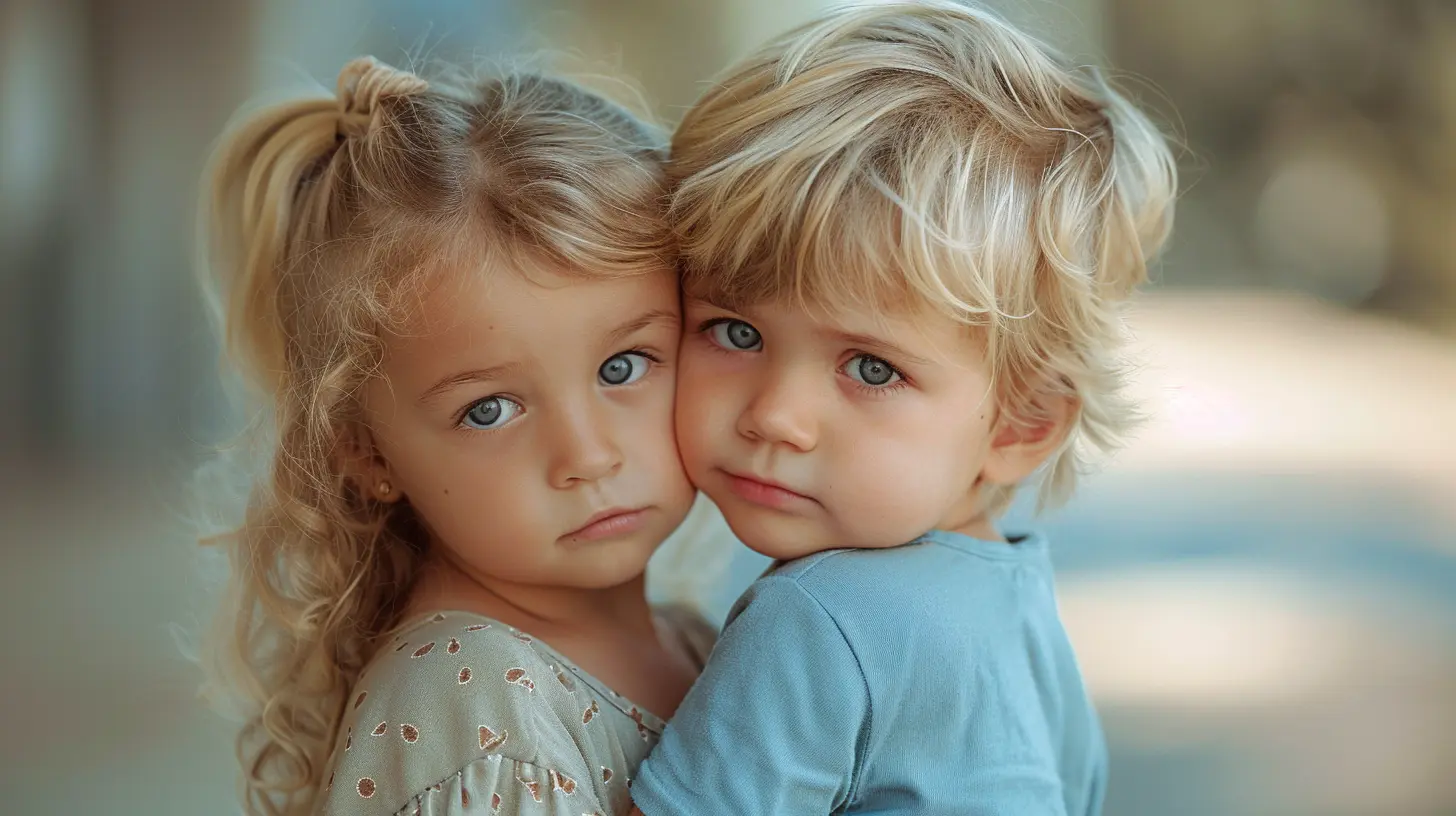
When Jealousy Gets Out of Hand
While sibling jealousy is normal, sometimes it can become a more persistent issue. If one sibling seems to be constantly acting out or showing signs of emotional distress like frequent tantrums, anxiety, or withdrawal, it might be time to talk to a professional. Therapists specializing in child behavior or family dynamics can offer strategies tailored specifically to your family's needs.Wrapping It All Up
Dealing with sibling jealousy is a balancing act, and while it may feel overwhelming at times, it’s also an opportunity to teach your children valuable lessons about empathy, patience, and cooperation. By understanding the core reasons behind their feelings and taking proactive steps to foster a loving sibling relationship, you're giving your kids the tools they need to nurture bonds that will last a lifetime.Remember: it’s not about eliminating jealousy but about helping your children learn to manage and express their feelings in healthy, constructive ways. With time, patience, and love, they can grow to not only coexist but truly appreciate one another.
all images in this post were generated using AI tools
Category:
Sibling JealousyAuthor:

Austin Wilcox
Discussion
rate this article
2 comments
Silas Carter
Understanding and empathy can ease sibling jealousy... it's worth trying.
June 17, 2026 at 4:39 AM
Austin Wilcox
Absolutely, fostering understanding and empathy can make a big difference in sibling relationships. It's a simple but powerful approach.
Drift McVey
Sibling jealousy is real and powerful. Instead of ignoring it, tackle it head-on. Open conversations and shared experiences can turn rivalry into bonding. Remember, it's not about favoritism; it's about nurturing each child's unique relationship with one another. Let them grow together, not apart.
May 25, 2026 at 2:56 AM
Austin Wilcox
I completely agree. Acknowledging sibling jealousy and fostering open dialogue can really strengthen their bond. Each relationship is unique, and nurturing that individuality is key. Let's help them grow together.