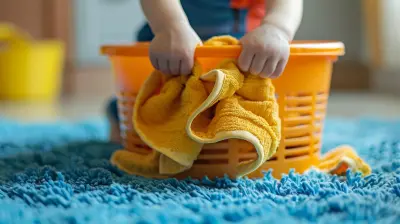
Age-Appropriate Chores: What Your Child Can Tackle at Every Stage
21 June 2026
Have you ever wondered if your child is ready to help out more around the house? You might be surprised! Giving kids chores isn't just helpful for you—it teaches responsibility, builds life skills, and gives them a sense of accomplishment. But let’s be honest, not every task is suitable for every age. That’s where age-appropriate chores come in.
In this guide, we’re walking through the different stages of childhood and breaking down what chores make sense at each one. We’ll also chat about how to keep things fun (yes, fun!) and avoid turning chores into something dreaded. Sound good? Let’s get into it.
Why Are Chores Important for Kids?
Before we get into specifics, let’s talk big picture. Chores teach kids more than just how to fold laundry or feed the dog. They learn responsibility, time management, and how to be a contributing member of the family.Think of it like planting seeds—early chores grow into lifelong habits. Plus, kids love feeling capable and trusted. Giving them small jobs helps build their confidence. And let’s face it, who couldn’t use a little help around the house?
A Few Chore-Giving Ground Rules
Hold up, before you hand your toddler a mop...Here are some quick tips to make chore-giving work well:
- Keep it age-appropriate (we're covering this in detail below).
- Be patient. Things won’t be perfect. It’s about effort, not perfection.
- Use positive reinforcement. A simple “thank you” or high-five goes a long way.
- Make it fun. Play music, time how fast they can tidy up, or use a sticker chart.
- Be consistent. Chores work best when they become part of the daily routine.
Alright, now let’s dive into what your child can reasonably handle at each stage.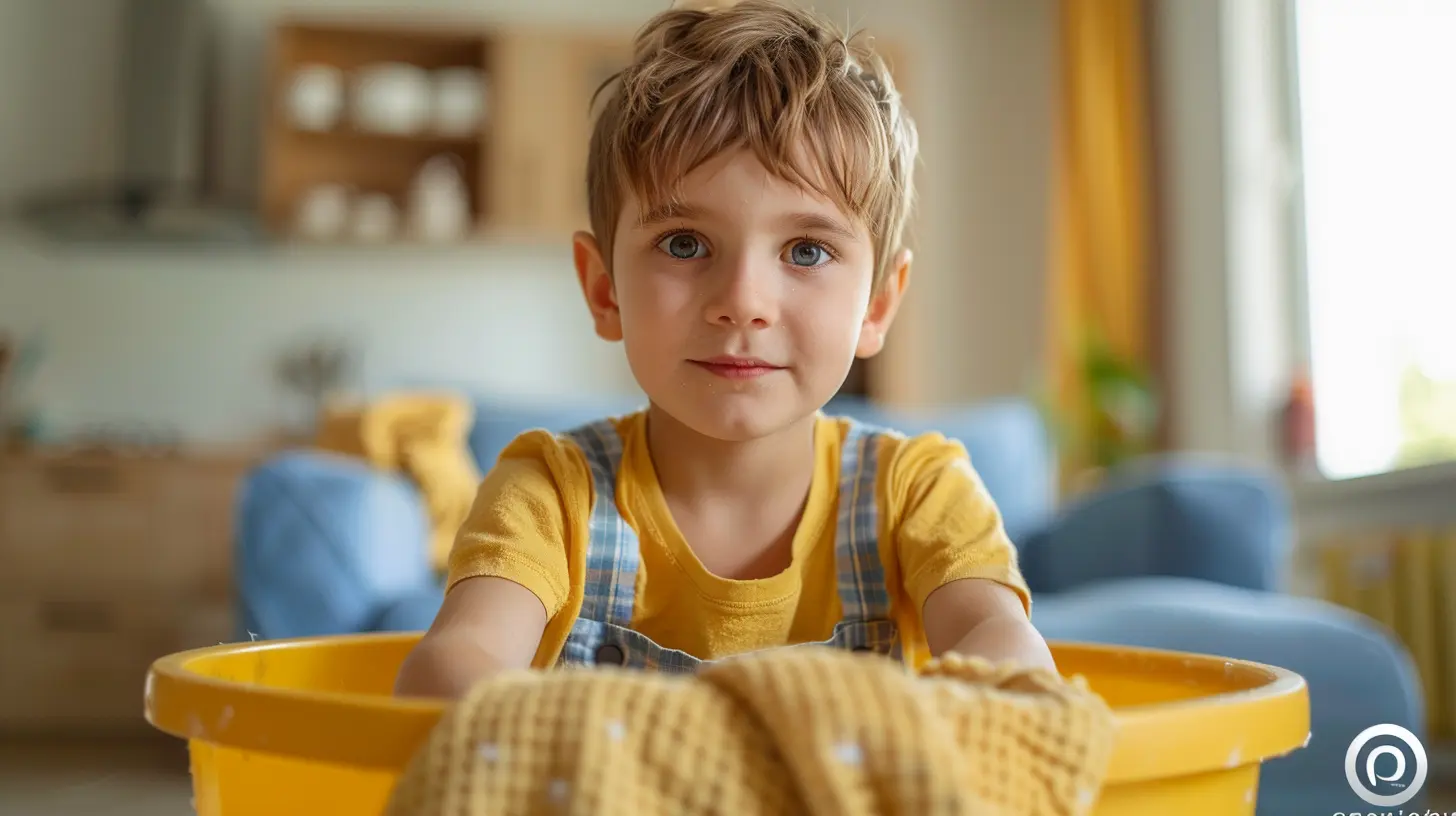
Toddlers (Ages 2–3): Introducing the Basics
You might think a toddler can’t really “help,” but they actually love being included. At this age, it’s all about imitation. They want to do what you’re doing—even if they make more mess than they clean.Chores for Toddlers:
- Putting toys back in bins- Throwing trash in the garbage can
- Helping wipe small spills
- Putting dirty clothes in a hamper
- "Helping" make the bed (pulling up blankets)
Tips for This Stage:
Keep it simple, turn tasks into games, and don’t sweat the outcome. Just getting them in the habit of helping is a big win.
Preschoolers (Ages 4–5): Mini Helpers in Training
At this age, kids are better with instructions and have a longer attention span. They're also eager to please. It's the perfect time to introduce more routine-based chores.Chores for Preschoolers:
- Setting and clearing their place at the table- Watering plants
- Feeding pets (with supervision)
- Dusting with a cloth
- Matching socks during laundry
- Putting away clean clothes in drawers
Tips for This Stage:
Use chore charts or simple visuals. They’re not reading novels yet, but they understand pictures and checkmarks. Keep chores short and sweet.Early Elementary (Ages 6–8): Gaining Confidence
Now we're talkin'! Kids at this stage can follow multi-step directions and are starting to take pride in doing things “just like grown-ups.” Time to give them a little more responsibility.Chores for Ages 6–8:
- Making their bed neatly- Packing their school lunch (with guidance)
- Loading and unloading the dishwasher
- Folding towels
- Taking out the trash
- Sweeping floors
Tips for This Stage:
Help them develop a routine. And yes, you’ll still need to double-check their work sometimes—but they’re capable of real help now. Give them choices in tasks to build autonomy.Tweens (Ages 9–12): Independent Workers
This is the golden age of competence. Tweens can handle more complex chores and even manage tasks without being reminded (well, sometimes). They’re also ready to manage their time better.Chores for Ages 9–12:
- Washing dishes or loading/unloading the dishwasher fully- Vacuuming rooms
- Doing their own laundry (start to finish!)
- Walking the dog
- Cooking simple meals or snacks
- Cleaning their bedroom and bathroom
Tips for This Stage:
Start rotating chores to keep things interesting. Also, involve them in creating their chore schedule—kids are more invested when they have a say.Teenagers (Ages 13–18): Real-Life Prep
Teenagers are preparing for life beyond the house (college, jobs, apartments, etc.), and they need to know how to run a household. Now’s the time to give them full ownership of specific tasks and even entire areas of responsibility.Chores for Teens:
- Grocery shopping (with a list and budget)- Cooking full meals for the family
- Mowing the lawn or shoveling snow
- Managing their own laundry and ironing
- Deep-cleaning shared spaces
- Budgeting for a weekly allowance or outings
Tips for This Stage:
At this point, chores mimic adult responsibilities. Let teens problem-solve and work independently. You’re not just looking for cleaned rooms—you’re teaching life management.Age Isn't Everything: Consider Your Child's Readiness
Keep in mind, kids develop at their own pace. A mature 8-year-old might handle tasks better than a distracted 12-year-old. So while age is a solid guideline, use your gut too. Look for signs your child is ready for more independence or needs you to simplify things.And be flexible. If one chore becomes overwhelming or sparks daily battles, switch it up. The goal is to build skills and confidence, not create a power struggle.
Making Chores Work for Your Family
Let’s face it, getting kids to do chores isn’t always smooth sailing. Some days it’ll feel like herding cats. But structure and consistency help.Here are a few family systems that work:
- Chore Charts: Visual trackers give kids a sense of accomplishment.- Sticker/Reward Systems: Great for younger kids who thrive on motivation.
- Allowance-for-Chores Models: Works well for tweens and teens learning about money.
- Family Chore Time: Designate a time each week where everyone tidies up together—it builds teamwork and keeps things fair.
Whichever method you choose, stick with it for a few weeks before making big changes. It takes time to build a new habit.
What If They Refuse?
Ah yes, the dreaded “I don’t want to!” We’ve all been there.Here’s what helps:
- Stay calm and patient (easier said than done, I know).
- Don’t lecture—discuss the importance of helping the family.
- Offer realistic consequences for not following through.
- Use humor to lighten the moment.
- Avoid nagging—it usually backfires.
And remember, it’s totally normal for kids to resist now and then. What matters is that you stay consistent. In time, the pushback fades, and the routines stick.
Final Thoughts: Beyond Chores
Giving kids jobs to do isn’t just about a cleaner house. It’s about raising competent, confident, and capable humans. When kids know how to take care of themselves and their environment, they walk a little taller. They feel empowered. And they learn that being part of a family means everyone chips in.So start small. Be patient. And take a few deep breaths when the laundry ends up folded like origami. It’s all part of the process.
Quick Reference Cheat Sheet
| Age Group | Chores ||-----------|--------|
| 2–3 | Put away toys, throw trash, help wipe, dirty clothes in hamper |
| 4–5 | Set table, feed pets, dust, match socks, water plants |
| 6–8 | Make bed, pack lunch, take out trash, sweep, fold towels |
| 9–12 | Vacuum, clean bathroom, do laundry, cook simple food |
| 13–18 | Grocery shop, mow lawn, cook meals, manage budget & laundry
all images in this post were generated using AI tools
Category:
Chores For KidsAuthor:

Austin Wilcox
Discussion
rate this article
1 comments
Franklin Meyers
I love this article! It's so helpful to know what chores are right for each age. Empowering kids with responsibility builds confidence and teamwork at home. Can't wait to try these ideas!
June 26, 2026 at 4:08 PM
Austin Wilcox
Thank you for your kind words! I'm glad you found the article helpful. Enjoy implementing the ideas with your kids!