Balancing Screen Time and Active Play for Preschoolers
13 August 2026
If you have a preschooler, you already know the pull. The tablet glows on the coffee table. The TV plays the same catchy theme song for the fourth time this morning. And your three-year-old is asking for "just one more show" with the kind of persistence that would impress a lobbyist. Meanwhile, the backyard swing set sits untouched, and the box of crayons gathers dust.
You are not alone in this struggle. Every parent of a young child is trying to figure out where technology fits into a life that should be full of running, jumping, building, and pretending. The challenge is not whether screens are good or bad. The challenge is that screens are here to stay, and your child needs both digital literacy and physical development to thrive. The question is how to balance the two without losing your mind in the process.
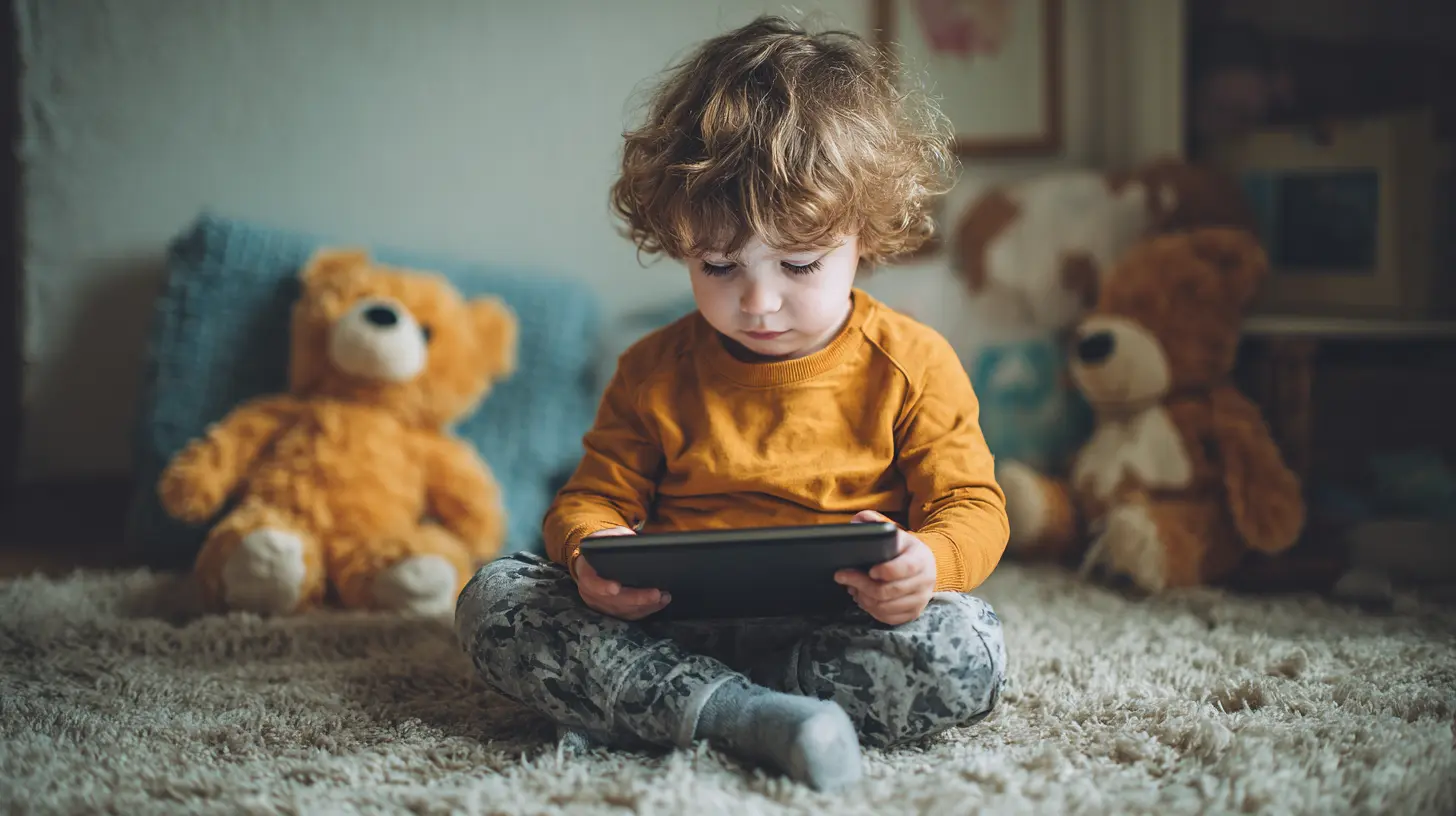
Why This Balance Matters More Than You Think
The preschool years, roughly ages three to five, are a critical window for brain development. During this time, neural connections are being formed at a staggering rate. Every experience your child has, whether it is stacking blocks, singing a song, or watching a cartoon, shapes those connections. But not all experiences are equal.Active play is not just about burning off energy. It is about developing gross motor skills like running and jumping, fine motor skills like grasping and drawing, and crucial cognitive abilities like problem-solving and spatial awareness. When a child climbs a jungle gym, they are calculating risk. When they build a fort, they are learning physics. When they play tag, they are practicing social negotiation and emotional regulation.
Screen time, on the other hand, offers a different kind of stimulation. High-quality educational apps can teach letters, numbers, and patterns. Videos can expose children to new ideas and places they might not otherwise see. But screens are largely passive. The child watches, taps, or swipes, but the experience is controlled by the device, not by the child's imagination. This is the fundamental difference that parents need to understand.
The goal is not to eliminate screens. That is unrealistic and, frankly, unnecessary. The goal is to ensure that screens do not crowd out the active, imaginative, and social experiences that preschoolers need for healthy development. When screen time replaces active play, children miss out on opportunities to build physical strength, practice social skills, and develop creative thinking. When screen time is used thoughtfully, it can complement those experiences.
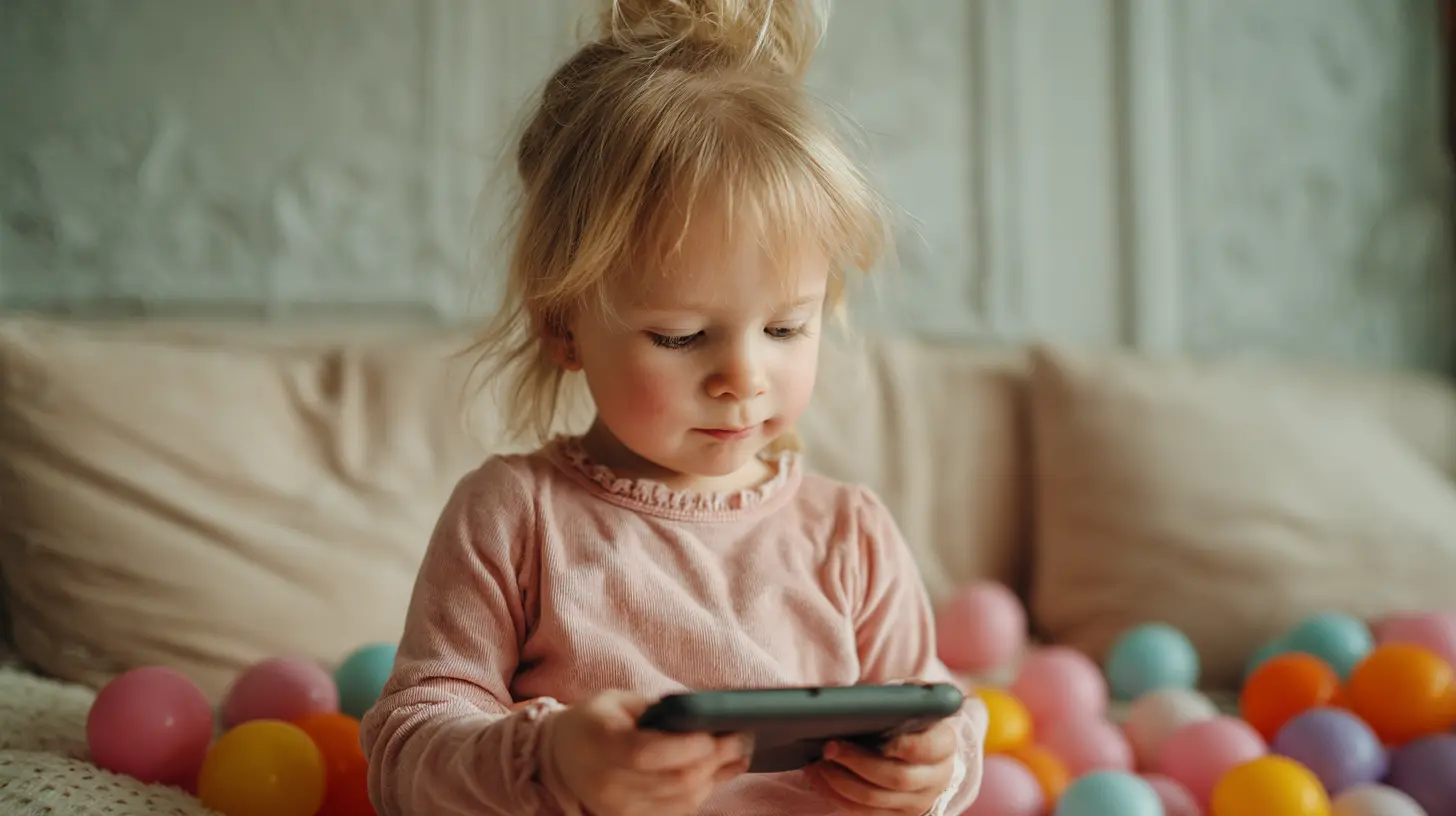
The Reality of Screen Time Recommendations
You have probably heard the American Academy of Pediatrics recommendation: no more than one hour of high-quality screen time per day for children aged two to five. That sounds simple enough. But the reality is more nuanced.The one-hour limit is a guideline, not a hard rule. It is designed to help parents think intentionally about media use, not to create anxiety. A day with an extra thirty minutes of screen time because you are on a long flight or you are sick is not going to harm your child. What matters more is the pattern over time. Is screen time the default activity, or is it one option among many?
The quality of the screen time matters just as much as the quantity. A video call with Grandma is not the same as watching a mindless cartoon. An interactive app where your child is actively solving puzzles is different from a show with rapid scene changes designed to hold attention through constant novelty. When you are thinking about screen time, ask yourself what your child is getting out of it. Are they learning something? Are they connecting with someone? Are they being entertained in a way that is appropriate for their age?
Another important consideration is what is happening during screen time. Is your child watching alone while you make dinner, or are you watching together and talking about what you see? Co-viewing, where you watch or play alongside your child, turns screen time into a social and educational experience. You can ask questions, point out details, and connect what is on the screen to real life. This is one of the most effective ways to make screen time more valuable.
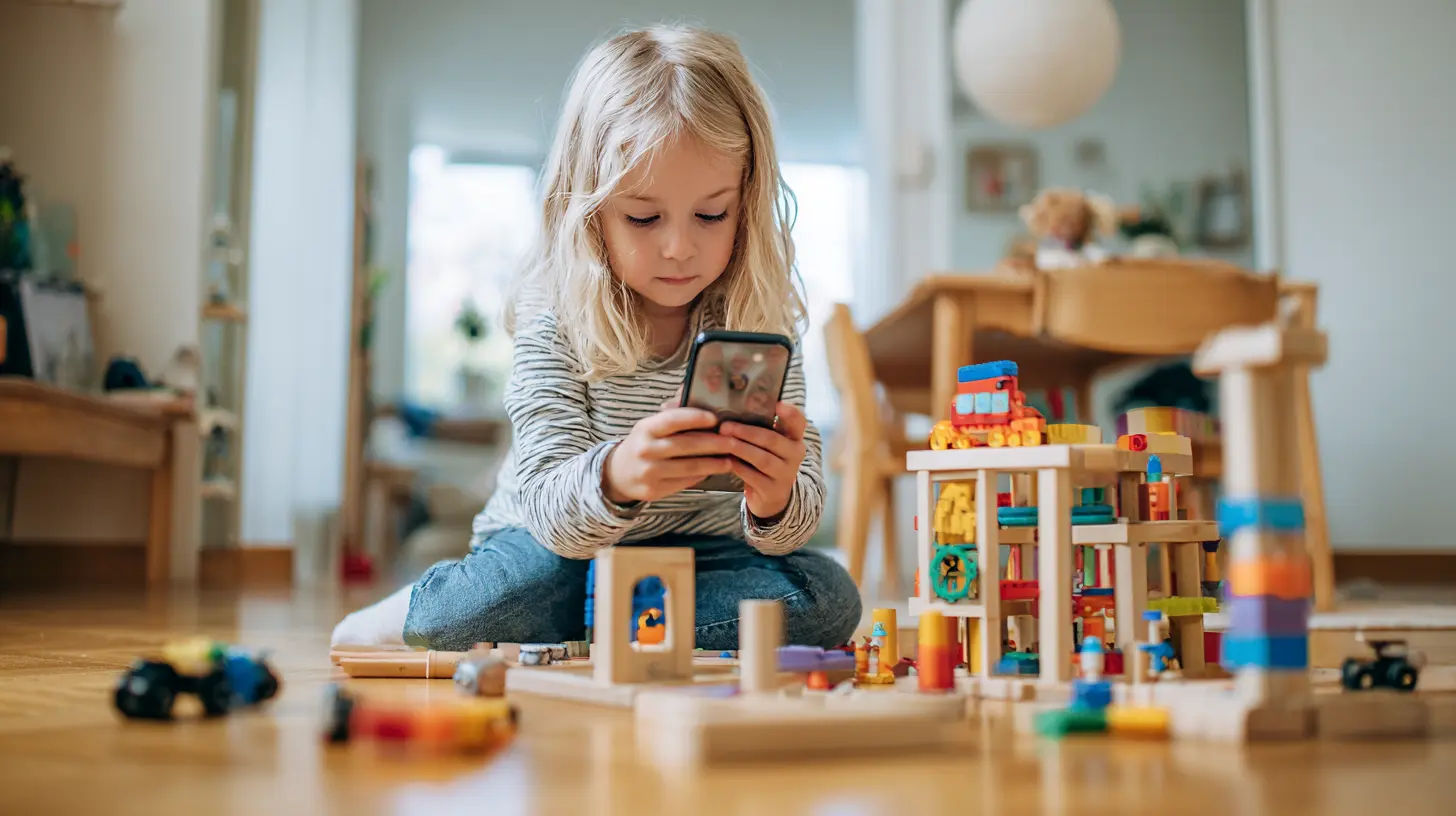
The Hidden Costs of Excessive Screen Time
Parents often worry about the obvious issues: obesity from too much sitting, poor eyesight from staring at screens, or sleep disruption from blue light. These are real concerns, but they are not the whole story.The more subtle cost of excessive screen time is the loss of boredom. Boredom is not a problem to be solved. It is a gift. When a child is bored, they are forced to create their own entertainment. They invent games. They explore their environment. They daydream. These moments of unstructured time are where creativity and self-direction are born.
If a child always has a screen available, they never have to sit with discomfort or figure out what to do with themselves. They learn to rely on external stimulation rather than internal resources. This can lead to difficulties with self-regulation later on. Children who are constantly entertained by screens may struggle to engage in independent play, to wait patiently, or to tolerate frustration.
There is also a social cost. Preschoolers learn social skills through face-to-face interaction. They need to read facial expressions, interpret tone of voice, and practice taking turns in conversation. Screens cannot teach these skills. In fact, excessive screen time can reduce the amount of time children spend in real social interactions, which can delay social development.
The physical cost is significant as well. Preschoolers need at least three hours of physical activity per day, according to guidelines from the World Health Organization. That is a lot of movement. If a child is spending two hours in front of a screen, it becomes very hard to fit in that much active play, especially when you account for meals, naps, and other daily routines.

What Active Play Actually Does for a Preschooler
Active play is not just about preventing obesity or building strong bones, although those are important. It is about the whole child. When a preschooler runs, jumps, climbs, and throws, they are developing proprioception, the sense of where their body is in space. This is essential for coordination and balance. Children who do not get enough active play may struggle with clumsiness or have difficulty with tasks that require fine motor control.Active play also supports cognitive development. When a child runs around a playground, they are making split-second decisions about where to step and how fast to move. When they play catch, they are tracking an object and predicting its trajectory. These are complex brain functions that cannot be replicated on a screen. Physical activity increases blood flow to the brain, which supports memory and attention. Some research suggests that children who are more physically active perform better on tasks requiring executive function, which is the ability to plan, focus, and control impulses.
Socially, active play is where children learn to negotiate. They figure out the rules of a game, decide who goes first, and handle disagreements. They learn about fairness and empathy by putting themselves in someone else's shoes. These are lessons that cannot be taught through a tablet. They must be experienced in real time, with real people, and real consequences.
Emotionally, active play is a release valve. Preschoolers have big feelings and small vocabularies. Physical activity gives them a way to express frustration, joy, and excitement without needing the words to describe it. A child who has been cooped up all day will often become calmer and more focused after running around outside. This is not a coincidence. Movement helps regulate the nervous system.
Practical Strategies for Finding the Balance
The good news is that you do not need to be perfect. You just need to be intentional. Here are some strategies that work in real life, not just in theory.Set Up Your Environment for Success
The physical layout of your home can do a lot of the heavy lifting. If the tablet is always on the kitchen counter and the TV is always on, screens will be the default. Instead, make active play the path of least resistance.Keep a basket of balls, jump ropes, and sidewalk chalk by the front door. If the materials are visible and accessible, your child is more likely to grab them and head outside. Put the tablet in a drawer or a closet, not on the coffee table. Out of sight does not mean out of mind, but it does reduce the constant temptation.
Create a dedicated play space, even if it is just a corner of the living room. Fill it with open-ended materials like blocks, dress-up clothes, and art supplies. These are the tools of imaginative play. A child with a box of blocks can build a castle, a spaceship, or a zoo. A child with a tablet can only do what the app allows.
Use Time, Not Content, as the Boundary
Instead of saying "You can watch one show," try saying "You can have twenty minutes of screen time." This helps your child understand that time is the limit, not a specific piece of content. It also makes it easier to transition when the time is up.Set a timer that your child can see. There are visual timers designed for children that show time as a colored circle that shrinks. When the circle is gone, screen time is over. This gives your child a sense of control and predictability. They know what to expect, and they are less likely to fight the transition.
When the timer goes off, be ready with an alternative. Say "Screen time is done. Let's go outside and see if we can find any bugs." Having a plan for what comes next makes the transition easier for everyone.
Make Screen Time Active When Possible
Not all screen time has to be sedentary. There are dance-along videos that get kids moving. There are interactive games that require physical movement, like jumping or waving. There are apps that encourage children to draw, build, or create.If your child loves a particular show, look for ways to extend the learning into the real world. If they watch a show about animals, plan a trip to the zoo. If they watch a show about building, get out the blocks and build something together. This turns screen time from a passive experience into a springboard for active exploration.
Prioritize the Three Cs: Content, Context, and the Child
When you are deciding whether to allow screen time, consider three things. First, the content. Is it age-appropriate? Is it educational? Is it well-made? Second, the context. Is your child watching alone or with you? Is it a special treat or a daily habit? Third, the child. Is your child in a good mood? Are they engaged and curious, or are they tired and cranky?A child who is tired and cranky will not benefit from an educational app. They need rest, not stimulation. A child who is curious and alert might get a lot out of a well-designed learning game. The same content can be good or bad depending on the circumstances. You are the expert on your child. Trust your judgment.
Common Mistakes Parents Make
Even well-intentioned parents fall into traps. Here are the most common ones, and how to avoid them.Using Screens as a Default Babysitter
We all do this sometimes. You need to make a phone call, cook dinner, or just have five minutes of peace. The screen is right there. It works. But when this becomes the default, it is a problem.Instead of reaching for the screen first, try other strategies. Give your child a safe activity they can do nearby while you are busy. Set up a sensory bin with rice and scoops. Put on some music and let them dance. Ask them to "help" you with a simple task, like sorting laundry or washing vegetables. These activities keep them engaged without a screen.
If you do use a screen as a babysitter, try to be aware of it. Notice how often it happens. If it is more than once a day, look for ways to reduce the need. Maybe you can involve your child in the task, or maybe you can adjust your expectations about what you can get done during the day.
Using Screen Time as a Reward or Punishment
It is tempting to say "If you are good, you can watch TV" or "If you do not clean up, no tablet." This creates a dynamic where screens are seen as the ultimate prize and the loss of screens as the ultimate punishment.This can backfire. It makes screens seem more valuable than they are. It also creates a power struggle. Instead, try to keep screen time neutral. It is just one activity among many. If you want to reward good behavior, use praise, a special outing, or extra time playing a favorite game together. If you need a consequence, take away a privilege, but try not to make screens the only currency.
Letting Screens Interfere with Sleep
This is one of the most important mistakes to avoid. Screen time in the hour before bed can disrupt sleep. The blue light from screens suppresses melatonin, the hormone that regulates sleep. The content itself can also be stimulating, making it hard for a child to wind down.Make the hour before bed screen-free. Instead, read books, take a warm bath, sing songs, or do quiet puzzles. This not only helps your child sleep better, but it also creates a calming routine that signals the day is ending.
Forgetting That You Are the Model
Your child is watching you. If you are constantly on your phone, checking emails, scrolling social media, or watching videos, your child will learn that screens are the most important thing. They will want to imitate you.This is hard. We all use our phones for work, communication, and entertainment. But you can be intentional about when and how you use screens in front of your child. Put your phone away during meals. Set aside times when you are fully present. When you do use your phone, tell your child what you are doing. Say "I am checking the weather so we know if we can go to the park." This helps them understand that screens are tools, not just entertainment.
The Role of Outdoor Play
Outdoor play deserves special attention because it offers something that indoor play and screens cannot. The outdoors is unpredictable. The weather changes. There are bugs to find, puddles to jump in, and trees to climb. This unpredictability is exactly what preschoolers need.Outdoor play also provides sensory input that is essential for development. The feel of grass on bare feet, the smell of rain, the sound of birds, the sight of clouds moving across the sky. These experiences are rich and varied. They cannot be replicated on a screen.
Try to get your child outside every day, even if it is only for twenty minutes. Rainy days count. Put on a raincoat and splash in puddles. Cold days count. Bundle up and go for a short walk. The goal is not to have an epic outdoor adventure every day. The goal is to make the outdoors a regular part of life.
If you do not have a backyard, find a nearby park. If you live in a city, look for green spaces, playgrounds, or even just a quiet sidewalk where your child can ride a tricycle. The important thing is to get outside and move.
Handling Pushback and Difficult Moments
Your child will not always accept your screen time limits gracefully. There will be tantrums, pleading, and negotiations. This is normal. Your child is testing boundaries, which is a healthy part of development. Your job is to hold the boundary with empathy.When your child is upset about screen time ending, acknowledge their feelings. Say "I know you are sad that the show is over. It was fun to watch. Now we are going to have a snack." Do not give in to the tantrum, but do not punish the feelings either. Stay calm, be consistent, and offer comfort.
If your child asks for screen time constantly, try to redirect. Offer alternatives. Say "We are not watching TV right now, but we can build a fort with the couch cushions." Sometimes the child just wants attention, and the screen is the easiest way to get it. Giving them your full attention for ten minutes of play can be more satisfying than an hour of screen time.
When Screen Time Is Actually Helpful
It is important to acknowledge that screen time is not always the enemy. There are situations where screens are genuinely useful.During a long car ride or a plane trip, a tablet can be a lifesaver. When you are sick and cannot get out of bed, a show can keep your child occupied while you rest. When you need to make an important phone call, a short video can buy you the quiet you need. These are legitimate uses of screen time.
There are also educational benefits. High-quality preschool apps can teach letter recognition, phonics, and basic math. They can introduce children to different cultures, animals, and scientific concepts. They can help children with special needs practice communication and social skills. The key is to choose high-quality content and to use it intentionally.
Video calls are another important use of screens. If grandparents live far away, regular video calls help maintain those relationships. Your child can show off a drawing, sing a song, or just chat. This is not passive screen time. It is active social interaction, and it is valuable.
Creating a Family Media Plan
Instead of making up rules on the fly, consider creating a family media plan. This is a set of guidelines that everyone in the family agrees to follow. It does not have to be complicated. It can be as simple as:- No screens during meals
- No screens in the hour before bed
- Screen time is limited to one hour per day
- Screens are only used in the living room, not in the bedroom
- We watch together when possible
Write it down and post it where everyone can see it. Review it regularly and adjust it as your child grows. The plan is not meant to be rigid. It is meant to be a reminder of your family's values and priorities.
Involving your child in creating the plan can be helpful. Ask them what they think the rules should be. They might surprise you with their insights. Even a four-year-old can understand that we do not use screens at the dinner table because we want to talk to each other.
The Long View
Remember that this phase will not last forever. Your preschooler will not be three forever. The intense battles over screen time will fade as they get older and develop more self-control. What matters now is establishing healthy habits and a positive relationship with technology.The goal is not to raise a child who never touches a screen. The goal is to raise a child who can use screens as tools, who can enjoy them without being controlled by them, and who knows that the real world is full of wonder and adventure.
When your child is older, they will not remember how many episodes of a cartoon they watched. They will remember building a pillow fort with you. They will remember the feel of the wind on their face as they ran down the hill. They will remember the sound of your laughter as you played tag in the backyard. Those are the moments that shape who they become.
So give yourself some grace. You do not have to be perfect. You just have to be present. Put down your phone, get outside, and play. Your child will follow your lead.
all images in this post were generated using AI tools
Category:
Early Childhood EducationAuthor:

Austin Wilcox
Discussion
rate this article
1 comments
Edith Kane
Finding the right balance between screen time and playtime is like juggling spaghetti and meatballs-messy but worth it when you finally master it!
August 14, 2026 at 3:51 AM
Austin Wilcox
Absolutely! It takes practice, but that balance is key for healthy development.