Beyond the Basics: Teaching Kids Advanced Household Skills
19 July 2026
When we think of teaching kids household skills, basic chores like making the bed or doing the dishes often come to mind. Sure, those tasks are essential and a great starting point, but there's a whole world beyond just sweeping up crumbs and folding socks. By the time kids hit their tweens and teens, they can (and should!) be learning more advanced household skills.
Why? Because these skills aren't just about helping out around the house—they're life skills. Imagine your child heading off to college or moving out on their own and already knowing how to manage a budget, cook a full meal, or even make minor home repairs. Mind-blowing, right? Let's break it all down and guide you on how to raise capable, confident, and independent future adults—with a few laughs and hugs along the way.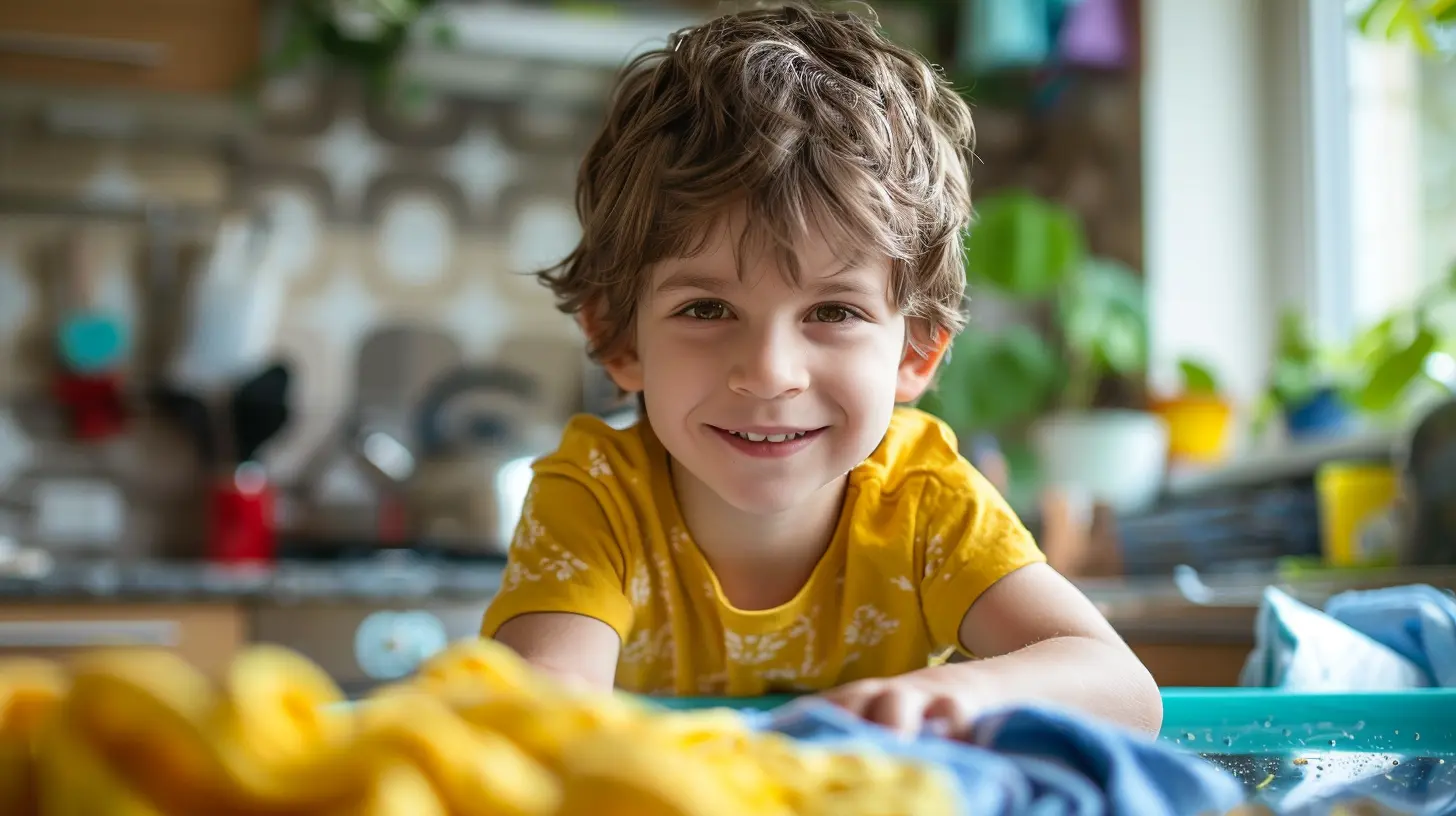
Why Go Beyond the Basics?
You wouldn't stop teaching your child to read after they learn the alphabet, right? The same goes for household skills. Once they’ve mastered the basics, it’s time to level up.Advanced household skills:
- Build responsibility and self-confidence.
- Encourage problem-solving and critical thinking.
- Teach time management and organization.
- Prepare them for life outside the cozy nest.
And honestly, who doesn't want a teen who knows how to unclog a drain or cook a full dinner without setting off the smoke alarm?
The Right Time to Start
Here's the million-dollar question: When should you start introducing more advanced skills?The answer is—it depends. Every child is different. Some 10-year-olds are ready to handle laundry from start to finish. Others might still be figuring out where the dirty clothes go. That’s okay!
As a general rule of thumb: once your kid has nailed the basic chores and shows some interest or responsibility, you can start introducing more complex tasks. The key lies in how you teach them—patiently and supportively.
Let’s Talk Advanced Household Skills
Now, onto the fun stuff! Here’s a list of advanced household skills every kid can (eventually) learn, broken down into categories. Let’s dive in!1. Meal Planning and Advanced Cooking
Yes, kids can cook more than just mac and cheese from a box.What to teach:
- Planning meals for the week
- Grocery shopping (with a list and a budget!)
- Prepping ingredients in advance
- Cooking full meals (beyond scrambled eggs)
- Food safety and hygiene
Pro tip: Start with "theme nights" where your child takes the lead. Taco Tuesday? Pasta Friday? Let them own it.
2. Laundry Like a Pro
No more pink t-shirts because they didn’t separate colors.What to teach:
- Sorting clothes (lights, darks, towels)
- Understanding fabric labels (that decoding can be tricky!)
- Using the washer/dryer settings correctly
- Folding and organizing clean laundry
Make it fun. Turn on some music and have a "fold-off" contest. Winner gets bragging rights!
3. Budgeting and Money Management
This one's a game-changer. Early money skills = long-term financial wellness.What to teach:
- Creating a simple monthly budget
- Tracking expenses (apps or old-school notebooks)
- Understanding wants vs. needs
- Saving for a goal
- Using a debit card or digital payment system wisely
Try this: Give them a budget for a small event (like a movie night at home). Help them plan snacks, decor, and any extras within the budget. Real-world practice is the best teacher.
4. Basic Home Maintenance and Repairs
Teach them to wrangle a screwdriver or change a lightbulb—life skills, people!What to teach:
- Using a toolkit safely
- Fixing a leaky faucet or squeaky hinge
- Changing air filters
- Hanging a picture frame
- Resetting tripped circuit breakers
Have a “Fix-It Friday” where you teach one small repair each week. It makes learning manageable and built into your routine.
5. Cleaning Like a Grown-Up
We’re not talking about a quick wipe-down here.What to teach:
- Deep-cleaning bathrooms and kitchens
- Dusting hard-to-reach spots
- Organizing cabinets and drawers
- Cleaning appliances (washer, microwave, fridge)
- Dealing with pet messes (if you have a fur baby!)
Pro-tip: Use natural cleaning products and show them how to make their own DIY solutions. It’s science and cleaning all in one!
6. Time and Schedule Management
A clean home requires a bit of planning.What to teach:
- Creating chore charts or daily routines
- Using calendars (digital or paper)
- Prioritizing tasks (what HAS to happen vs. what can wait)
- Balancing school/work and home responsibilities
Encourage your kid to take charge of their weekly schedule. It builds autonomy and shows them how to juggle life, just like we do (but with fewer coffee breaks).
7. Hosting and Hospitality
Social skills are just as crucial as mopping.What to teach:
- Setting the table properly
- Planning a guest menu
- Greeting guests and making them feel welcome
- Tidy-up routines before and after guests leave
Host a mini dinner party with your kid as the planner. It’s a great way to combine cooking, cleaning, and social etiquette into one fun event.
8. Emergency Preparedness
Because life doesn’t always warn us before things go sideways.What to teach:
- Knowing where the circuit breaker and water shut-off valves are
- How to use a fire extinguisher
- Creating a basic emergency kit
- What to do in case of power outages or storms
- First aid basics
Walk through scenarios with them—not in a scary way, but in an empowering way. “If this happens, here’s what we do.” Confidence in chaos is gold.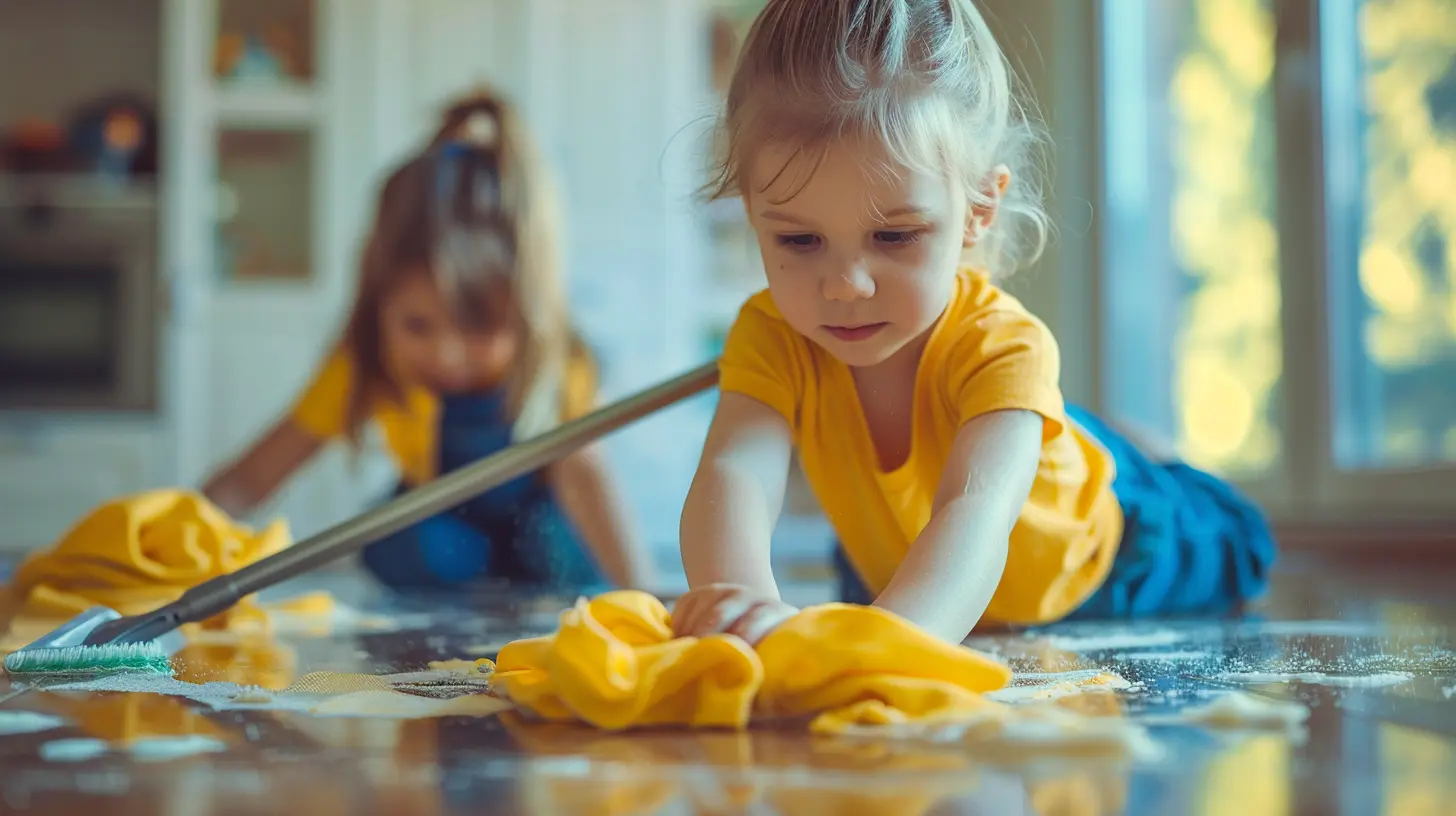
Keep It Fun and Age-Appropriate
Teaching advanced skills doesn’t mean it has to be all business. Kids learn best when they’re engaged and having fun. Use humor, play music, offer praise, and allow room for mistakes.And remember – nobody learns it all overnight. (You didn’t either, right?)
Be Their Guide, Not Their Boss
The goal here is guidance, not control. Let them experiment. Accept that they’ll mess up occasionally. Offer support, not criticism. You’re building confidence, not just competence.It’s the difference between saying, “You did that wrong,” and “Hey, want to try another way that might work even better?”
Celebrate Their Successes
Did they fix a broken cabinet door? Cook dinner without catching anything on fire? Budget their allowance like a champ?Celebrate it!
Positive reinforcement works wonders. Whether it's a high five, a heartfelt “I’m proud of you,” or a little reward, it reinforces their effort and keeps them motivated to keep learning.
Final Thoughts: Preparing Them for the Real World
Advanced household skills are an investment in your child’s future. You're not just helping them help you—you’re preparing them for adulthood. When they build these skills, they build independence, resilience, and a solid sense of self.Think of it as teaching your child to fly. You’re helping them stretch those wings so that one day, when they’re ready to leave the nest, they’ll soar instead of stumble.
So yes, teaching a 13-year-old to clean an oven or fix a leaky sink might sound frustrating at first. But trust us—future-you (and future-them) will be grateful you did.
Let’s raise responsible, confident, and capable young humans—one chore at a time.
all images in this post were generated using AI tools
Category:
Chores For KidsAuthor:

Austin Wilcox
Discussion
rate this article
1 comments
Elowis Barrett
This article is a great reminder that teaching kids advanced skills not only prepares them for independence but also builds their confidence in managing day-to-day life.
July 23, 2026 at 2:33 PM