Can You Breastfeed During Pregnancy? Things to Know
7 September 2026
Motherhood is a beautiful, complex journey. It's filled with highs and lows, sleepless nights, unexpected joys, and a never-ending stream of questions. One common “Can I really do this?” moment many moms face is when they get pregnant while still breastfeeding their little one. If you find yourself wondering, _"Can you breastfeed during pregnancy?"_—you’re not alone.
Let’s sit down, have a heart-to-heart, and unpack what this really means. From your physical health to your emotional well-being and your child’s needs, there’s a lot to consider. But don’t worry—I’ve got your back. We're going to take a soft, honest dive into this topic so you feel informed, supported, and ready to make the best choice for you and your growing family.
Understanding the Basics: Is It Safe?
Let’s cut to the chase—yes, in most cases, you can breastfeed while pregnant.It might feel a little strange at first, especially with a baby growing inside you. But the human body is incredible. If you're generally healthy and not experiencing pregnancy complications, breastfeeding during pregnancy is typically considered safe for both the nursing child and the developing baby in your womb.
Of course, there are a few caveats. Every woman’s body and pregnancy are different. That’s why it’s essential to stay in tune with how you feel and always keep your healthcare provider in the loop.
What Makes It Safe?
When you breastfeed, your body releases a hormone called oxytocin. This same hormone is responsible for triggering uterine contractions during labor. Some people worry that this might cause problems during pregnancy. But here’s the thing—these contractions are usually mild and harmless unless you're at risk for preterm labor or other complications.If your pregnancy is low-risk, the amount of oxytocin released during breastfeeding isn’t enough to cause any major issues. Your body knows what it’s doing—it’s like a well-rehearsed orchestra, playing multiple rhythms at once.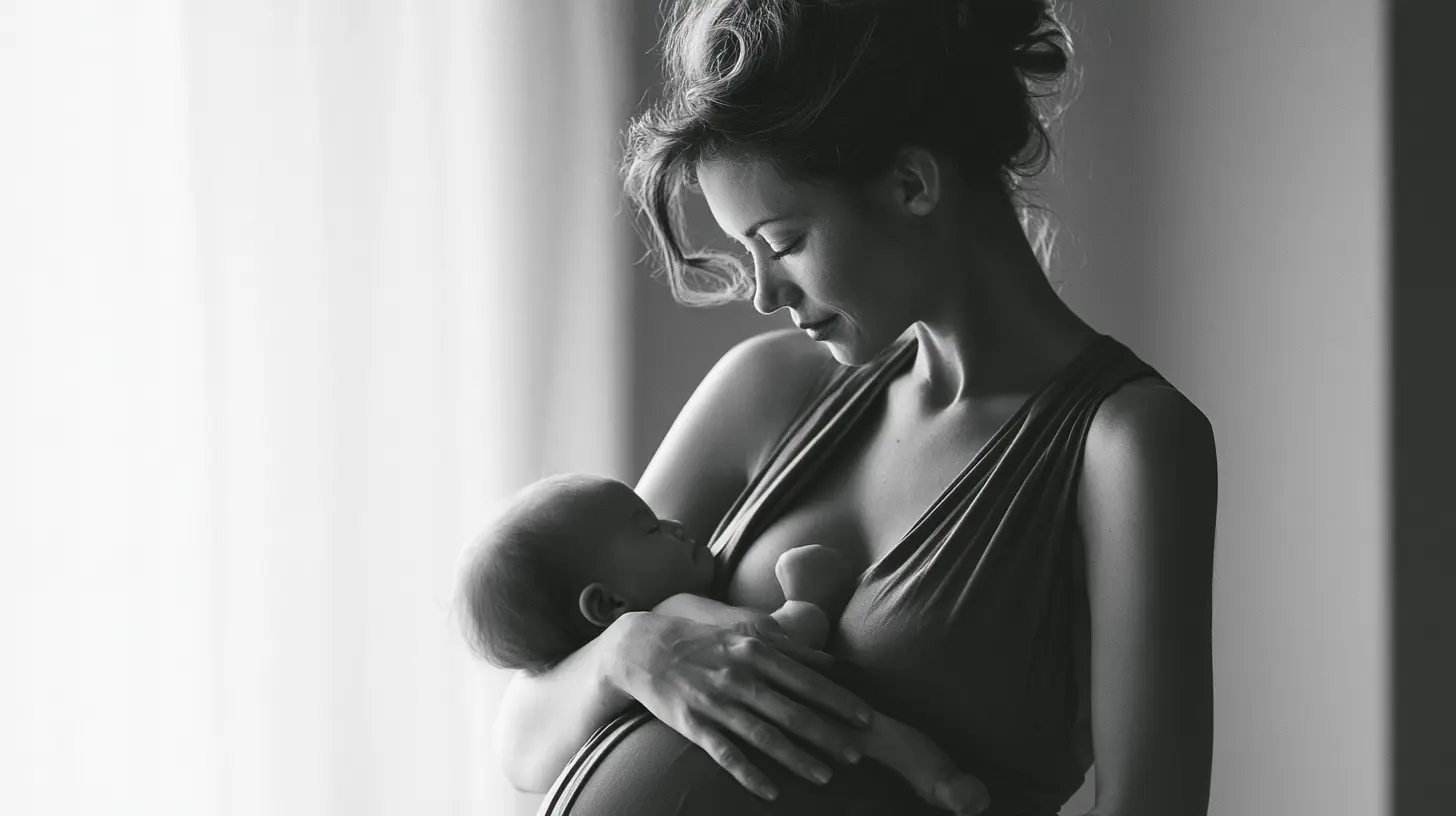
When to Be Cautious
While it’s generally safe, there are certain situations where breastfeeding during pregnancy might not be advisable. So let’s talk about those red flags.Look Out For:
- History Of Preterm Labor: If you've had preterm labor before, your doctor might suggest weaning.- Uterine Pain Or Cramping: This could signal that your body is overworked.
- Bleeding Or Spotting: Any bleeding during pregnancy should be checked out, especially if you're nursing.
- Carrying Multiples: Twins or more can put added strain on your body.
- Inadequate Weight Gain: If you’re struggling to maintain weight or nutrition, that’s a concern.
If any of these apply to you, have a thoughtful chat with your OB-GYN or midwife. It’s not about guilt or pressure—it’s about ensuring you and both of your babies are thriving.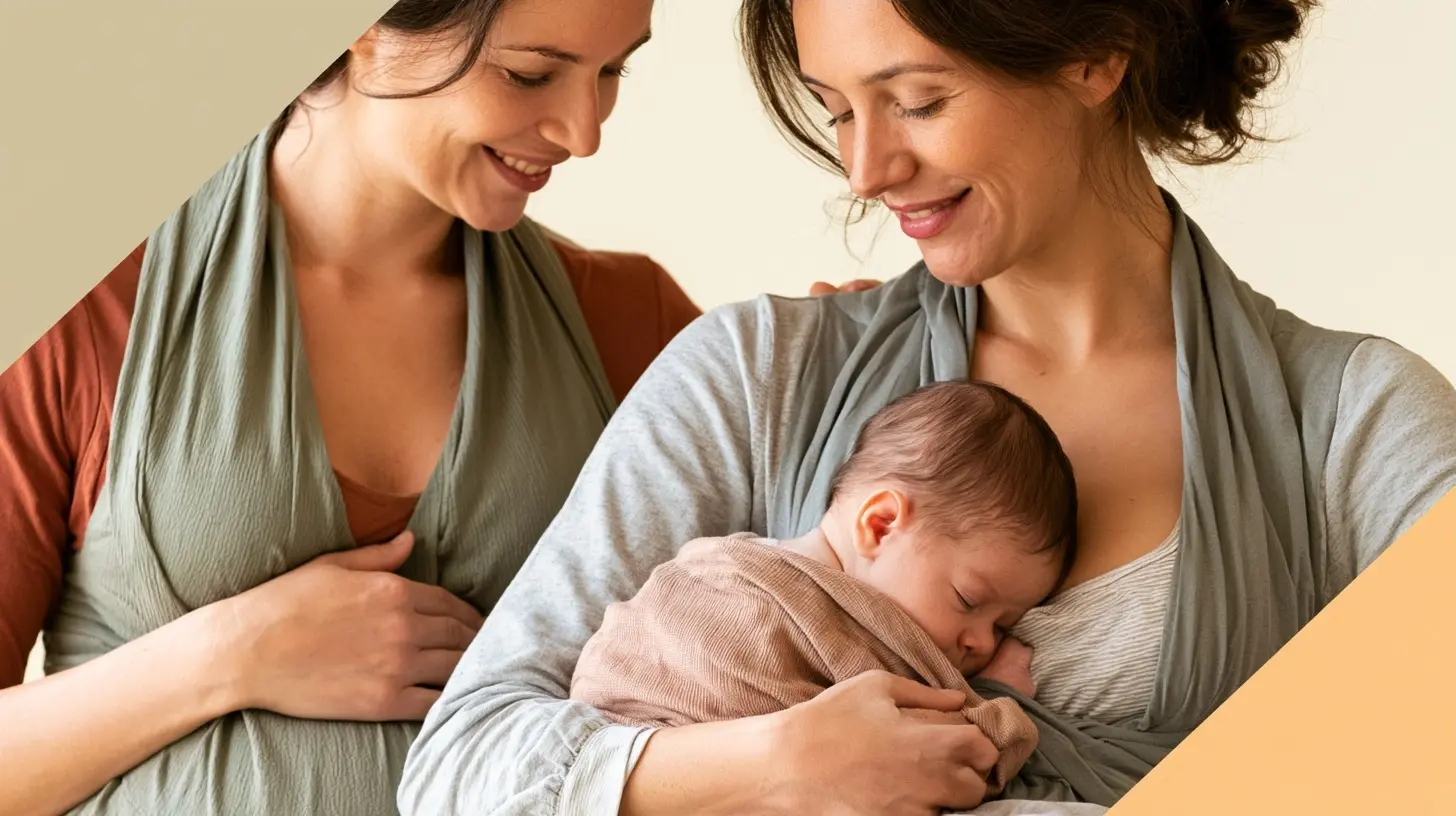
What About Nutrition? Feeding Two (or Three!)
Okay, here's the not-so-fun truth—breastfeeding while pregnant can be exhausting. You’re literally growing a human and nourishing another at the same time. Talk about superhero energy!Upping Your Caloric Intake
Your body needs extra fuel. You’re burning calories like crazy, so make sure you're eating enough—aiming for a balanced mix of protein, healthy fats, and complex carbs. Think avocado toast, oatmeal with nuts, and hearty soups. You don’t need to go overboard, but you do need to be intentional about nourishing yourself.A general guideline is to add:
- 300 extra calories per day for pregnancy.
- 500 additional calories if you’re still breastfeeding full-time.
That’s around 800 extra calories daily. But listen to your body—hunger cues are your built-in compass.
Don’t Forget the Fluids
Hydration is key. Breastfeeding and pregnancy both increase your water needs. Keep a water bottle nearby and sip throughout the day. Coconut water, herbal teas, and broths can also do the trick.
Breastfeeding During Pregnancy: What Changes To Expect
Nothing stays the same in motherhood, and that goes for your breastfeeding journey too.Decrease in Milk Supply
One of the first things you might notice is a drop in supply. As your pregnancy progresses—especially around the second trimester—your milk may start to dwindle. This is due to hormonal shifts, particularly the rise of estrogen and progesterone.Sometimes, your milk might even change into colostrum (yep, the stuff your newborn will need after birth). It has a different taste and texture, which some nursing toddlers don’t love. Don’t be surprised if your older child starts to self-wean during this time.
Sore Nipples (Ouch!)
Oof—pregnancy nipple soreness is real. Combine that with nursing, and it can be downright painful. Try adjusting your baby’s latch, use nipple creams, and explore different positions to reduce discomfort.Fatigue Like Never Before
Pregnancy fatigue + breastfeeding fatigue = next-level exhaustion. It’s okay to admit when you’re stretched thin. Don’t be afraid to rest, nap, or even consider night weaning if it's wearing you down.Tandem Nursing After Birth: Is It Possible?
Some moms decide to continue nursing their older child even after the new baby arrives. This is called tandem nursing. It’s a personal choice, and no—it doesn’t mean you’re “taking away” from the newborn.Your body adjusts its supply based on demand. If you go this route, feed the newborn first to ensure they get the nutrient-rich colostrum and early milk, then let your older one nurse after.
Tandem nursing can promote bonding and reduce sibling rivalry. But it’s also demanding. So again, check in with yourself—your wellbeing is just as important as anyone else's in this equation.
Emotional Aspects: The Heart Part of the Matter
Let’s talk feelings. Breastfeeding while pregnant isn’t just a physical journey—it’s an emotional one too. You might feel:- Guilty for nursing one while growing another.
- Touched out from the constant physical contact.
- Sentimental about your older child still being the “baby.”
- Anxious about your milk supply or ability to keep up.
These are all valid. You’re juggling two different phases of motherhood at the same time. It’s okay to cry, to feel unsure, or to change your mind.
Sometimes, the emotional toll can be heavier than the physical one. And that’s enough reason to wean if you need to. You're not failing—you’re pivoting, just like all good moms do.
Weaning During Pregnancy: How and When?
If you decide that weaning is the right choice, it helps to do it gently—especially if your child is still emotionally attached to nursing.Tips for Gentle Weaning
1. Drop One Feeding at a Time – Start with the session they’re least attached to (often midday).2. Distract & Redirect – Offer snacks, cuddles, or playtime instead.
3. Shorten Nursing Sessions – Gradually reduce the time spent at the breast.
4. Get Your Partner Involved – Let them take over bedtime or morning routines to help reinforce the change.
5. Be Patient – Weaning isn’t always linear. There may be setbacks, and that’s okay.
Weaning is a transition for both of you. Be loving, be clear, and most of all—be kind to yourself.
Final Thoughts: Follow Your Heart, Mama
So...can you breastfeed during pregnancy? Absolutely—if it feels right for you and your doctor gives the green light. But just because you can, doesn't mean you have to.You’re the captain of this ship. Whether you continue nursing, decide to wean, or even change your mind halfway through, your choices are valid. Trust your intuition, stay connected to your support system, and know that whatever path you take, you are doing an amazing job.
Every family is different. What matters most is that you're informed, supported, and confident in your decision. Whether you're tandem nursing, weaning gently, or navigating the emotional roller coaster of this season—you are not alone.
With love, support, and a whole lot of grace—you’ve got this.
all images in this post were generated using AI tools
Category:
BreastfeedingAuthor:

Austin Wilcox
Discussion
rate this article
1 comments
Nixie McCallum
Great tips for breastfeeding moms-to-be!
September 7, 2026 at 4:05 AM
Austin Wilcox
I'm glad you found the tips helpful! Best of luck on your journey.