Chores That Teach Problem-Solving Skills to Children
7 January 2026
Ah, chores—those magical tasks that turn our once carefree kids into responsible, functioning humans (at least, we hope). While most kids react to chores the way a cat reacts to bath time, there’s actually a method to this madness. Chores don’t just keep your house from looking like a post-apocalyptic wasteland; they also teach crucial life skills—especially problem-solving.
Yes, you heard that right! Some household chores act like stealthy little brain exercises, helping kids develop critical thinking without them even realizing it. It’s like sneaking vegetables into their mac and cheese—sneaky, effective, and totally worth it.
So, which chores make the cut? Let’s dive in!

1. Cooking and Meal Preparation
If you’ve ever watched a child try to cook, you know it’s equal parts impressive and terrifying. Will they follow the recipe or just wing it? Will they cook pasta before or after they put the sauce in? Cooking requires planning, measuring, timing, and adjusting—all key problem-solving skills.How It Builds Problem-Solving Skills:
- Following a recipe is like solving a puzzle.- Adjusting ingredients based on availability builds adaptability.
- Timing different components sharpens logical thinking.
- Fixing mistakes (like realizing salt and sugar are not interchangeable) teaches perseverance.
Encourage them to be creative! If they mess up, let them troubleshoot instead of swooping in to save the day. A little burnt toast never hurt anyone (well, unless we count taste buds).

2. Organizing Their Room
Ah, the legendary Battle of the Messy Room. Kids and clutter go together like peanut butter and jelly—except it’s mostly the peanut butter smeared on random places. Getting children to clean their rooms without a full-blown civil war is an achievement in itself.How It Builds Problem-Solving Skills:
- Figuring out where everything belongs requires categorization and logic.- Deciding what to keep, donate, or toss encourages decision-making.
- Finding creative storage solutions strengthens spatial reasoning.
Instead of just barking “Clean your room!” (which usually leads to them shoving everything under the bed), turn it into a challenge. Can they organize their closet in a way that makes it easier to pick outfits? Can they arrange their books in a way that looks cool and makes sense? You never know—they might even make it a habit!

3. Grocery Shopping
Bringing kids to the grocery store is usually an exercise in patience, as you spend half the trip saying “No, we’re not getting that” on repeat. But believe it or not, grocery shopping is a fantastic way to boost problem-solving skills.How It Builds Problem-Solving Skills:
- Comparing prices and looking for deals teaches budgeting.- Making a meal plan based on ingredients builds strategizing skills.
- Navigating the store efficiently improves spatial awareness.
Want to make it even more fun? Give them a budget and let them figure out how to buy everything they need without overspending. Who knew avoiding impulse buys was a life skill?
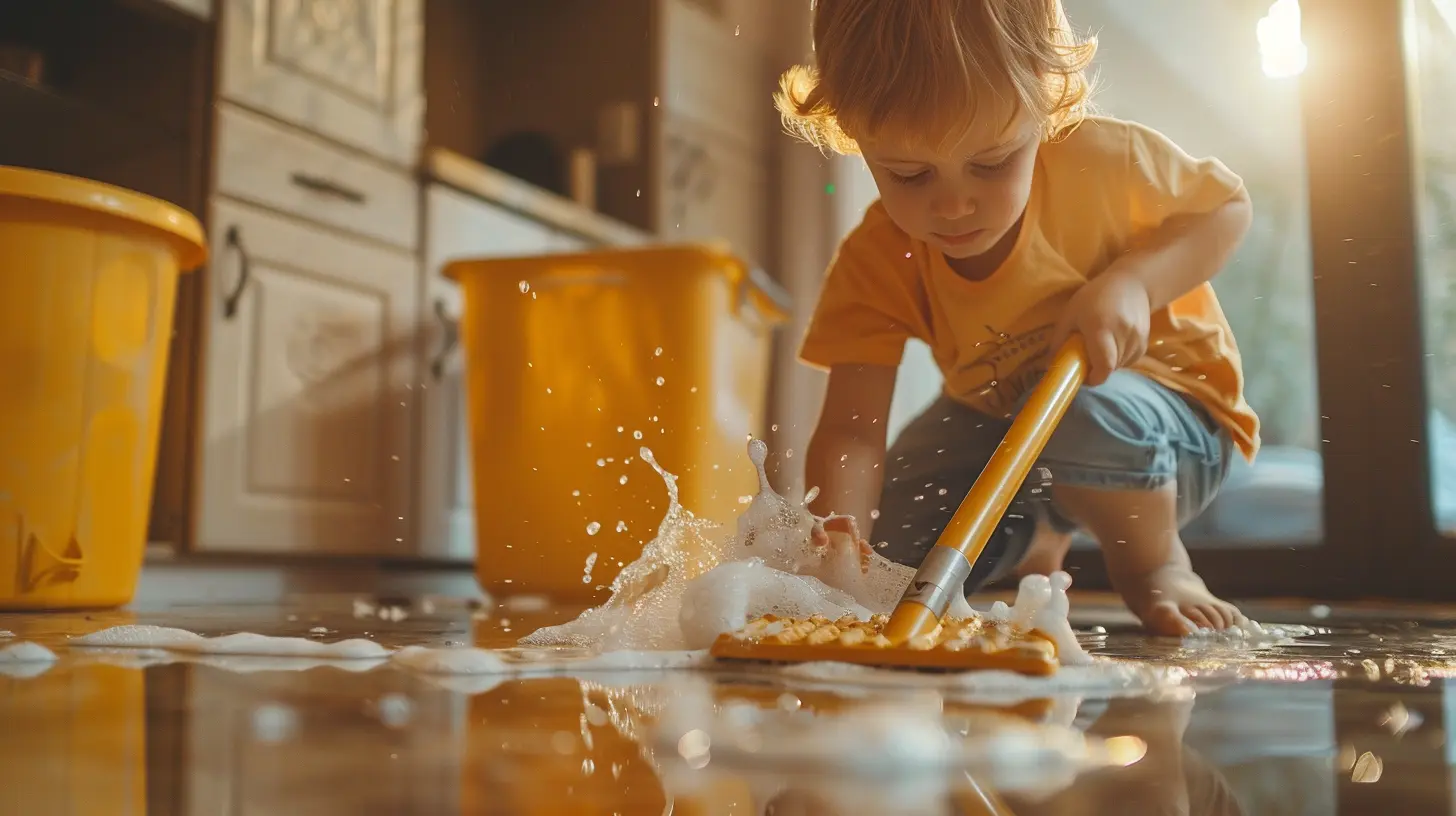
4. Doing Laundry
Laundry is a crash course in chemistry, physics, and patience. There are colors to sort, fabrics to separate, and a very real risk of turning all your white shirts into a lovely shade of oops.How It Builds Problem-Solving Skills:
- Sorting clothes by color and fabric enhances categorization.- Figuring out stain removal teaches scientific thinking.
- Determining how to fit everything in one load requires spatial reasoning.
If they forget to take wet clothes out of the washer and they start smelling like a swamp? Well, that’s a lesson in consequences and quick thinking.
5. Pet Care
Taking care of a pet is like having a furry, four-legged boss that doesn’t pay rent. Whether it’s feeding them, cleaning up after them, or making sure they don’t chew up the furniture, pet care requires responsibility and problem-solving.How It Builds Problem-Solving Skills:
- Remembering feeding schedules strengthens time management.- Understanding pet behaviors teaches empathy and observation skills.
- Finding solutions for pet-related mishaps (like when the dog decides to redecorate with toilet paper) encourages creative problem-solving.
Let kids take charge of small responsibilities and work through any issues that arise. If they forget to feed the fish and it stops swimming… well, life lessons come in many forms.
6. Yard Work and Gardening
Getting kids outside to do yard work might sound impossible, but once they’re out there, they often get into it (or, at the very least, accept their fate). Plus, gardening is science in action!How It Builds Problem-Solving Skills:
- Figuring out which plants grow best in certain conditions teaches research skills.- Dealing with pests or plant diseases strengthens critical thinking.
- Planning a garden layout enhances spatial and logical reasoning.
If their plants don’t grow as expected, let them figure out why. Maybe they overwatered, maybe they planted in the shade—either way, they’re learning as they go.
7. Fixing Things Around the House
When something breaks at home, kids instinctively either ignore it or hope someone else fixes it. But involving them in minor repairs teaches them that not every problem requires a call to a professional (or frantic YouTube searches).How It Builds Problem-Solving Skills:
- Figuring out how things work develops analytical skills.- Troubleshooting broken items encourages logical thinking.
- Using tools correctly sharpens fine motor skills and patience.
Next time a chair gets wobbly or a toy stops working, challenge them to find a solution before stepping in. After all, MacGyver had to start somewhere.
8. Budgeting an Allowance
Managing money is one of the most important problem-solving skills kids can develop. When they learn that blowing their entire allowance on candy means they have nothing left for that toy they wanted, they start making smarter choices.How It Builds Problem-Solving Skills:
- Setting priorities for spending and saving encourages critical thinking.- Understanding the value of money teaches decision-making.
- Learning the consequences of overspending reinforces real-world cause and effect.
Give them the freedom to make (small) financial mistakes. Better they learn from a $10 impulse buy than a $10,000 one later on!
9. Planning a Family Outing
Want to really stretch their problem-solving muscles? Task them with planning a family trip or day out. It could be as simple as a picnic or as big as a vacation. Either way, they’ll need to figure out logistics.How It Builds Problem-Solving Skills:
- Scheduling activities enhances time management.- Sticking to a budget improves financial literacy.
- Adjusting plans when things don’t go as expected teaches flexibility.
Will they forget something and have to improvise? Probably. But that’s all part of the learning process.
Final Thoughts
Chores aren’t just about making sure your house doesn’t look like a tornado hit it—they’re about teaching essential life skills, including problem-solving. Every task, from cooking to cleaning to handling money, equips kids with the ability to think critically, troubleshoot, and adapt.So next time your little one groans about doing chores, remind them: they’re not just scrubbing dishes, they’re sharpening their life skills. And if that doesn’t motivate them, well… there’s always bribery.
all images in this post were generated using AI tools
Category:
Chores For KidsAuthor:

Austin Wilcox
Discussion
rate this article
2 comments
Tate Kirkpatrick
This article highlights the importance of chores in developing problem-solving skills in children. By engaging in age-appropriate tasks, kids learn responsibility and critical thinking, preparing them for future challenges while fostering independence in a supportive environment.
February 13, 2026 at 3:40 AM
Austin Wilcox
Thank you for your insightful comment! I appreciate your recognition of how chores can foster essential problem-solving skills and independence in children.
Selina Jimenez
Thank you for this insightful article! I appreciate the emphasis on integrating problem-solving skills into everyday chores. It’s a fantastic reminder that even simple tasks can foster critical thinking and independence in our children. I look forward to trying these strategies with my family!
January 14, 2026 at 4:13 PM
Austin Wilcox
Thank you for your kind words! I'm glad you found the article helpful and I hope these strategies make a positive impact on your family's problem-solving skills!