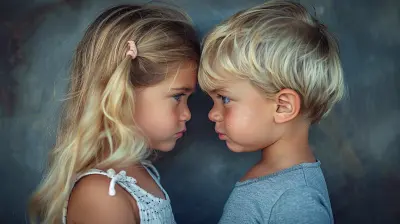
Dealing with Competition Between Siblings in School
15 June 2026
Do you remember your school days? For many, it was a roller coaster of big wins and tough losses. But imagine sharing that ride with your sibling. Growing up with a brother or sister in the same school can come with its advantages—like built-in support and endless carpool rides. But sometimes, it also brings an unwanted passenger: competition.
Whether it's about grades, sports, or popularity, sibling rivalry can sneak its way into the school environment, which can make an already-stressful place even more complicated. So, how can we, as parents, help our kids find their own paths without constantly measuring themselves against each other? This article will dive into the causes, effects, and, most importantly, the solutions to dealing with competition between siblings in school.
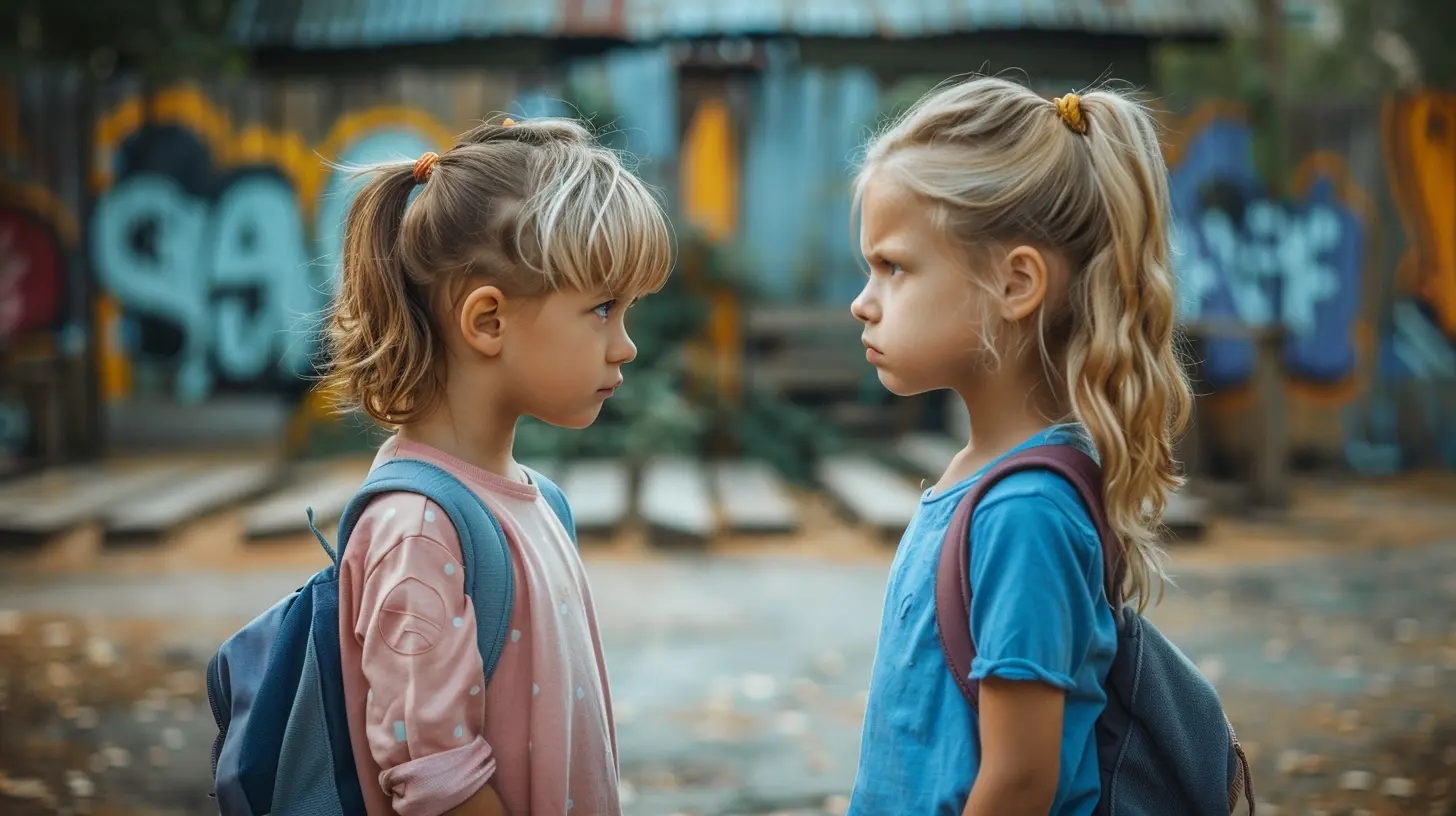
Understanding the Root Causes of Sibling Competition
First things first, why do siblings compete in the first place? Understanding the "why" can go a long way in finding the right solutions. Let’s face it—no matter how much love is between siblings, there’s almost always a sense of rivalry.1. Comparisons, Comparisons, Comparisons
One of the biggest culprits fueling sibling rivalry is the inevitable comparison. Whether it's teachers, parents, or even the kids themselves, it's easy to pit siblings against each other. If your eldest was a straight-A student, guess what? There’s this unspoken expectation that the younger sibling should follow suit. This pressure builds over time, making school not just a place to learn but also a battleground for approval.2. Craving for Attention
If you ever felt like your parents had a favorite when you were a kid, then you know how tempting it is to strive for attention. Children are highly perceptive, and sometimes they’ll go to great lengths to feel they have their "fair share" of parental attention. This attention-seeking often manifests itself as competition in an environment where achievements are easily measured—like school.3. Different Personalities and Strengths
Every child is unique, but school tends to measure everyone by the same yardstick—grades, athletic ability, artistic talent—all of which are easily compared. This disparity can intensify sibling competition, especially when one child excels in areas where the other struggles. If one sibling is a math whiz while the other excels in sports, they may feel the need to outdo each other in their respective fields to prove they are equally valuable.4. External Pressures
Sometimes the pressure doesn’t just come from home. External factors like teachers, friends, or even social media can amplify sibling rivalry. A shared social circle at school can make things even more complicated. If one sibling is more popular or recognized for achievements, it may inadvertently turn into a game of "keeping up."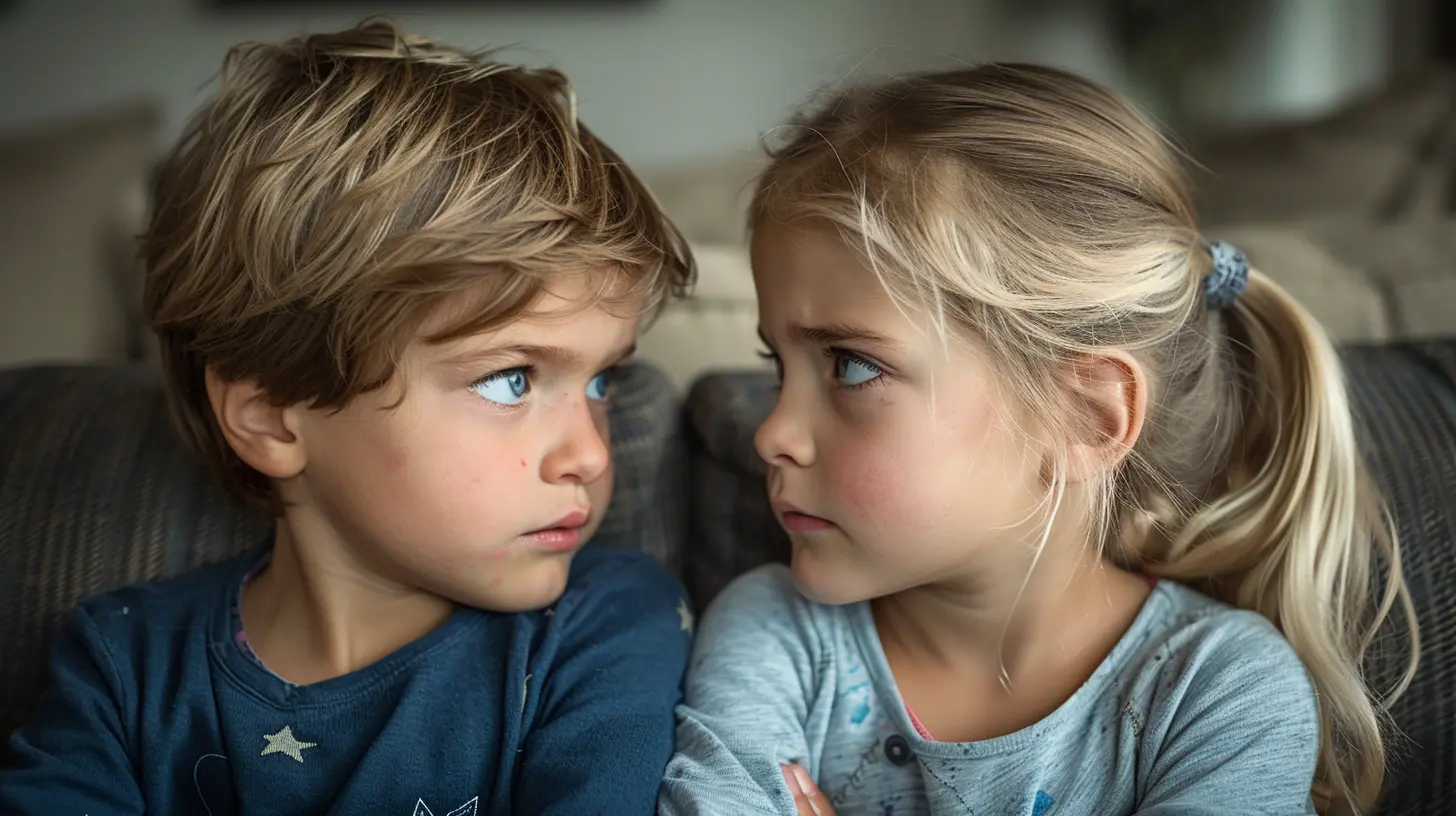
How Competition Affects Sibling Relationships
Sibling competition can have deep emotional impacts on both children involved. While some level of rivalry is natural, allowing it to fester unchecked can harm not only their relationship but also their self-esteem and overall happiness.1. Strained Relationships
When siblings are constantly pitted against each other—whether intentionally or unintentionally—it can put a strain on their bond. Instead of being cheerleaders for one another, siblings may start seeing each other as rivals. Even worse, deep-seated resentment can develop, lasting long after their school days are over.2. Self-Esteem Issues
If one sibling is consistently "losing" the competition—whether because of grades, sports, or social standing—it can lead to feelings of inadequacy. This, in turn, can damage their self-esteem. They may start to believe they’re not as "smart," "talented," or "likeable" as their sibling, which can result in long-term self-worth issues.3. Constant Anxiety
Let’s not sugarcoat it—competition creates stress. If a child constantly feels like they have to outperform their sibling to gain approval, they’re going to feel that pressure daily. Imagine going to school every day with the overwhelming thought that your worth depends on how you perform compared to your sibling. It’s enough to give anyone serious anxiety.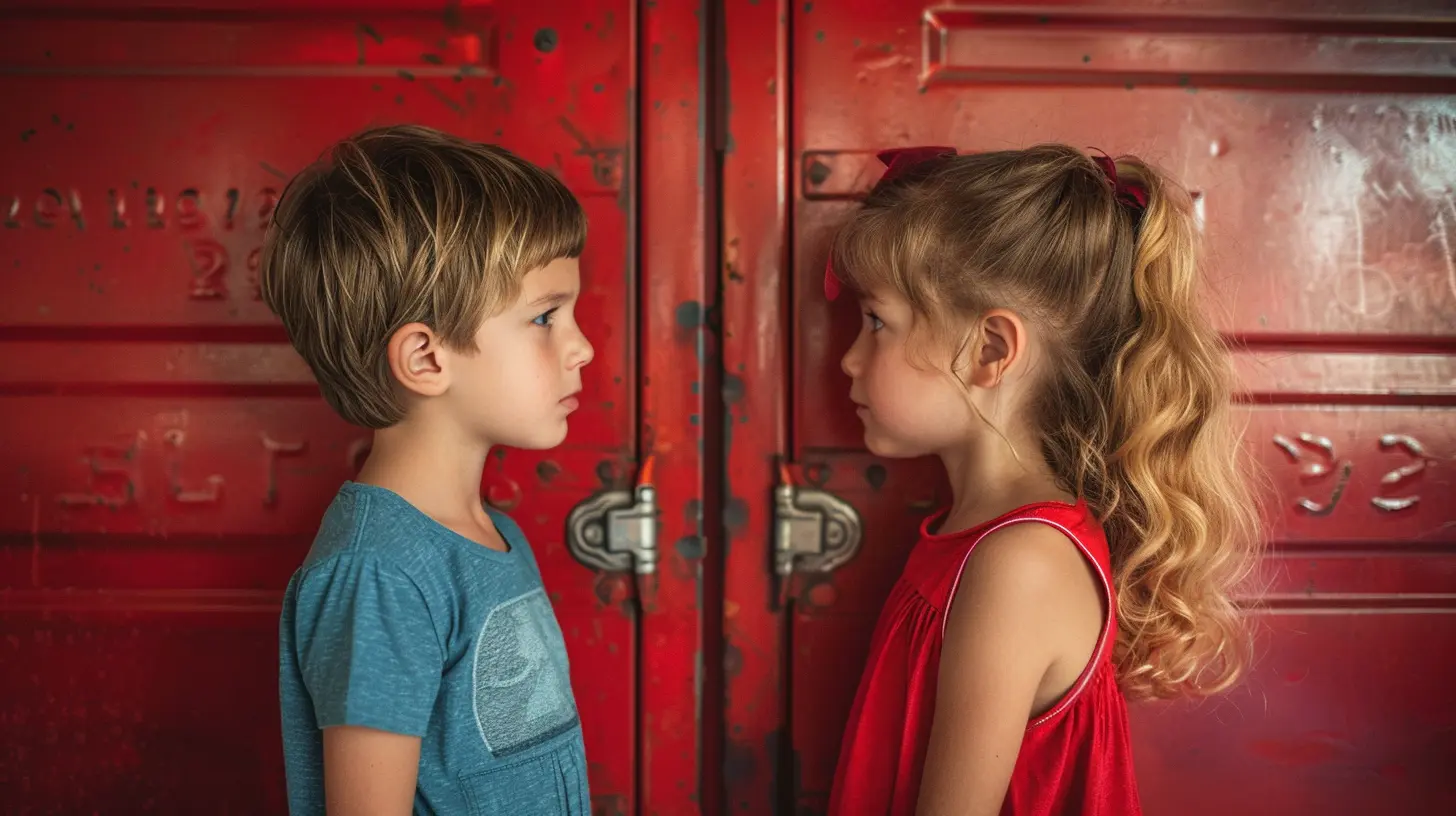
Practical Tips for Reducing Sibling Competition in School
Okay, so we’ve broken down why competition happens and what effects it can have. Now, let’s talk solutions. While you can’t eliminate all rivalry, you can certainly reduce its intensity.1. Encourage Individuality
One of the best ways to help your kids avoid comparing themselves to each other is by encouraging them to embrace their unique strengths. Every child has something they’re good at. Maybe one kid is a natural at sports, while the other can ace art class in their sleep. Celebrate those differences!Make a point to highlight each child's individual achievements, and avoid lumping them together. If your child excels in an area, make sure they know you're proud of them—not compared to anyone else but for their own hard work and passion.
2. Avoid Comparisons at Home
We know, you’ve probably heard this one before, but it bears repeating. Avoid phrases like "Why can’t you be more like your brother/sister?" or "Your sister does this better." These kinds of comments breed resentment and foster competition. Remember, your kids are different people. While it’s tempting to compare, it’s essential to treat them as individuals.Instead, focus on personal growth rather than comparison. For example, compare their current performance to their past one: “Wow, you did much better on this math test than last time!” This helps them see their progress as independent of their sibling's achievements.
3. Set Individual Goals
It’s easy for kids to fall into the trap of comparing results—"She got an A, I got a B, so I’m worse." One way to avoid this is by setting individual academic and extracurricular goals. Differentiate targets based on each child’s interests and abilities. If one child is more musically inclined, perhaps the goal is to master a new instrument. For another, it might be leading their sports team to victory.By having their unique goals, your children will focus more on personal milestones rather than trying to outdo each other over the same benchmarks.
4. Foster Teamwork
Encourage activities that require your children to work together instead of against each other. You know the saying, "Teamwork makes the dream work"? Apply that at home! This could be helping around the house, working on joint projects, or even playing cooperative games. By fostering teamwork, they’ll end up seeing themselves as allies rather than competitors.Consider enrolling your kids in activities where cooperation is essential—certain sports, drama clubs, or even home-based activities like sibling chore partnerships. When they succeed as a team, they’ll feel less pressure to compete individually.
5. Teach Emotional Intelligence
Kids need to understand their own feelings and learn to express them in a healthy way. This could help immensely when they start feeling jealous or down about a sibling's success. Teaching emotional intelligence helps them process complex feelings rather than letting them internalize resentment.Engage in regular conversations with your kids about how they feel, especially during times of sibling tension. Let them know it’s okay to feel jealous or upset but that the key is in how they handle these emotions. Encourage open dialogue between siblings so they can better understand one another’s feelings as well.
6. Create One-on-One Time with Each Child
Sibling rivalry often stems from the need for attention. Set aside individual time with each child to show them they’re valued for who they are, not how they compare to a sibling. This could be as simple as a solo trip to the park or a movie night.When kids feel secure in their relationship with you, they’re less likely to feel the need to outshine each other to gain your attention. One-on-one time can reassure them that they each have a special place in your heart.
7. Involve Teachers
Sometimes sibling competition can extend far beyond the walls of your home, making its way into the classroom. If rivalry is affecting their schoolwork or social life, consider involving their teachers. Teachers can help by ensuring that siblings aren’t constantly compared in class and can create a positive environment where each child is celebrated for their own talents.Talking with teachers can also give you more insight into areas where the rivalry might be more intense, and you can work together on strategies to mitigate it.
Conclusion
Sibling rivalry in school is a common challenge, but it's manageable with the right strategies. By fostering individuality, avoiding comparisons, encouraging teamwork, and supporting each child’s unique talents, you can help your kids navigate school without unnecessary tension. Remember, the goal isn't to eliminate competition entirely—healthy competition can drive growth—but to make sure it doesn’t harm their relationship or well-being.Ultimately, as a parent, your role is to guide them toward valuing themselves and each other, which will serve them far beyond their school years.
all images in this post were generated using AI tools
Category:
Sibling JealousyAuthor:

Austin Wilcox
Discussion
rate this article
1 comments
Pierce McCabe
Sibling rivalry can be tough, especially in a school setting. It's important to encourage each child's individual strengths while fostering teamwork. Open communication is key; let them express feelings and share experiences. Remind them that collaboration can lead to growth, helping them support each other instead of competing.
July 11, 2026 at 2:35 PM
Austin Wilcox
Absolutely. Recognizing each child's unique strengths while promoting teamwork can really change the dynamic. Open dialogue helps them understand that they can grow together rather than just compete.