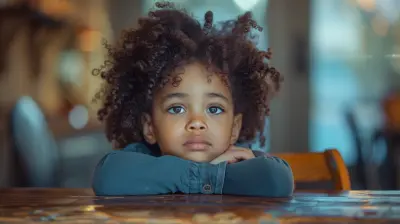
Dealing with Sibling Jealousy in Blended Families
17 July 2026
Blending a family is kind of like making a smoothie—some days, it's sweet and smooth, and other days, it’s a chunky mess no one wants to taste. One of the biggest hurdles that pops up in this blended journey? Sibling jealousy. It can sneak in like an unwanted guest and throw shade on the happiest moments. Whether it's over attention, new family rules, or different parenting styles, jealousy among siblings in blended families is super common. But here’s the good news—it’s also manageable.
Let’s dive into why it happens, what it looks like, and how you (yes, you!) can help smooth those rough edges and build stronger family bonds.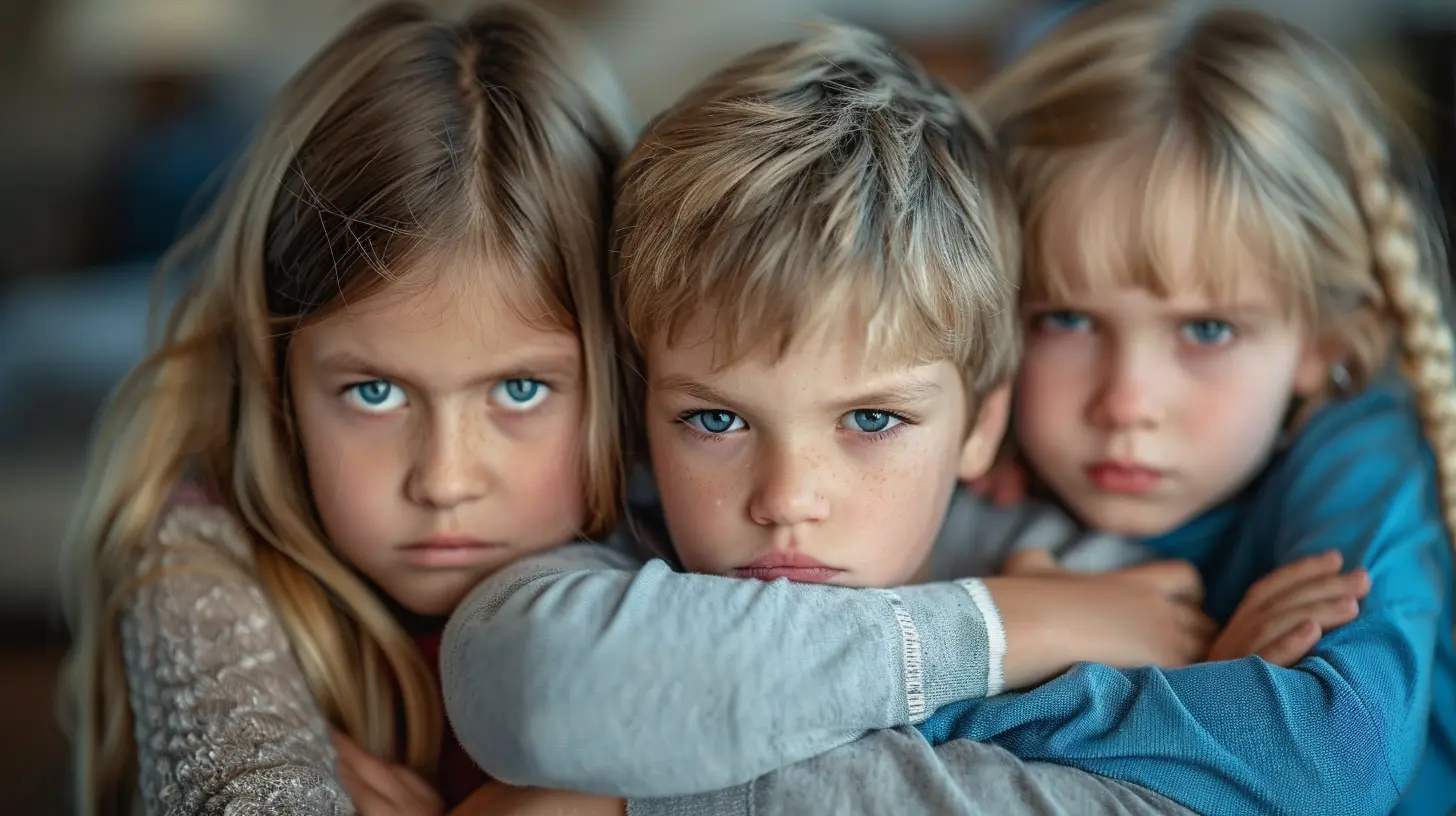
What Causes Sibling Jealousy in Blended Families?
Before we tackle the solutions, we’ve got to understand what’s cooking behind the scenes. Think about it—kids are already adjusting to big changes: new stepparents, step-siblings, and maybe even a new home. The world they knew has shifted, and they’re trying to find their place in a new family dynamic.Here are a few common triggers:
? Competing for Attention
Kids want your attention. All of it. Like, even when you're in the bathroom. When they feel like a new sibling (or step-sibling) is getting more hugs, laughs, or screen time with you, jealousy can flare up.???? Fear of Losing Their Parent
For biological kids, a new partner and their children might feel like an invasion. They may worry that their bond with mom or dad is threatened. It sounds dramatic, but to a child, it’s a big emotional deal.?♂️ Differences in Parenting Styles
In some cases, one set of kids may have more rules, or fewer chores, depending on the parenting background. This can lead to the dreaded, “That’s not fair!” cry echoing through your hallway.? Clashing Personalities
Let’s be real—not all kids naturally get along. When personalities are different, tempers can flare. Add in jealousy, and it’s a recipe for daily drama.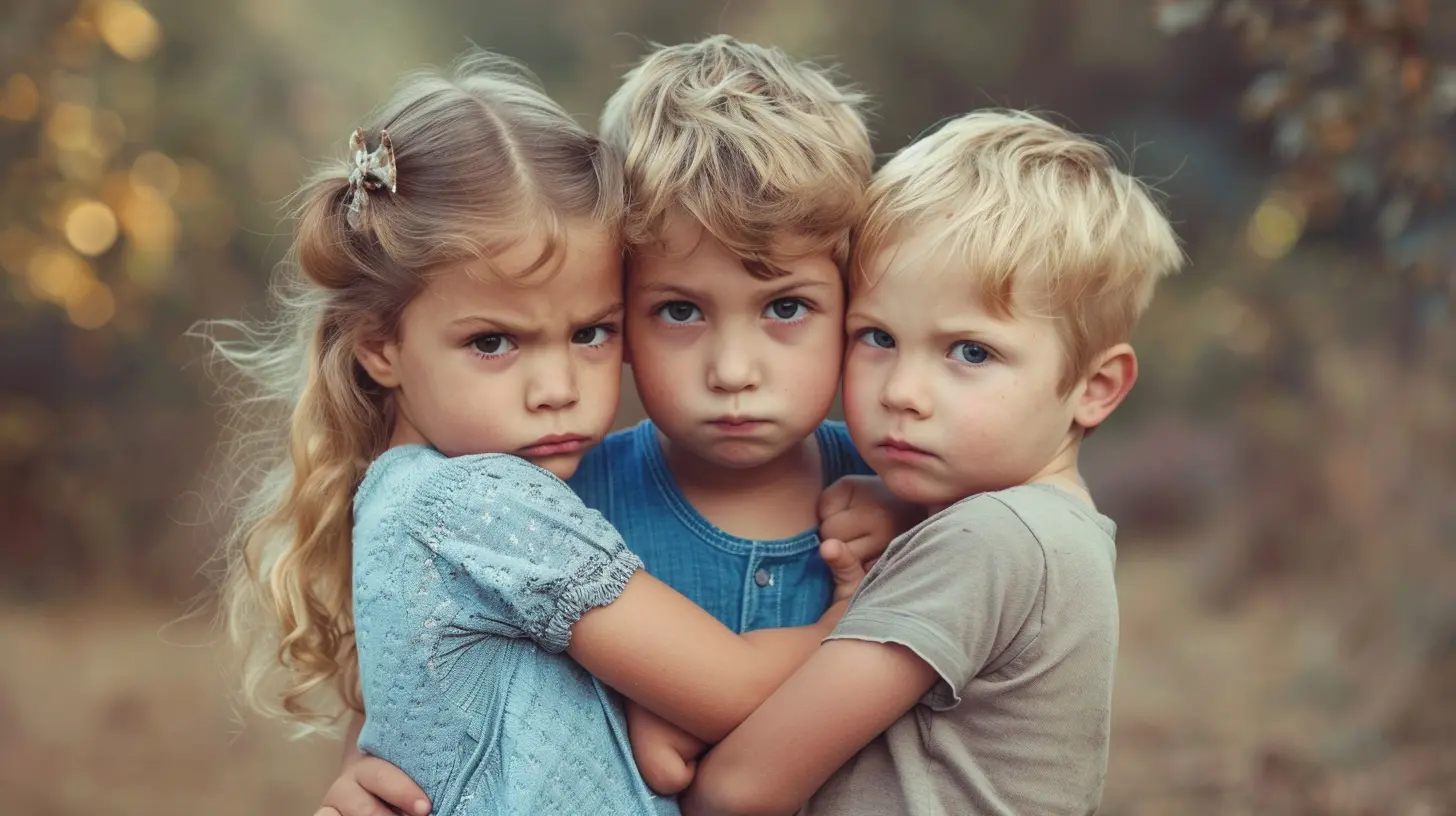
Recognizing the Signs of Sibling Jealousy
Sometimes jealousy isn’t as obvious as a kid yelling, “You love them more than me!” (although, yes, that happens too). It may show up in more subtle ways.Look out for:
- ? Avoiding or isolating from step-siblings
- ? Eye-rolling, sarcasm, or passive-aggressive behavior
- ? Frequent fights or arguments
- ? Increased clinginess or sudden mood swings
- ? Refusing to participate in family activities
- ? Regression (a normally confident child becoming overly insecure)
If you’re seeing any of these, don’t panic. These are signs your child is trying to express big emotions the only way they know how. Your job? Help them name it, tame it, and work through it.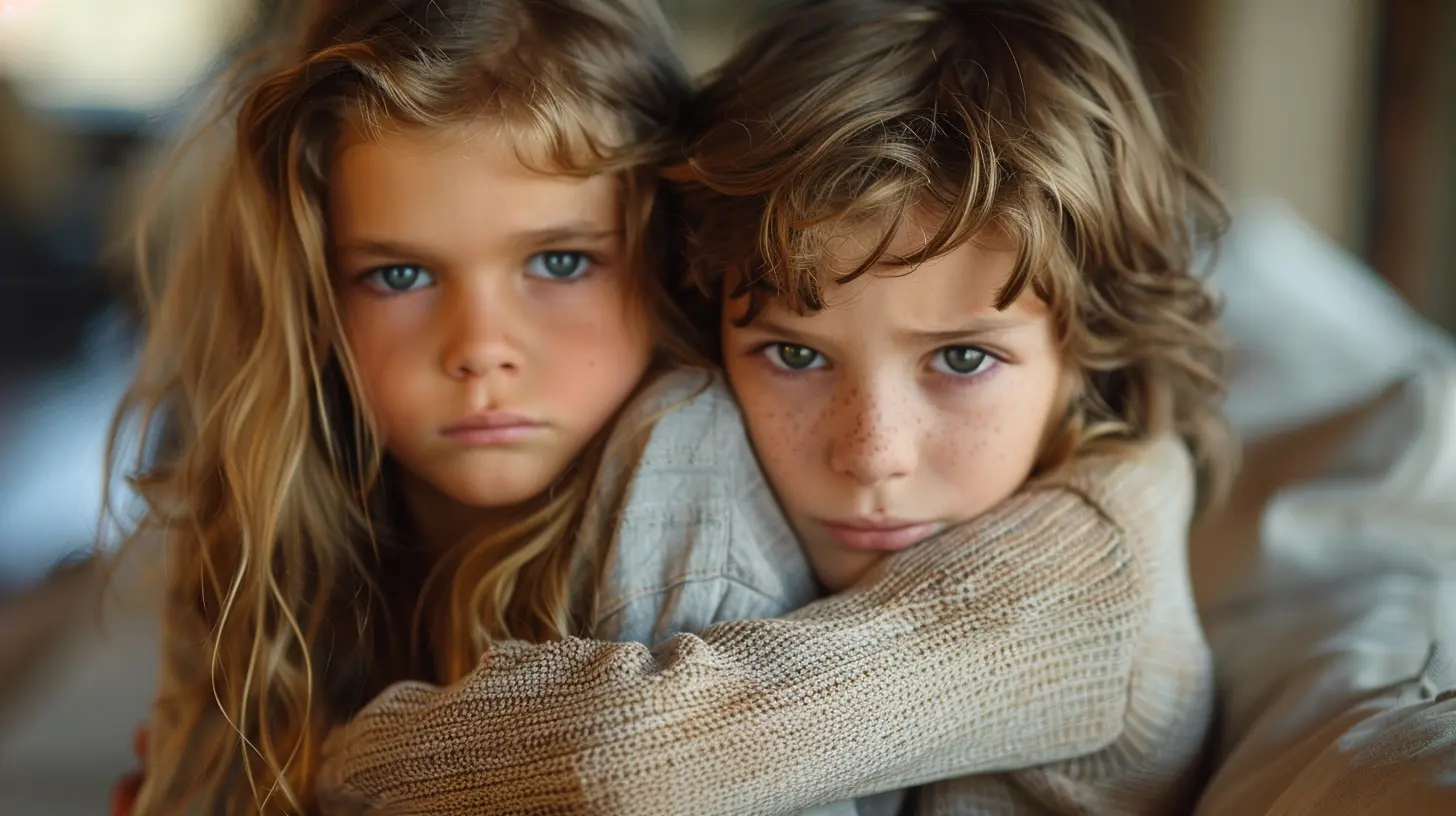
15 Heartfelt Ways to Help Kids Cope with Sibling Jealousy
Now, let’s get to the good stuff. Here are tried-and-true, heart-centered tips for helping your kids navigate sibling jealousy and come out stronger.1. Don’t Brush It Off
The worst thing we can do is say, “Oh, you’ll get used to it,” or “Stop being dramatic.” Even if it feels small to us, it’s huge to them. Validate your child’s feelings. Say things like:“It sounds like you’re feeling left out lately. That’s tough. Want to talk about it?”
2. One-on-One Time Is Golden
Nothing beats quality time. Make each child feel special by carving out solo moments, even if it’s just 15 minutes of undivided attention. Go for a walk, listen to their favorite song, or just snuggle and talk.3. Encourage Open Conversations
Create a safe space to talk about jealousy. Maybe during a family meeting or bedtime. Use age-appropriate language and ask gentle questions:“Has anything been bugging you lately about our family? It’s okay to say whatever is on your mind.”
4. Establish Fair—but Not Always Equal—Rules
Fair doesn’t always mean equal. A 16-year-old probably stays up later than a 7-year-old, and that’s okay. However, kids need to know what the rules are and that they apply consistently. Explain the “why” behind rules so kids understand the logic—not just the limits.5. Create New Family Traditions
Blended families are new families. So why not create new traditions together? Family game night, Sunday pancakes, or even silly secret handshakes can give kids a sense of unity and belonging.6. Let Them Set Boundaries
It’s okay if your child doesn’t want to share toys or room space right away. Encourage healthy boundaries and slowly build trust, instead of forcing closeness. Respect their feelings—cozy bonds take time to grow.7. Don’t Play the Comparison Game
Ever say something like, “Why can’t you be more like your stepbrother?” Yeah, don’t do that. Comparing siblings only fuels resentment. Celebrate each child’s unique personality instead.8. Model Empathy and Patience
Your kids are watching how you handle stress, arguments, and change. Show them what it looks like to pause, listen, apologize, and care—even when it’s hard.9. Let Them Problem-Solve
Kids are smarter than we think. If there’s a consistent issue (like who gets the front seat), ask them to come up with a solution. You’d be surprised how creative and cooperative they can be when given the chance.10. Celebrate Small Wins
Did they share a toy? Sit through dinner without bickering? High five that! Make a big deal out of even the smallest peace treaties. Positive reinforcement goes a long way.11. Use Affirmations and Encouragement
Words matter. Tell each child often:“You are loved.”
“I’m proud of you.”
“You’re such an important part of this family.”
Don’t wait for them to “earn” it. Just say it.
12. Tell Your Family’s Story Honestly
Kids need to know their family’s journey didn’t start perfect. Be real about the transitions and tell your blended family story with honesty and hope.13. Seek Help When Needed
Sometimes, a family therapist or counselor can work wonders, providing a neutral space for kids to talk and grow. Don’t hesitate to ask for outside support—it’s not a sign of failure, it’s a sign of strength.14. Keep the Lines Open with Exes
If co-parenting with ex-partners is part of your reality, try to stay on friendly (or at least respectful) terms. Kids pick up on tension, and it can fuel jealousy and insecurity.15. Be Patient—Really, Really Patient
Rome wasn’t built in a day, and neither are strong sibling relationships. Expect setbacks and rollercoaster emotions. Keep showing up with love, humor, and grace.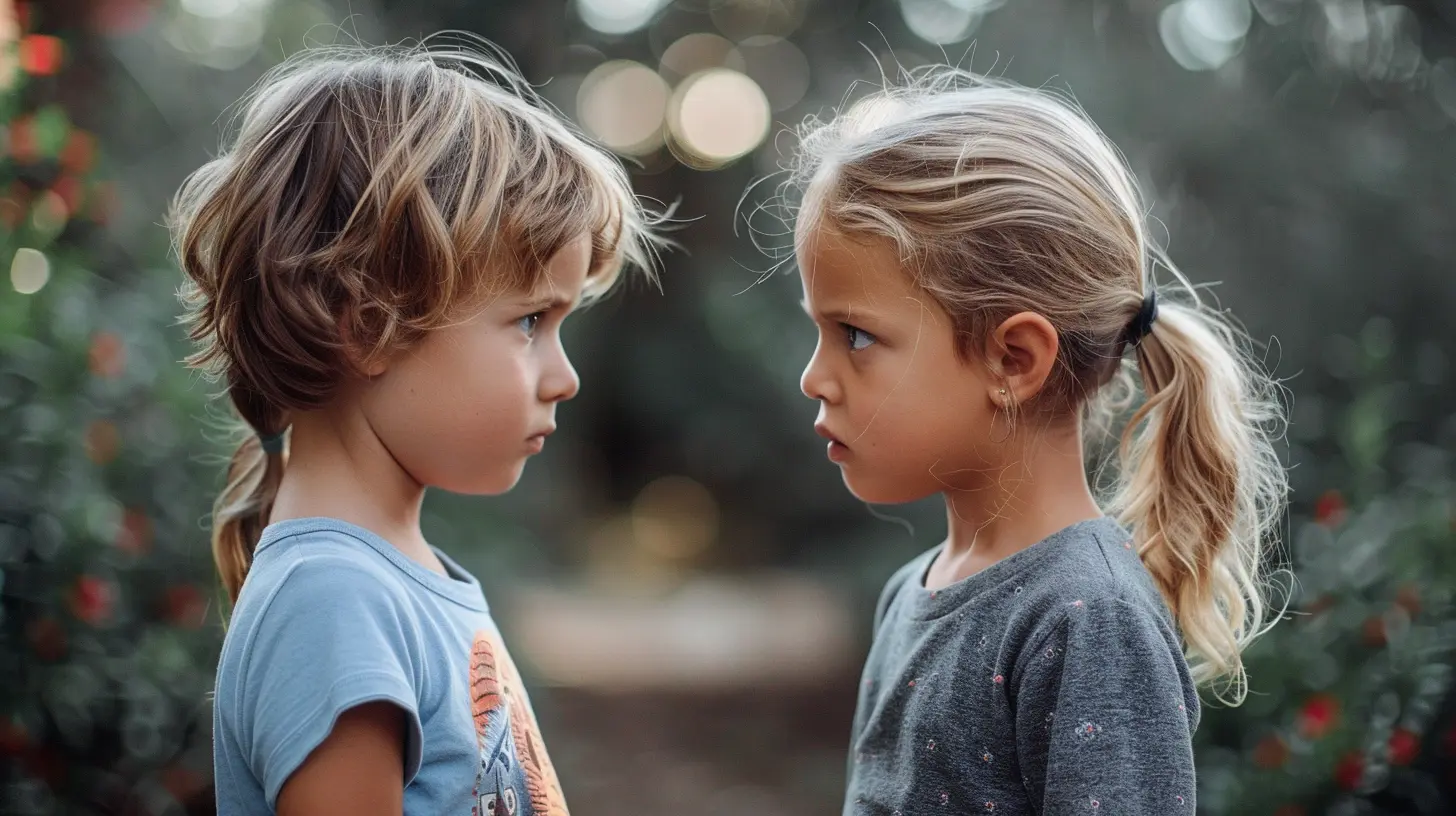
Real Talk: The Light at the End of the Tunnel
Let’s not sugarcoat it—blending families is hard work. There will be tears, slammed doors, and maybe even a flying stuffed animal or two. But over time, with patience and intention, what starts with sibling rivalry can transform into true sibling connection.The truth is, jealousy isn’t the enemy. It's a signal—a blinking dashboard light—that something needs more attention, more love, or more understanding.
You’re doing the work. You’re reading this. That already makes you one rockstar parent. You’ve got this!
Tips for Navigating Different Age Gaps
Sibling jealousy can look very different depending on the kids' ages. Here’s how to tweak your approach based on age:? Younger Kids (Under 8)
- Stick to routines.- Use storybooks to explain emotions.
- Give lots of snuggles and reassurance.
? Tweens and Teens
- Encourage journal writing or private venting space.- Involve them in decisions—like decorating shared spaces.
- Respect their need for independence while still including them.
Final Thoughts
Blending families is a journey, and sibling jealousy is just one of the bumps along the way. But with open eyes, open hearts, and a few clever parenting tricks, you can turn jealousy into connection and chaos into closeness.Remember, every family has its unique flavor—and that’s what makes yours special.
And honestly? It will get easier. Pinky promise.
all images in this post were generated using AI tools
Category:
Sibling JealousyAuthor:

Austin Wilcox
Discussion
rate this article
1 comments
Nicole Jimenez
Understanding each child's feelings and fostering open communication can transform sibling rivalry into lasting bonds and support.
July 23, 2026 at 2:38 AM