Deep Breathing Exercises for Kids Struggling With Anxiety
30 March 2026
Let’s be real — childhood isn’t all playdates and peanut butter sandwiches. Kids today are juggling more anxiety than ever before. Whether it's school stress, a bully on the playground, or just the overwhelming noise of daily life, our little humans are feeling the pressure.
So, what can we do? Pop a mindfulness app on their iPad and hope for the best? Nah. Let’s hand them a tool that’s always with them — their breath. Yep, deep breathing exercises can be total game-changers when it comes to calming anxious little minds.
Now, before you roll your eyes, thinking this is some woo-woo nonsense — hear me out. Deep breathing is one of the fastest, easiest ways to shift out of fight-or-flight mode and into chill-out central. And best part? It’s free, doesn’t need batteries, and works in less time than it takes to microwave chicken nuggets.
So buckle up, mama (or papa), we're diving deep into deep breathing exercises that are not only effective but also kinda fun!
Why Are Kids So Anxious Anyway?
Okay, let’s call it what it is — being a kid today is kind of intense. There’s pressure to do well in school, fit in socially, keep up with extracurriculars, and oh yeah, navigate a world that doesn’t exactly scream “peaceful.” Plus, many kids are still processing things they can’t even put into words.Kids may not always say they’re “anxious,” but they show it — maybe through stomach aches, tantrums, nail-biting, or straight-up refusing to go to school. Their little nervous systems are waving red flags and screaming, “SOS!”
This is where deep breathing comes to the rescue like a superhero in yoga pants.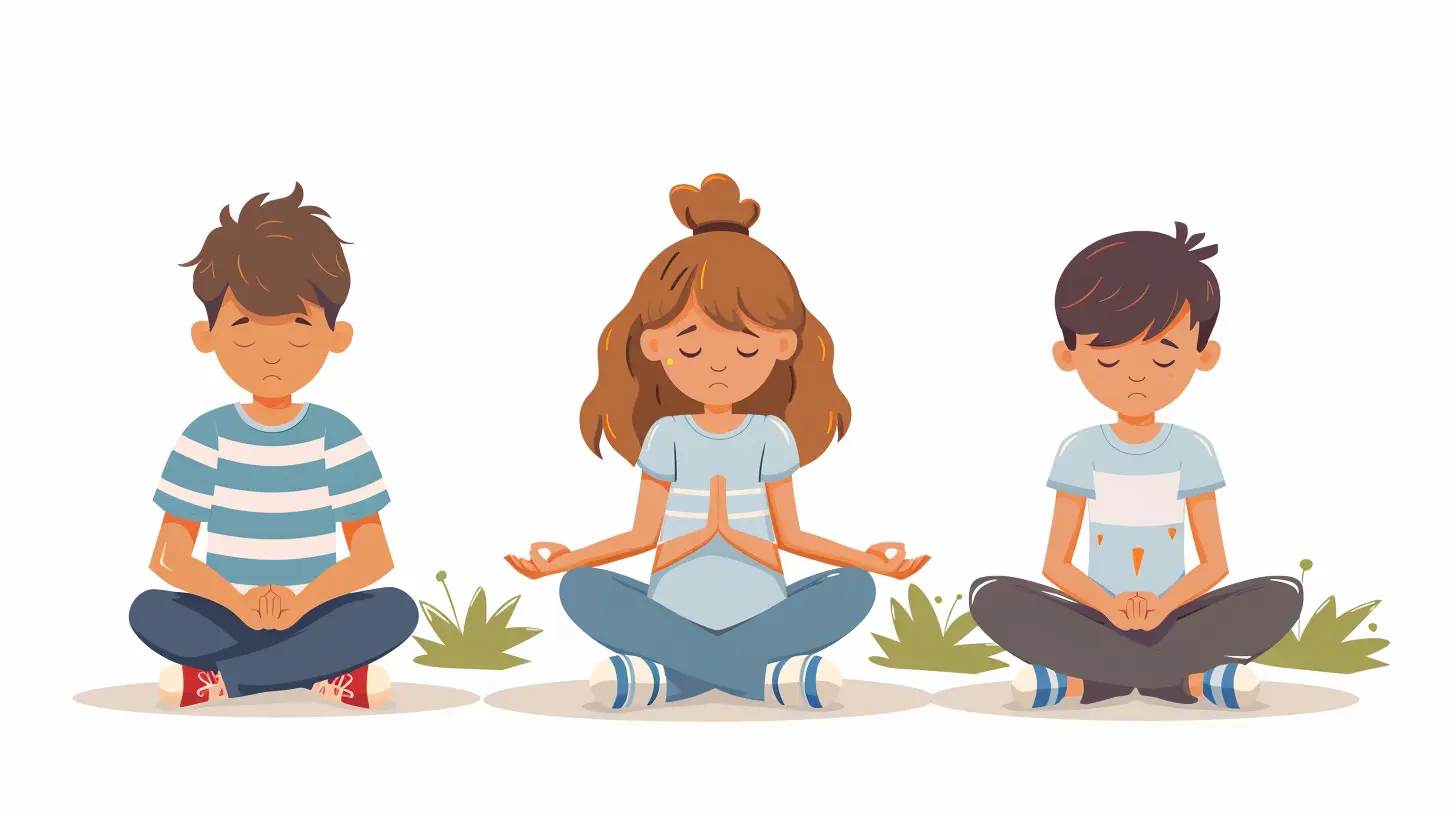
How Does Deep Breathing Actually Help?
Alright, here's the science (sprinkled with sass). When we get anxious, the body starts sounding the alarm: “Something’s not right! WE’RE UNDER ATTACK!” Heart races, breathing gets shallow, and the body prepares to fight or flee.Deep breathing flips that panic switch OFF. It tells the brain, “Hey, we’re safe. Chill out.” And the body listens. It slows the heart rate, lowers blood pressure, and helps regain emotional control.
For kids, this can mean the difference between a full-on meltdown and a moment of peace.
Getting Kids to Buy Into Breathing (Without Eye Rolls)
Now listen — telling a 6-year-old to “take a deep breath” when they’re spiraling is like offering salad at a birthday party. It’s not exactly welcome.So, how do you get kids on board? You turn breathing into a game. Make it sensory. Make it silly. Make it magical. Deep breathing doesn’t need to be serious; it just needs to work.
Let’s look at some simple, playful breathing exercises that even the most high-energy, eye-rolling kid can get into.
1. 🎂 Candle Breathing (aka Birthday Breath)
How to do it:- Tell your kid to imagine a big, beautiful birthday cake.
- They’ve got to blow out all the candles… but sloooowly.
- Take a deep breath in through the nose, then slowly blow out through the mouth like they’re gently blowing out candles — not spitting all over the cake!
Why it works: It’s visual, it’s familiar, and it's fun. Plus, the extended exhale calms the nervous system like a lullaby.
2. 🐻 Bear Breathing
How to do it:- Inhale for a count of 4… hold for 4… exhale for 4… wait for 4.
- Repeat this square breathing pattern a few times.
Why it works: It introduces rhythm and structure, which anxious brains love. It’s also slow and grounding, like a bear getting ready to hibernate.
3. 🦋 Belly Breathing with a Buddy
How to do it:- Have your child lie on their back.
- Place a stuffed animal on their belly.
- As they breathe in and out, watch the stuffed animal rise and fall.
Why it works: It makes the invisible visible. Watching the plushy move helps kids connect with their breath and stay engaged.
Bonus tip: If you join them with your own stuffed animal, you get bonding time and calm vibes too.
4. 🌸 Flower + Candle Breath
How to do it:- Pretend you're holding a flower in one hand and a candle in the other.
- Smell the flower (inhale through the nose).
- Blow out the candle (exhale through the mouth).
Why it works: Kids like pretending. It adds a narrative and a purpose to breathing, which makes it stick.
5. 🐍 Snake Breathing
How to do it:- Inhale slowly through the nose.
- Exhale with a long, hissing “ssssss” sound, like a snake.
Why it works: The sound gives them something to focus on. Plus, it’s surprisingly satisfying to hiss like a little cobra.
6. 🕊 Balloon Breathing
How to do it:- Inhale deeply through the nose.
- Puff out the cheeks like a balloon.
- Slowly release the air through the mouth as the “balloon” deflates.
Why it works: Fun visuals and facial involvement make it more engaging for tactile learners.
When to Use These Breathing Exercises
Don’t wait until your kid’s already throwing Legos across the room. Practice these exercises when everyone’s calm. Making them a regular part of your routine gives kids the tools before things hit the fan.Try:
- Before school
- After a tantrum (or preferably before)
- At bedtime
- During homework
- Whenever you're both bored waiting in line somewhere
The more familiar breathing becomes, the more likely they are to use it when it really counts.
Let's Talk About You, Parent Extraordinaire
You’re reading all this because you care about your kid — that’s brave and beautiful. But here’s something you need to hear: You need to breathe, too.Yep, modeling calm behavior isn’t just "nice" — it’s powerful. When your child sees you slow down and breathe in tense situations, it shows them how to self-regulate. You become their real-life breathing coach.
So next tantrum? Before you grab the remote and hide in the pantry eating cookies (no judgment), try doing a breathing exercise together. It might just save your sanity.
Make It a Game, Not a Chore
Kids hate lectures. But games? Oh, they’re all in. Turn breathing into a challenge:- Who can make the stuffed animal rise the highest?
- Who can hiss the longest snake sound?
- Can we breathe together during a whole song?
Add stickers, charts, high-fives, whatever works. Reinforce the behavior without nagging. This isn’t homework — it’s life skills ninja training.
What If My Kid Won’t Do It?
First off, that’s normal. Some kids will resist at first, especially if they’re skeptical or in high-alert mode.Tips:
- Don’t force it. Invite them gently.
- Offer choices: “Do you want to do snake breathing or flower-and-candle today?”
- Make it a family thing so they don’t feel singled out.
- Keep it short. Even 30 seconds counts!
- Celebrate effort, not perfection.
And hey, if all else fails — sneak it in with bedtime stories or while sitting in the car. Consistency is key.
For the Littles vs. The Bigs
Toddler tantrums → Try belly breathing with stuffed animals or candle breathing.Elementary-school worriers → Bear breathing, flower + candle, snake breath.
Tweens (yep, they need it too) → Square breathing with visuals or counting apps. Less "pretend," more logic.
Tailor your approach to age and personality. What works for a four-year-old might get a major side-eye from your moody 11-year-old. That’s okay. Flex and pivot.
The Big Takeaway
Deep breathing isn’t magic — but it feels pretty magical when it helps your anxious kid find their calm.These simple, playful techniques give kids control over their bodies and emotions in a world that often feels out of their hands. And as a parent, that’s a pretty empowering gift to give, don't ya think?
So next time your kid melts down over missing socks or the wrong color smoothie straw, don’t just throw your hands up. Try a deep breath — maybe even a snake hiss or two. The calm starts with you.
all images in this post were generated using AI tools
Category:
Dealing With AnxietyAuthor:
Austin Wilcox
Discussion
rate this article
2 comments
Izaak McCray
Thank you for this insightful article! It’s so important for parents to equip their kids with tools to manage anxiety. Deep breathing exercises can truly empower children, helping them find calm in challenging moments. Simple yet effective strategies like these make a world of difference!
April 4, 2026 at 2:39 PM
Austin Wilcox
Thank you for your thoughtful comment! I'm glad you found the article helpful—deep breathing really can make a big difference for kids.
Aisha Powell
This article is a wonderful resource for parents looking to support their kids through anxiety. Deep breathing exercises are such a simple yet powerful tool. Encouraging our children to practice mindfulness can foster resilience and emotional strength. Thank you for sharing these helpful techniques!
April 3, 2026 at 4:24 AM
Austin Wilcox
Thank you for your kind words! I'm glad you found the article helpful. Supporting our kids through anxiety is so important, and I'm happy to share these techniques!