Eco-Friendly Living in Parent Communities of 2027
2 September 2026
Parenting has always come with a mountain of stuff. By the time your kid turns three, you have owned at least four different car seats, a graveyard of sippy cups, and enough plastic toys to fill a small landfill. But the parent communities of 2027 are different. They are not just comparing sleep schedules and snack ideas anymore. They are comparing carbon footprints, diaper decomposition rates, and the energy efficiency of their secondhand strollers.
The shift is not about being perfect. It is about being practical. The parents who are doing this well are not the ones who live in tiny houses and knit their own wool diapers. They are ordinary families who figured out that sharing, repairing, and buying smarter saves money, time, and a little bit of the planet for their kids to inherit. This article is about how those communities actually work, what mistakes to avoid, and how you can join without turning your life upside down.
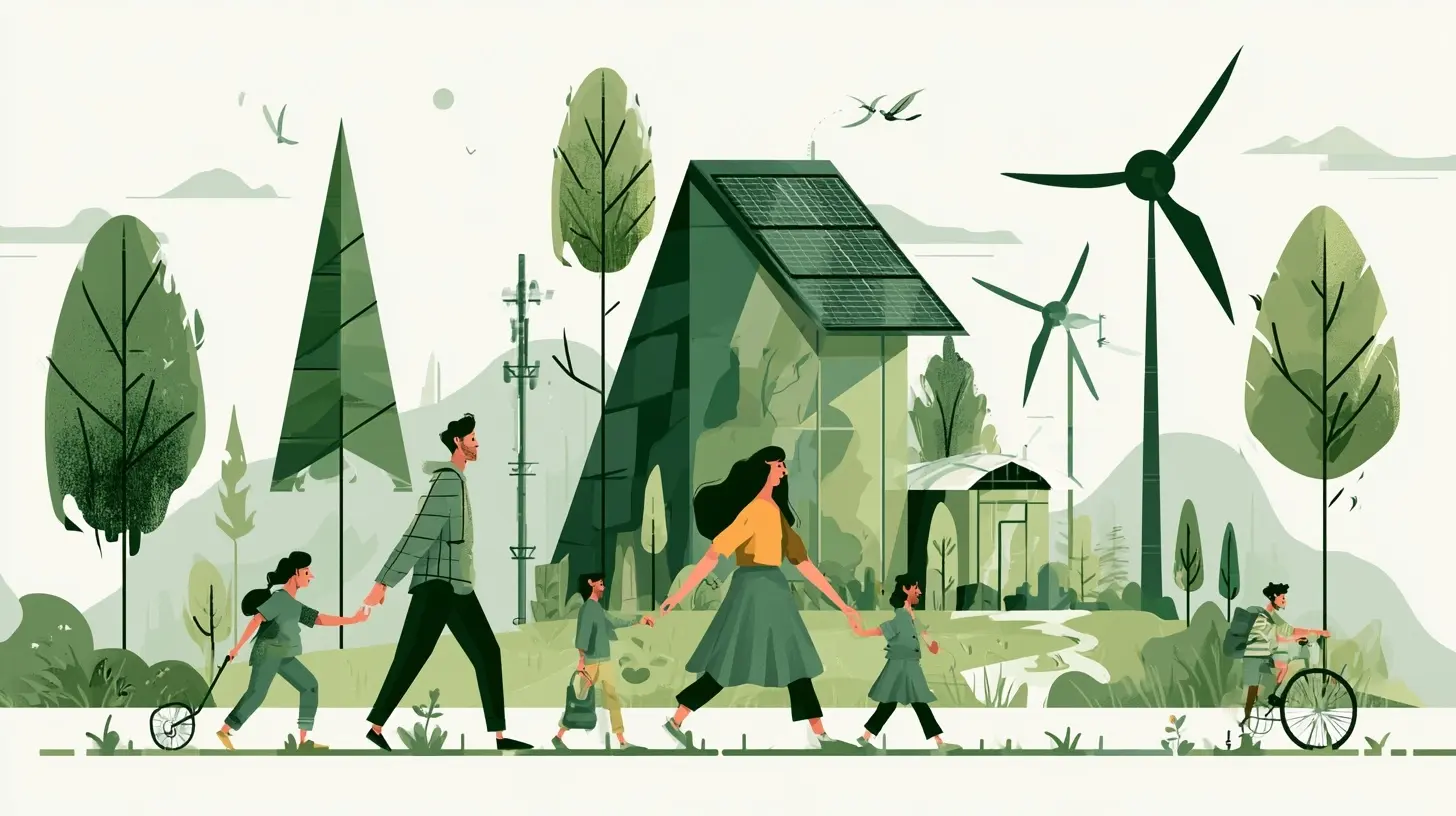
Why Parent Communities Became the Frontline of Green Living
Think about the sheer volume of resources a single child consumes in the first five years. The gear, the clothing, the food packaging, the wipes, the disposable diapers. It is staggering. But here is the thing: most of that consumption is duplicated across every single household on the block. Your neighbor buys a baby swing. You buy the same baby swing. The family three doors down buys it too. Each one gets used for four months and then sits in a basement for a decade.That is the core problem that parent communities in 2027 have started to solve. They realized that the most eco-friendly item is the one that is already manufactured and sitting unused in someone's garage. The sharing economy is not a new concept, but for parents, it has become a lifeline. The playground chat is no longer just about who has the best juice boxes. It is about who has a bassinet to lend, a toddler bed to pass down, or a winter coat that their kid outgrew in February.
The genius of this approach is that it does not require sacrifice. It requires coordination. A group of five families can collectively own one high-quality jogging stroller, one infant car seat base, and one set of baby monitors. Each family saves hundreds of dollars, and the planet saves the energy and materials needed to produce four extra sets of gear. The parent community becomes a mini circular economy, and it works because everyone is in the same boat at the same time.
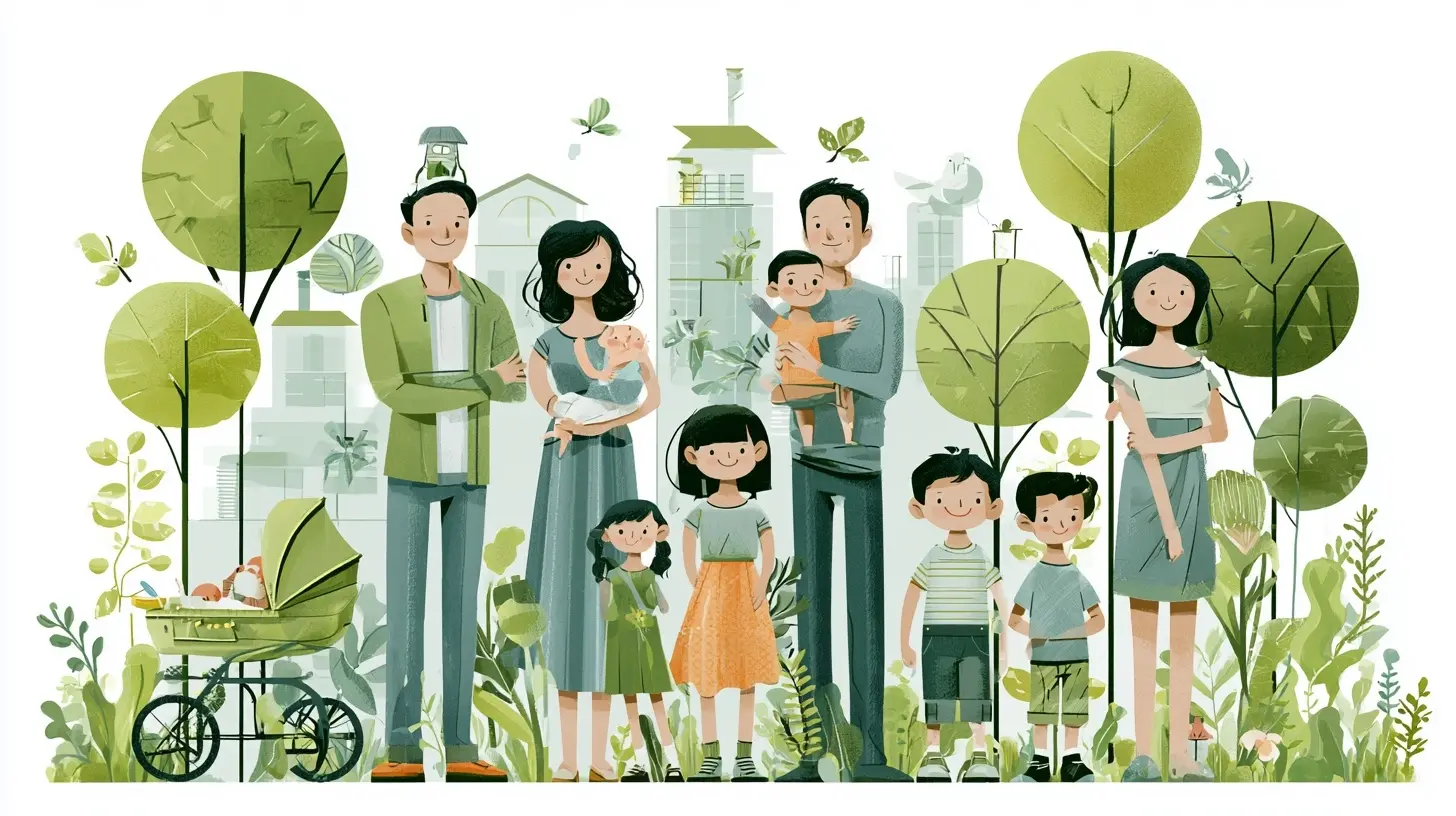
The Rise of the Neighborhood Gear Library
One of the most practical innovations in eco-friendly parenting is the gear library. This is not a formal institution with membership cards and late fees. It is usually a shared spreadsheet, a group chat, or a shelf in someone's garage. Parents list what they have, what they need, and the items circulate like books in a library.The key to making this work is a simple rule: you do not lend anything you cannot afford to lose. That sounds pessimistic, but it is actually the secret to success. If you lend your double stroller and it comes back with a torn canopy, you are going to be upset. Instead, lend the items that are already scuffed, the ones you were going to donate anyway. This keeps the system friendly and avoids the drama that can kill a good idea.
The gear library also solves the problem of seasonal items. A snowsuit for a six-month-old is used for maybe three months. A raincoat for a two-year-old lasts one season. These are perfect candidates for sharing because they are not worn enough to justify the cost or the environmental impact of buying new. In 2027, the smartest parents are not buying the cutest snowsuit. They are buying the most durable one, knowing it will pass through three other families before it falls apart.
The Diaper Equation: What Actually Works
Diapers are the single biggest source of waste for most families with young children. The debate between cloth and disposable has been raging for years, and both sides have strong arguments. But in 2027, the conversation has shifted from a binary choice to a practical blend.Cloth diapers are undeniably better for the landfill. A single child using disposables will generate over a ton of waste by the time they are potty trained. Cloth diapers, even with the water and energy used to wash them, have a lower overall environmental impact. The problem is the hassle. The buckets, the washing cycles, the folding, the leaking at night. For many parents, especially those with twins or a full-time job, cloth is not realistic.
The solution that many communities have adopted is the hybrid approach. Use cloth diapers at home during the day when you have easy access to a changing station and a washing machine. Use disposables for outings, overnight, and travel. This cuts the waste by half or more, while keeping your sanity intact. The parents who try to be all-in on cloth and then burn out after three weeks end up throwing the whole idea away. The parents who allow themselves a hybrid system stick with it for the long haul.
Another misconception is that all disposables are equally bad. Some brands now offer compostable or plant-based options. They are more expensive, but they break down faster in commercial facilities. If your community has access to a composting service that accepts diapers, this is a viable option. If not, the plant-based ones are not much better than regular ones because they still end up in a landfill. The key is to check what your local waste management actually does, not just what the marketing says.
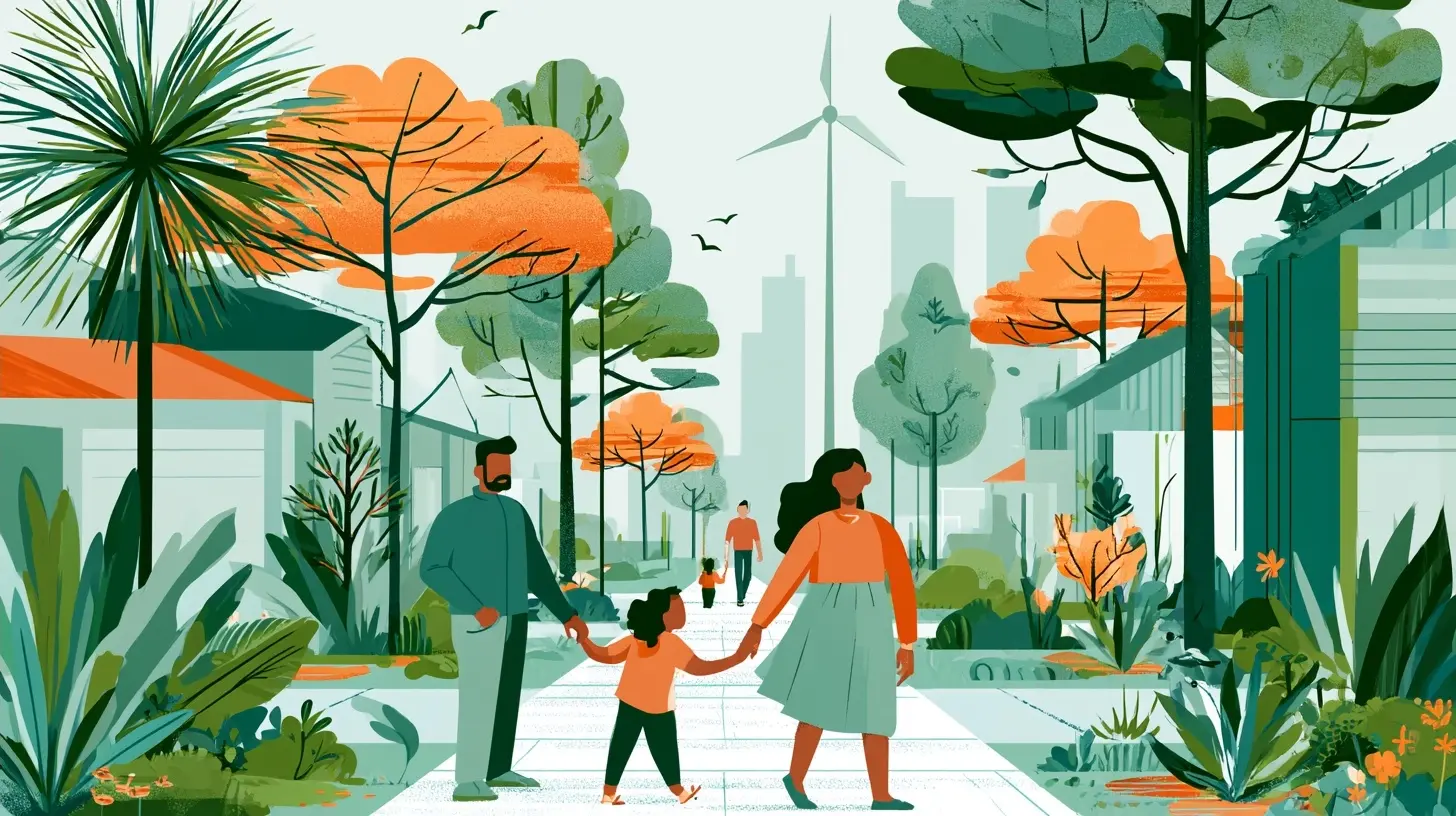
The Secondhand Stroller Economy and Safety Realities
Buying secondhand is one of the most impactful things a parent can do. A used stroller, crib, or high chair has already paid its environmental debt. The problem is safety. Car seats, for example, have expiration dates and should never be bought used if you do not know their history. A car seat that has been in a crash, even a minor fender bender, is compromised. This is a non-negotiable rule.But for other items, the safety concerns are less severe. A wooden crib that meets current safety standards and has no missing hardware is fine to reuse. A high chair with a working harness is fine. A changing table is completely safe as long as it is sturdy. The mistake parents make is treating all baby gear with the same level of caution. They either refuse to buy anything used, which is wasteful, or they buy a used car seat, which is dangerous.
The best practice in 2027 is to have a clear list of what to buy new and what to buy used. Car seats, crib mattresses, and breast pumps should be new. Everything else is fair game. Strollers, toys, clothes, books, furniture, and baby carriers are all excellent candidates for secondhand. The parent community can help here by being transparent about the history of an item. When you pass along a stroller, include the owner's manual and let the next parent know about any quirks. This builds trust and makes the whole system safer.
Food Waste and the Toddler Problem
Toddlers are notoriously picky eaters, and that leads to a shocking amount of food waste. A parent will prepare a plate with four different items, the toddler will eat one bite of one item, and the rest goes in the trash. Multiply that by three meals a day and you have a serious problem. Not only is it wasteful, but it also costs money.The eco-friendly parent communities of 2027 have tackled this with a few clever strategies. The first is the "one bite rule." You serve a tiny portion of everything, and the toddler can have more if they like it. This reduces the amount of food that gets scraped into the bin. The second is the "leftover smoothie." Fruits and vegetables that are slightly bruised or uneaten go into a blender with some yogurt or juice. It is not a gourmet meal, but it prevents waste and gets some nutrients in.
Community meals are another trend. A group of families will take turns cooking a large batch of a kid-friendly meal, then share it. This reduces the energy used for cooking and ensures that no single household is stuck eating the same mac and cheese for five nights in a row. It also helps with the problem of buying bulk ingredients that go bad before you can use them. When you cook for three families instead of one, you use the whole bag of carrots.
The Toy Problem: Quality Over Quantity
Toys are the bane of every eco-conscious parent's existence. They are made of plastic, they break easily, and they are often tied to a movie or a cartoon that your child will lose interest in within a month. The toy industry is built on planned obsolescence and the constant desire for the next new thing.The parent community approach to toys is the "toy rotation." Instead of having all toys available all the time, you box up most of them and rotate them every few weeks. This makes old toys feel new again and reduces the urge to buy more. It also means that when a toy does break, you are not losing a huge investment.
The bigger shift is toward experience gifts instead of physical gifts. For birthdays and holidays, parents in these communities are pooling money for a zoo membership, a gymnastics class, or a trip to the aquarium. This is better for the environment because it creates no physical waste, and it is better for the child because experiences create memories and build skills, whereas a plastic dinosaur is forgotten in a week.
When toys are needed, the community prioritizes wooden, fabric, or metal toys over plastic. These materials last longer and can be repaired. A wooden train set can be passed down for generations. A plastic one will crack and be thrown away. The upfront cost is higher, but the cost per use is much lower.
The Energy and Water Footprint of Family Life
Beyond the stuff, there is the daily resource use. Families with children use more water, more electricity, and more heating than couples without kids. The laundry alone is a constant drain. But there are practical ways to reduce this without living in the dark.One of the most effective changes is washing clothes in cold water. Modern detergents are designed to work in cold water, and it saves a significant amount of energy. Another is running full loads only. It is tempting to wash that one favorite shirt your kid needs tomorrow, but waiting until the machine is full saves water and energy.
The parent community can also share laundry loads. If you have a high-efficiency washer and your neighbor has a dryer, you can team up. One family washes, the other dries, and both save on the cost of running both machines. This sounds odd, but it works. It also cuts down on the number of times you have to run a half-empty load.
For heating and cooling, the advice is simple: dress the kids in layers. A toddler in a warm onesie and a fleece jacket does not need the house at 72 degrees. Keeping the thermostat a few degrees lower in winter and higher in summer is one of the largest energy savings a family can make. The kids will not mind if they are dressed properly, and you will see the difference in your utility bill.
The Social Pressure and How to Handle It
Here is a topic that does not get enough attention: the social pressure to be eco-friendly. In some parent communities, there is a subtle competition to see who can be the greenest. You have the mom who brings her own glass jars to the bulk store, the dad who brags about his composting worms, and the family that has not used a paper towel in three years. If you are not at that level, it is easy to feel guilty.The truth is that the perfect eco-parent does not exist. The goal is to reduce, not to eliminate. A parent who uses disposable diapers but shares all their clothes and toys is still making a huge difference. A parent who drives a gas-guzzling minivan but cooks in bulk and avoids food waste is still ahead of the curve. The important thing is to pick the changes that fit your life and stick with them.
If you feel pressure from your community, remember that they are probably feeling pressure too. The best way to handle it is to be honest about your struggles. When someone asks if you have switched to cloth wipes, say, "No, I tried and it was a disaster. I am sticking with the disposable ones for now." This opens up a conversation and makes other parents feel more comfortable admitting their own compromises.
The Cost Question: Does Green Parenting Cost More?
There is a common misconception that eco-friendly living is for wealthy families. Organic cotton onesies, bamboo plates, and high-end compostable everything are expensive. But the reality is that the most impactful changes are actually the cheapest ones.Buying used gear is cheaper than buying new. Sharing items with neighbors is free. Reducing food waste saves money. Washing clothes in cold water saves money. Cooking in bulk saves money. The expensive part of green living is the marketing, not the practice. The companies that sell you a $50 stainless steel lunchbox are not saving the planet, they are just selling you a lunchbox. The parent who uses a reused plastic container from a takeout meal is doing the same thing for free.
The key is to be skeptical of products that promise to make you green. A reusable diaper that you have to replace every six months is not better than a disposable if you factor in the manufacturing cost. A bamboo toothbrush is great, but a regular toothbrush used for the full recommended time is fine. The most eco-friendly product is the one you already own.
Building a Community That Lasts
The parent communities that do this well share a few common traits. They have a leader or a small group of organizers who keep things moving. They have a clear system for tracking items, whether it is a spreadsheet or a simple group chat. And they have a culture of gratitude and generosity. Nobody is keeping score, and nobody is judging.If you want to start this in your own community, begin small. Find one other family and agree to share one item, like a baby gate or a playpen. See how it goes. If it works, add another family and another item. The goal is not to build a formal organization. The goal is to build a habit of asking, "Do I need to buy this, or can I borrow it?"
The other important trait is flexibility. Families move, kids grow, and needs change. A gear library that worked when your kids were toddlers will not work when they are in elementary school. That is fine. The point is to keep the mindset of sharing and reusing as your children grow. The same skills that help you share a stroller will help you share a lawnmower or a set of camping gear later.
The Real Payoff
The real payoff of eco-friendly living in parent communities is not the carbon footprint reduction, although that matters. It is the connection. When you borrow a crib from a neighbor, you have a reason to talk to them. When you pass along a box of outgrown clothes, you are building a relationship. The sharing economy for parents is not just about the environment. It is about creating a village.In 2027, the parents who are doing this well are not stressed out by it. They are not counting every gram of waste or feeling guilty about every plastic toy. They are simply being smart about resources. They are saving money, saving time, and teaching their kids that things have value and that community matters.
That is the lesson that lasts. Your child will not remember the brand of diapers you used. They will remember playing with friends in the backyard while the adults shared a meal and talked about who needed what. That is the world we are building, one borrowed stroller at a time.
all images in this post were generated using AI tools
Category:
Parenting And CommunityAuthor:

Austin Wilcox
Discussion
rate this article
1 comments
Maura Moore
Green kids, bold choices!
September 3, 2026 at 3:49 AM