Encouraging Positive Interactions Between Siblings
19 June 2026
Sibling relationships are some of the longest-lasting and most meaningful bonds in our lives. However, every parent knows that sibling rivalry is a real challenge. Between arguments over toys, fights for attention, and differing personalities, fostering a peaceful and supportive sibling relationship can feel like a full-time job.
But here’s the good news—there are ways to encourage positive interactions between siblings! With the right strategies, you can help your children build a strong foundation of love, respect, and teamwork. This article will walk you through practical and effective ways to nurture healthy sibling relationships in your home.
Why Do Siblings Fight?
Before diving into solutions, let's understand why siblings clash in the first place. Sibling conflict usually stems from:- Jealousy and Competition – Kids naturally seek parental attention and may feel they need to compete for it.
- Personality Differences – No two children are the same, which can lead to misunderstandings.
- Age Gaps – Different developmental stages mean different priorities and interests.
- Sharing Difficulties – Whether it’s toys, space, or parents’ time, sharing is a skill that takes time to develop.
Understanding that these conflicts are a normal part of growing up makes it easier to find solutions. Instead of getting frustrated, focus on ways to guide them toward healthier interactions.
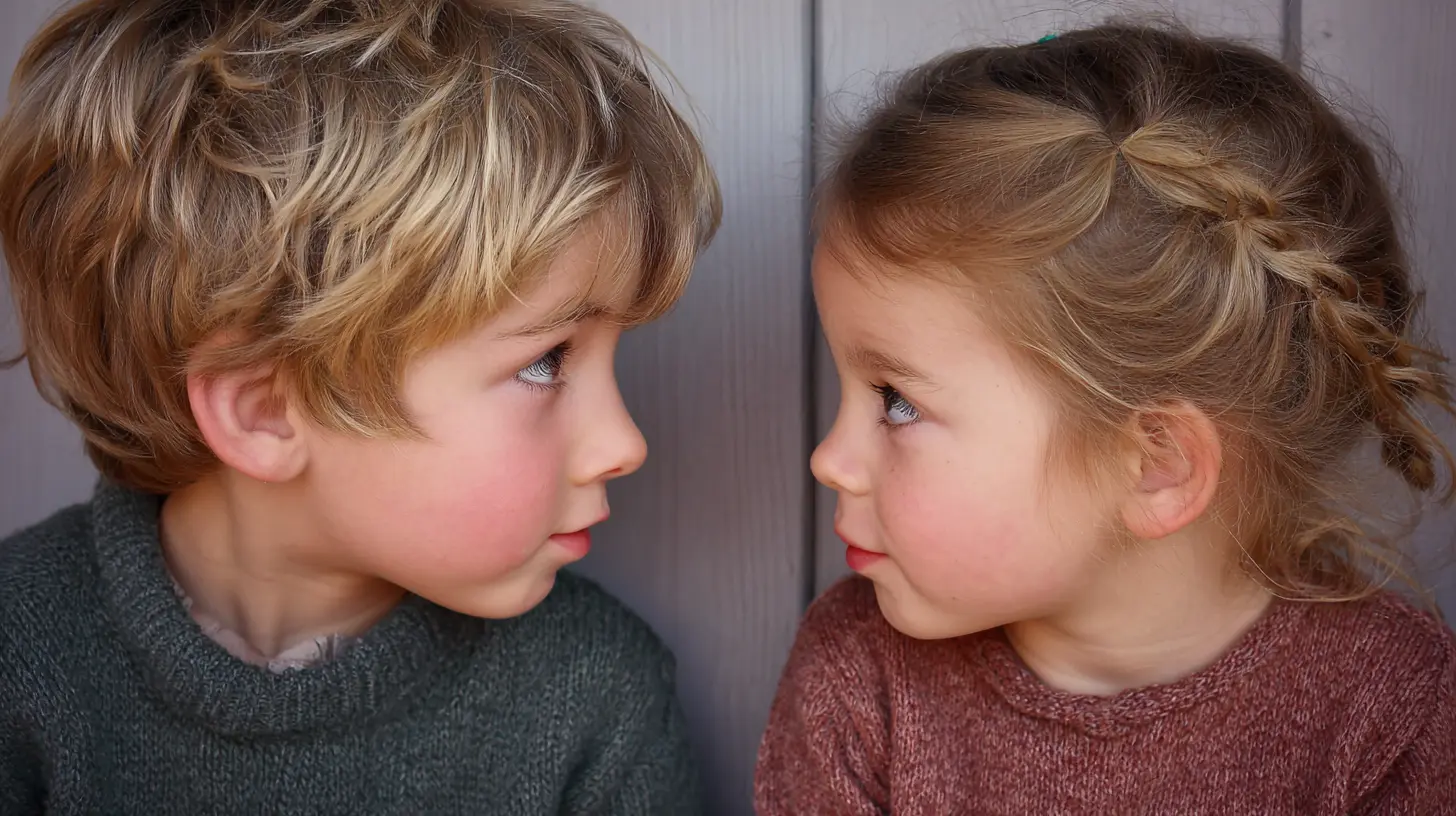
10 Effective Strategies to Encourage Positive Sibling Bonds
1. Teach Them How to Communicate Respectfully
Good communication is the foundation of any strong relationship. Teach your kids how to express their feelings without yelling, name-calling, or hitting. Encourage phrases like:- "I feel upset when you take my toy without asking."
- "Can we take turns instead of fighting?"
Model respectful communication yourself. If they see you handling conflicts calmly, they’re more likely to copy that behavior.
2. Promote Teamwork Through Shared Activities
Nothing strengthens a bond like teamwork. Look for opportunities where your kids can work together, such as:- Completing a puzzle
- Baking cookies
- Playing cooperative board games
When they achieve something together, they'll feel a sense of camaraderie that reinforces their connection.
3. Don’t Compare Them to Each Other
Comparisons breed resentment. Avoid statements like:- "Why can’t you be more like your brother?"
- "Your sister always listens, but you never do!"
Instead, recognize each child’s unique strengths and celebrate them as individuals. Acknowledge their efforts without making them feel like they’re in a competition.
4. Encourage Conflict Resolution Instead of Taking Sides
It’s tempting to step in and solve every argument, but that doesn’t teach them how to handle disagreements on their own. Instead of deciding who's right or wrong, guide them through conflict resolution:1. Allow each child to express their side calmly.
2. Help them identify their emotions and needs.
3. Assist in brainstorming solutions together.
This approach empowers them to resolve conflicts respectfully rather than escalating fights.
5. Schedule One-on-One Time with Each Child
Sibling rivalry often comes from a need for attention. Kids sometimes act out because they feel unseen or unheard. Spending quality time with each child individually reassures them that they are valued and loved.It doesn’t have to be elaborate—reading a book together, going for a short walk, or having a chat before bed can make a big difference.
6. Praise Positive Interactions
Reinforce good behavior by acknowledging it. When you see your kids sharing, helping, or playing nicely together, praise them:- "I love the way you helped your sister with her homework!"
- "That was so kind of you to let your brother go first!"
Children naturally seek positive reinforcement, so pointing out their good moments encourages more of the same.
7. Establish Family Rules About Respect
Set clear expectations on how family members should treat one another. A simple set of family rules could include:- No name-calling or hurtful words
- Ask before taking something that isn’t yours
- Listen to each other before responding
When these rules are consistently enforced, kids learn that respect is a non-negotiable part of family life.
8. Encourage Empathy and Understanding
Help your children see things from each other’s perspective. If one child is upset, guide their sibling to recognize their feelings:- "How would you feel if your brother didn’t include you in the game?"
- "Your sister is sad because she lost her toy. What can we do to make her feel better?"
When kids develop empathy, they become more compassionate toward their siblings.
9. Teach Them How to Share and Take Turns
Sharing isn’t always easy—especially for younger children. Instead of forcing them to share immediately, teach them the concept of taking turns. For example:- Use a timer to let each child have a fair turn with a toy.
- Encourage group activities where they need to share responsibility.
When kids see sharing as a fair process, they are less likely to fight over possessions.
10. Create Special Sibling Traditions
Nothing strengthens sibling relationships like shared experiences. Establish fun traditions that they can look forward to together:- A weekly "Sibling Night" where they pick an activity
- Special handshakes or inside jokes
- Yearly sibling gift exchanges
These little rituals create positive associations and bring your children closer together.
When Sibling Rivalry Becomes a Bigger Issue
Some sibling conflicts go beyond normal squabbles. If you notice extreme jealousy, verbal abuse, or persistent resentment, it may be time to dig deeper.Signs of deeper issues include:
- One child constantly feeling left out or bullied
- Excessive competition leading to stress and anxiety
- Aggression that escalates beyond normal disagreements
In cases where sibling rivalry becomes unhealthy, open discussions and, if necessary, professional guidance can help address underlying issues.
Final Thoughts
Encouraging positive interactions between siblings isn’t about eliminating conflict altogether—that’s impossible! Rather, it’s about teaching them how to handle differences with respect, empathy, and understanding.By fostering teamwork, promoting open communication, and setting clear expectations, you can help your children build a lifelong bond. And let’s be honest—there’s nothing more rewarding than witnessing your kids laughing, supporting each other, and knowing they’ll always have a best friend in their sibling.
all images in this post were generated using AI tools
Category:
Sibling JealousyAuthor:

Austin Wilcox
Discussion
rate this article
1 comments
Oriana Cole
Siblings can be both the best of friends and the biggest rivals. Embracing their unique bond while guiding them through conflicts can lead to laughter, love, and memories that last a lifetime. It's all about balance.
June 19, 2026 at 2:20 PM
Austin Wilcox
Absolutely! Navigating sibling dynamics is key to fostering that lasting bond. Balancing friendship and rivalry can create wonderful memories.