Fostering Empathy Between Siblings
23 April 2026
You hear it all the time – “Why can’t you two just get along?” or “She never shares with me!” As a parent, navigating sibling relationships can sometimes feel like refereeing a never-ending boxing match. But what if, instead of just managing the chaos, we could plant the seeds of something deeper? Something like empathy.
Empathy isn’t just a soft, fluffy buzzword. It’s the cornerstone of healthy relationships – between siblings and beyond. And guess what? Kids are not born knowing how to walk in someone else’s shoes. It's something we have to help them grow into. It starts at home, with us.
In this article, we’re diving deep into the art and heart of fostering empathy between siblings. We’ll talk about real-life strategies, share stories that hit close to home, and break it down in a way that’s doable—even in the messiest of parenting moments. Let’s get into it.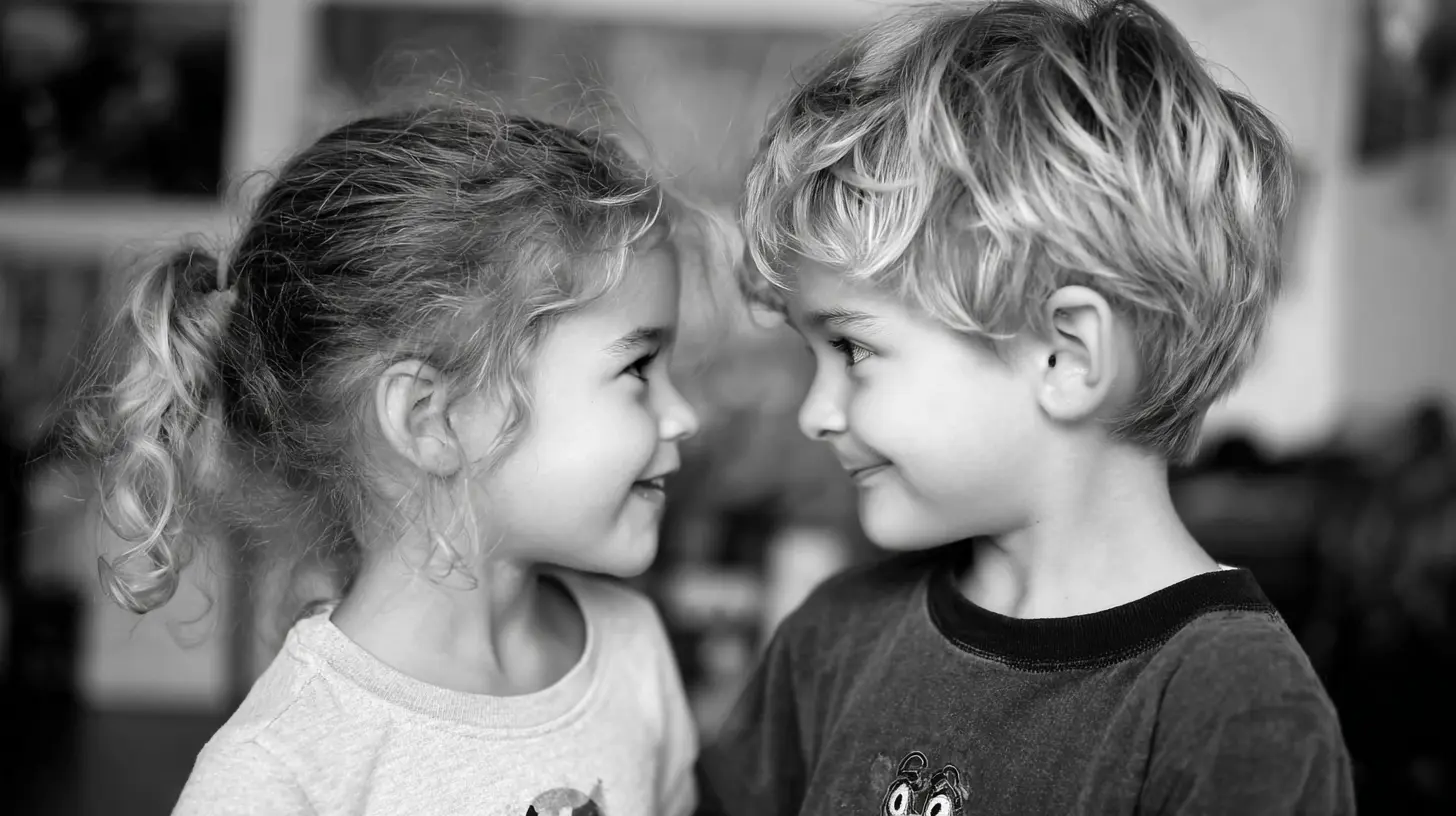
Why Empathy Matters More Than Ever
Let’s face it—life is more connected yet more divided than ever. Kids are growing up in a world that demands cooperation, kindness, and emotional intelligence just as much as academic smarts. And where better to start practicing those skills than at home—with their siblings?Siblings are often a child’s first peers. If they can learn to empathize with their brothers and sisters—the ones who steal their toys, tattle on them, or hog the bathroom—there’s a good chance they can carry that empathy into the classroom, playground, and eventually the workplace and their adult relationships.
Empathy helps siblings:
- Resolve conflicts without meltdowns
- Develop closer bonds
- Build emotional awareness
- Create a more peaceful home environment
Who wouldn’t want that?
The Root of Sibling Drama
Before we jump into how to nurture empathy, we’ve got to understand the roots of sibling rivalry and tension.It’s not always about the toy or who got the bigger cookie. Sometimes, it’s about:
- Competitiveness for parental attention
- Unresolved feelings or frustrations
- Differences in personality or communication styles
- Developmental stages (Yes, your 4-year-old and 10-year-old see the world very differently!)
And let’s be real—kids are learning how to be humans. They don’t always have the language or tools to express their needs or feelings. So instead, they explode, tattle, push, or lash out. It’s messy—but it's also normal.
That’s where empathy comes in. It’s the bridge between “I’m mad at you” and “I understand how you feel.”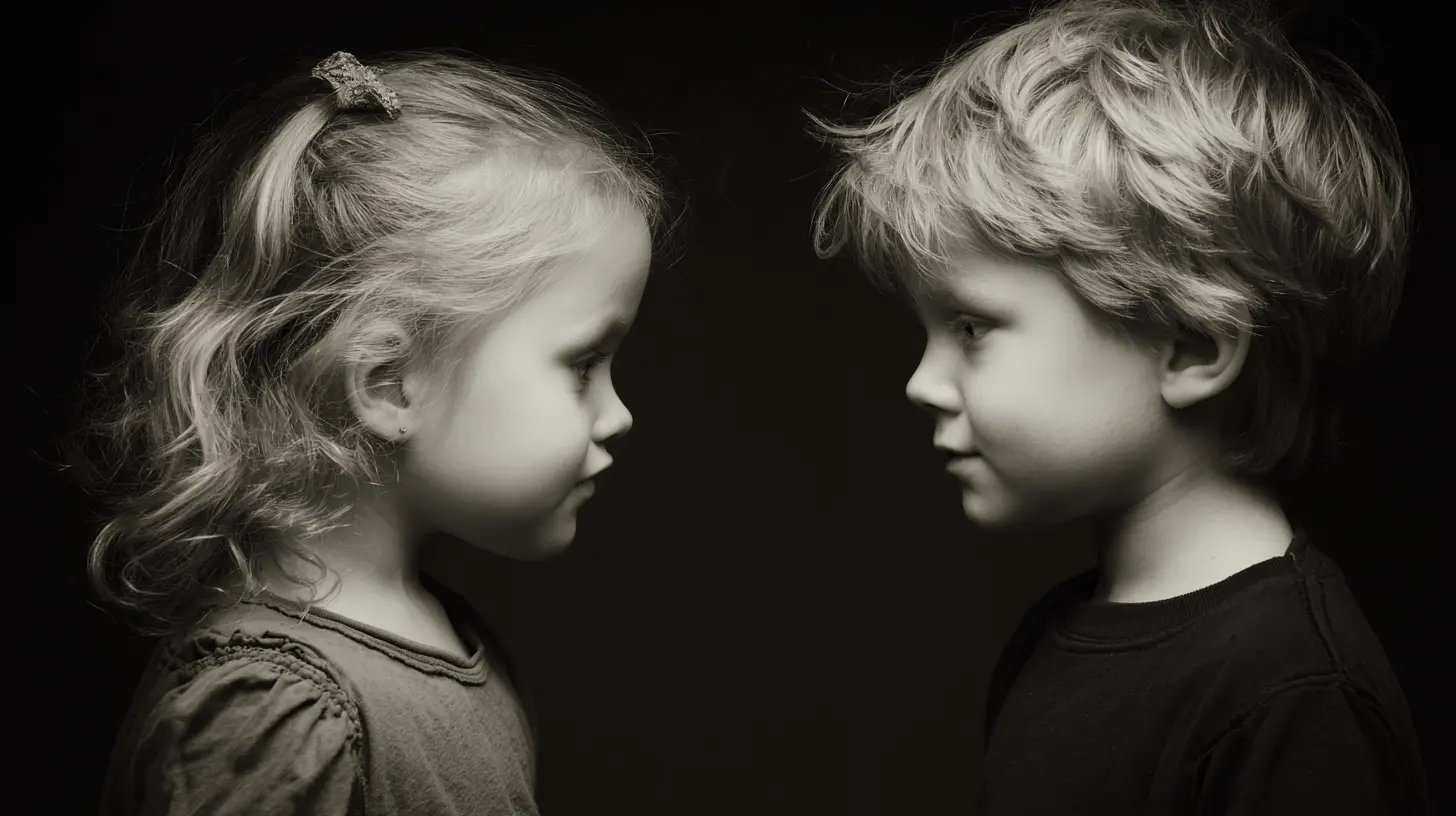
How Parents Can Model Empathy (Because It Starts With Us)
Let’s hold up the mirror for a second. If we want our kids to develop empathy, we’ve got to show them what it looks like in real-time.Here’s how:
1. Narrate Emotions Out Loud
Sounds simple, but it’s powerful. When something happens, talk through it out loud.“Wow, you’re really sad your brother took your truck. That hurt your feelings.”
Or, “I noticed Ella feels frustrated that you’re not sharing. Can we think of a way to help her feel better?”
By putting words to emotions, we’re helping them build emotional vocabulary. And all emotional intelligence starts there.
2. Validate Feelings—Even the Ugly Ones
It’s easy to validate happiness or excitement. But frustration? Jealousy? Not so much. Still, they need just as much air-time.Instead of saying, “Don’t be mad,” try: “It’s okay to feel mad—it’s not okay to hit.”
Validating doesn’t mean condoning. It means the child feels seen. And that’s the first step to being able to see others too.
3. Show Empathy in Your Own Relationships
Your kids are watching you. Like, all the time. How do you talk to your partner when you disagree? How do you treat the delivery driver or the cashier?They’re picking up cues from how you treat others. Make kindness, apology, understanding, and forgiveness part of your visible daily habits.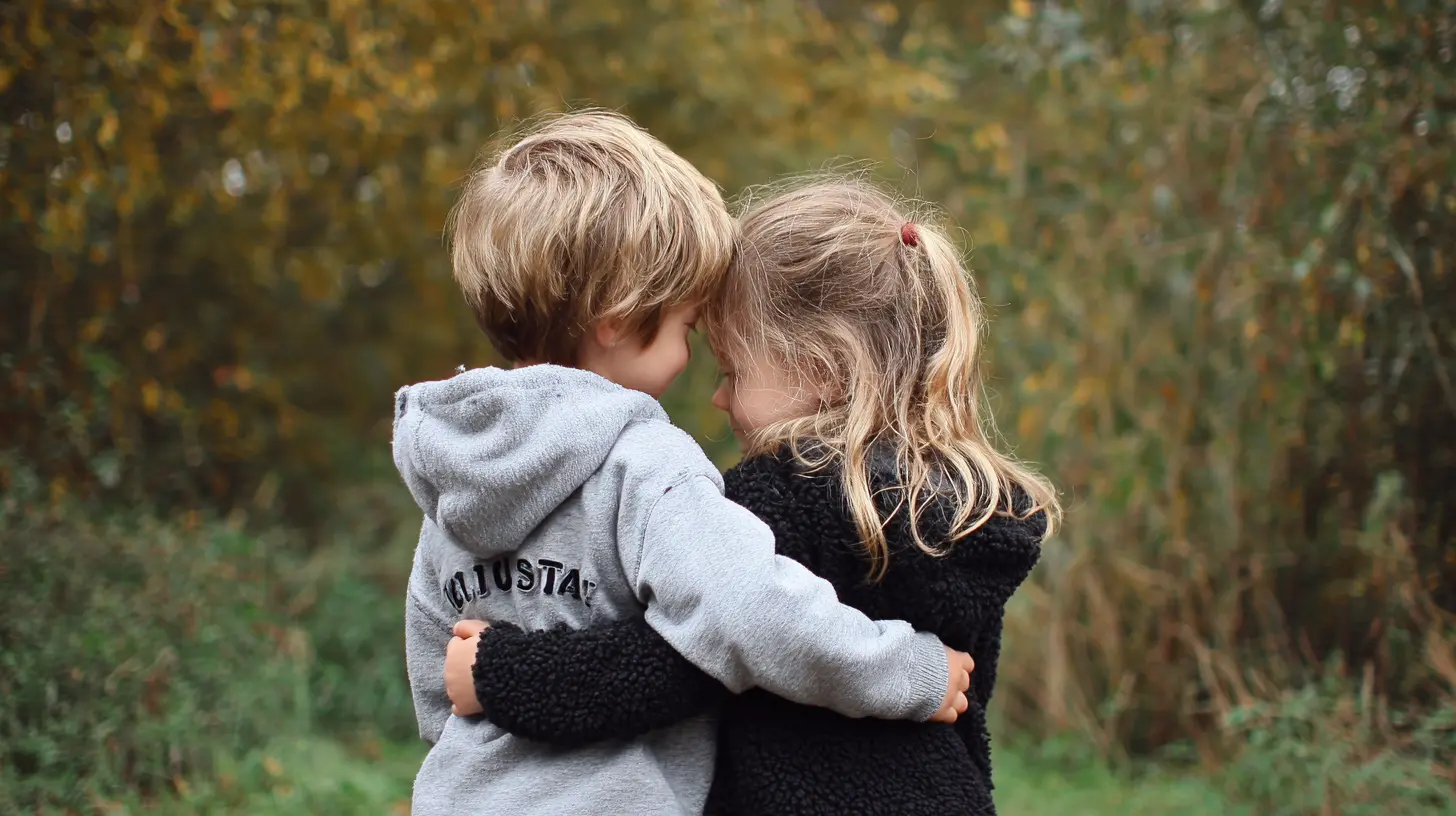
Practical Tips to Build Empathy Between Siblings
Alright, let’s dig into what you came here for—real, practical ways to help your kids genuinely care about and connect with each other.1. Encourage Perspective-Taking
When conflict strikes (and it will), pause and ask each child to put themselves in the other’s shoes.“So, Sam, how do you think Lily felt when you broke her Lego tower?”
At first, they might roll their eyes. That’s okay. Keep going. Teaching empathy isn’t a one-and-done lesson—it’s a slow burn with long-term payoff.
2. Practice “Feelings Time” Regularly
Once a day or a few times a week, gather your kids and just talk feelings. “What made you happy today? What made you feel sad or frustrated?”When kids get used to naming and hearing emotions, they start recognizing them in others too. It’s like emotional cross-training.
3. Use Books and Stories
Stories are empathy machines.When you read together, pause and ask questions like:
- “Why do you think the character is acting that way?”
- “How would you feel in that situation?”
- “What could they do to help their friend feel better?”
Even a goofy picture book can be a goldmine for emotional learning.
4. Create Opportunities to Help Each Other
Give them jobs that only work when they team up:- “Can you help your sister zip up her jacket?”
- “Let’s make a surprise card for your brother today.”
- “Can you pick a snack your sibling would enjoy too?”
Positive interactions create muscle memory. Help them feel good about being good to each other.
5. Teach Repair, Not Just Apologies
“Say you’re sorry” is such a common parenting phrase, but what does it really do?Instead, teach them how to make things right:
- “What can you do to help your sister feel better?”
- “What would you need if someone hurt your feelings like that?”
Empathy isn’t just being sorry. It’s taking action to heal the relationship.
Dealing With Resistance
Not every moment will go smoothly. Some kids resist empathy like it’s broccoli.Don’t push too hard. Instead, coach them from the side. Try:
- Giving them some emotional space
- Modeling the desired behavior
- Offering gentle reminders, not lectures
And don’t expect them to get it all at once. Empathy, especially for young children, is complex. Be patient. Be persistent. And celebrate the small wins.
Managing Age Gaps and Personality Clashes
Let’s be honest—empathy looks different when you’ve got a toddler and a preteen under the same roof.The younger sibling might not understand boundaries. The older one might feel “above” the babyish emotional talk.
Here’s the move:
- Adjust expectations based on age and development.
- Let older kids feel involved in teaching empathy (they’ll love the responsibility).
- Help younger ones with simple frameworks like “gentle hands” or “we take turns.”
And don’t forget—introverted and extroverted kids, sensitive and strong-willed personalities, will all approach empathy differently. Tailor your strategies, but keep the goal the same.
Tech and Screen Time: Friend or Foe?
Believe it or not, tech can help or hurt empathy—depending on how it’s used.Too much solo screen time can dull emotional connection. But co-viewing shows or games centered on teamwork and emotion can open the door to deeper conversations.
Try:
- Watching shows together and discussing character emotions
- Playing cooperative games that require working together
- Using apps that teach emotional literacy
Screen time isn’t the enemy—it’s how you direct the experience that makes all the difference.
Celebrating Empathy in Action
When you see your kids being kind or thoughtful with each other—call it out!“Hey, I noticed you waited your turn for the toy even though you really wanted it—that was kind.”
Praise the behavior you want more of, and they’ll be more likely to repeat it. Bonus: you’ll start noticing those sweet moments more often too.
What To Do When Sibling Fights Escalate
Look, empathy or not, siblings are still going to clash. Sometimes fiercely. That doesn’t mean you’ve failed—it just means they’re still learning.In the heat of the moment:
- Calm things down first. No one can be empathetic when they’re in fight-or-flight mode.
- Separate if needed, but don’t assign blame immediately.
- Later, walk through the emotions each child felt.
- Discuss alternative reactions for next time.
- Reconnect them with a shared activity once emotions settle.
Think of these moments as teachable, not terrible. Each outburst is a chance to flex their empathy muscles again.
Final Thoughts: Turning Conflict Into Connection
Fostering empathy between siblings isn’t a one-time conversation—it’s a lifestyle. It’s in the way we talk, the way we react, the way we slow down and look our kids in the eye when they’re upset.No, they won’t always get it right. And spoiler alert: neither will we.
But if we’re intentional about weaving empathy into our home, conversation by conversation, conflict by conflict, we’ll start to see something powerful take root.
A quiet moment when one sibling shares their snack... a soft “Are you okay?” after a tumble... a spontaneous hug after a fight.
That’s empathy. That’s growth. That’s family.
all images in this post were generated using AI tools
Category:
Sibling RivalryAuthor:
Austin Wilcox
Discussion
rate this article
2 comments
Remi McKibben
In the tender tapestry of sibling ties, Empathy blooms where love softly lies. Guide their hearts to share and see, In playful whispers, nurture harmony. Through gentle moments, let them weave, A bond of kindness, where all believe.
April 29, 2026 at 4:15 AM
Austin Wilcox
Beautifully put! Fostering empathy truly creates lasting bonds. Your words capture the essence perfectly.
Caelestis McClellan
This article insightfully highlights the importance of fostering empathy between siblings, addressing conflict resolution and emotional understanding. However, it could benefit from more practical examples and strategies parents can implement daily to nurture these vital skills effectively.
April 25, 2026 at 2:27 PM
Austin Wilcox
Thank you for your feedback! I appreciate your suggestion for more practical examples and will definitely consider including them in future articles.