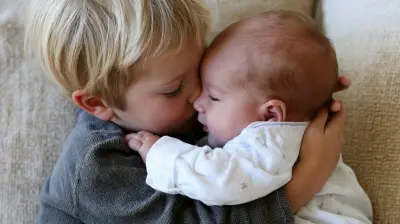
Helping Kids Feel Equally Loved in a Big Family
6 May 2026
Let’s be real—raising kids is no walk in the park. Now multiply that by three, four, five, or even more! A big family can be beautiful chaos. There’s laughter, noise, hand-me-downs, and sibling squabbles. But one of the trickiest challenges parents face in large families is making sure every child feels equally loved.
It’s not just about giving them the same number of bedtime kisses or equal screen time. It goes way deeper. Every kid wants to feel seen, heard, and valued—and in a house full of personalities, it’s easy for some to feel like they’re just part of the crowd.
So, how can you help each child feel like the center of your universe—at least for a moment? Let’s dig in.
Why Kids in Big Families Might Feel Overlooked
First, let’s understand the core of the problem.Big families come with built-in blessings: instant playmates, always someone to talk to, and a whole crew of cheerleaders. But when your attention is split in multiple directions, it can leave some of your kids craving more of you.
Here’s what often happens:
- Time is divided – With so many events, school pickups, and chores, one-on-one time with each child can feel impossible.
- Personalities get buried – The quieter child might fade into the background while the louder one takes center stage.
- Comparison sneaks in – Whether it’s grades, talents, or behavior, siblings in big families often compare themselves to each other... and what they think you notice most.
Have you ever heard your child say, “You always spend more time with her,” or “You never listen to me”? Those words sting—and they’re often a hint that a connection needs some nurturing.
The Truth: Equal Doesn’t Mean Identical
Let’s pause for a second and clear one thing up: Loving your kids equally doesn’t mean treating them the same.Kids are like plants, right? One might need more sunlight, another more water, and some just want space to grow wild. If you treat them exactly the same, you’ll miss what makes each one unique.
So, the goal isn’t to be fair in a number-crunching way—it’s to be fair in an emotional way.
1. Tune In to Their Love Language
Every child gives and receives love differently. Dr. Gary Chapman’s concept of the Five Love Languages can work wonders here:1. Words of Affirmation
2. Quality Time
3. Acts of Service
4. Gifts
5. Physical Touch
One child might beam when you say, “I’m proud of you.” Another will cling to you during a movie night. The trick? Learn what speaks to each individual heart.
Ask them, observe them, and adjust how you show love accordingly.
Pro Tip: Keep a little “love language log” for each kid on your phone or notebook. When life gets crazy, it’s a great reminder of how to connect.
2. Set Up One-on-One Time—No Matter How Small
You’ve got errands, dinner, laundry, and someone just flushed a toy down the toilet. So, yeah, finding alone time with each child feels almost laughable.But it’s worth fighting for.
Even just 10 minutes a day of undivided attention can do magic. No distractions. No siblings. Just them and you. Ask about their day, play a quick card game, snuggle up with a book—whatever makes their face light up.
It doesn’t have to be fancy. It just has to be intentional.
Mini Ideas for Bonding Time:
- Let one kid stay up 15 minutes later once a week for a “late night chat”- Take turns running errands with one child at a time
- Create a “Mom/Dad Date Jar” and let each kid pick their turn monthly
3. Encourage Their Individual Interests
Big families often share toys, clothes, and hobbies. But kids still need space to shine in their own way.If one son loves painting and the other is all about soccer, celebrate that. Don’t fall into the trap of pushing them to do the same activities just because it’s easier to schedule.
You’re not just raising kids; you’re nurturing individuals.
Put their artwork on the fridge, show up for their dance recital, learn the rules of that strange 8-year-old version of Minecraft. They’ll know you see them, truly.
4. Watch Out for the Comparison Game
Let’s be honest—when you're juggling a squad of kids, it’s easy to say, “Why can’t you be more like your sister?” or “Your brother never argues like this.”But comparison kills confidence.
When a child feels like they’re always coming in second, resentment can build—often toward their siblings and you.
Instead, focus on effort, improvement, and character. Praise them not for being the “best” but for being their best selves.
5. Create Special Traditions for Each Child
Got birthdays covered? Awesome. But let’s go deeper.Try creating unique traditions tailored to individual kids.
Maybe your 9-year-old has a “Pancake Sunday” with Dad. Your 5-year-old always picks the bedtime story on Thursdays. It doesn’t have to cost a thing—it just has to be theirs.
These little rituals remind them, “Hey, I matter. I’m important. I have something all my own.”
6. Include Them in Family Decisions
Giving each child a voice in family life makes them feel valued.Let them vote on what’s for dinner one night a week. Have a “family council” where everyone shares their highs and lows. Ask their opinion on the next vacation spot (even if you still end up at Grandma’s).
Being heard is a powerful thing, especially in a big family where it’s easy to feel lost in the crowd.
7. Be Honest When You Mess Up
Look, no parent gets it right all the time—especially in a big family. You’ll forget stuff. You’ll miss a school play. You’ll snap when you’re running on four hours of sleep.But you know what’s even more powerful than perfection? Humility.
When you say, “I’m sorry I made you feel ignored today,” or “I realize I’ve been spending more time with your baby sister lately,” it teaches your kids something huge: that their feelings matter and that love means taking accountability.
8. Empower Older Kids Without Burdening Them
In larger families, older siblings often take on leadership roles—sometimes by choice, sometimes by default. While that responsibility can be a great way to build confidence, be careful not to overburden them.They’re still kids.
Celebrate their contributions, but also make space for their own needs. Let them play. Let them have alone time. Let them be the goofy, growing people they’re meant to be.
9. Embrace the Power of Eye Contact
This one’s so simple... but so effective.When your child comes to talk to you, drop what you’re doing and make eye contact—even if just for a few seconds. It tells them, “I’m here. I’m listening. You matter.”
In the whirlwind of a big family, that moment of connection is gold.
10. Let Them Know They Don’t Have to Compete for Your Love
This might be the most important thing of all.Kids in big families can sometimes feel like they have to “earn” love by achieving more, behaving better, or being louder. Make sure they know, deep down, that love isn’t a competition.
Say it often. Show it daily.
You don’t have to impress me. You don’t have to earn it. My love for you is constant, no matter what.
Wrapping It Up
Navigating love in a big family is kind of like juggling with your heart. It takes effort, intentionality, and a whole lot of grace.But here’s the thing: You’re not trying to be a superhero. You’re just a human doing your best to raise a bunch of other tiny humans—and that’s enough.
Keep showing up. Keep trying. Keep reminding each child that they are cherished—not because of what they do, but because of who they are.
You’ve got this, and your kids will feel the love every step of the way.
all images in this post were generated using AI tools
Category:
Sibling JealousyAuthor:

Austin Wilcox
Discussion
rate this article
2 comments
Solaria Mason
Every child deserves to feel special. In a big family, simple moments of one-on-one time can make all the difference. Celebrate each child's uniqueness and watch love grow stronger together.
June 27, 2026 at 2:59 AM
Austin Wilcox
Absolutely! Those individual moments create lasting memories and strengthen bonds. Celebrating each child's uniqueness truly enriches family life.
Devin Ellison
Great tips for nurturing sibling bonds!
June 1, 2026 at 2:45 PM
Austin Wilcox
Thanks! I'm glad you found the tips helpful. Nurturing those bonds is so important.