How Cultural Values Shape Parenting Styles and Expectations
23 February 2026
Parenting—it's arguably one of the most universal journeys we embark on, yet it's as diverse as the world itself. You'd think something as natural as raising a child would come with one solid manual, right? But nope. Instead, parenting styles stretch across a colorful spectrum, heavily influenced by something many of us don’t even realize plays such a massive role: cultural values.
Let’s dig into how culture weaves its way into parenting—and why understanding this can make you a more compassionate, informed, and maybe slightly less stressed-out parent.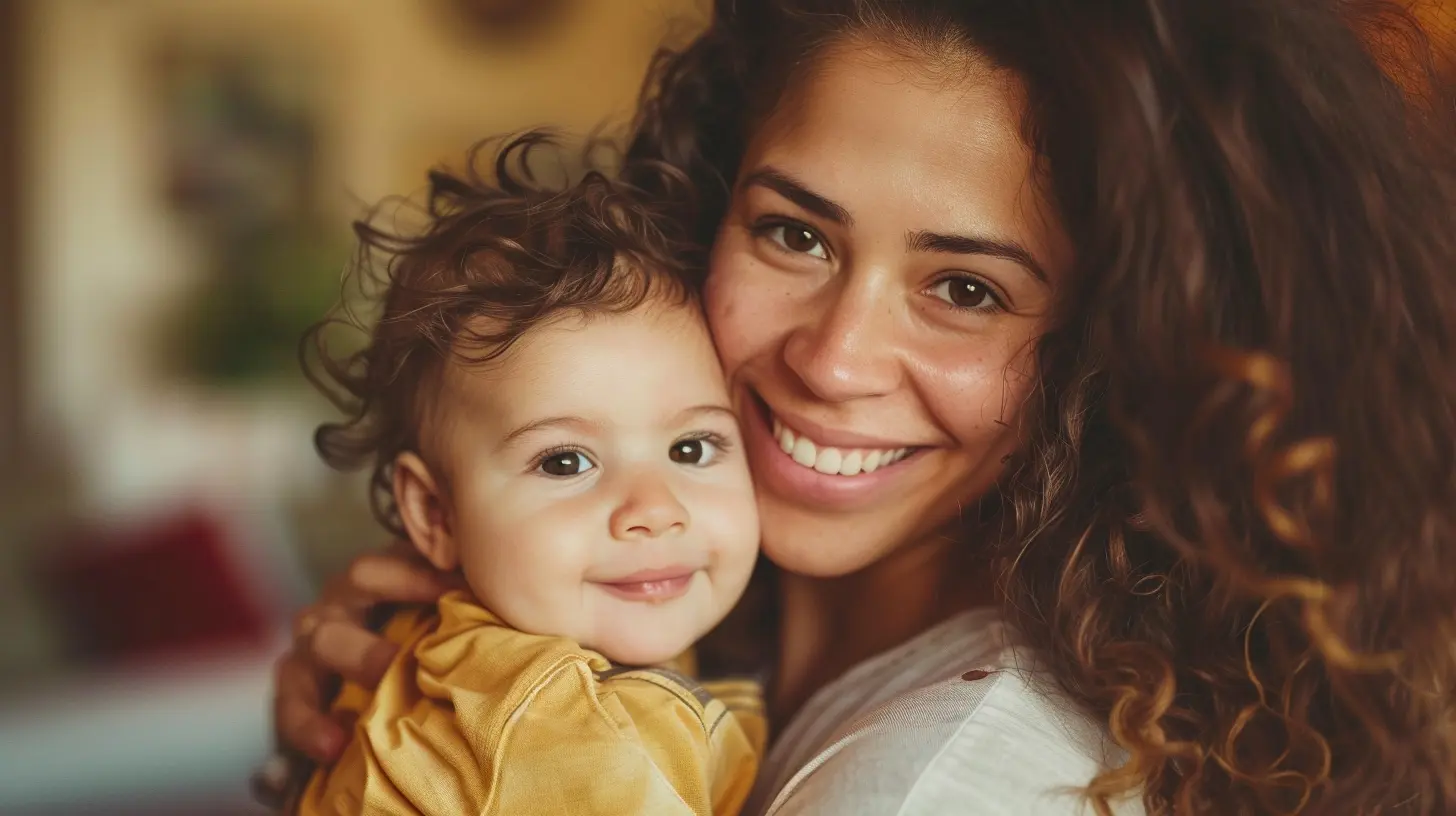
What Do We Even Mean By "Cultural Values"?
Okay, let's simplify this. Cultural values are essentially the invisible threads that hold societies together. They're the shared beliefs, traditions, and norms that guide how people think, behave, and interact.So, when it comes to parenting, these values impact everything—from how we praise our kids to how we discipline them, and even what we define as “success” or “good behavior.”
For instance, in some cultures, independence is king, while in others, family unity and obedience take center stage. Think of cultural values as the settings on your parenting GPS—they determine the route you take to reach your child's adulthood.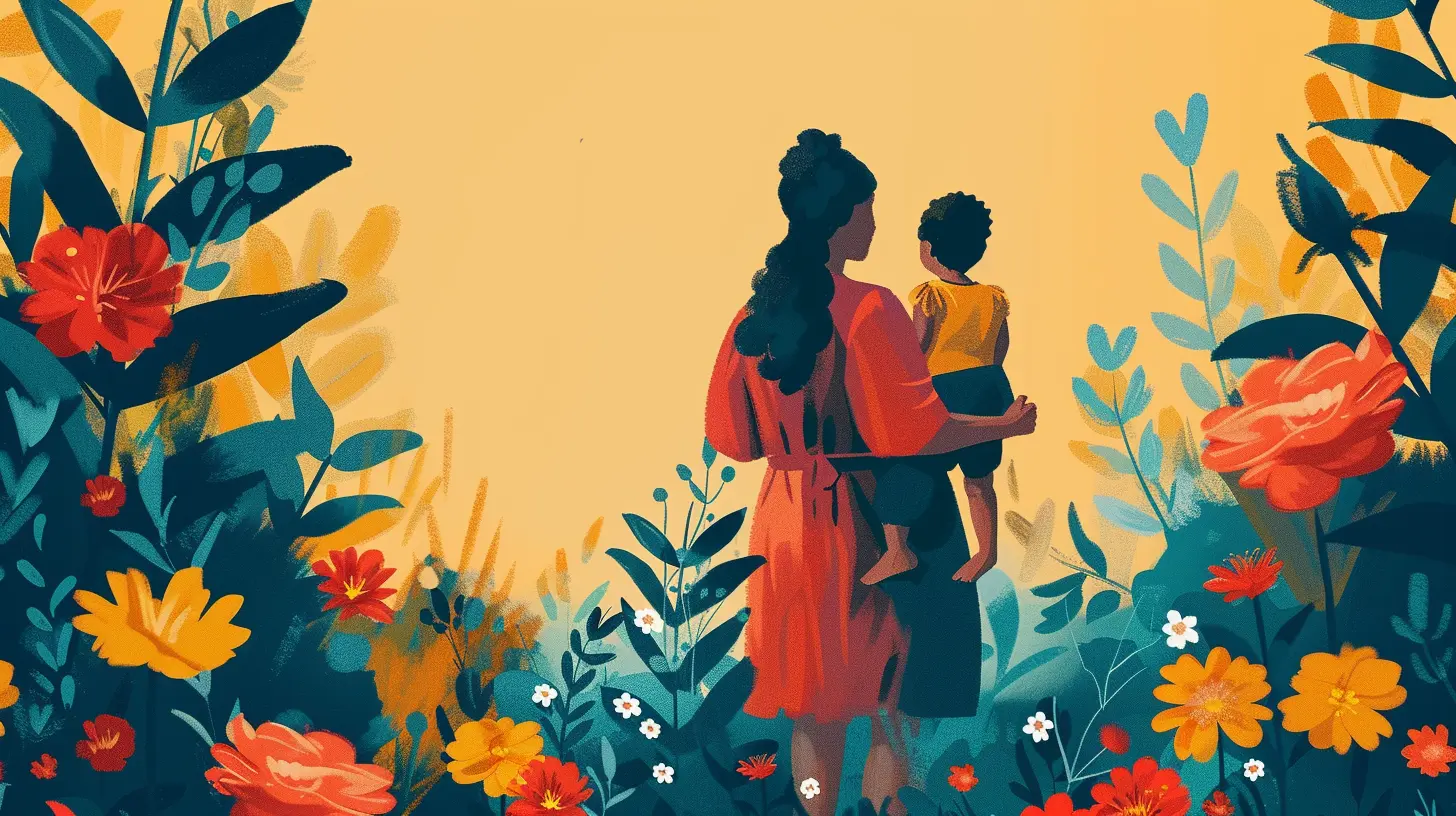
The Big Three: Common Parenting Styles Around the World
You’ve probably heard of the main parenting styles: authoritative, authoritarian, permissive, and uninvolved. But here’s the twist—how these styles show up largely depends on where in the world you are.Let’s break it down.
1. Western or Individualistic Cultures: Independence is Key
In places like the United States, Canada, and much of Western Europe, individualism heavily influences parenting. The idea is that kids should grow up to be self-reliant, confident, and independent thinkers.🍼 Parenting style example: Authoritative (not to be confused with authoritarian!)—think guidance, lots of affection, but with boundaries. Parents here encourage decision-making, open conversations, and often praise achievements to boost self-esteem.
💡 Cultural expectation: You’re a good parent if your child is outspoken, confident, and makes their own choices—even if it means challenging the adults.
2. Eastern or Collectivist Cultures: Harmony and Respect First
In countries like China, Japan, South Korea, and many parts of Africa and the Middle East, family and societal harmony take precedence.🍼 Parenting style example: Authoritarian—but again, don’t let that term freak you out. In many of these cultures, there’s a deep, loving relationship with a clear emphasis on respect, duty, and discipline. It’s not “harsh”; it’s about structure.
💡 Cultural expectation: A successful child is respectful, excels academically, and puts the family’s needs before their own.
3. Latin and Indigenous Cultures: Community Over Competition
Many Latin American, South Asian, and Indigenous cultures have strong communal and spiritual foundations. Family isn’t just mom, dad, and kids—it’s grandma, grandpa, cousins, aunts, uncles, and sometimes the entire neighborhood.🍼 Parenting style example: A mix—often permissive with lots of warmth and involvement, but also high on familial duty and collective well-being.
💡 Cultural expectation: Raising a child is a community effort, and being respectful, helpful, and kind trumps being “independent.”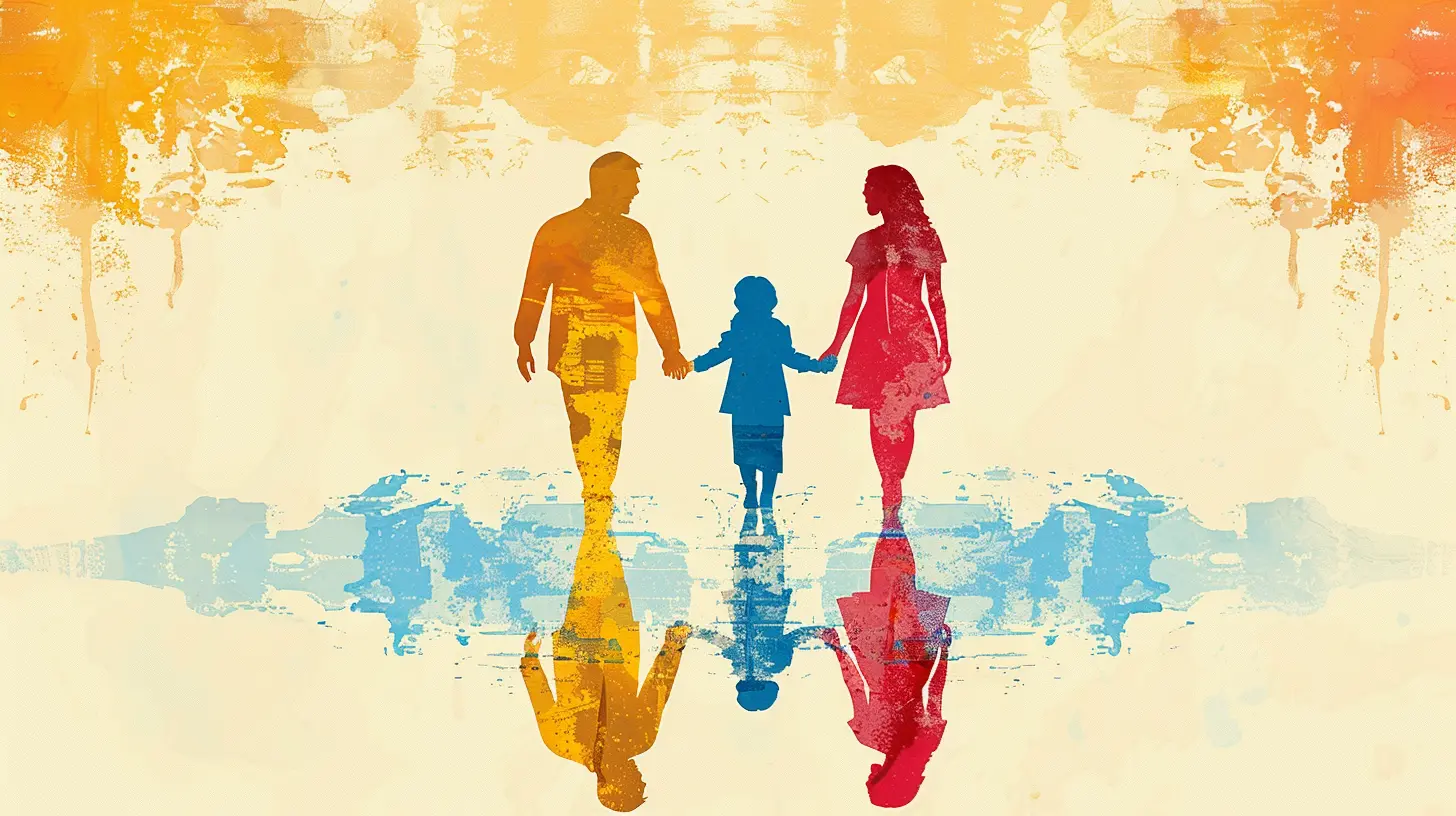
So, Who’s Doing It Right?
Here’s the juicy part—there’s no universal "best" way to parent. What works wonderfully in one culture might flop completely in another. And that’s okay.For example, Western parenting may seem overly lenient to someone from a more traditional culture. On the flip side, Asian-style parenting may appear too strict or emotionally distant to someone used to open dialogue and child-centered homes.
But what if we stopped seeing it as a competition and started appreciating it as a cultural dance? Each step, each rhythm, makes sense in its own song.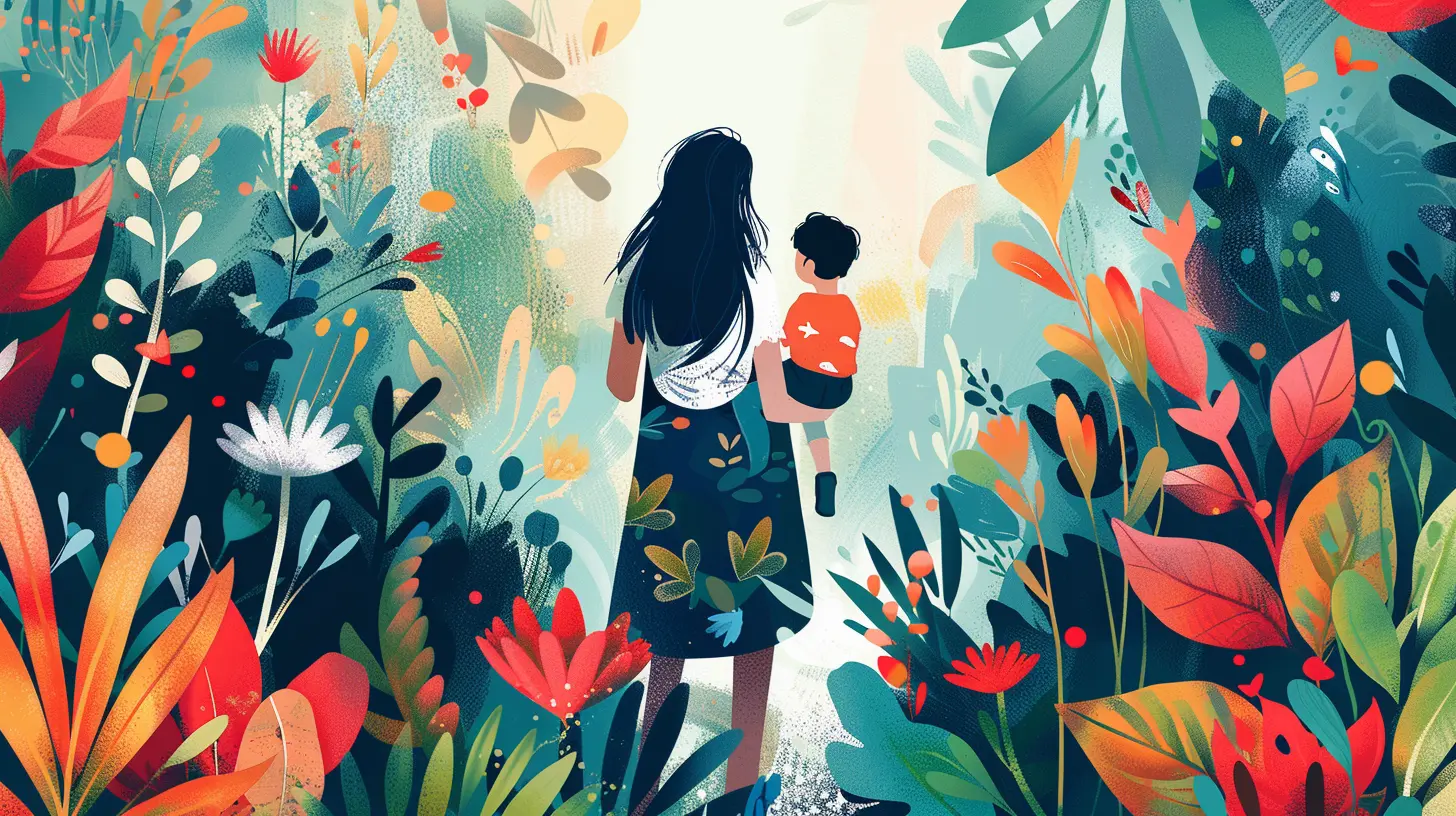
How Culture Shapes Expectations (Yep, Even From Birth!)
Culture doesn’t just tap us on the shoulder when we become parents—it grabs us by the collar from day one.🎯 Early Childhood
From the very first “goo goo ga ga,” cultural norms kick in. Some cultures encourage babies to sleep in their own cribs from week one—others co-sleep well into toddlerhood.Even how we interpret crying varies! One culture might see it as a call for attention (which must be addressed ASAP), while another views it as a tool for emotional regulation (yep, some believe letting babies cry is part of the training process).
🎓 Education
Ask five parents around the world what "success" looks like, and you might get wildly different answers.- In Japan or South Korea: Top exam scores.
- In the U.S.: A well-rounded child who’s good at sports, arts, and academics.
- In Finland: A happy, socially adjusted child.
The educational system often mirrors these values too. Some countries emphasize memorization and respect for authority, while others focus on creativity and self-expression.
🧠 Emotional Expression
Ever been in a situation where your kid throws a tantrum in public and you suddenly feel the heat of a thousand eyes on your back? Well, those judgmental eyes are culturally trained.In some cultures, public outbursts are no biggie—kids are expressing themselves! In others, they’re seen as serious misbehavior and a reflection of the parent’s control (or lack thereof).
The Immigrant Parent Dilemma: Caught Between Two Worlds
Let’s talk real life. Imagine growing up in one culture, then moving to another and trying to raise kids in a completely different environment. That’s the immigrant parent struggle in a nutshell.Mom and Dad want their kids to hold onto heritage values—language, respect for elders, religious traditions. But the kids? They’re out here soaking up the host culture through school, media, and friends. Conflict is almost inevitable.
What’s a parent to do?
🛠 Parenting hack: Blend the best of both worlds. Hold onto the values that matter most, but stay open to new parenting skills that help your child thrive in both cultures.
It’s not a betrayal—it’s evolution.
The Pressure to Conform (Thanks, Social Media…)
Let’s be honest. Parenting used to be influenced mostly by your direct community—neighbors, family, local traditions. But now? We have Instagram, TikTok, and Facebook groups cranking up the volume on "perfect" parenting.Suddenly, you feel like a bad parent because you didn’t do a Montessori-inspired birthday picnic with goat milk cupcakes and hand-painted wooden toys.
Remember: These platforms rarely show the full cultural context behind parenting choices. What looks like a "spoiled child" in one culture might be considered nurtured and well-attached in another.
So, can we all agree to stop judging and start understanding?
Teaching Kids About Cultural Differences in Parenting
Here’s something beautiful: The more culturally aware you are, the more open-minded your kids will become.Start young. Talk to them about how different families do things differently—and that’s not weird, it’s wonderful. Encourage cultural curiosity, not conformity.
🧭 Try this:
- Read books about different cultures.
- Attend cultural festivals together.
- Cook meals from around the world and talk about where they come from.
- Share stories from your own childhood (especially if you grew up in a different culture).
These small actions can leave a big imprint.
Why Cultural Sensitivity Matters in Parenting Conversations
One of the biggest mistakes we make when talking about parenting is assuming our way is the only (or best) way. But cultural sensitivity helps us listen, learn, and lead with empathy.Instead of saying:
> “I can’t believe they let their kids stay up that late!”
Try:
> “I wonder what value they're honoring by letting their kids stay up—maybe it’s about family time?”
It’s a tiny shift, but one that opens the door to understanding rather than judgment.
Embracing Your Own Cultural Parenting Style—Without Guilt
If you're a parent who’s constantly second-guessing whether you’re doing it “right,” here’s your permission slip to relax.You are a unique blend of your upbringing, your values, your circumstances, and your vision for your family. Whether you parent with a strong emphasis on structure, freedom, emotional openness, or academic ambition, just own it.
Parenting isn’t a math problem with one correct answer. It’s more like a recipe—everyone’s got their own twist.
So if your cultural values lead you to do things differently than your friend, your neighbor, or that mom on YouTube—that’s not just okay, it’s beautiful.
Final Thoughts: Culture Doesn’t Divide Us—It Enriches Us
Parenting around the world may look different, sound different, and even feel different—but at the core, it's driven by love, care, and the hope of raising kind, capable humans.Understanding how cultural values shape parenting styles and expectations helps us drop the judgment and pick up empathy. Whether you're guiding your children based on ancient customs, modern ideologies, or a mash-up of both, remember this:
You're not raising a robot. You're raising a human, in a vibrant, complex, and beautiful world. And you're doing just fine.
all images in this post were generated using AI tools
Category:
Parenting StylesAuthor:

Austin Wilcox
Discussion
rate this article
2 comments
Willow McBride
Let’s be real: parenting is a wild ride influenced by culture, but if we don’t blend tradition with a sprinkle of modern sass, we might just miss out on the fun!
March 14, 2026 at 4:12 AM
Austin Wilcox
Absolutely! Embracing both tradition and modern influences enriches our parenting journey, making it both meaningful and enjoyable.
Megan Kearns
Great insights! Embracing diverse cultural values enriches our parenting journey and strengthens family bonds.
February 25, 2026 at 4:12 AM
Austin Wilcox
Thank you! I completely agree—embracing diverse cultural values truly enhances our parenting experiences and fosters stronger family connections.