How Daily Routines Can Help Reduce Sibling Rivalry
16 December 2025
Sibling rivalry is something almost every parent deals with at some point. Whether it’s fighting over toys, arguing about who gets the bigger slice of cake, or simply competing for attention, siblings have a natural tendency to clash. While some level of sibling rivalry is normal, too much of it can create a stressful home environment.
The good news? A well-structured daily routine can work wonders in reducing sibling rivalry. When kids know what to expect each day, it minimizes unpredictability, lowers stress, and fosters a sense of fairness. Let’s dive into how daily routines can help bring more peace to your home.
Why Sibling Rivalry Happens
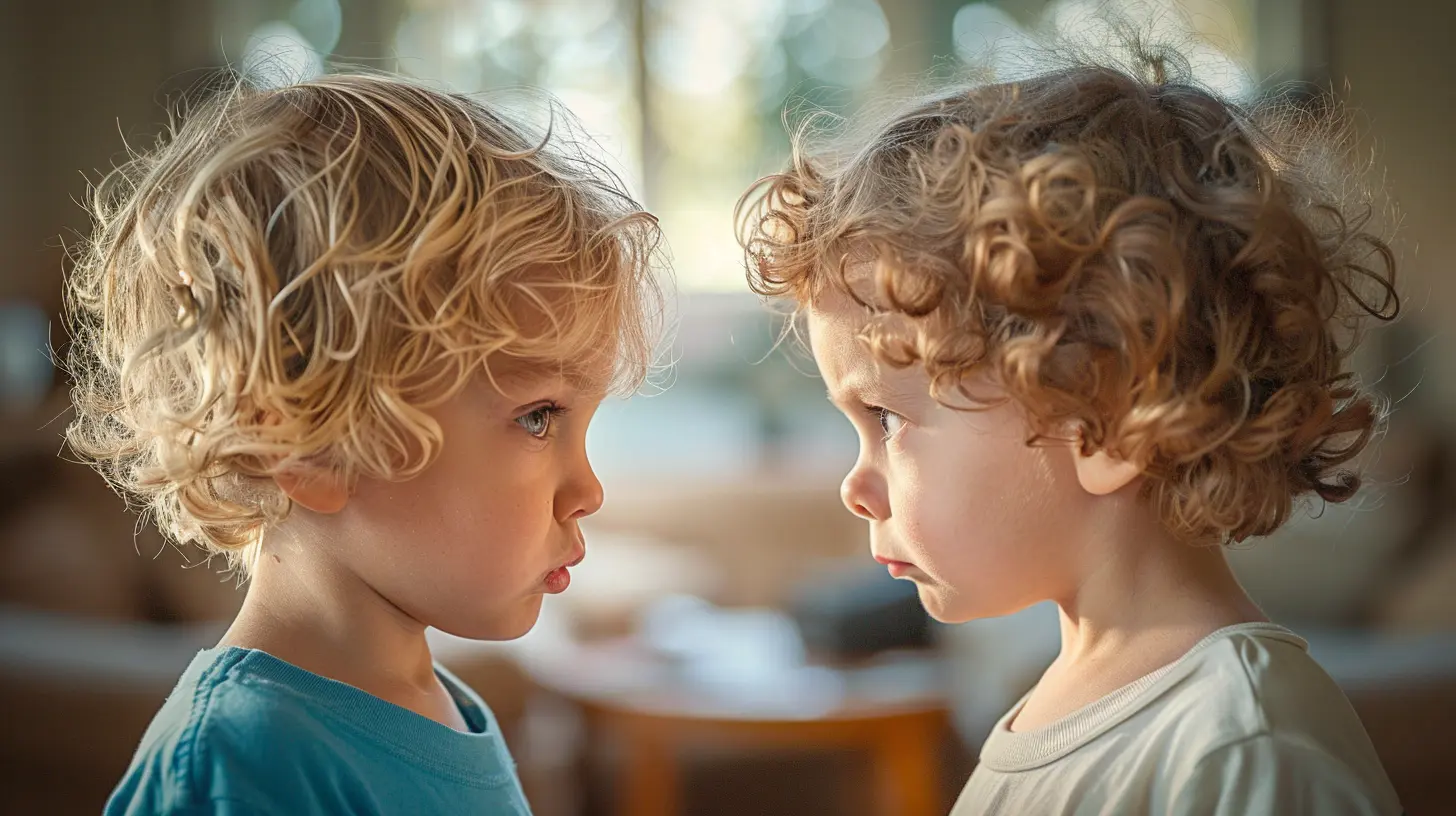
Before we talk about solutions, it’s important to understand why siblings fight in the first place.1. Competition for Attention – Kids naturally want their parents' attention, and when they feel one sibling is getting more of it, jealousy kicks in.
2. Differences in Personality – Every child has a unique temperament. An energetic child and a quiet one may struggle to get along simply because of their differences.
3. Developmental Stages – Younger kids may be more impulsive and not yet understand how to share or take turns.
4. Lack of Boundaries – Without clear rules, kids may push each other’s limits, leading to constant conflicts.
5. Unfair Treatment (Real or Perceived) – If children think their sibling is being treated better, they may act out as a way of expressing frustration.
Understanding these triggers is the first step toward finding effective solutions. And that’s where daily routines come in.
How Daily Routines Reduce Sibling Rivalry
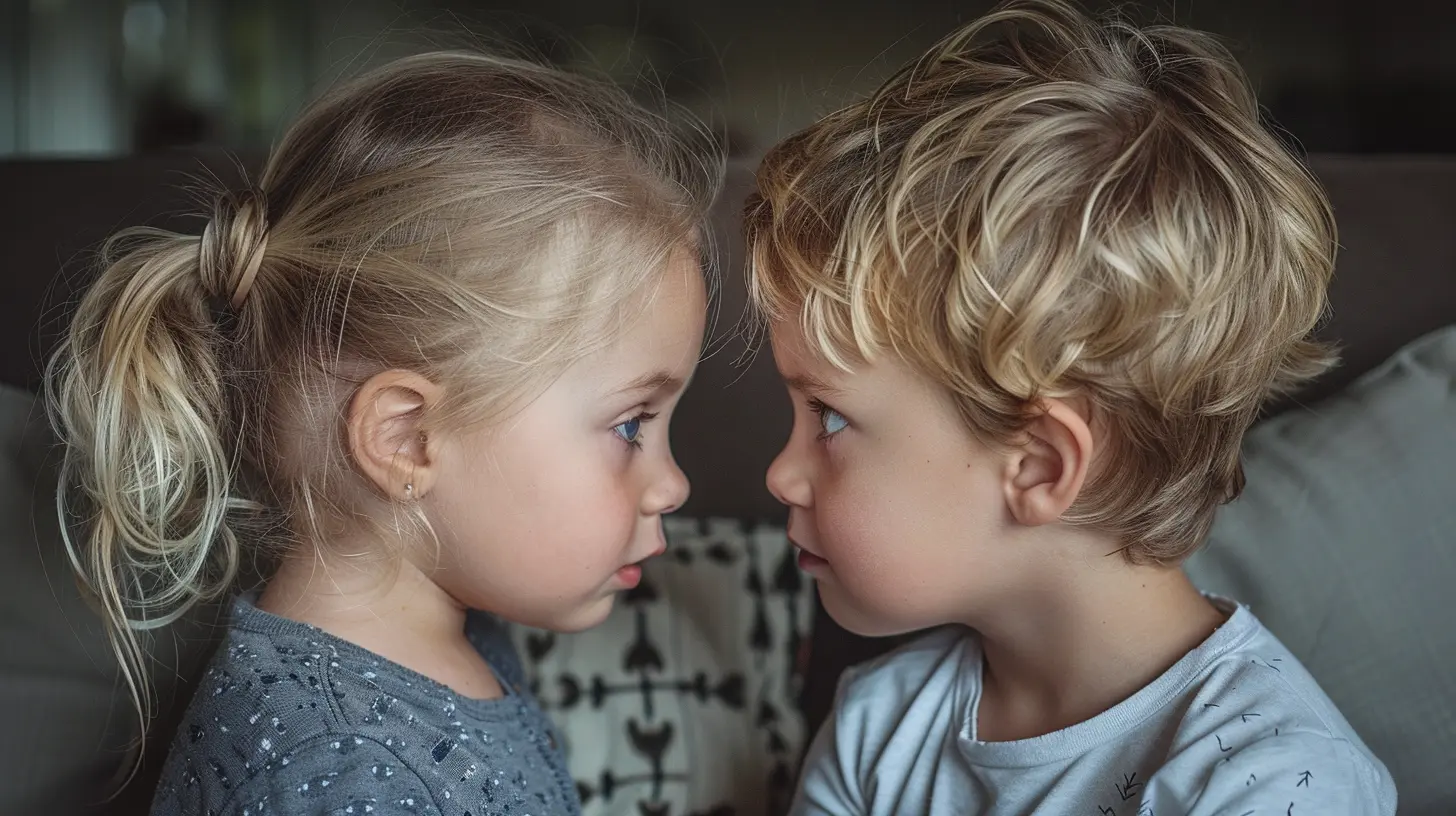
1. Routines Create Structure and Stability
Kids thrive on structure. When they know what’s coming next, they feel secure. When their days follow a predictable pattern, there’s less room for arguing over who gets to do what and when.For example, if your children know that bedtime always starts at 8:00 PM with brushing teeth, followed by storytime, and then lights out, there’s less room for negotiations or fights about staying up later than the other.
2. They Minimize Jealousy Over Parent Time
Sibling rivalry often flares up when kids feel they aren’t getting enough one-on-one time with their parents. A routine that includes scheduled parent-child time can help address this.Example:
- 20 minutes of reading time with each child before bed.
- A designated “one-on-one day” each week where one child gets to pick an activity to do with a parent.
This ensures that each child feels valued and seen, reducing the need to compete for your attention.
3. They Set Clear Expectations for Sharing and Turn-Taking
Disputes often arise over shared resources—whether it’s a toy, the TV remote, or time with mom and dad. A routine that clearly outlines when and how things are shared can help reduce these fights.Example of a Sharing Routine:
- Alternating playtime with a favorite toy. One child gets 15 minutes, then the other takes a turn.
- Rotating who gets to pick the family movie on movie nights.
- Using a visual schedule so kids know whose turn it is for certain privileges.
When sharing rules are built into a routine, kids know what to expect, and fights become less frequent.
4. Meal Routines Encourage Bonding, Not Bickering
Mealtimes can either be a source of connection or chaos. A solid mealtime routine sets a positive tone, helping siblings bond instead of bicker.Ways to Make Mealtime Routine Work:
- Establish roles: One child sets the table, the other clears it.
- Encourage conversation: Ask each child to share “the best part of their day.”
- Create no-interruption rules: If a child wants to talk, they wait their turn instead of talking over their sibling.
When meals are predictable and structured, they become a time to connect rather than argue.
5. Bedtime Routines Reduce Nighttime Fights
Some of the worst sibling rivalries happen at bedtime—arguing over who gets to stay up later, who gets to sleep where, or who gets the most kisses from mom and dad. A defined evening routine can help reduce these battles.Example of a Smooth Bedtime Routine:
- Both kids brush their teeth at the same time.
- Each child gets 10-15 minutes of individual reading time with a parent.
- Lights out happens at the same time for both (or with a clear rule for older kids).
When kids know bedtime is non-negotiable and follows a routine, there’s less room for arguing.
6. Routines Teach Conflict Resolution Skills
A daily routine can also teach kids valuable life skills, like compromise and conflict resolution. For example:- Morning Routines: If there’s always a morning fight over the bathroom, establish a schedule where each child gets a set amount of time.
- Chore Routines: Instead of arguing about chores, set up a rotating system so each child has a fair share of responsibilities.
- Screen Time Rules: If screen time is limited to 30 minutes per day per child, they’re less likely to battle over who gets more.
By baking fairness into their daily routine, kids learn that things don’t always go their way—and that’s okay.
Tips for Creating Effective Sibling Peace-Making Routines
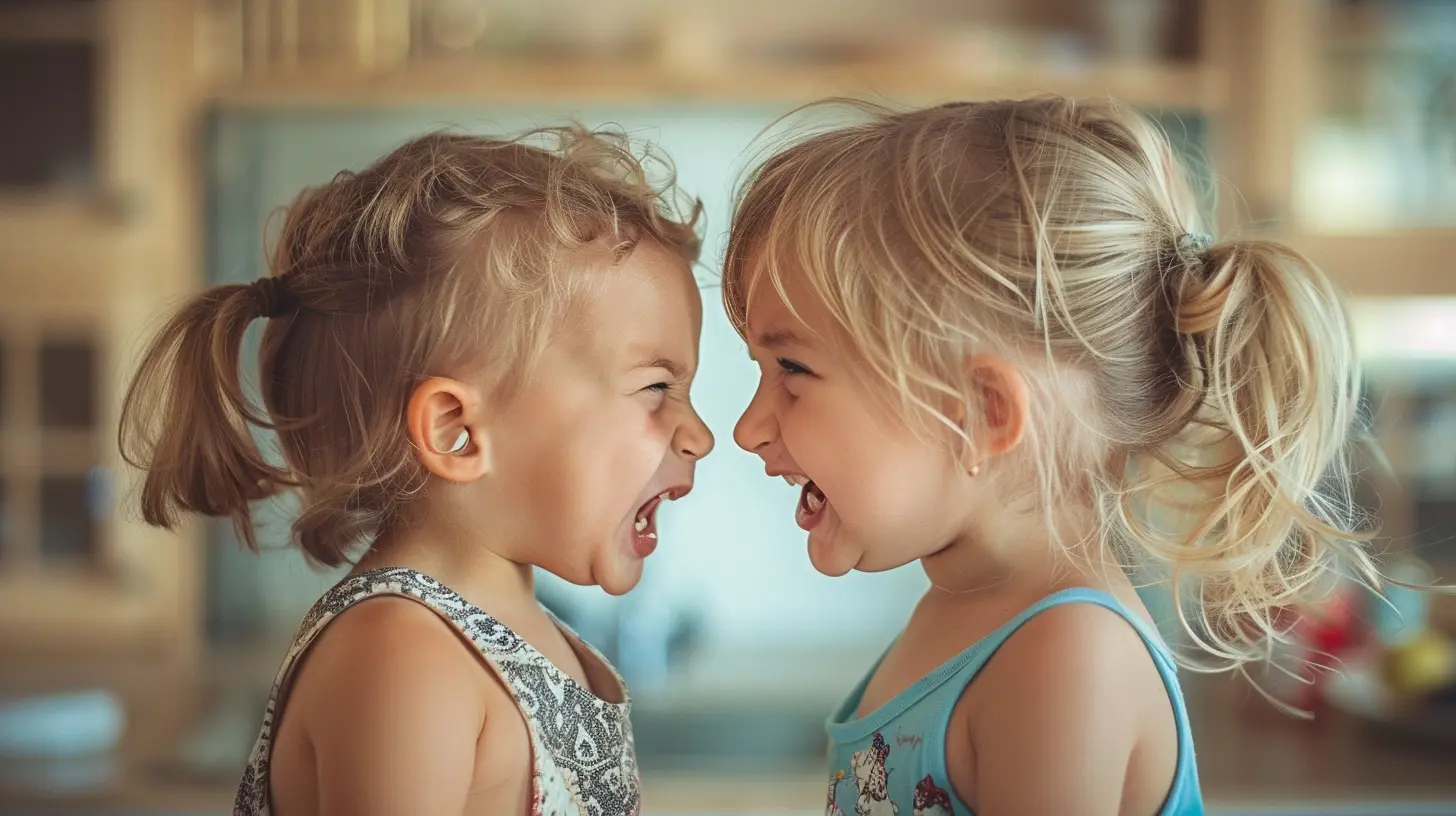
1. Involve Your Kids in the Process – Let them have a say in how routines are structured. When kids feel involved, they’re more likely to follow the routine without resistance.2. Use Visual Schedules – A visual chart can help younger kids understand the schedule better.
3. Be Consistent – The more consistent you are, the better the routine will work. If you keep changing things up, kids may resist following the plan.
4. Stay Flexible When Needed – While consistency is important, life happens. Be willing to adjust routines when necessary, but always communicate changes in advance.
5. Set Clear Consequences – If a child refuses to follow the routine, have clear, reasonable consequences in place (like losing a privilege).
Final Thoughts
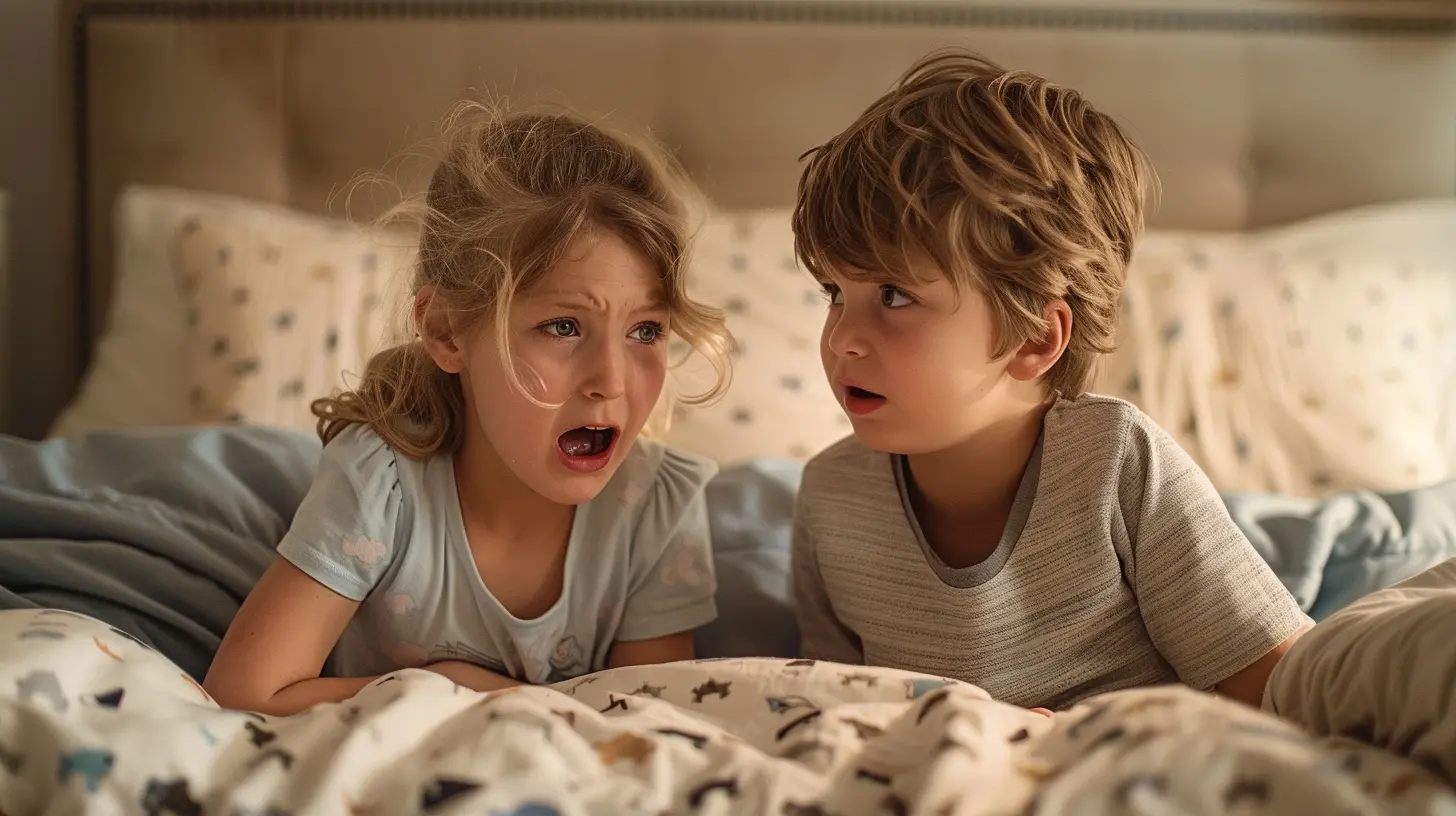
Sibling rivalry can be exhausting, but a well-structured daily routine can help significantly. By reducing unpredictability, ensuring fairness, and setting clear expectations, routines can create a more peaceful home. While there will still be occasional squabbles, having a structured daily plan can make conflicts less frequent and more manageable.At the end of the day, the goal isn’t to eliminate sibling rivalry entirely—that’s just part of growing up! Instead, it’s about creating an environment where kids learn important life skills like patience, fairness, and compromise. And who knows? With a little routine, they might even start enjoying each other’s company (at least sometimes!).
all images in this post were generated using AI tools
Category:
Sibling RivalryAuthor:

Austin Wilcox
Discussion
rate this article
2 comments
Levi Whitaker
This article offers practical insights into using daily routines to mitigate sibling rivalry. Establishing consistent schedules not only fosters a sense of security but also helps children learn cooperation and respect. Simple strategies can make a big difference in promoting harmony at home.
December 18, 2025 at 3:18 AM
Austin Wilcox
Thank you for your thoughtful comment! I'm glad you found the insights on daily routines helpful in promoting harmony and cooperation among siblings.
Starling Stewart
Great insights! Establishing daily routines truly fosters a sense of security and cooperation among siblings, ultimately reducing rivalry. Thank you for sharing!
December 17, 2025 at 4:56 AM
Austin Wilcox
Thank you for your thoughtful comment! I'm glad you found the insights helpful. Establishing routines can indeed make a positive difference in sibling relationships.