How Local Volunteering Can Teach Kids Lifelong Values
10 November 2026
Volunteering in local communities is more than just an act of kindness; it is an impactful way to instill lifelong values in children. As parents, we often seek out opportunities that enhance our children's character development. Local volunteering provides a unique platform to teach kids about empathy, responsibility, and the importance of giving back. In this article, we will explore how local volunteering can shape children's values, offer practical advice on getting started, and highlight potential challenges and rewards that come with it.

The Importance of Values in Child Development
Values form the foundation of character. They guide decision-making, influence behavior, and shape how children interact with the world. Research shows that children who are raised with strong values tend to develop better emotional intelligence, social skills, and resilience. Volunteering is a practical application of these values, allowing kids to see firsthand the impact of their contributions.Empathy: Understanding Others' Experiences
One of the most significant values that volunteering fosters is empathy. When children engage with their community, they encounter diverse people and life situations. This exposure helps them understand the struggles and triumphs of others, sparking compassion and a desire to help. For example, volunteering at a local food bank can reveal to a child the realities of food insecurity, encouraging a deeper understanding of gratitude and social responsibility.Real-World Example
Consider a child who spends time at a senior center, interacting with elderly residents. Through these interactions, the child learns about the challenges of aging, loneliness, and the importance of companionship. This experience cultivates empathy, as the child begins to see the world through someone else's eyes.Responsibility: Commitment to Service
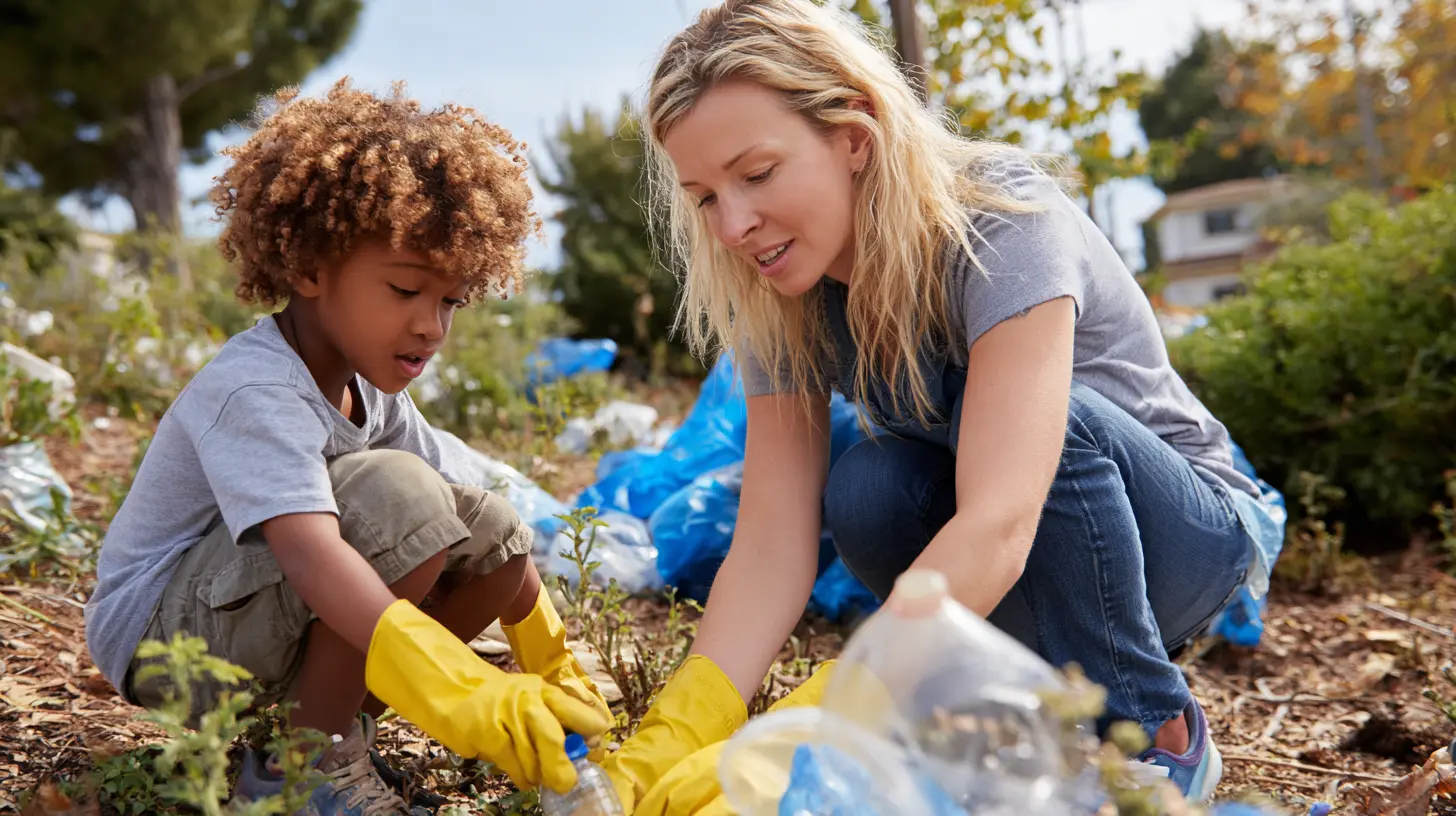
Volunteering teaches children about responsibility. When they commit to a local project-whether it is cleaning up a park or helping out at an animal shelter-they learn that their time and effort can make a difference. This sense of accountability is crucial; it helps children recognize that their actions have consequences, both positive and negative.Practical Advice
Start small. Choose a manageable project that fits into your family's schedule. For example, a monthly park clean-up can introduce kids to the idea of commitment. Over time, as they grow comfortable with the routine, they can take on more significant roles, such as organizing events or leading younger volunteers.Teamwork: Collaboration and Social Skills
Many volunteer opportunities require teamwork, which is essential for developing social skills. Whether it's working together to sort donations or collaborating on a community garden, children learn to communicate, listen, and compromise. These experiences lay the groundwork for effective collaboration in school, work, and personal relationships.Benefits of Teamwork
1. Improved Communication: Kids learn how to express their ideas clearly and respectfully.2. Conflict Resolution: Working in groups often leads to disagreements, teaching children how to navigate conflict constructively.
3. Shared Accomplishments: Celebrating success as a team fosters camaraderie and a sense of belonging.
Getting Started with Local Volunteering
Finding Opportunities
The first step to local volunteering is finding suitable opportunities. Many communities have resources available, such as local non-profits, schools, and faith-based organizations. Websites like VolunteerMatch and local community boards can also provide listings of volunteer opportunities that fit your family's interests.Criteria for Choosing Volunteering Opportunities
- Interests: Consider what your child is passionate about. If they love animals, look for opportunities at animal shelters. If they enjoy nature, park clean-up events might be appealing.- Age Appropriateness: Ensure the volunteering task is suitable for your child's age and abilities. Some organizations have specific age requirements.
- Time Commitment: Choose opportunities that fit your family's schedule. A regular commitment, such as monthly volunteering, can be more manageable than a one-time event.
Preparing Your Child
Before diving into volunteering, have a conversation with your child about what to expect. Discuss the mission of the organization, the people they will be helping, and the tasks they will be performing. This preparation can help alleviate anxiety and foster excitement.Encouraging Reflection
After each volunteering experience, take time to reflect as a family. Ask your child open-ended questions such as:- What did you enjoy most about volunteering today?
- Were there any moments that surprised you?
- How do you feel about the impact of your work?
This reflection not only reinforces the values learned but also encourages critical thinking and emotional processing.
Challenges of Volunteering
While the benefits are clear, there are challenges to consider when involving children in local volunteering. Acknowledging these obstacles can help parents navigate them effectively.Time Constraints
With busy schedules, it can be challenging to fit volunteering into family life. It's essential to prioritize and recognize that even small contributions matter. A family volunteering day can be planned monthly or even seasonally, making it easier to commit without overwhelming your schedule.Motivation Levels
Children's motivation can fluctuate. It is common for them to feel excited about volunteering initially but lose interest over time. To combat this, keep the experience fresh by trying different activities or engaging them in the decision-making process about where to volunteer next.Emotional Challenges
Volunteering can expose children to difficult realities, such as poverty, illness, or loss. Parents should be prepared to support their children emotionally. Encourage open discussion about feelings that arise and validate their emotions while providing context. Reinforce the idea that their efforts can bring hope and change, even in small ways.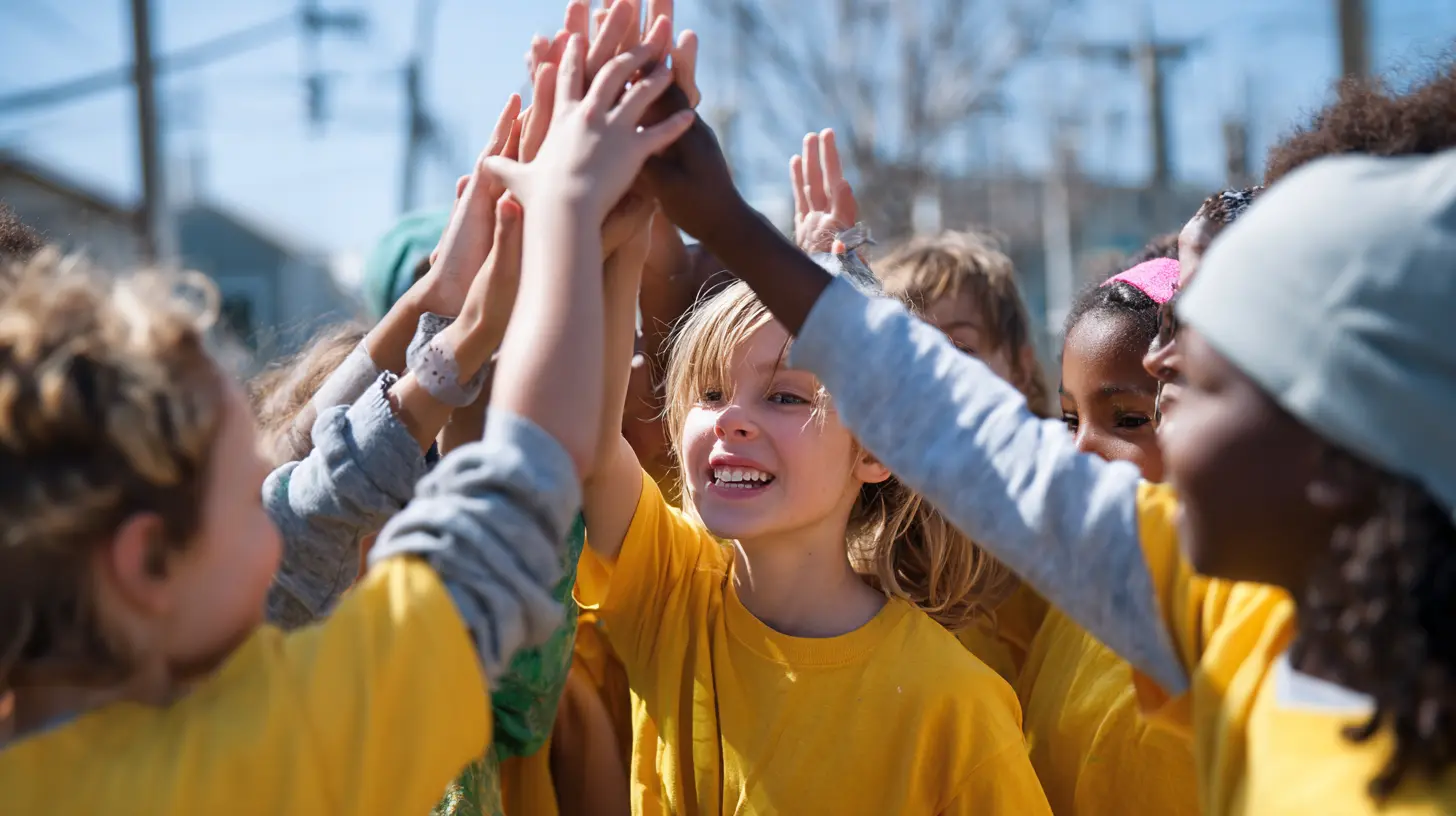
Long-Term Impact of Volunteering
The values instilled through local volunteering often extend far beyond childhood. Studies suggest that children who volunteer are more likely to continue giving back as adults. This lifelong commitment to community service can result in a more engaged and empathetic citizenry.Building a Lifelong Habit
Encouraging a volunteering mindset during childhood can lead to a lifetime of community involvement. Today's children are tomorrow's leaders, and fostering a sense of social responsibility can create a ripple effect. As they grow into adults, they may take on leadership roles in various organizations, influence policy, and inspire future generations.The Broader Community Impact
When families volunteer together, they contribute to a culture of giving in their community. This collective effort can lead to more robust community networks, greater awareness of local issues, and a stronger sense of belonging.Common Misconceptions About Volunteering
"Volunteering is Only for Adults"
One prevalent myth is that significant volunteering requires adult-level commitment or skills. In reality, many organizations welcome children and families, and age-appropriate opportunities abound. Kids can contribute meaningfully, whether through simple acts or more involved tasks."Volunteering is a One-Time Event"
Many people view volunteering as a sporadic activity rather than an ongoing commitment. Regular volunteering teaches children about dedication and the long-term impact they can have on their community.
Best Practices for Family Volunteering
To maximize the benefits of local volunteering, consider these best practices:1. Involve Kids in Decision-Making: Allow children to choose where and how they want to volunteer. This empowerment can lead to greater enthusiasm and engagement.
2. Set Realistic Expectations: Understand that not every experience will be perfect. Focus on the lessons learned rather than the outcome.
3. Celebrate Successes: Acknowledge and celebrate the contributions made, no matter how small. This recognition reinforces the value of their efforts.
4. Create a Volunteering Family Tradition: Establish a regular volunteering activity that the family looks forward to. This can create lasting memories and deepen family bonds.
Conclusion
Local volunteering is a powerful avenue for teaching kids important values that will serve them throughout their lives. By engaging in community service, children learn empathy, responsibility, teamwork, and the importance of giving back. While challenges exist, the rewards-both for the child and the community-far outweigh the difficulties. As parents, encouraging local volunteering is an investment in our children's character, paving the way for them to become compassionate and responsible adults.
all images in this post were generated using AI tools
Category:
Parenting And CommunityAuthor:

Austin Wilcox