How Music Stimulates Your Baby's Brain
1 February 2026
Ever wondered why lullabies have stood the test of time? Or why your little one suddenly starts bopping to a simple tune before they can even crawl? Music does more than just soothe—it shapes, builds, and boosts your baby’s brain in some pretty amazing ways. From the womb to toddlerhood, those melodies and beats do a lot more than fill the silence.
Let’s break it down, shall we? We’re diving into how music isn’t just background noise—it’s brainfuel.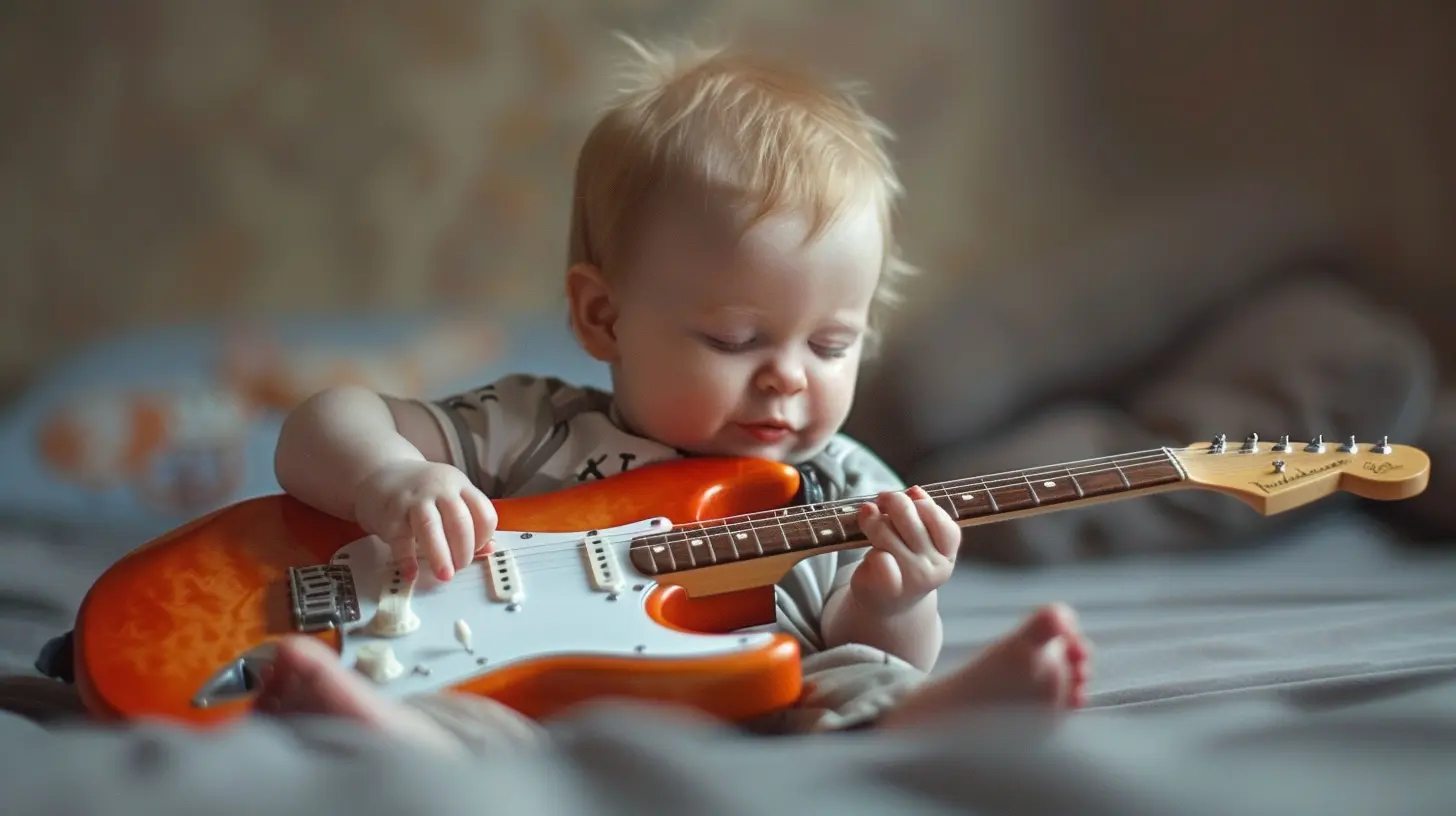
The Science Behind the Sound
Okay, first things first. What actually happens in your baby’s brain when music plays?Think of music as an all-in-one brain workout. When your baby hears music, various parts of their brain light up like a Christmas tree. We’re talking language areas, memory zones, motor regions, emotion centers—you name it.
Music stimulates both hemispheres of the brain. That’s like giving your baby a mental double espresso (without the caffeine, obviously). The patterns, rhythm, tonal variations, and repetition in music tickle brain cells in just the right way to encourage rapid development.
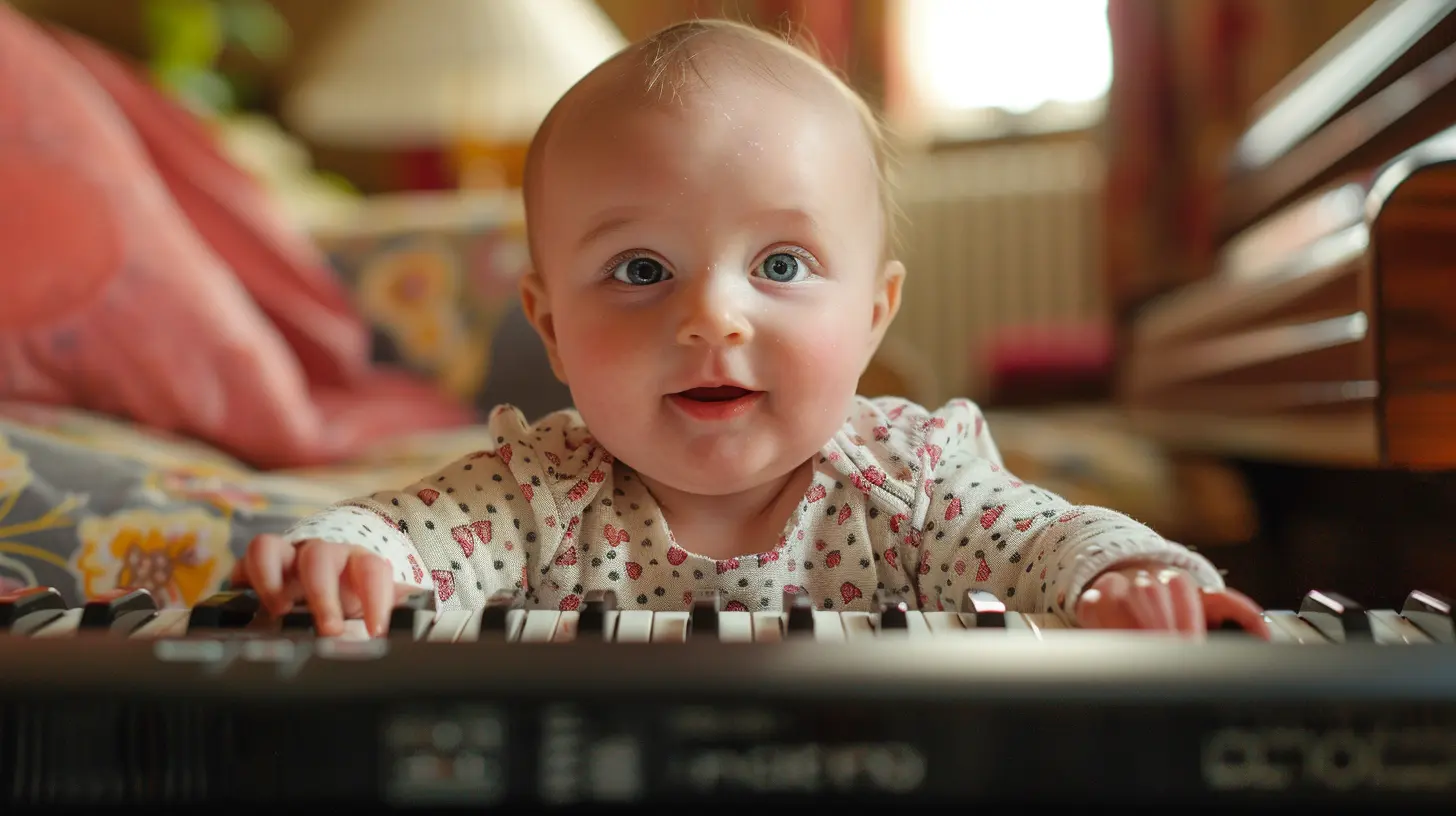
Music and the Baby Brain: A Timeline
Let’s take a musical journey through your baby’s early development:🎧 Before Birth – Womb Jams
Yep, it starts that early.Around 18-20 weeks into pregnancy, your baby’s ears start developing. By week 25, they're already reacting to sounds. And guess what? Music, especially low-frequency sounds (like a calming cello or soft lullaby), travels through amniotic fluid quite effectively.
Babies can hear—and even recognize—music they were exposed to in the womb. Ever noticed a newborn calming down to a song you played while pregnant? That’s not a coincidence.
🐣 Newborn to 3 Months – The Foundation Phase
During these months, babies are soaking up sounds like tiny sponges. Their brain is working overtime to form connections. Music helps strengthen this neural wiring.Simple lullabies calm them and help regulate emotions. Rhythmic patterns? They lay the groundwork for early speech development. It's like your baby is filing away musical patterns for future use.
👶 4 to 12 Months – Language and Motor Boosters
Here's where things get really fun.Babies this age start to vocalize more. Guess what helps? Yep, music. Ever heard your baby babble along to a song? That’s early speech practice! Those “da-da-da”s are baby’s way of keeping up with the beat.
Also, don’t forget movement. When babies wiggle, kick, or bounce in response to music, they're building motor skills and coordination. It’s not just cute—it’s developmental gold.
🧠 Toddler Time – Brain Building in Full Swing
As your baby becomes a toddler, musical play does even more. Songs with actions (think “If You’re Happy and You Know It”) tie physical and cognitive development together. They help with memory, sequencing, and even early math skills (thank you, rhythm and timing).Kids also start expressing emotions through music. Sad tunes, happy beats—it helps them process feelings and build emotional intelligence.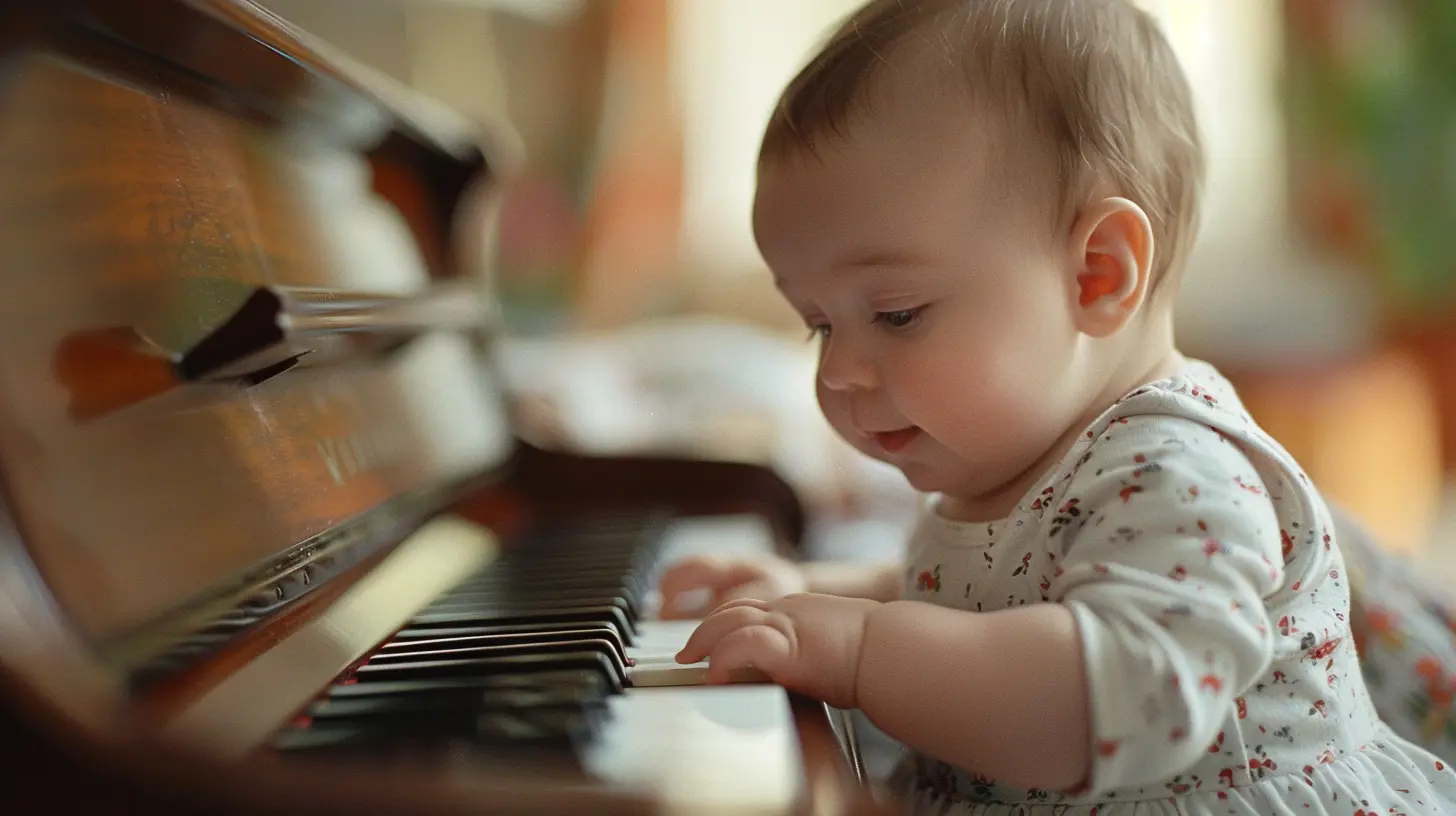
Music and Speech: The Superpower Connection
Music is basically the training wheels for language. Why? Because both involve rhythm, tone, pacing, and pitch.When babies listen to music, they’re practicing the building blocks of speech. Ever noticed how nursery rhymes have a natural sing-song quality? That’s deliberate—it mirrors the prosody of speech (think intonation and emphasis).
And here's a little neuroscience nugget—studies show babies exposed to music regularly often develop language skills earlier and with greater complexity.
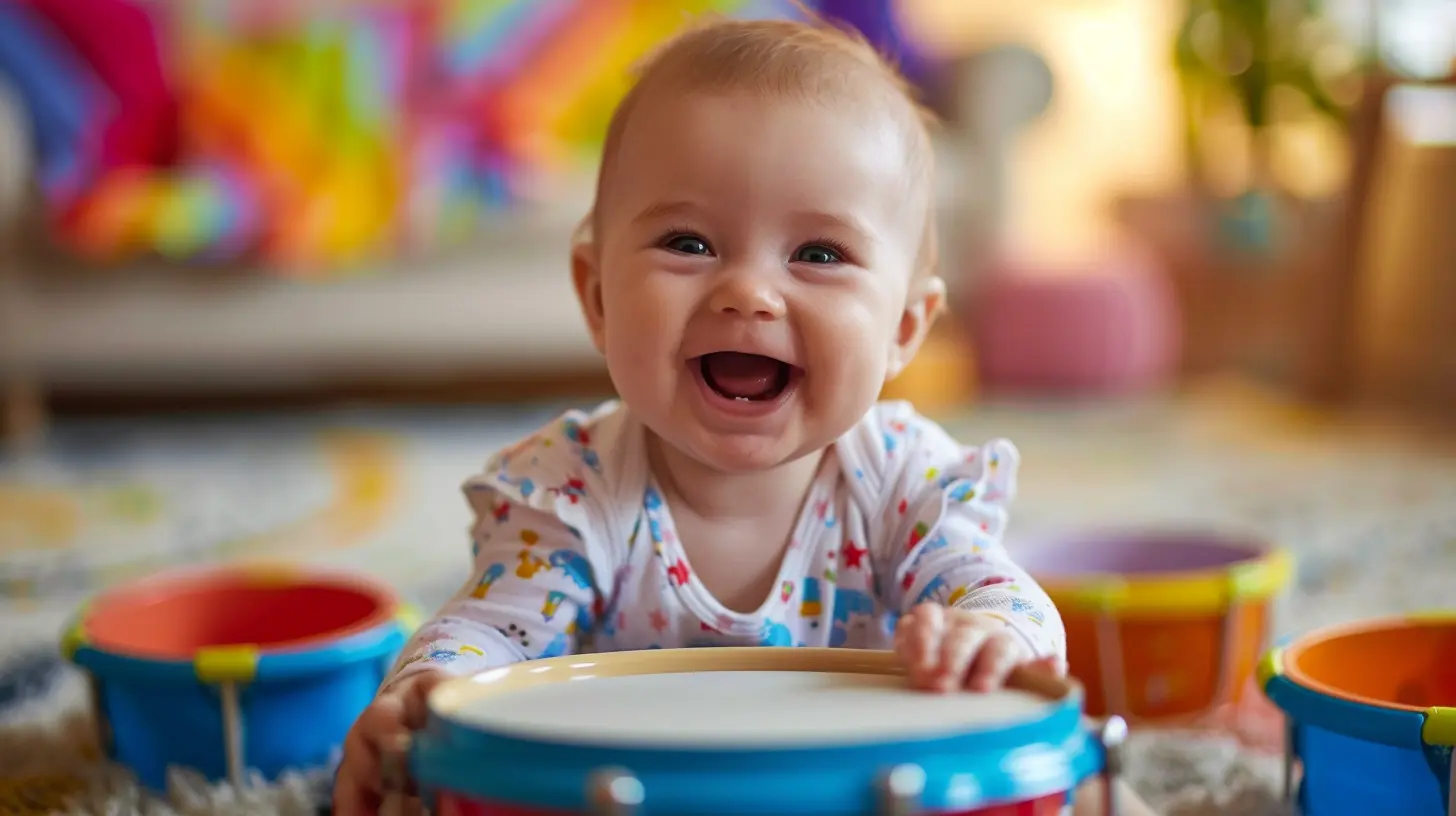
Emotional Regulation: Music as Baby’s Mood Manager
You know the miracle of a lullaby when your baby is mid-meltdown? That’s not magic—it’s music working its emotional magic.Slow, soft tunes can lower cortisol (that pesky stress hormone) and promote the release of dopamine (the feel-good stuff). Music helps babies regulate their emotions, even before they have words.
Plus, shared musical moments with you? That strengthens emotional bonds like nothing else. It’s co-regulation at its finest.
Music Fuels Memory and Learning
Do you remember the alphabet song? Of course, you do—and you probably learned it before you could tie your shoes.That’s the power of music and memory. Music helps encode patterns, making information easier to retain. Repetitive songs strengthen neural pathways. The more your baby hears them, the stronger those pathways become.
And get this—research suggests that regular musical exposure can even enhance spatial-temporal skills. That’s the fancy stuff needed for problem-solving and math. So yes, “Twinkle Twinkle” is actually prepping your baby for algebra (mind-blown, right?).
Interactive Music Time: Quality Over Quantity
It’s tempting to rely on Baby Mozart playlists on repeat… but here’s the deal—live, interactive music time is where the magic happens.Singing with your baby, clapping hands, swaying to the beat, or playing simple instruments like shakers or tambourines engages multiple senses. That multisensory experience? It supercharges brain development.
Tips for Music Time That Counts:
- Keep it simple. No need for a concert. Your voice is enough.- Repeat songs often. Babies adore repetition. It strengthens neural connections.
- Add movement. Clap, bounce, sway—linking movement to music levels up learning.
- Use facial expressions. Babies learn emotion and language by watching your face.
- Encourage response. Give space for your baby to coo or babble between verses.
You’re not just singing—you’re sculpting a brain.
What Kinds of Music Work Best?
Honestly? Almost anything can be beneficial, but here are a few guidelines:✔️ Go for:
- Simple melodies: Easy tunes help babies recognize patterns.- Rhythmic consistency: Think nursery rhymes and lullabies.
- Interactive songs: “The Wheels on the Bus,” “Head, Shoulders, Knees, and Toes,” etc.
- Cultural variety: Exposing your baby to different musical styles broadens neural pathways and promotes inclusivity.
❌ Avoid:
- Loud or jarring music: It can overstimulate or startle a baby.- Overly complex music: Jazz and syncopated beats can be confusing for very young ears.
Think more “Itsy Bitsy Spider,” less “Beethoven's 5th Symphony” (at least for now).
Everyday Ways to Add Music to Your Baby’s Life
You don’t have to be a music teacher or concert pianist. Here are totally doable ways to make music part of your everyday routine:- Sing during diaper changes (makes it easier for both of you… trust me).
- Create a “wake-up” and “goodnight” song.
- Have dance parties in the living room.
- Make up silly songs about your baby’s name or toys.
- Use rhythm to structure the day. Even mealtime can have a theme song!
No instruments? No problem. Use spoons, pots, or even your own body for rhythmic clapping.
The Long-Term Payoff: Music Leaves a Mark
So what does all this early musical exposure really mean long-term?Research backs this up—babies who grow up with regular music exposure tend to:
- Develop stronger language and reading skills
- Show better memory and attention span
- Have improved social skills and empathy
- Gain confidence in movement and creativity
In short? You’re not just raising a baby—you’re raising a brainiac with rhythm.
Final Thoughts: Music, The Brain’s Favorite Language
Here’s the truth: you don’t need fancy gadgets or pricey classes. The most powerful musical tool is you—your voice, your love, your presence.Music isn’t just entertainment. It’s a bridge. It connects your baby to the world, to others, and to the parts of their brain that will guide them for life.
So go ahead—sing off-key, dance like no one’s watching, and keep the music flowing. Your baby’s brain is applauding you already.
all images in this post were generated using AI tools
Category:
Infant DevelopmentAuthor:
Austin Wilcox
Discussion
rate this article
2 comments
Lila Howard
Loved this article! It’s amazing how music can enhance our babies' development. Incorporating tunes into their daily routine sounds like a joyful way to stimulate their minds!
February 28, 2026 at 3:26 PM
Austin Wilcox
Thank you! I'm glad you enjoyed it. Music truly can make a big difference in a baby's development.
Ziva McMeekin
Oh sure, because nothing says "future genius" like a baby jamming out to Beethoven while drooling on their rattle. Clearly, Mozart is the secret to acing those toddler tantrums!
February 2, 2026 at 5:44 PM
Austin Wilcox
Music may not solve every problem, but it can spark brain development and creativity in infants. Even a little Beethoven can go a long way!