How Outdoor Time Can Help Reduce Childhood Anxiety
17 May 2026
Let’s be honest—childhood isn’t always carefree. With increasing school pressures, social demands, packed schedules, and screen overload, it’s no surprise that anxiety among kids is climbing to all-time highs. And as a parent, nothing’s harder than seeing your child stressed, worried, or overwhelmed.
But what if we told you the solution could be as simple as stepping outside?
Yep, we're talking about good ol’ fresh air, sunshine, grass underfoot, and maybe a tree or two. Spending time outdoors isn’t just fun—it’s one of the most powerful (and underrated!) tools for calming anxious little minds.
So grab your coffee, take a seat on the porch, and let’s dive into how outdoor time can help reduce childhood anxiety—with real benefits, real strategies, and real relief.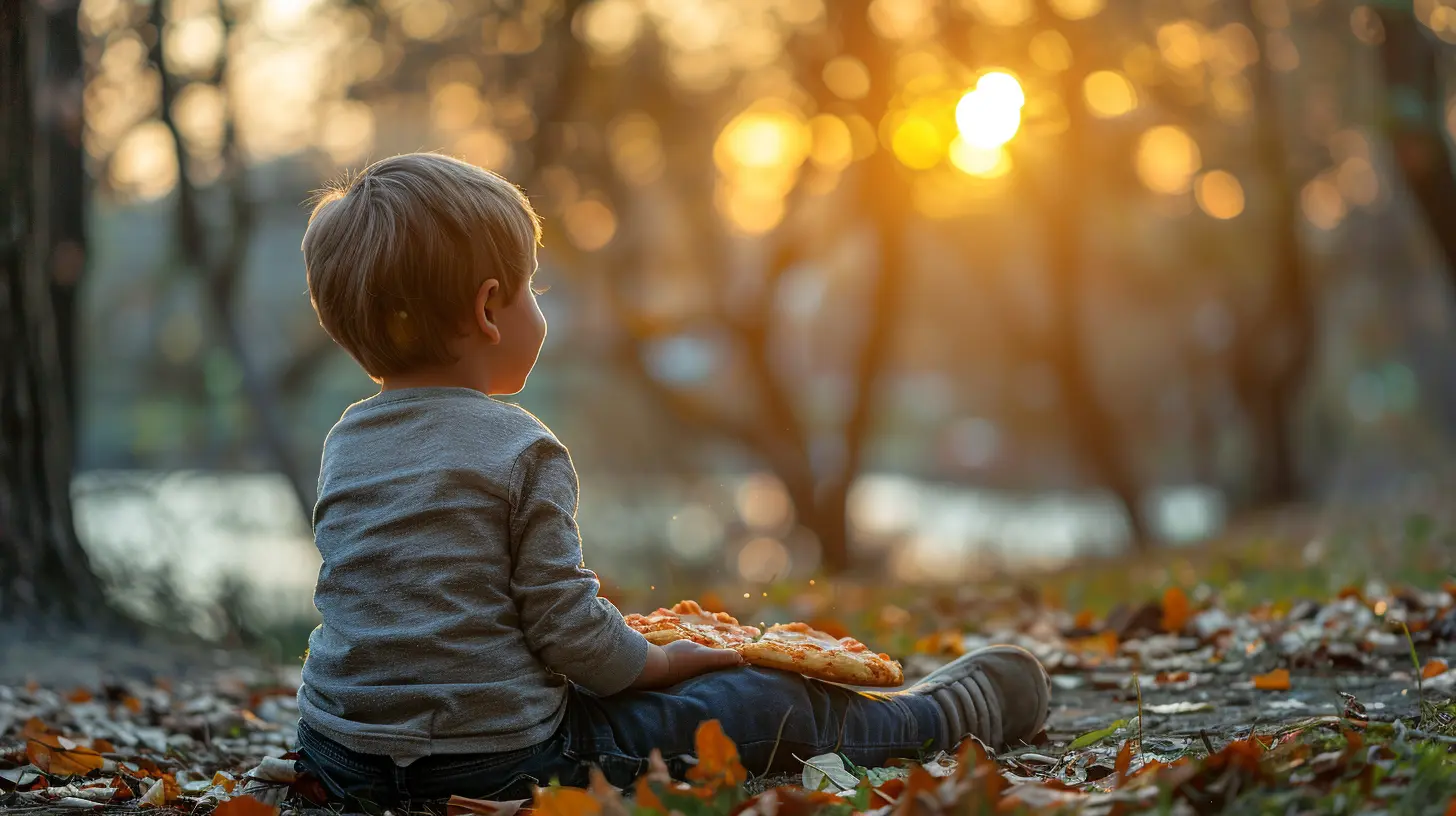
What Does Childhood Anxiety Look Like?
Before we get into the great outdoors, let’s talk about what anxiety actually looks like in kids. It’s not always easy to spot. While adults might say “I feel anxious,” kids often show it differently.Some common signs include:
- Constant worry or fear about school, friends, or family
- Trouble sleeping or frequent nightmares
- Physical complaints like stomachaches or headaches with no medical cause
- Avoiding certain places or situations (like school or playdates)
- Irritability or frequent meltdowns
- Clinginess or trouble separating from parents
If you’re nodding along and recognizing your child in some of these signs, you're not alone. Anxiety affects 1 in 8 children, and those numbers have been climbing—fast. But the good news? There’s a lot we can do to help. And nature is a big part of that.
Why Are Kids So Anxious These Days?
Let’s not sugarcoat it—childhood today is different than it was 20 or 30 years ago. Kids are constantly being pulled in a thousand directions, often without a break.Here’s what piling on:
- Screen time overload: Studies show the average child spends 7+ hours a day looking at screens. That’s a full-time job!
- Busy schedules: Between school, homework, sports, tutoring, and other activities, there’s barely time to breathe.
- Academic pressure: Standardized tests, grades, and expectations are higher than ever.
- Less free play: Spontaneous, creative, unscheduled play is on the decline.
- Limited outdoor time: According to some reports, kids now spend less time outside than prisoners. Let that sink in.
All of this contributes to overstimulation, burnout, and—you guessed it—anxiety. But nature offers a counterbalance. It’s like a reset button for the nervous system.
The Science Behind Nature and Anxiety Relief
Now, let’s talk about the magic of the outdoors—not just the feel-good vibes, but the real science.1. Nature Reduces Cortisol (The Stress Hormone)
When kids are anxious, their bodies produce more cortisol. It's the hormone that prepares them for "fight or flight." But too much cortisol for too long? That leads to burnout, irritability, and chronic stress.Studies show that spending time in green spaces—like parks, forests, or even backyards—lowers cortisol levels significantly. Just 20 minutes in nature can calm the nervous system and bring the body back to baseline.
2. Sunlight Boosts Mood
Sunshine isn’t just about getting a tan—it triggers serotonin production, aka the “happy hormone.” Serotonin helps regulate mood, appetite, and sleep—all things that go haywire when kids are anxious.Vitamin D from sun exposure also plays a role in mood regulation. Low levels have been linked to depression and anxiety.
3. Physical Activity + Nature = Calm
Running around, climbing trees, skipping stones—it’s not just fun, it’s therapeutic. Physical activity releases endorphins, the body’s natural feel-good chemicals.When that activity happens outdoors? Double bonus. It helps kids burn off nervous energy, sleep better at night, and feel more confident in their bodies.
4. Nature Engages the Senses
When kids are anxious, their thoughts spiral. Nature pulls them out of their heads and into their bodies. They feel the breeze, hear birdsong, smell flowers, see sunlight dancing through the trees.This kind of mindful, sensory experience helps ground them in the present. It's like meditation, but with bug catching and puddle jumping.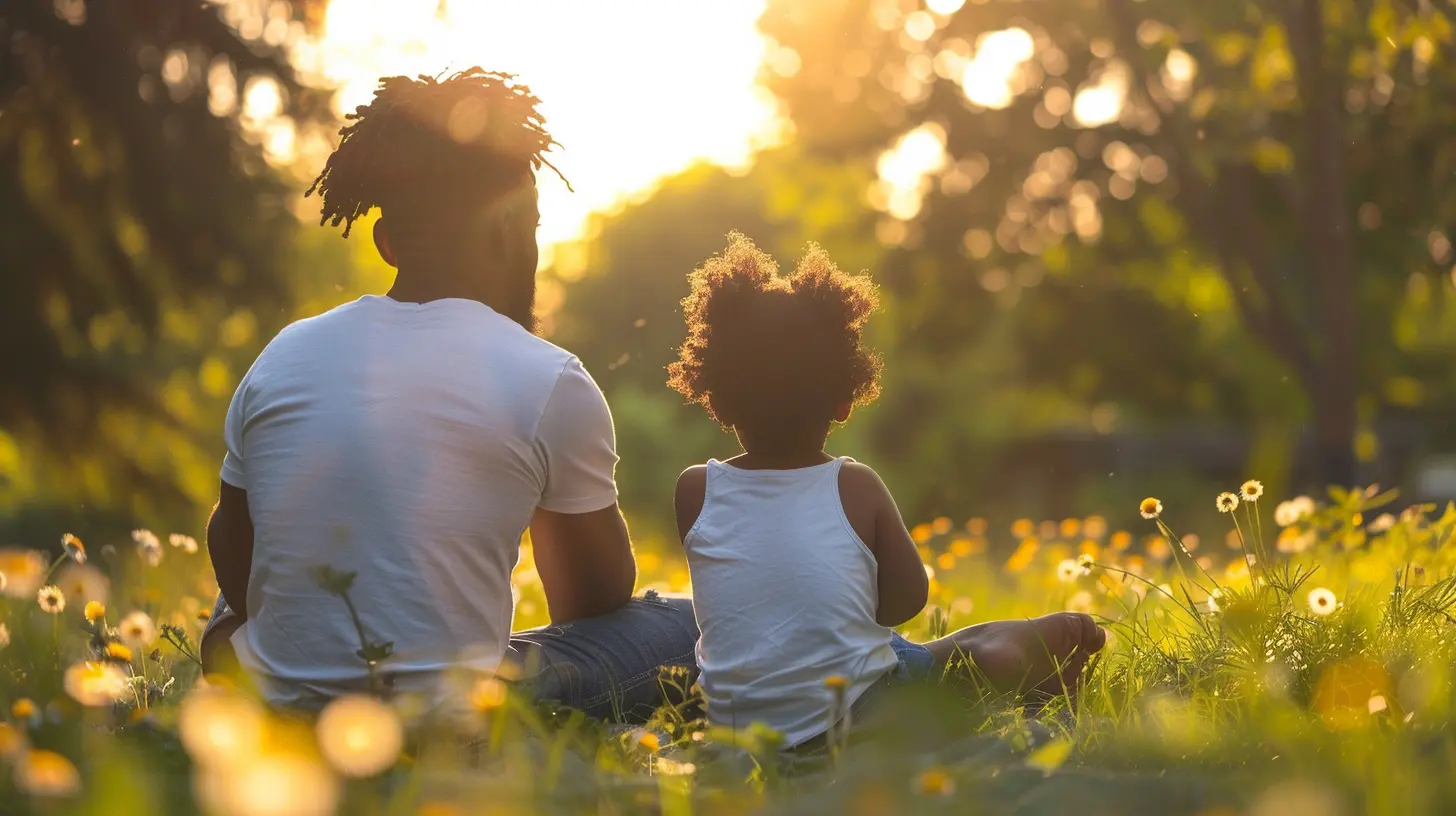
Long-Term Mental Health Benefits of Outdoor Time
We’re not just talking about a quick mood boost. Regular outdoor time can actually shape a child’s mental well-being long term.- Improved emotional regulation: Nature teaches patience, resilience, and adaptability. Climbing a tree and falling once or twice on the way up? That builds grit.
- Better social skills: Outdoor play tends to be more cooperative and imaginative. Kids learn to negotiate rules, solve problems, and work together.
- Increased independence: Exploring nature (even just a backyard!) fosters confidence and self-reliance.
- Lower risk of future mental health issues: Studies have linked green space exposure in childhood to reduced risk of developing anxiety or depression in adolescence and adulthood.
How Much Time Outdoors Do Kids Really Need?
You might be wondering: “Okay, but how much time is enough?”Great question.
Experts suggest aiming for at least 1 hour per day of unstructured outdoor play for younger children, and 2–3 hours on weekends or school holidays if possible.
The sweet spot? 20 minutes of green space exposure has been shown to lower cortisol levels and reduce stress. You don’t need an all-day nature hike to see results.
Easy Outdoor Ideas to Help Kids De-Stress
Alright, time for the fun part. Let’s get practical. If your child is struggling with anxiety, or you just want to be proactive about their mental well-being, here are some easy ways to make outdoor time a part of your daily rhythm.1. Backyard Nature Play
No fancy gear needed! Let your child dig in the dirt, build a stick fort, or play with water in a bucket. It’s all gold for mental health.2. Park Time After School
Instead of heading straight home, stop by the local park. Let them run, swing, or just lie on the grass. Bonus—this also helps transition out of “school mode.”3. Morning Nature Walks
Even a 10-minute walk before school can set the tone for a calmer day. Look for birds, count leaves, feel the air on your face—it all helps.4. Gardening Together
Planting, watering, and watching things grow can be incredibly soothing. Plus, it teaches patience and nurtures a connection to the Earth.5. Nature Scavenger Hunts
Turn outdoor time into an adventure. Give them simple challenges: Find something red, something soft, something that smells good. It keeps their minds focused and curious.6. Screen-Free Sunday Afternoons
Designate one afternoon per week to be “unplugged” and outside. Hike, bike, picnic, splash in a creek—whatever works for your family.What If You Don’t Have Easy Access to Nature?
Good news—even small doses of nature can help.- Urban parks count.
- Balconies with plants count.
- Courtyards and schoolyards count.
- Even looking at nature scenes (through a window or in pictures) can have positive effects.
If getting to wild, wooded areas isn’t doable, don’t sweat it. Start with what you have.
How to Create Outdoor Routines That Stick
Let’s be real—starting new habits can be challenging. But making outdoor time a regular thing doesn’t have to be a battle.Here’s a little cheat sheet:
- Make it part of the daily rhythm – like brushing teeth or eating dinner.
- Go with the flow – don’t over-plan it. Let kids lead the way.
- Involve friends or siblings to make it social and more engaging.
- Dress for the weather – rain boots and jackets go a long way.
- Keep it low pressure – this isn’t about being “productive.”
And most importantly? Model it yourself. If your child sees you enjoying the outdoors, they’re more likely to want to join in.
Final Thoughts: Nature Isn’t a Cure-All, But It’s a Powerful Tool
Let’s be clear—outdoor time isn’t a magic wand that makes anxiety disappear overnight. But it is one of the most accessible, affordable, and effective tools we’ve got.So the next time your child seems tense, restless, or overwhelmed? Try stepping outside. Breathe. Watch the clouds. Climb something. Touch the grass. Jump in a puddle.
Nature won’t judge. It’s always there—steady, soothing, and full of wonder.
And for anxious kids? That’s exactly what they need.
all images in this post were generated using AI tools
Category:
Dealing With AnxietyAuthor:
Austin Wilcox
Discussion
rate this article
2 comments
Rina Porter
Great perspective on healing!
July 18, 2026 at 4:01 PM
Austin Wilcox
Thank you! I'm glad you found it helpful. Outdoor time really can make a big difference for kids.
Damon Kirkland
Nature truly soothes anxious kids' minds.
May 26, 2026 at 4:57 AM
Austin Wilcox
Absolutely! Nature has a unique way of calming and grounding children, helping them feel more at ease.