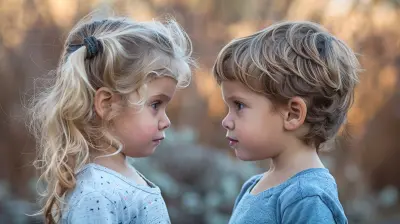
How Shutting Down Conflict Stifles Emotional Development
7 February 2026
Let’s be honest—conflict isn’t exactly our favorite part of parenting. It’s messy, loud, and often pushes our patience to its absolute limits (anyone else want to pull their hair out halfway through a sibling squabble?). But here’s the thing—conflict, as frustrating as it is, plays a huge role in emotional development. So when we constantly shut it down to “keep the peace,” we might be doing more harm than good.
Yep, I said it. Shutting down conflict, especially in kids, can actually stifle their emotional growth. It might feel like we’re building harmony, but in reality, we could be building emotional walls instead.
Let’s talk about how and why this happens—and what we can do to change it.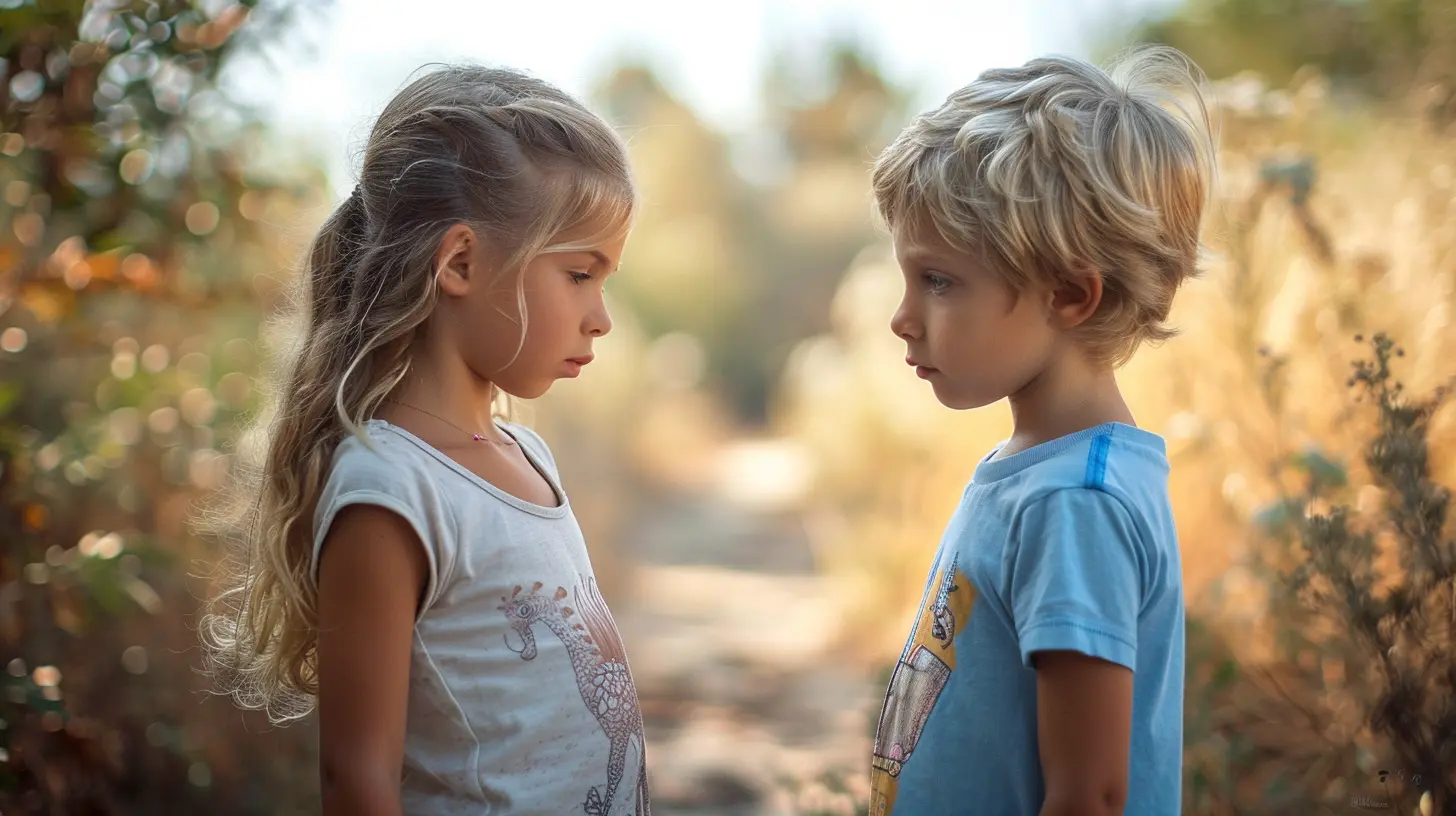
The “Stop Fighting!” Reflex
Picture this: Your kids are arguing over who gets the last cookie. You walk into the room and immediately shout, “Enough! Just stop fighting!” Sound familiar?It’s totally normal. None of us like hearing bickering, especially when we’ve got dinner burning on the stove, a work email blinking on our phone, and the dog barking at thin air again.
But here’s the kicker—when we shut down the fight without helping our kids work through it, we’re missing an opportunity.
You see, every conflict is a golden chance for kids to learn emotional intelligence. That includes stuff like empathy, communication, problem-solving, and learning how to self-regulate. All the good stuff we want them to have as grown-ups.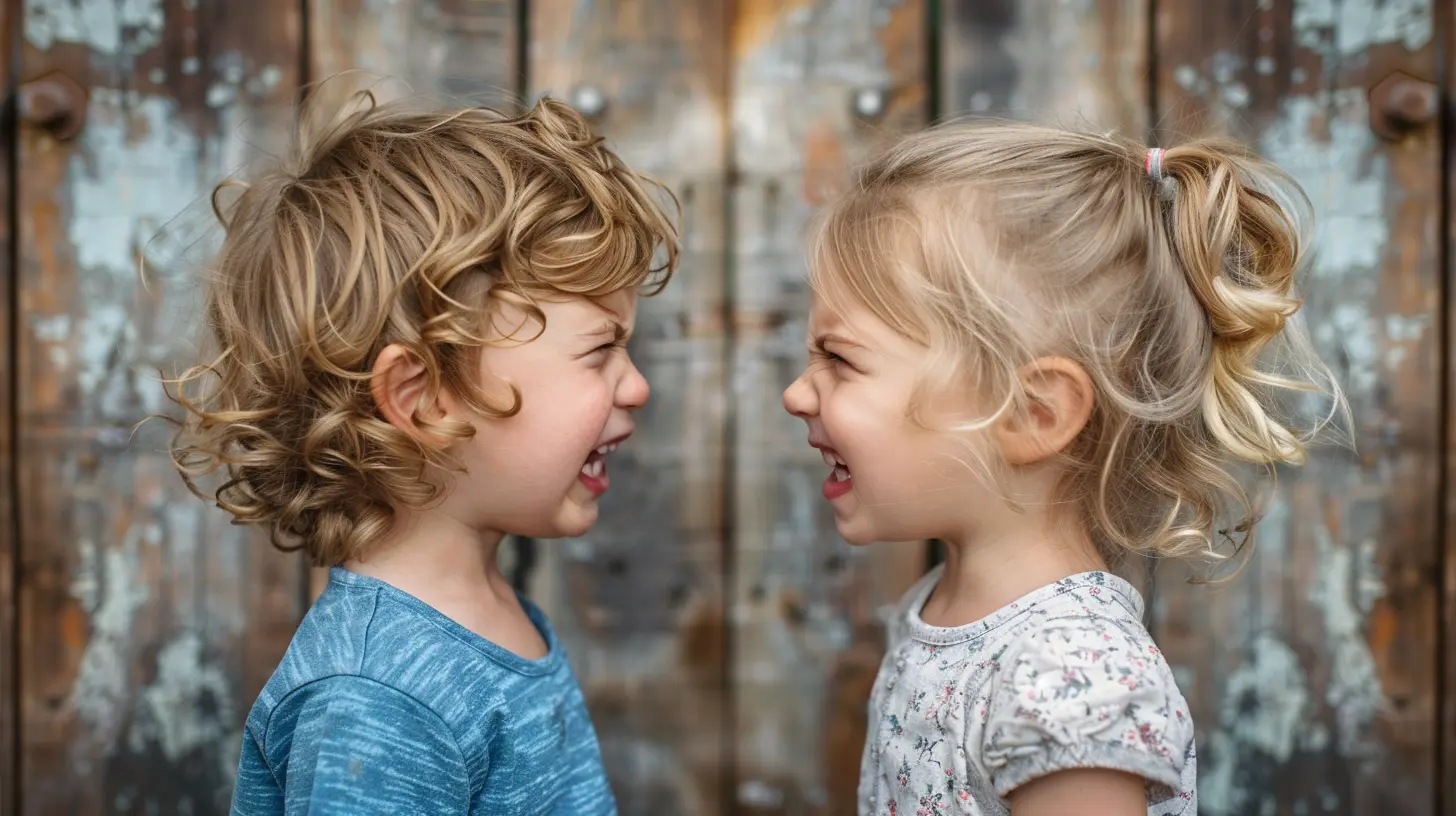
Why Avoiding Conflict Sounds Nice…But Isn’t
1. It Sends the Message That Feelings Are “Bad”
When we constantly tell kids to stop arguing or dismiss their big emotions, they might start internalizing the idea that feelings—especially the uncomfortable ones—are something to avoid.Think about it like this: Emotions are kinda like steam. If you don't let them out in healthy ways, they build up until boom—meltdown city. And those blow-ups usually come when it’s least convenient (hello, grocery store tantrums).
By allowing kids to express their emotions—even the ugly stuff like anger, frustration, and jealousy—we’re teaching them it’s okay to feel. That’s step one to emotional intelligence.
2. It Robs Them of the Chance to Learn Conflict Resolution
If we always jump in and solve their problems, where do they ever learn to do it themselves?Imagine if someone always tied your shoes for you. You’d never learn to do it on your own. Conflict is a skill, too. And like any skill, it needs practice.
When kids argue (within reason), it’s actually practice for real-life interactions. They’re figuring out how to stand up for themselves, listen to others, compromise, and handle rejection or disappointment. That’s heavy-duty life prep.
3. It Teaches Suppression, Not Expression
Here’s the truth: Emotions don’t go away when you ignore them. They just go underground.Kids who grow up being told to “just stop” or “calm down” without any tools or validation often learn to suppress their feelings. And suppressed emotions usually come out sideways—like acting out, anxiety, or emotional withdrawal.
In other words, by shutting down conflict, we’re not removing the emotion—we’re just burying it. And nothing good grows in the emotional dark.
Emotional Development 101 (Without the Boring Textbook Talk)
What Is Emotional Development, Anyway?
In plain English, emotional development is about how we understand and manage emotions, both our own and others’. It includes skills like:- Identifying feelings (Am I mad? Sad? Embarrassed?)
- Controlling impulses (Not hitting just because you're mad)
- Communicating needs (Saying “I feel left out” instead of sulking)
- Empathizing (Getting that someone else’s feelings matter too)
- Problem-solving (Coming up with solutions instead of screaming)
Kids don’t come out of the womb knowing how to do this. It’s a process, and conflict is a big ol’ training ground for it.
The Brain Science Behind It
Ready for a mini science moment? When kids are in conflict, their brains are firing on all cylinders. The emotional centers (like the amygdala) are lit up. With the right guidance, the logical parts (like the prefrontal cortex) kick in—helping them reflect, plan, and grow.But if we shut things down right at the emotional peak, the learning part never gets activated. Basically, their brains never get to “connect the dots” between emotion and action.
So ironically, conflict is actually the classroom for emotional development. And when we cancel class, we cancel learning.
But Wait—What If Conflict Gets Out of Hand?
Now, this isn’t to say we should just let chaos reign. There’s a big difference between allowing conflict and inviting a full-blown WWE match in your living room.Here’s the balance:
- Allow emotions: Let them be angry. Let them speak up.- Set boundaries: Hitting, name-calling, or destruction? That’s a no-go.
- Guide reactions: Help them express themselves in respectful, effective ways.
It’s not about being passive—it’s about being purposeful.
Embrace the moment, step in with calm guidance, and use it as a teaching opportunity.
Say This, Not That: Conflict Coaching for Parents
Sometimes we shut down conflict just because we don’t know what else to say. That’s okay! Here are a few swaps that might help:| Instead of this… | Try this… |
|-------------------------------|----------------------------------------|
| “Stop fighting!” | “Whoa, big feelings here. What’s going on?” |
| “Be quiet.” | “Let’s take turns so I can hear both of you.” |
| “Why are you always so angry?” | “Sounds like something upset you—want to talk?” |
| “Enough already!” | “Looks like we need a game plan. How can we fix this together?” |
See the difference? It’s about turning down the volume but turning up the connection.
Real-Life Example: The Sibling Showdown
Let’s say your 7-year-old and 5-year-old are duking it out over the tablet. You’re about to explode. But instead of yelling and sending them to separate rooms, you try something different.You calmly say, “I hear you both want the tablet. That’s really frustrating. Let’s figure out a solution that feels fair.”
Guess what happens? They pause. You’ve validated their feelings. You’ve opened the door to teamwork. And even if it takes a few tries, they start thinking, talking, and problem-solving.
Boom—emotional growth in action. You’re officially a conflict coach (without the whistle).
Long-Term Benefits of Letting Kids Work Through Conflict
Sure, it takes more effort upfront. But the payoff? So worth it.Kids who learn to navigate conflict become:
- Better communicators: They know how to say what they need.
- More empathetic: They see situations from other people’s shoes.
- Resilient problem-solvers: They don’t crumble at the first sign of disagreement.
- Emotionally mature adults: They can handle stress, relationships, and those tricky work dynamics later in life.
Basically, you’re raising little humans who are emotionally literate—and that’s a superpower in today’s world.
The Power of Modeling
Let’s not forget—you’re teaching emotional intelligence every time you handle conflict. Kids watch how you respond to arguments, handle frustration, and repair after blowing up (because hey, we all lose it sometimes).The more you can say things like:
- “I was frustrated, and I didn’t handle that well.”
- “I’m sorry I yelled. I should’ve taken a breath first.”
- “Let’s figure this out together.”
The more they’ll mirror those same skills.
Remember, parenting isn’t about being perfect—it’s about being real.
Final Thoughts: Conflict Isn’t the Enemy—Avoidance Is
If you take away one thing from this, let it be this:Conflict is not the villain of the story. Avoiding it (or shutting it down) is.
When we allow kids to move through conflict, we’re helping them build the emotional muscles they need for life. And yeah, it can be exhausting. It’s definitely not the easy road. But it’s the road that leads to resilient, emotionally intelligent, and self-aware humans.
And isn’t that kinda the whole point?
So next time you hear the dreaded “MOM! THEY TOOK MY TOY AGAIN!”, take a deep breath. Roll up your sleeves. And remember—you’re not just dealing with a fight. You’re shaping a future.
all images in this post were generated using AI tools
Category:
Parenting MistakesAuthor:
Austin Wilcox
Discussion
rate this article
2 comments
Chelsea McGee
This article sheds light on a vital aspect of parenting! Encouraging open communication during conflicts not only helps children express their feelings but also fosters resilience. I'm curious about practical strategies to guide these conversations effectively!
March 5, 2026 at 4:08 AM
Austin Wilcox
Thank you for your insight! Practical strategies include active listening, using "I" statements, and setting aside dedicated time for open discussions to ensure children feel safe expressing their feelings.
Yasmeen McClellan
Conflict: kids' emotional gym. Skip it, and they miss the workout!
February 8, 2026 at 4:45 PM
Austin Wilcox
I couldn't agree more! Conflict is essential for kids to develop resilience and emotional skills. Skipping it can hinder their growth.