How to Foster Respect and Responsibility in Children
11 December 2025
As parents, we all want to raise kids who are kind, respectful, and reliable — the kind of humans other people genuinely enjoy being around. But let’s be honest: teaching kids respect and responsibility isn't always a walk in the park. It takes patience, consistency, and a whole lot of late-night Googling (been there, done that).
But here's the good news — fostering these life skills isn’t as complicated as it might seem. With the right approach and a sprinkle of humor, you can raise children who treat others with courtesy and willingly take ownership of their actions.
So, grab a cup of coffee, get comfy, and let’s dive into how we can shape our little ones into respectful and responsible humans.
Why Respect and Responsibility Matter (a LOT)
Before we get to the how, let’s talk about the why.Respect and responsibility aren't just "nice" to have — they're essential building blocks for a healthy, happy life. When kids understand respect, they’re better at building relationships, resolving conflicts, and showing compassion. When they learn responsibility, they become dependable, capable, and more confident.
These traits impact everything — from how they behave in school to how they treat their siblings. And the earlier you start instilling them, the better.
Start with Modeling Behavior
Let’s be real for a second — kids are watching us like hawks. Every eye-roll, every “please” and “thank you,” they absorb it all like little sponges.So, if you want your child to be respectful and responsible, the best place to start is with yourself. Show them what respect looks like in real-time — whether it’s how you speak to your partner or how you handle tough moments in traffic (yep, they’re watching then too!).
Want them to say sorry when they’re wrong? Show them how it’s done. Want them to take responsibility for their mess? Let them see you owning up to yours.
Pro Tip: Narrate your actions. Say things like, “Oops! I spilled my coffee. I better clean that up right away. That’s my responsibility.”
Set Clear Expectations — and Stick with Them
Ever tried playing a game without knowing the rules? It’s pretty frustrating, right? Kids feel the same when the boundaries keep shifting.That’s why it’s super important to set clear, age-appropriate expectations about respectful behavior and responsibilities. Whether it's using kind words, finishing homework before screen time, or helping with chores — let them know the “rules of the house” and why they matter.
Consistency is key here. When rules get enforced one day but ignored the next, kids get mixed signals.
Try This: Create a Respect & Responsibility Chart with your child. List a few daily responsibilities and respectful behaviors, and let them tick them off. It makes things visual and fun!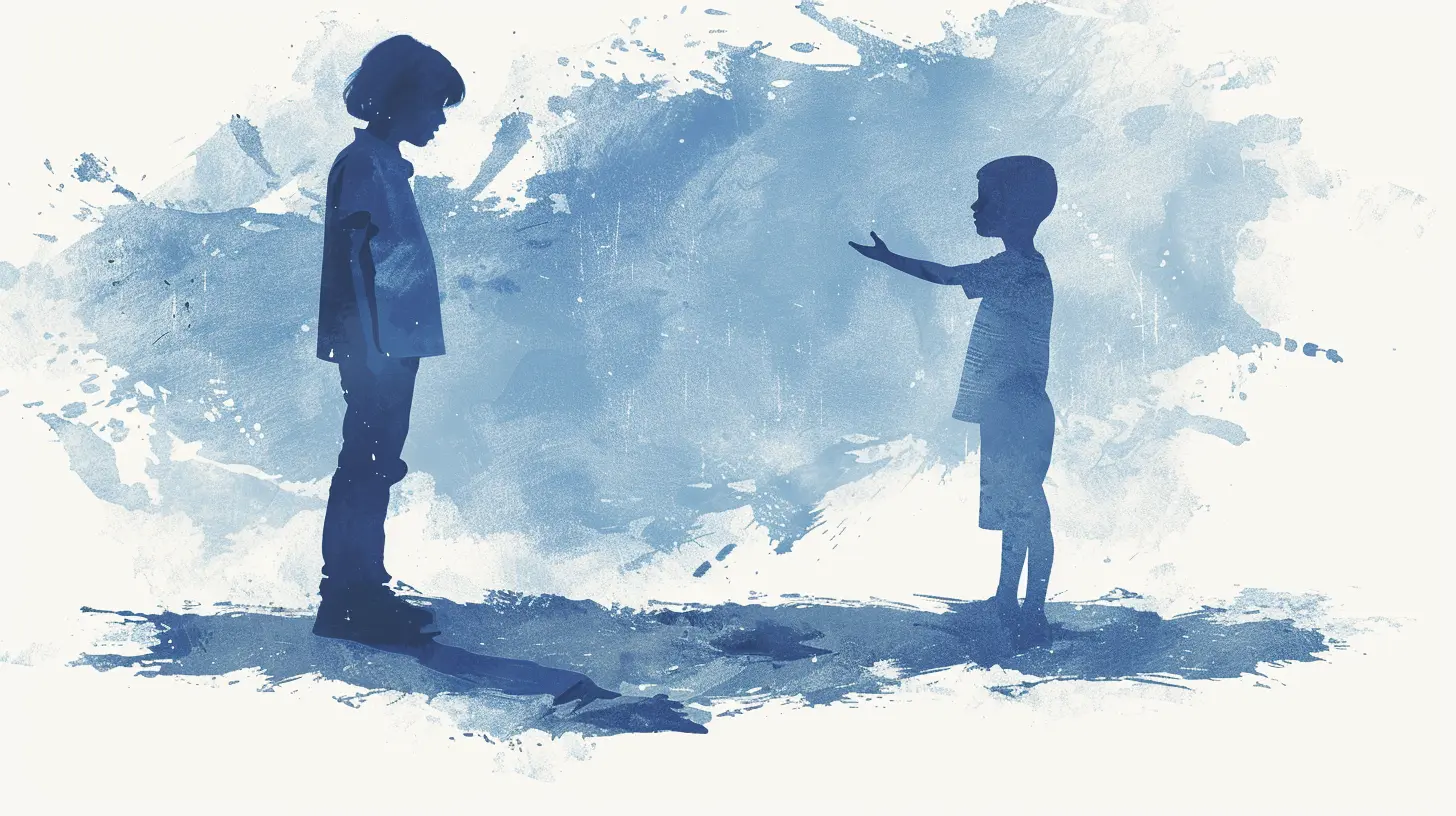
Give Them Real Responsibilities (Even Toddlers Can Help!)
Don’t underestimate the power of giving children real jobs to do at home. Responsibility isn't taught by lecturing — it's learned by doing.Even young children can start small:
- Toddlers can put toys back in the bin.
- Preschoolers can help feed the dog.
- School-aged kids can make their beds or pack their backpacks.
The goal is to make them feel capable and included, not overwhelmed.
Why it works: Kids love to feel needed. Giving them age-appropriate tasks nurtures their self-esteem and teaches them that they’re an important part of the family unit.
Praise the Effort, Not Just the Outcome
Think about how good it feels when someone notices your effort — not just the end result. That's what we need to do for our kids too.When your child does the right thing (even if it’s small), acknowledge it. Say things like:
- “I noticed how you helped your sister without being asked. That was really thoughtful.”
- “You remembered to put your dishes away — that’s taking real responsibility. Great job!”
By praising the effort, you reinforce the behavior you want to see more of.
Heads Up: Avoid overdoing it. Kids can sniff out inauthentic praise. Be specific, be sincere.
Let Them Face Natural Consequences
This one can be tough, but it’s powerful.Sometimes, instead of jumping in to rescue them, it's best to let natural consequences do the teaching. For example:
- If they forget their homework, don’t run it to school. Let them explain it to their teacher.
- If they leave a toy outside and it gets rained on, that’s a learning moment.
These are safe, low-stakes ways for them to learn responsibility on their own.
Note: Always make sure the consequence is appropriate, not punitive. The goal here is learning, not punishment.
Encourage Respectful Communication
Respect starts with how we talk to each other. Teaching your child to express themselves respectfully, even in disagreement, is a lifelong gift.So how do we do that?
Start by creating a home where everyone’s voice is valued. Let your child express their feelings (even when they’re angry), and model how to respond calmly and respectfully.
Teach them “I feel” statements:
- “I feel frustrated when you interrupt me.”
- “I feel proud when I remember to clean my room.”
This helps them own their feelings without lashing out or blaming others.
Use Stories and Role-Playing
Let’s face it — kids might tune out a lecture, but they’ll sit wide-eyed for a story or join in a game of make-believe.Use books, fables, and real-life stories to spark conversations about respect and responsibility. Ask questions like:
- “How do you think that character felt when…?”
- “What could they have done differently?”
Role-playing is another great tool. You can play out scenarios like:
- How to speak to someone who’s upset.
- What to do when you make a mistake and need to apologize.
It turns abstract concepts into something they can see, feel, and understand.
Build Empathy — The Root of Respect
You can’t have true respect without empathy. When kids learn to see the world through someone else’s eyes, respect follows naturally.So, nurture empathy by encouraging curiosity about other people’s feelings.
When your child hurts someone (even unintentionally), don’t just say, “Say sorry.” Try:
- “How do you think they felt when that happened?”
- “What can we do to make it better?”
When they feel the impact of their actions, respect and responsibility take deeper root.
Teach the Difference Between Obedience and Respect
This one’s important. Respect isn’t about blind obedience. You’re not raising robots — you're raising thinkers.Help your kids understand that it’s okay to question things, express their opinions, and set boundaries — as long as they do it in a respectful way.
This builds confidence and integrity while still honoring the value of respect.
Example: If your child says, “I don’t agree with that rule,” praise their honesty — but then discuss it together. It teaches them that respect goes both ways.
Make It Fun and Positive
Let’s be honest — no one (especially kids) wants a lecture on “responsibility” every five minutes.So why not make it fun?
- Turn chores into a game — race to see who can clean up the fastest.
- Create a “Respect Jar” and drop a marble in every time someone shows respect. After it’s full, do a fun family activity together.
- Have a weekly “Responsibility Rockstar” award with silly prizes or privileges.
Kids learn best when they’re laughing and feeling connected. So don’t be afraid to lighten the mood!
Keep the Long Game in Mind
Raising respectful, responsible kids doesn’t happen overnight — it’s a marathon, not a sprint.There will be tantrums. There will be eye-rolls. There will be moments you wonder if any of your lessons are sinking in. But hang in there.
Every time you calmly reinforce the rules, every time you praise them for being kind, every time you let them clean up their own mess — you’re planting seeds. Seeds that will grow into values they carry with them for a lifetime.
So take a breath, give yourself grace, and remember: You’re doing important, beautiful work.
Final Thoughts
At the end of the day, teaching kids respect and responsibility is really about helping them become good humans — kind-hearted, dependable, self-aware individuals who make the world a little better.It’s not about being perfect or raising perfect children. It’s about showing up, being consistent, and guiding with love.
So whether your kid is four or fourteen, it’s never too late — or too early — to start building these skills. You’ve got this!
all images in this post were generated using AI tools
Category:
Discipline TechniquesAuthor:

Austin Wilcox
Discussion
rate this article
2 comments
Maya Dodson
Sure, we want our kids to be respectful and responsible, but let’s be honest: my toddler thinks ‘sharing’ means I split my snack with him! Just remember, teaching respect often comes down to surviving the daily chaos and hoping they don’t try to negotiate dessert as their ‘responsibility’!
January 12, 2026 at 5:31 PM
Austin Wilcox
That's a great point! Toddlers definitely have their own take on sharing and responsibility. It's all part of the learning process, and a little humor goes a long way in these chaotic moments.
Parisa Kearns
Great tips! Encouraging open communication and leading by example are key to nurturing respect and responsibility in our children. Thank you!
December 13, 2025 at 5:17 PM
Austin Wilcox
Thank you for your thoughtful feedback! I'm glad you found the tips helpful!