How to Handle Chore Refusal with Positive Reinforcement
4 July 2026
Let’s be honest—getting kids to tackle chores can feel like you’re trying to convince a cat to take a bath. Cue the dramatic protest, sudden “injuries,” and of course, the always-convenient “I have homework!” (even during summer break).
If you've ever stood in the kitchen waving a broom like a white flag of surrender while your child negotiates like a tiny lawyer with a juice box, you’re not alone. But fear not, fellow parent-warrior—we’ve got a not-so-secret weapon to handle chore refusal without turning into a drill sergeant. It's called positive reinforcement, and spoiler alert: it works better than bribery and yelling into the void.
So grab your coffee, take a deep breath, and let’s dive into the wild, weird, and surprisingly wonderful world of getting kids to help out—happily.
What Even Is Positive Reinforcement, Anyway?
Great question! Positive reinforcement is basically rewarding good behavior so it happens again. Think of it like training a puppy—except the puppy talks back and knows how to reset the Wi-Fi. When your kid does something good (like putting away their socks and not hiding them under the couch), you reinforce it with something positive: praise, a sticker, screen time, or a victory dance that’s so cringey it reminds them why they never want to become a parent.The key? It’s got to be immediate, consistent, and something they actually care about. Sorry, but your enthusiastic monologue about the “joy of cleanliness” likely isn’t going to cut it.
Why Kids Refuse Chores in the First Place
Before we storm the barricades armed with chore charts and gold stars, let’s understand the rebellion.1. They're Kids. Not Mini Adults
Listen, kids have the attention span of a squirrel in a peanut factory. Many genuinely forget or don’t understand why chores matter. To them, toys need love—not laundry.2. They Feel Overwhelmed
“Clean your room” sounds as vague and terrifying as asking someone to “organize the universe.” Be specific. Pick up your socks = doable. Tidy your soul = maybe not.3. It’s a Control Thing
Chores aren’t usually a child’s idea. And any parent knows—if it’s not their idea, they’re suspicious. Giving some control back can help (we’ll get to that, promise).4. They’ve Figured Out You’ll Do It Eventually
Let's be real—sometimes, they win the standoff. You need the dishwasher emptied now, and they’re busy building a LEGO empire. So you cave. Congrats! They just got promoted from Chief Negotiator to Household Puppet Master.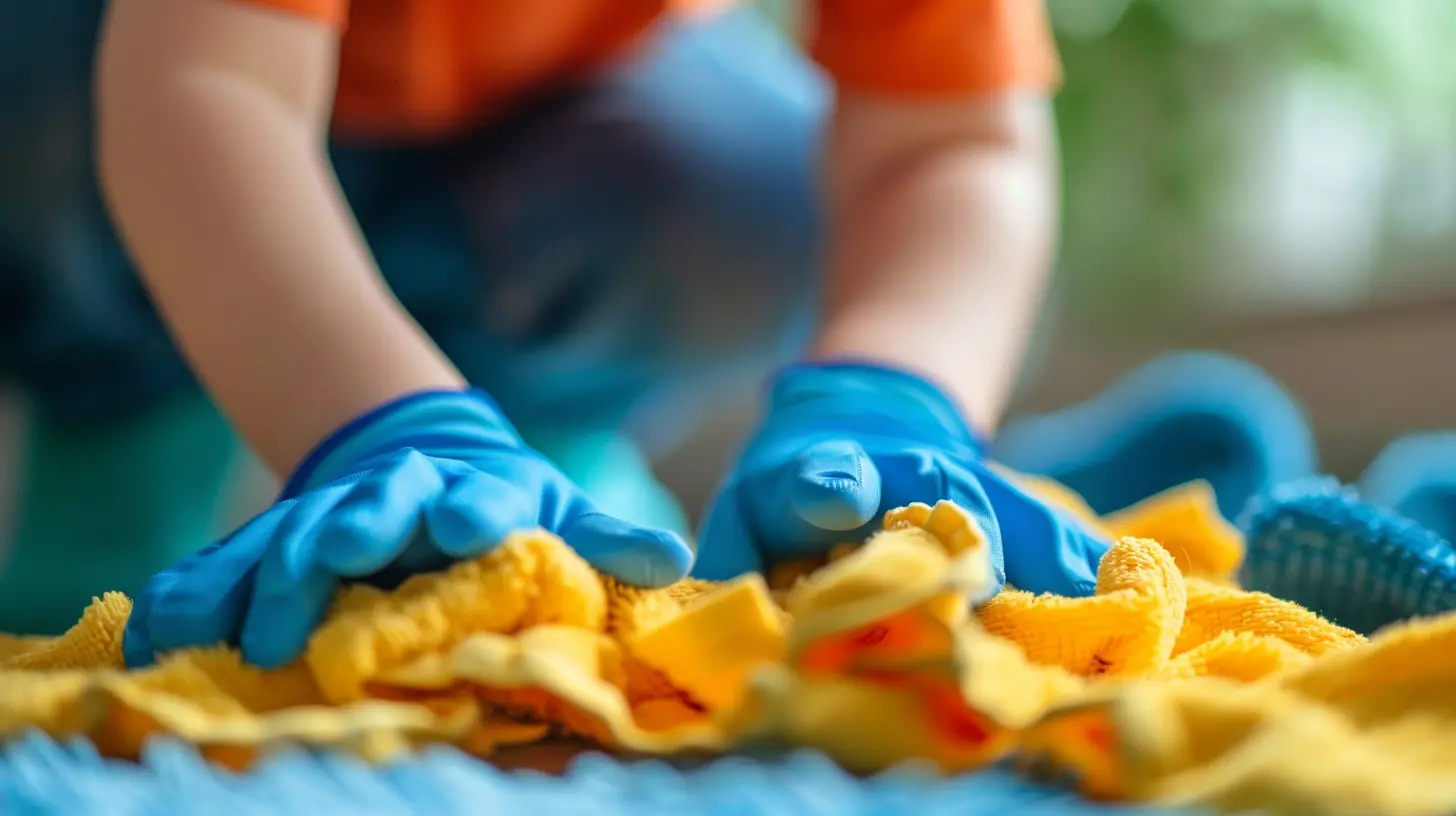
Setting the Stage for Success
Before we march in with glittery stickers and motivational speeches, let’s set the stage so positive reinforcement doesn’t feel like a performance flop.?️ Set Clear Expectations
No one likes to play a game without knowing the rules—especially when the prize is “less screen time” and the penalty is Mom muttering about dust bunnies.Be super clear:
- “Put your dirty clothes in the hamper every night.”
- “Unload the dishwasher before dinner.”
- “Feed the dog by 8 AM.”
Notice how none of these say, “Be a better person.” Chores should be tangible, measurable, and very, very specific.
? Stick to a Routine
Routine is the unsung hero of behavior change. Build chores into the when as much as the what.Examples:
- “After breakfast, we wipe the table.”
- “Before bed, we pick up toys.”
Once it becomes part of the daily rhythm, it’s less of a battle and more of a blink-before-you-do-it habit—like brushing teeth or meme-scrolling.
The Magic of Positive Reinforcement
Okay, now the good stuff. The juicy, laugh-until-you-cry magic of turning “No!” into “Fine... but only for a point!”Let’s break it down into techniques that actually work in real-world parenting (aka, chaos).
? Praise Like You Mean It
Kids crave attention, and you can absolutely weaponize that for good.Don’t just say, “Good job.” That’s like a soggy cracker of compliments.
Instead, go full-on Oscars speech:
> “Wow, you put your cereal bowl in the sink without me asking! That shows responsibility AND kindness to future-you who won’t be scraping hardened Cheerios tomorrow!”
Over-the-top? Sure. Effective? Totally.
? Create a Reward Chart That Slaps
Old-school? Maybe. Effective? Yup. Whether it’s stickers, stars, or checkmarks, having a visual progress tracker taps into their deep, primal urge to collect shiny things.Make it fun:
- Name your chart something silly like “The Chore-a-saurus Rex Tracker” or “Operation Clean Sweep.”
- Let them decorate it. Ownership = participation.
Offer rewards that are meaningful:
- 5 stickers = extra 15 minutes before bedtime.
- 10 stickers = pick what’s for dinner.
- 20 stickers = choose the family movie night flick.
Boom. You've just gamified cleanliness.
? Offer Choices (With Limits)
“Do you want to vacuum first or wipe the counters?” See what we did there? You gave control without giving up the goal.To a kid, it feels like freedom.
To you, it’s a win-win wrapped in a yes sandwich.
⏲️ Use The Magical Timer
Welcome to the epic showdown: Child vs. Timer.“Let’s see if you can clean this up before the timer hits 0!”
Time-bound tasks turn into games. Bonus: they stop overthinking and just act. Think of it as a chore-based episode of Survivor. May the cleanest corner win.
Turning Meltdowns into Motivation
Yes, even with all these tips, there will be days when your child lies on the floor like a sea cucumber refusing to move. That’s okay.Here’s how to pivot those moments without losing your mind or your voice.
? Empathize First, Then Redirect
“I know you don’t feel like taking out the trash. Sometimes I don’t feel like cooking dinner either.” Empathy opens the door. Then sneak in the chore ask.“Hey, how about we both do our not-fun things and then high-five dramatically afterward?”
Bonding over shared misery—the universal parenting hack.
? Use Natural Consequences (Gently)
Didn’t put away the toys? They might go in Toy Jail for 24 hours. Didn’t feed the fish? Well… hopefully, he’s forgiving.Just make sure the consequence is linked, fair, and not out of spite. You’re not raising a hardened criminal; just a kid who thought ants would clean up the crumbs.
Reinforcing the Reinforcement
No system runs on autopilot forever—not even a well-oiled reward chart. To keep them engaged and motivated, you have to mix things up—like a DJ with ADHD. Keep it fresh!? Reinvent Rewards
Swap out old rewards for cool new ones:- “Time with Mom building a fort” becomes the new hot ticket.
- “Dad’s famous pancake breakfast” is suddenly more appealing than Roblox.
Ask what they’re into. Even if it’s weird. Especially if it’s weird.
? Celebrate Progress, Not Perfection
If you wait until your child becomes the next Marie Kondo, you’ll be waiting forever. Celebrate effort like it’s the Olympics of chore-doing.“Dude, you picked up 10 socks! That’s 10 less than yesterday!”
It adds up. Even if the floor still looks like a sock avalanche happened.
What To Do When Positive Reinforcement Doesn’t Work
You tried praise, charts, timers, empathy, and even interpretive dance. And still—nothing. Nada. Zilch. Is it time to panic?Nah. But it is a moment to reflect.
? Reevaluate the Rewards
Maybe what you’re offering just isn’t motivating. Think of it like trying to bribe a teenager with half a gummy bear. It’s gotta be something they’re hyped about.Survey the audience (aka, your kid).
? Revisit Your Expectations
Are the chores age-appropriate? Manageable? Reasonable?Three-year-olds can help put away toys. Seven-year-olds can feed pets. Teenagers… well, they can probably do everything but expect interpretive grumbling.
? Reset and Restart
If it’s spiraling, don’t be afraid to take a break and hit the reset button. Gather them, talk it out, and brainstorm together how chore time could be less awful.Suddenly, they’re part of the problem-solving team. Power move, right?
Final Thoughts: Raising Little Humans, Not Robots
At the end of the day, chores aren’t just about clean floors and made beds—they’re about teaching responsibility, accountability, and being part of something bigger than just yourself (aka, the family).Positive reinforcement isn’t a trick—it’s a way of seeing your child as a developing person. Someone who craves connection, encouragement, and, yes, the occasional bribe in sticker form.
So next time your child refuses to pick up their socks, take a deep breath. Smile. Offer a choice. Bust out the sticker chart. And remember: you’re not just cleaning your house—you’re building up a capable, kind, and contributing tiny human.
Now that’s a chore worth doing.
all images in this post were generated using AI tools
Category:
Chores For KidsAuthor:

Austin Wilcox
Discussion
rate this article
1 comments
Josie Frye
Positive reinforcement can turn chore time from a battle into a bonding experience. When kids feel appreciated, they're more likely to join in rather than dig in their heels.
July 11, 2026 at 2:52 AM
Austin Wilcox
Absolutely! When kids feel valued, they are more likely to engage willingly. Positive reinforcement truly makes a difference.