How to Heal a Relationship Damaged by Sibling Jealousy
7 July 2026
Sibling jealousy is one of those things that starts with small, everyday rivalries—who got the bigger slice of cake, who got more attention from mom and dad—but if left unchecked, it can grow into something much bigger. When jealousy turns into resentment, it can damage a sibling relationship, sometimes even lasting into adulthood.
But here’s the good news: no relationship is beyond repair. Healing the wounds caused by sibling jealousy takes effort, patience, and understanding, but it is absolutely possible. If you or someone you know is struggling with sibling rivalry that has turned toxic, this guide will walk you through the steps to mend the bond and rebuild trust.

Understanding the Root Cause of Sibling Jealousy
Before we dive into fixing things, let’s first understand why sibling jealousy happens in the first place. It doesn’t just appear out of nowhere—it’s usually caused by:- Parental comparison – “Why can’t you be more like your brother?” A sentence like that, even if unintentional, can plant the seeds of jealousy.
- Unequal treatment – Whether real or perceived, siblings may feel that one is favored over the other.
- Competition for attention – Kids naturally want their parents' approval and love; when one sibling feels overshadowed, envy can creep in.
- Different life paths – As adults, one sibling may feel envious of the other's success, relationships, or lifestyle.
Recognizing these root causes is step one. Without understanding why the jealousy exists, it’s difficult to fix the damage it has caused.
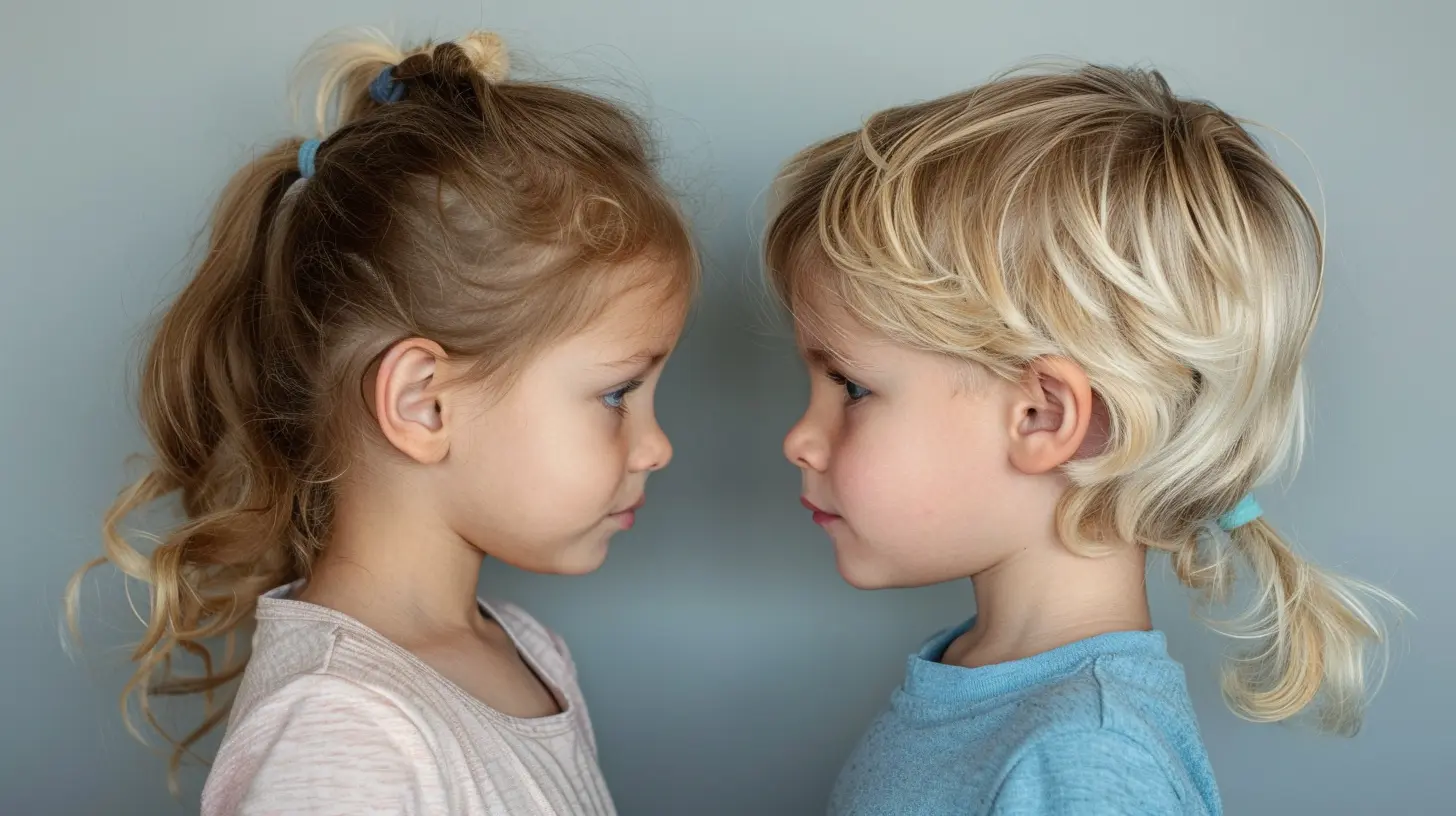
How to Rebuild a Bond Damaged by Jealousy
Healing a sibling relationship isn’t about blaming the past—it's about moving forward. Here’s how:1. Start with Honest and Open Communication
Rebuilding trust starts by having a heart-to-heart conversation. But this isn’t just about airing grievances; it’s about truly listening.- Find a neutral setting where both of you feel comfortable.
- Avoid blame—focus on explaining how you feel instead of accusing.
- Use “I” statements, like “I felt hurt when…” rather than “You always…”
- Be willing to hear their side, even if it’s painful.
Sometimes, we don’t realize how much pain we’ve caused until we take the time to listen.
2. Acknowledge the Pain (Without Dismissing It)
Jealousy that has turned into resentment means there’s hurt involved. It’s important to acknowledge that pain instead of brushing it off. Simply saying, “I see how this affected you, and I’m sorry,” can go a long way.Avoid phrases like “You’re overreacting” or “That was a long time ago—just move on.” Healing starts when both sides feel heard and validated.
3. Let Go of the Past (But Learn From It)
Holding onto past resentment is like carrying a heavy backpack—you’re only weighing yourself down. Forgiving doesn’t mean forgetting; it means choosing not to let the past dictate your relationship anymore.Ask yourself: What’s more important—holding onto past grievances or having a positive relationship moving forward?
4. Stop Comparing and Competing
Sibling jealousy often stems from feeling the need to “measure up.” Instead of seeing each other as rivals, try celebrating each other’s strengths.- Compliment your sibling on their successes instead of feeling threatened by them.
- Remind yourself that your journey is unique—just because your sibling is excelling in one area doesn’t mean you’re failing.
- Work towards a mindset of collaboration rather than competition.
Family isn’t a race, and happiness isn’t a scarce resource—there’s enough for everyone.
5. Set Healthy Boundaries
If past issues have led to ongoing tension, setting clear boundaries can help. Boundaries don’t mean shutting each other out; they mean creating a safe space where both people feel respected.- Discuss topics that might be off-limits if they create arguments.
- Avoid toxic behaviors like gossiping about each other to other family members.
- Respect each other’s emotional limits—some wounds take longer to heal.
Think of boundaries like guardrails on a bridge—they keep the relationship steady instead of veering into dangerous territory.
6. Spend Quality Time Together
Rebuilding a bond isn’t just about talking; it’s also about creating new, positive memories. Shared experiences can help mend old wounds and remind you why your sibling relationship matters.- Plan activities you both enjoy, whether it’s grabbing coffee, watching a movie, or going on a trip down memory lane.
- Start small if things feel awkward. Even short conversations can help rebuild a connection.
- Focus on new memories instead of repeatedly revisiting past conflicts.
Sometimes, laughter heals faster than words.
7. Involve Family or a Mediator (When Needed)
If the damage is deep and conversations always lead to conflict, involving a third party can help. A trusted family member, therapist, or mediator can guide both of you toward healthy dialogue.Professional counseling isn’t a sign of failure—it’s a sign that the relationship is important enough to work through with expert guidance.
8. Show Consistency and Patience
Repairing trust isn’t an overnight process. Just because you’ve had one good conversation doesn’t mean everything is instantly better. Consistently showing up, being kind, and proving that you value the relationship takes time.- Be patient with yourself and your sibling.
- Accept that setbacks might happen, but don’t let them derail your progress.
- Celebrate small moments of connection—those are the building blocks of healing.
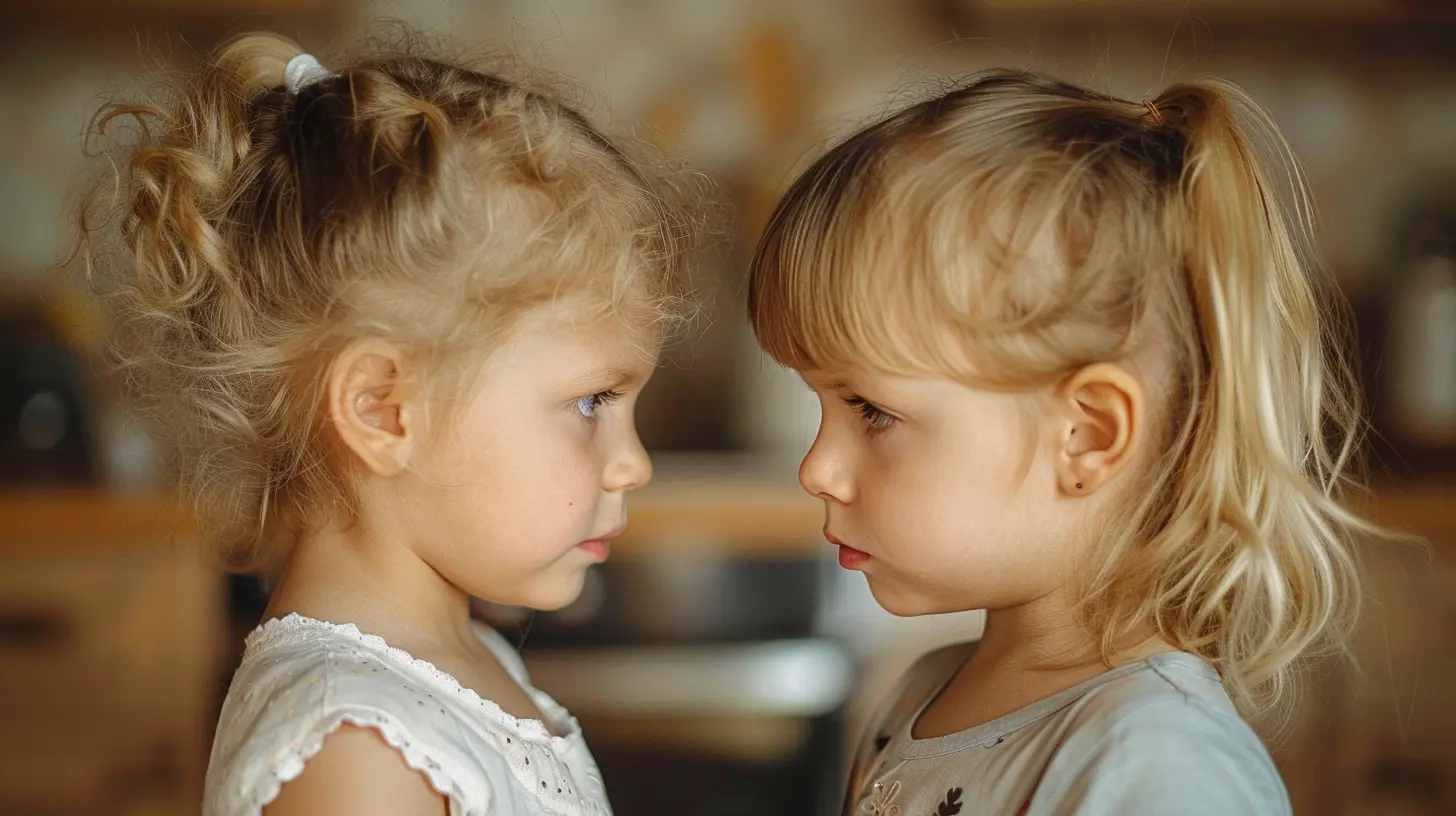
Why Healing a Sibling Relationship Matters
Some people may wonder, “Why bother? We’ve grown apart, and maybe we’re just too different.” But here’s the thing—our siblings are often the longest relationships we have in life. Parents grow older, friends come and go, but siblings are the ones who have been there since childhood.Mending a fractured sibling relationship isn’t just about fixing the past—it’s about securing a future where family means support, love, and understanding rather than tension and regret.

Final Thoughts
Sibling jealousy doesn’t have to ruin relationships forever. With honest conversations, understanding, and effort, it’s absolutely possible to heal the damage and build a stronger bond.At the end of the day, relationships aren’t about being perfect—they’re about choosing each other despite imperfections. And if you’re willing to take that first step, you might just find that sibling love is one of the most resilient kinds there is.
all images in this post were generated using AI tools
Category:
Sibling JealousyAuthor:

Austin Wilcox
Discussion
rate this article
1 comments
Calyx McAndrews
Sibling love can blossom after jealousy fades!
July 13, 2026 at 3:16 AM
Austin Wilcox
Absolutely! Healing takes time, but with understanding and patience, deeper connections can form.