How to Help Your Child Avoid Toxic Friendships
29 November 2026
Friendships shape childhood in ways that are hard to overstate. They teach negotiation, loyalty, humor, and resilience. They also, unfortunately, can teach a child what it feels like to be belittled, manipulated, or left out. Most parents instinctively want to protect their kids from the second category, but the instinct to intervene can backfire badly if it is not handled with care. Helping a child avoid toxic friendships is less about issuing verdicts on other children and more about building your child's social radar, confidence, and exit skills over time.
This guide takes a practical, nuanced look at what toxic friendships actually look like in childhood, why they form, how to spot them without overreacting, and what to do at each developmental stage. It also covers the mistakes parents commonly make, the trade-offs involved in different approaches, and how to handle the messy situations where there is no clean answer.
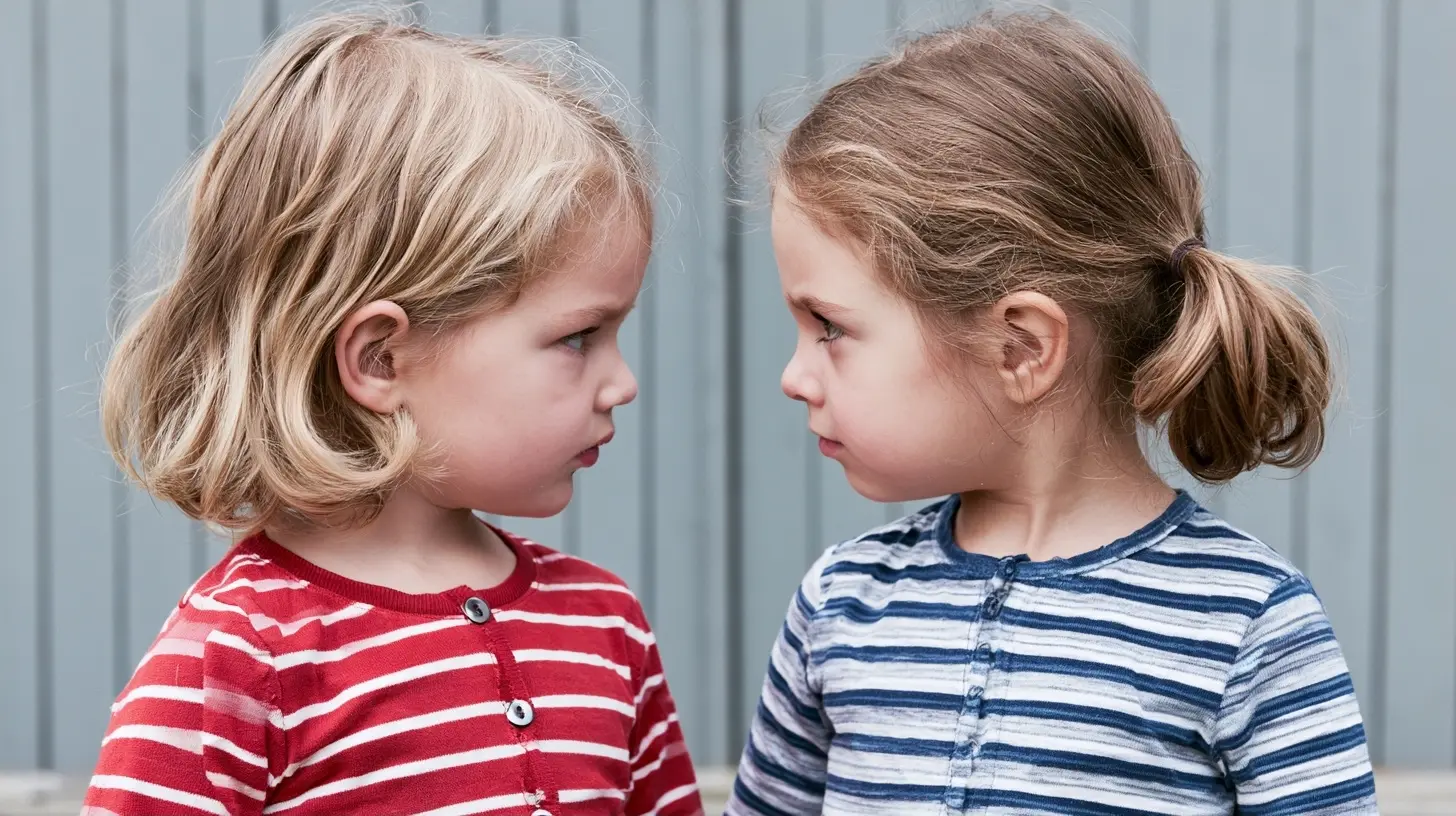
What Makes a Friendship Toxic, Exactly?
The word "toxic" gets thrown around loosely, so it helps to define it precisely. A toxic friendship is not a friendship with conflict. All close friendships include arguments, hurt feelings, and repair. A toxic friendship is one where the pattern of interaction consistently leaves your child feeling smaller, anxious, or obligated in ways that erode their sense of self.Several markers distinguish ordinary friction from something more concerning.
One-sided power. One child consistently decides what the pair does, who else is allowed in, and what the rules are. The other child adapts constantly to keep the peace. Occasional bossiness is normal in young children who are still learning to share control. A persistent pattern where your child never gets a turn, never proposes activities, or is punished with withdrawal for disagreeing is a different matter.
Conditional affection. The friend withdraws warmth as leverage. "I won't be your friend anymore if you play with her." "You can sit with us, but only if you do what I say." This is the emotional currency of many childhood social hierarchies, and it is worth taking seriously because it trains a child to trade self-respect for belonging.
Chronic criticism. Teasing is a normal part of childhood, but there is a difference between playful ribbing that goes both ways and a steady drip of comments aimed at one child's appearance, abilities, family, or interests. The tell is how your child feels afterward. If they laugh in the moment but deflate later, the teasing is doing damage.
Exclusion as punishment. Being left out occasionally is part of life. Being systematically excluded whenever your child asserts themselves is a control tactic.
Draining versus energizing. This is one of the most useful lenses for parents. After time with a healthy friend, most children come home energized, chatty, or happily tired. After time with a toxic friend, they may come home irritable, withdrawn, or oddly deflated. You do not need to diagnose the friendship to notice the pattern in your child's mood.
One important caveat: a single bad day proves nothing. Children have off days, and so do their friends. Look for patterns across weeks and months, not isolated incidents.

Why Children Stay in Friendships That Hurt Them
Before you can help your child exit a bad friendship, you need to understand why they might not want to. Parents often assume the answer is simple: the friend is mean, so leave. Children rarely experience it that way.Belonging feels like survival. For school-age children, social belonging is not a nice-to-have. It is the water they swim in. A difficult friend who guarantees a seat at lunch can feel safer than the unknown of no seat at all. This is why "just make new friends" lands so poorly. It treats an emotional problem as a logistical one.
The friend is not all bad. Toxic friendships are rarely toxic every minute. The same friend who excludes your child on Monday might be hilarious and generous on Tuesday. Children weigh the good moments heavily, and that is developmentally appropriate. It also makes the friendship harder to leave.
Loyalty is a virtue they have been taught. We tell children to be good friends, to forgive, to give people second chances. A child applying those lessons to a friend who does not reciprocate is not being naive. They are being exactly who we raised them to be.
They blame themselves. Children often assume social problems are their fault. If a friend is cruel, a child may reason that they must have done something to deserve it. This self-blame is one of the most important things to address, because it can outlast the friendship itself.
They fear the fallout. Leaving a toxic friend can trigger retaliation: rumors, exclusion from the wider group, or a campaign to turn others against them. Children often calculate, correctly, that the exit is riskier than the status quo.
Understanding these forces changes how you respond. Instead of treating your child as passive or confused, you treat them as someone making a rational calculation under social pressure, and you help them change the calculation.

Reading the Signs Without Overreacting
Most parents notice something is off before they can name it. The challenge is distinguishing a phase from a pattern, and a sensitive child from a genuinely mistreated one.Behavioral signals worth watching
- A sudden reluctance to attend school, activities, or playdates that previously excited them, especially if the reluctance is vague rather than specific.- Mood shifts that cluster around time with a particular friend: irritability after playdates, tearfulness on Sunday nights, stomachaches on school mornings.
- A shift in self-description. "I'm annoying." "Nobody likes me." "I'm bad at everything." Pay attention when a child starts narrating themselves in the language a friend uses about them.
- Secrecy about the friendship. A child who suddenly will not discuss a friend, or who defends the friend aggressively when you raise a mild concern, may be protecting something fragile.
- Changes in how they dress, talk, or spend money that seem driven by one person's approval rather than genuine preference.
- Exclusion from group events they used to attend, especially when the toxic friend is central to the group.
Signals that are less reliable than parents think
- A single fight. Children fight, repair, and move on. Do not intervene in every skirmish.- A friend you personally dislike. Your child's friend may be loud, odd, or from a family with different values and still be a perfectly good friend. Your discomfort is not evidence.
- Normal developmental withdrawal. Tweens and teens pull away from parents as a matter of course. Less sharing is not automatically a red flag.
The most reliable signal is your child's own language. When a child says "she's my best friend but she makes me feel bad," that is not confusion. That is a child reporting a contradiction they cannot resolve, and it deserves a serious response.
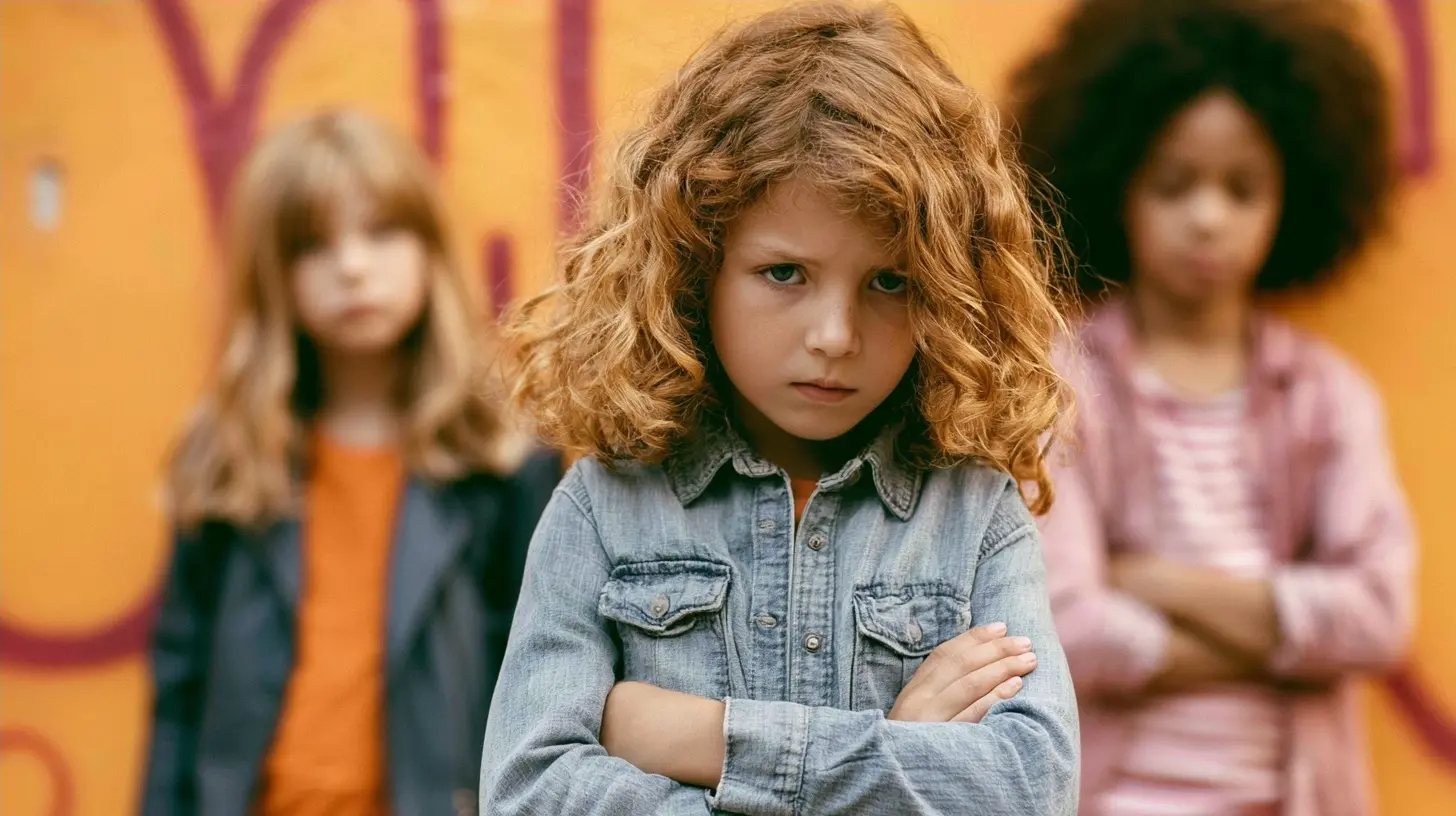
The Foundation: Build the Social Radar Before You Need It
The most effective protection against toxic friendships is not surveillance. It is a child who can recognize poor treatment, name it, and trust their own read of a situation. That capacity is built long before the crisis.Teach friendship literacy explicitly
Most children are never taught what a healthy friendship looks like in concrete terms. They absorb whatever they see. You can make the invisible visible by naming qualities out loud. When your child has a good day with a friend, ask what made it good. When they have a hard day, ask what was different. Over time, they build a mental checklist: does this person listen? Do they take turns? Do they make me feel included? Do they apologize when they hurt me?This is far more useful than a lecture. A child who can describe the difference between a friend who teases kindly and one who teases to wound has a tool they will use for decades.
Practice the language of boundaries at home
Boundaries are a skill, not a personality trait. Children learn them by hearing them and using them in low-stakes settings. Simple scripts work well:- "I don't like that. Please stop."
- "I want to play something else for a while."
- "That's not okay to say to me."
- "I need a break. I'll come back in a bit."
Practice these at home during pretend play, during sibling disputes, and in everyday moments. The goal is fluency, so that when a real situation arises, the words are already in the child's mouth rather than something they have to invent under pressure.
Let your child practice with you
A child who can say "no" to a parent, in small safe ways, is more likely to say "no" to a peer. This does not mean letting a child run the household. It means allowing low-stakes disagreement: letting them choose their own clothes, decline a food they genuinely dislike, or opt out of a hug from a relative. Each small act of self-assertion is a rehearsal for the bigger ones.Model repair, not just conflict avoidance
Children learn more from how you handle your own conflicts than from any conversation. When you disagree with a partner, a friend, or a coworker, narrate the repair in age-appropriate terms. "I was upset with Aunt Marie, so I told her, and we figured it out." This teaches that conflict is survivable and that relationships can be repaired. It also teaches that walking away is sometimes the right repair.When to Intervene, and When to Coach From the Sidelines
This is where many parents get it wrong in both directions. Some intervene too early and too aggressively, which can humiliate a child and make them hide future problems. Others stay silent too long, hoping the child will sort it out, and miss a window when support would have mattered most.A useful rule of thumb: coach first, intervene only when the child is unsafe or unable to act.
Coaching scenarios
If your child is being mildly excluded, teased, or bossed around, and they still have some agency in the situation, coaching is usually the better first move. Coaching means asking questions rather than issuing instructions:- "What happened today? How did that feel?"
- "What do you wish you had said?"
- "What do you think would happen if you tried that?"
- "Do you want my help thinking it through, or do you just want to vent?"
That last question is important. Many children need to be heard before they can hear advice. Jumping straight to solutions can shut the conversation down.
Intervention scenarios
Intervene directly, or involve other adults, when:- There is physical harm, threats, or intimidation.
- There is sustained exclusion that is damaging your child's mental health.
- There is coercion around money, possessions, secrets, or risky behavior.
- Your child has tried to address the situation and is being punished for it.
- The other child's behavior is part of a broader pattern involving other kids, which may indicate a school-wide issue worth raising.
Even then, intervention should be as collaborative as possible. Tell your child what you plan to do and why. Give them a voice in how it happens. A child who feels ambushed by a parent-teacher meeting will trust you less, not more.
The trade-off to weigh
Direct intervention can solve a problem quickly, but it can also cost your child social capital. If you call the other parent, and that parent defends their child, your child may face retaliation at school. If you talk to the teacher, your child may be labeled a tattler. These outcomes are not reasons to avoid intervening, but they are reasons to plan the intervention carefully, ideally with your child's input and with attention to timing and discretion.
Age-by-Age Guidance
The same principles apply across childhood, but the execution changes dramatically.Early childhood (ages 3 to 6)
At this age, "toxic" is almost always a function of immature social skills rather than intent. A four-year-old who grabs toys and declares "you're not my friend" is not being cruel. They are being four. The right response is gentle coaching in the moment, modeling turn-taking, and helping both children repair. Heavy intervention is rarely useful and can stigmatize a child who is simply learning.Middle childhood (ages 7 to 10)
This is when genuine friendship patterns emerge, and when exclusion becomes more deliberate. Children this age are acutely attuned to fairness and are capable of understanding the difference between a friend who is having a bad day and a friend who is consistently unkind. This is the ideal window for explicit friendship coaching: naming behaviors, practicing scripts, and helping your child think through consequences.Tweens (ages 10 to 13)
Peer approval becomes enormously powerful, and the social stakes rise. Toxic dynamics often intensify here, including relational aggression, rumor-spreading, and group-based exclusion. Your child may be less willing to talk. Keep conversations low-pressure and side-by-side rather than face-to-face. Car rides, walks, and late-night chats work better than direct interrogations at the dinner table.Teens (ages 13 to 18)
Teens need autonomy, and they need to know you are still in their corner. The most useful role for a parent here is often as a consultant rather than a manager. Ask permission before giving advice. Respect their judgment when it is reasonable, even if you would choose differently. Be clear about the non-negotiables (safety, coercion, abuse) and flexible about the rest. A teen who feels respected is far more likely to come to you when something is genuinely wrong.Common Mistakes Parents Make
Even well-intentioned parents can make a difficult situation worse. These are the most common missteps.Forbidding the friendship outright. A flat ban rarely works and often backfires. It can drive the friendship underground, make the forbidden friend more appealing, and teach your child to hide future problems from you. It also removes your child's sense of agency, which is the very thing they need to build.
Trash-talking the friend. It feels satisfying, but it puts your child in the position of defending someone they may privately agree is unkind. It also models contempt rather than discernment. Better to describe behavior than to label a person.
Minimizing. "Just ignore them." "Kids are mean." "It'll blow over." These responses tell your child that their pain is not worth your attention. Even if the situation is developmentally normal, the feeling is real, and dismissing it teaches them not to bring you their problems.
Over-identifying. The opposite error is treating your child's social pain as your own. Children pick up on parental anxiety, and a child who senses that a friendship problem is destabilizing the whole family may downplay it to protect you.
Assuming the other child is the problem. Sometimes your child is the one behaving badly, or the dynamic is mutual. A parent who cannot consider this possibility will struggle to help. Ask neutral questions. Listen for your child's role in the pattern, not to blame them, but to understand the full picture.
Confusing popularity with health. A child with a large friend group can still be in a toxic dynamic. A child with one or two close friends may be thriving. Quantity is a poor proxy for quality.
Helping Your Child Exit With Dignity
Leaving a friendship is rarely a single dramatic break. More often it is a gradual reallocation of time and attention, and that is usually healthier. Here is how to support it.Normalize the fade
Explain that most friendships do not end with a confrontation. They drift. People get busy, interests diverge, and the friendship quietly becomes less central. This is a normal and often kind way to exit. It spares everyone the drama of a formal breakup and reduces the risk of retaliation.Build alternatives before you subtract
The single most effective thing you can do is help your child build a wider social base. Sign them up for an activity where they will meet new people. Encourage connections with cousins, neighbors, or classmates they have not spent much time with. A child with options is far less dependent on any one friendship. The goal is not to replace the toxic friend overnight but to reduce the leverage that friend holds.Rehearse the exit scripts
If a direct conversation is needed, practice it. Simple, non-accusatory language works best:- "I've been spending more time with other people lately, and I think I need a break from hanging out so much."
- "I don't like how I feel when we hang out, so I'm going to take some space."
- "I'm not going to talk about her behind her back, but I'm also not going to keep doing this."
Notice that none of these scripts require the other child to agree or understand. The exit belongs to your child, not to the friend's approval.
Expect some fallout
If the friend is controlling, the exit may trigger retaliation. Prepare your child for this possibility without frightening them. Talk through what might happen and how they will respond. Loop in the school if the situation involves a shared social group. And make sure your child knows that the fallout is temporary and that you are with them through it.When the Problem Is Bigger Than One Friendship
Sometimes the issue is not a single toxic friend but a social environment that rewards cruelty: a clique with rigid rules, a class culture where exclusion is normal, or a group where one child holds outsized power. In these cases, individual coaching is not enough.This is when it makes sense to involve the school, not as a complaint about one child but as a concern about the social climate. Teachers and counselors often have a wider view and can address group dynamics in ways a parent cannot. Approach them as a partner rather than an accuser. Share what you have observed, ask what they have noticed, and ask what support is available.
It is also worth considering whether your child needs additional support outside the situation: a counselor, a trusted adult, or a structured activity where they can experience a different kind of social success. Sometimes the most healing thing is not fixing the friendship but giving the child a place where they are valued.
The Long Game
The goal of all this is not to raise a child who never encounters a difficult friend. That is not possible, and it would not be desirable. The goal is to raise a child who can recognize poor treatment, name it, and act on it, and who knows that leaving a relationship that hurts is not a failure but a skill.That skill is built slowly, through thousands of small conversations, through your own modeling, through the language you give them, and through the trust you build by listening before you fix. It will not always go smoothly. There will be missteps, misunderstandings, and friendships that end badly despite your best efforts.
But over time, the child who learns to trust their own read of a situation, who has the words to set a boundary, and who knows their parent is a safe place to land, is a child who is well protected. Not because they never meet a toxic friend, but because they know what to do when they do.
all images in this post were generated using AI tools
Category:
Parenting And Social SkillsAuthor:

Austin Wilcox