How to Keep Jealousy from Impacting Sibling Relationships
30 April 2026
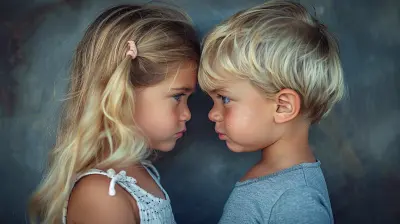
Sibling rivalry is as old as time itself. From the infamous biblical tale of Cain and Abel to the playful banter (and occasional bickering) between kids today, jealousy among siblings is a natural part of growing up. But when that jealousy starts affecting their relationship, it can lead to long-term resentment, constant conflicts, and emotional distance.
As parents, we want our kids to be best friends. We dream of them growing up with unbreakable bonds, leaning on each other during tough times, and sharing life’s joys. But let’s be real—when sibling jealousy seeps in, those dreams can feel impossible. So, how do we keep jealousy from overshadowing their love for each other?
In this guide, we'll walk through practical, actionable ways to help your children build a strong, loving, and jealousy-free relationship. 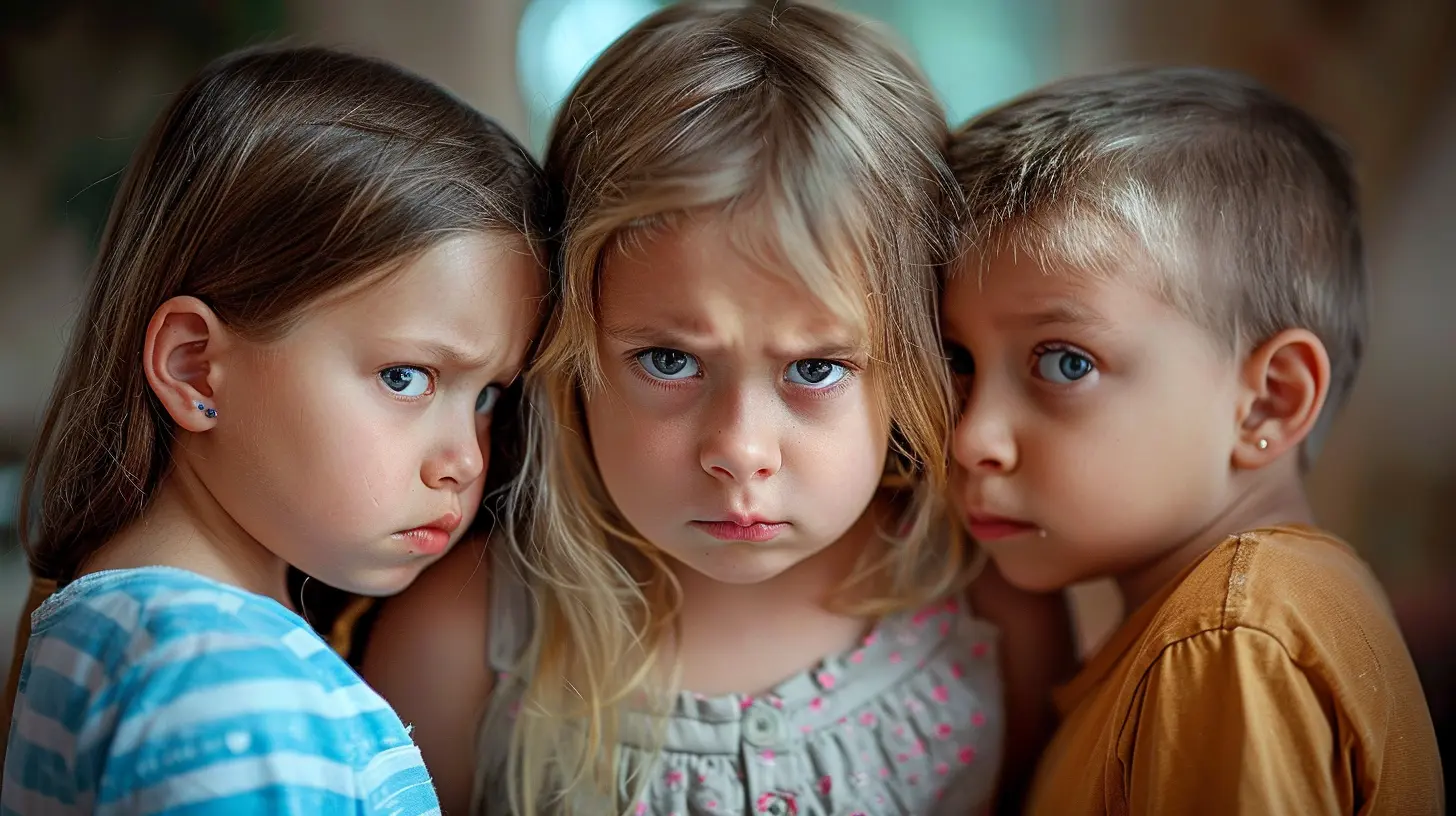
Understanding Why Sibling Jealousy Happens
Before tackling the problem, we need to understand why jealousy creeps in. Here are some common reasons:- Competition for Attention: Kids crave their parents’ love and approval. If they feel one sibling is getting more attention, jealousy kicks in.
- Perceived Favoritism: Even if you try your best to be fair, kids sometimes feel like a sibling gets special treatment.
- Birth Order Dynamics: The oldest often feels pressured while the youngest gets the “baby” treatment, creating resentment.
- Different Personalities & Strengths: If one child excels in something the other struggles with, comparison can fuel jealousy.
- Changes in Family Dynamics: Life events like a new sibling, moving houses, or changes in parental focus (due to work or stress) can make kids feel insecure.
Understanding why jealousy arises helps us address it effectively. 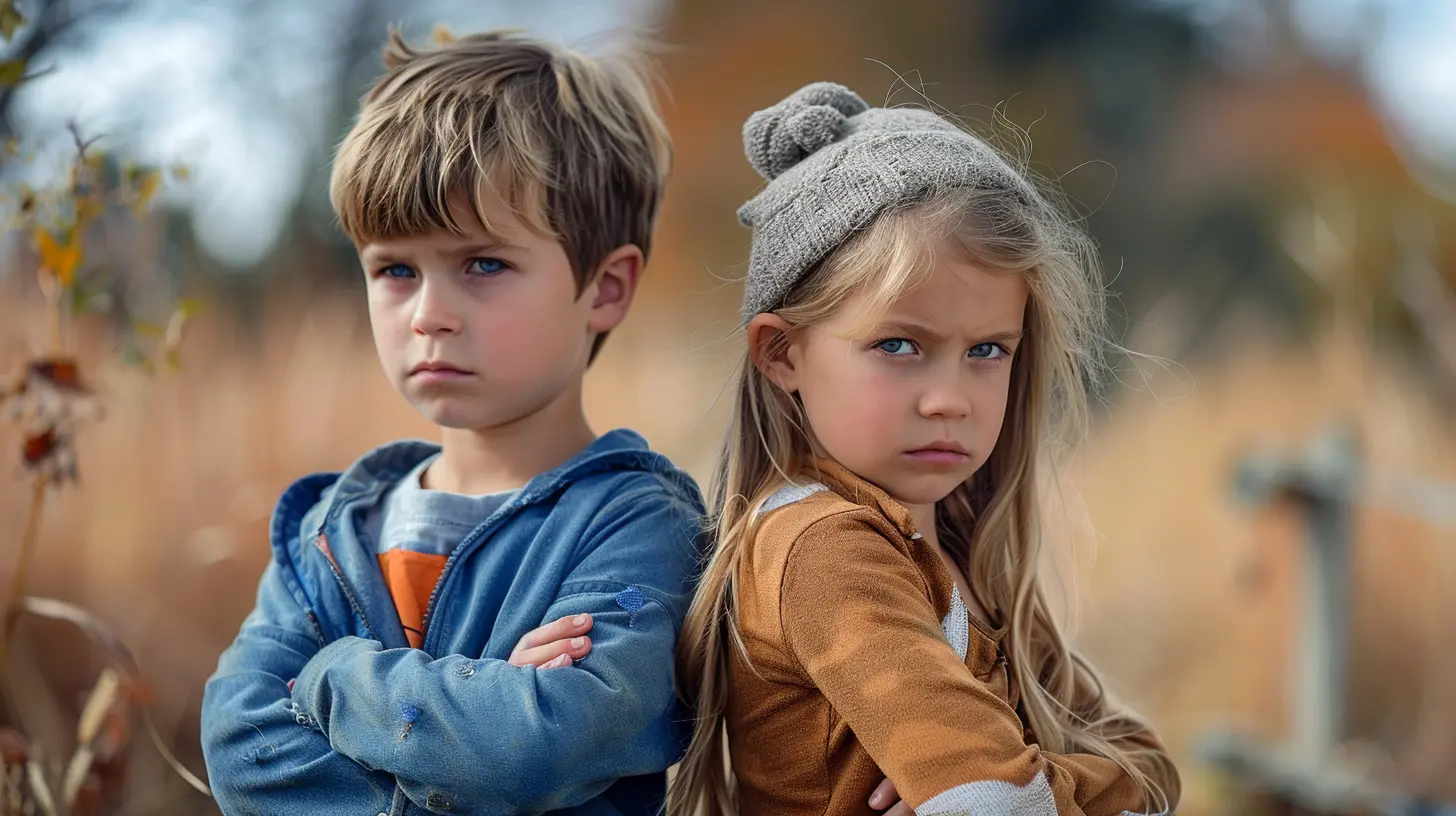
How to Keep Jealousy from Impacting Sibling Relationships
1. Avoid Comparisons—Kids Are Not the Same
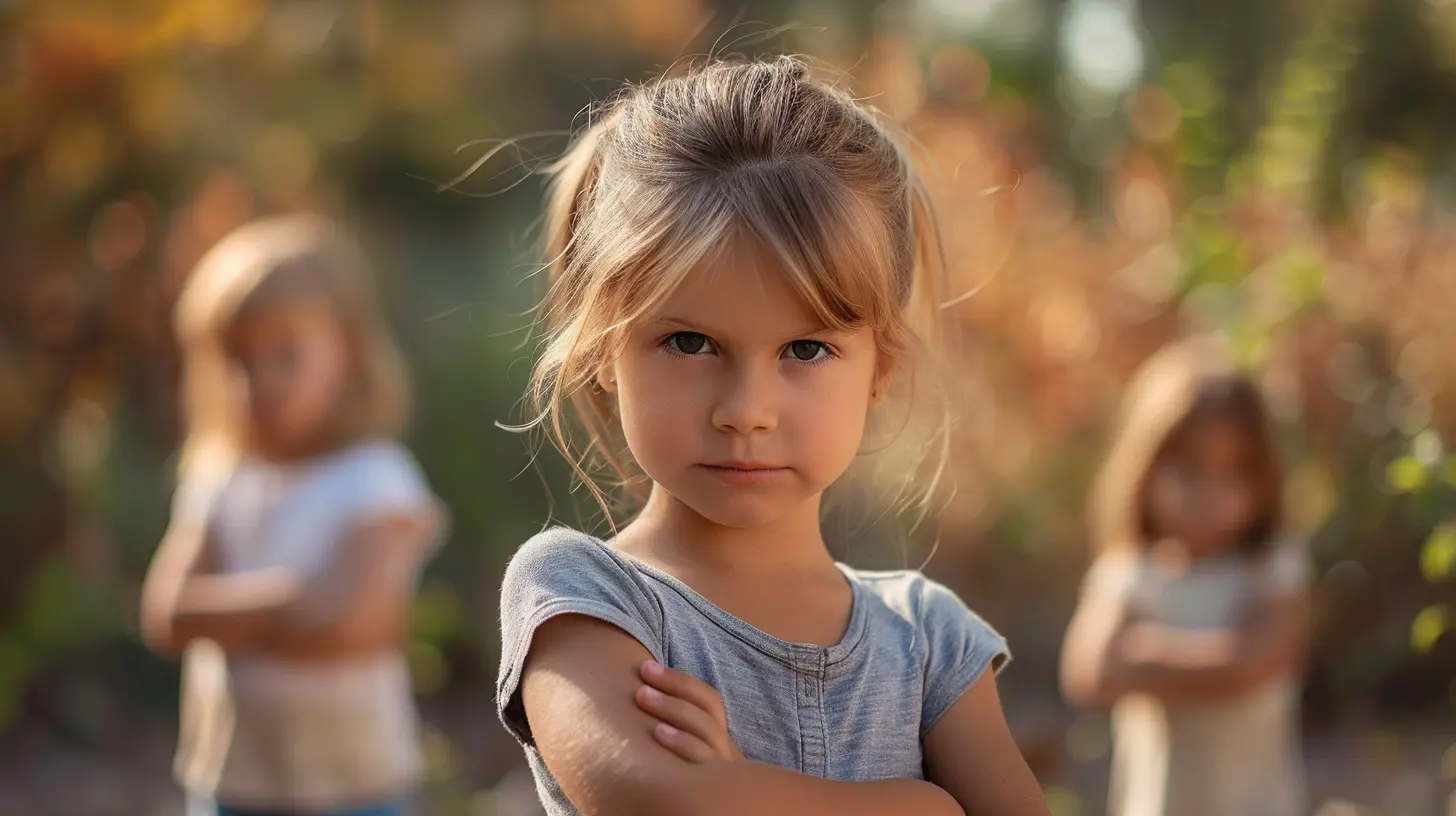
One of the biggest mistakes parents make (often unintentionally) is comparing their children. Statements like:- "Why can't you be more like your sister?"
- "Your brother was reading at your age!"
- "She always listens better than you do."
These comparisons may seem harmless, but they plant seeds of resentment. Each child is unique, with different strengths, weaknesses, and interests. Celebrate them as individuals rather than measuring them against each other.
Instead of comparison, say things like:
- "I love how creative you are!"
- "You have such a kind heart."
- "Your determination is amazing!"
When kids feel valued for who they are rather than being measured against a sibling, jealousy decreases.
2. Give Each Child One-on-One Time
Jealousy often stems from feeling left out. When kids see their sibling getting more attention—whether real or imagined—frustration builds.The best way to combat this? Intentional one-on-one time.
- Schedule regular "date days" with each child.
- Engage in activities tailored to their interests—baking, reading, playing a game, or even just talking.
- Even small moments, like bedtime cuddles or a five-minute chat about their day, help them feel loved individually.
When children feel secure in their bond with you, they’re less likely to feel jealous of their siblings.
3. Teach & Model Gratitude and Appreciation
Instead of letting jealousy fester, teach your kids to appreciate each other. Encouraging gratitude can go a long way in strengthening sibling relationships.Here’s how:
- Praise out loud: "Wow, your brother helped you with your homework! That’s so kind of him!"
- Create gratitude rituals: Have a "What I Love About My Sibling" moment at the dinner table.
- Encourage thank-you notes: Small gestures of appreciation help kids value their siblings.
The more you spotlight kindness, the more they’ll naturally focus on appreciation over jealousy.
4. Foster Teamwork, Not Competition
Does your household feel like a battlefield where every child is competing against the other? It’s time to reframe things.Instead of pitting siblings against each other:
- Encourage team-based activities: Have them work together on puzzles, games, or even chores.
- Reward cooperation, not just individual achievement: "Since you BOTH helped clean up, you BOTH get extra storytime!"
- Use ‘we’ language: "How can we solve this together?" rather than "Who’s right?"
When kids see each other as teammates rather than rivals, jealousy naturally decreases.
5. Acknowledge Feelings Without Enabling Jealousy
It's tempting to dismiss jealous feelings—"Don't be silly, you know we love you both the same!" But to a child, those feelings are real. Instead of shutting them down, acknowledge and validate them.For example:
- "I see you're feeling upset because your sister got a new toy. It’s okay to feel that way."
- "You wish you had more time with me like your brother does, huh?"
By recognizing their feelings, you help them process emotions instead of bottling them up. The key is acknowledging without indulging—don’t automatically give in or overcompensate, but show understanding.
6. Set Clear & Fair Boundaries
Jealousy often arises when children feel things aren’t fair. While fairness doesn’t always mean equal treatment, it does mean clarity.- Set clear family rules for things like screen time, chores, and responsibilities.
- Explain why some privileges may differ (e.g., "Your older brother can stay up later because he has more homework, but when you're his age, you'll have the same rule.")
- Be consistent so kids trust that you treat them fairly.
When children feel that rules apply equally, they’re less likely to resent each other.
7. Encourage Conflict Resolution Skills
Fights are inevitable. But rather than playing referee, equip your kids with the tools to resolve conflicts on their own.Teach them to:
- Use "I" statements: "I feel hurt when you take my toys without asking."
- Listen actively: Encourage them to repeat back what their sibling said to ensure understanding.
- Find solutions together: Ask, "How can we fix this so both of you feel okay?"
When kids know how to solve problems without parental intervention, they’re less likely to harbor lasting jealousy and resentment.
8. Lead by Example—Show Sibling Love in Action
Kids mimic what they see. If they notice you fostering strong relationships with your own siblings, they’ll naturally follow suit.- Share happy stories about your own siblings.
- Make an effort to connect with your family in front of your children.
- Model forgiveness, teamwork, and love in your own relationships.
By showing that sibling love is a lifelong bond, you help shape their own sibling connections. 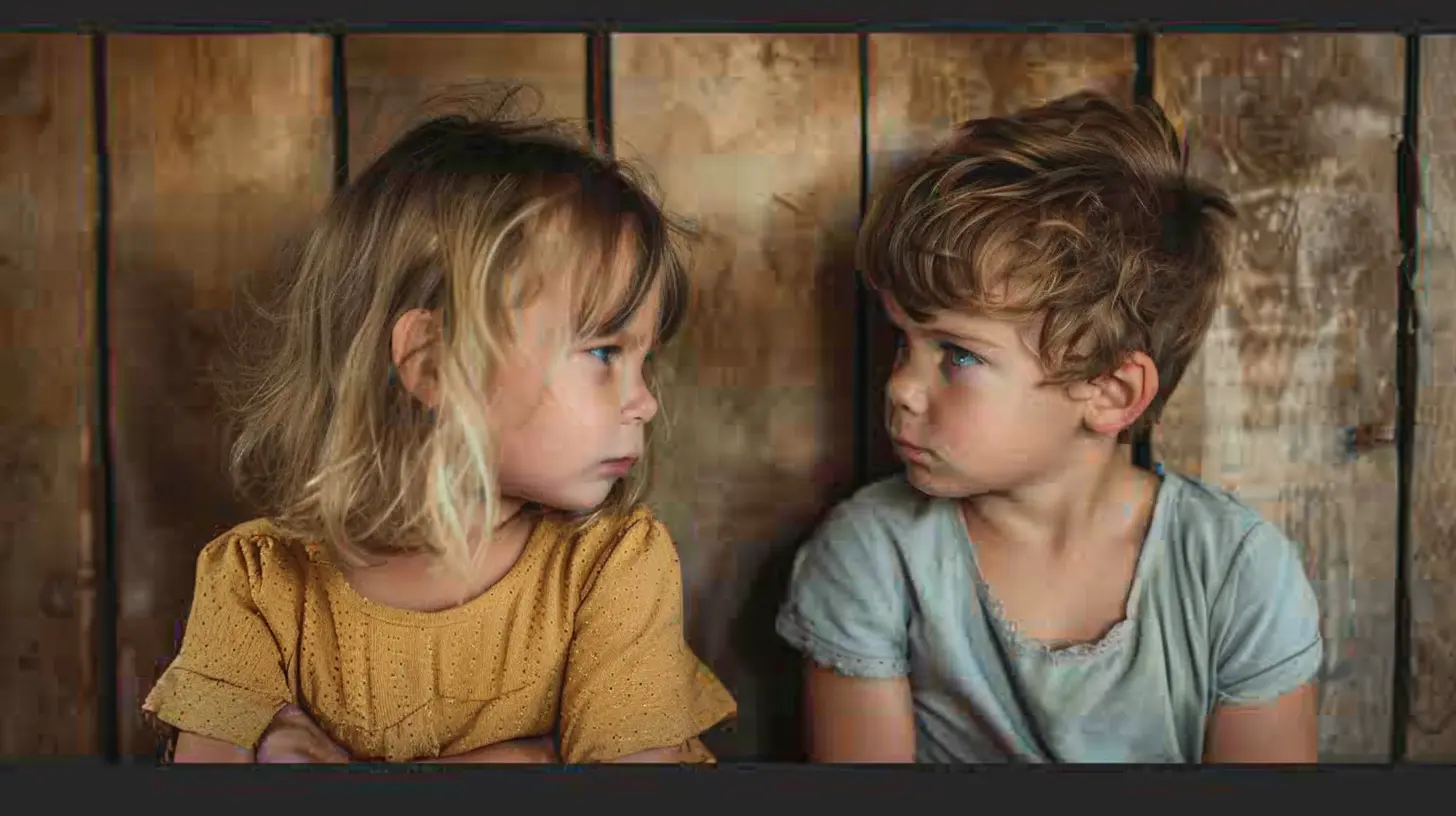
Final Thoughts
Sibling jealousy is inevitable, but it doesn’t have to define your children’s relationship. With a little patience, intentional parenting, and a focus on fostering love over competition, you can help your kids grow into not just siblings, but lifelong friends.At the end of the day, the goal isn’t a jealousy-free home (because, let’s be honest, that’s impossible). The real victory lies in teaching your children how to manage emotions, appreciate each other, and build a strong, supportive sibling bond that lasts a lifetime.
So, take a deep breath, implement these strategies, and remember—you're raising not just kids, but future best friends.
all images in this post were generated using AI tools
Category:
Sibling JealousyAuthor:

Austin Wilcox
Discussion
rate this article
2 comments
Avery Franklin
This article offers practical tips for parents dealing with sibling jealousy. Addressing feelings early, celebrating individual achievements, and fostering open communication can help children connect better. It's crucial to create an environment where siblings feel valued and loved equally, preventing jealousy from driving a wedge between them.
June 5, 2026 at 2:42 PM
Austin Wilcox
Thanks for your insights! Fostering open communication and celebrating each child's strengths are key to nurturing strong sibling bonds.
Serenity McPhee
Sibling rivalry can be tough, but understanding and communication are key. By fostering empathy and encouraging teamwork, you can help your children build a stronger bond. Remember, it's a journey, not a destination... be patient.
May 12, 2026 at 4:35 AM
Austin Wilcox
Absolutely, patience and open communication go a long way. Encouraging empathy can transform rivalry into support. Thanks for sharing your thoughts!