How to Manage Your Child’s Anxiety Around Changes in Routine
25 May 2026
Let’s face it—change is hard. Even as adults, we sometimes resist it. So, it’s no wonder that children, especially those who thrive on routine and predictability, can feel overwhelmed when their daily structure shifts. Whether it's a new school year, a family vacation, a babysitter stepping in, or daylight saving time throwing off bedtime, change can trigger stress and anxiety in kids.
If you’re here, nodding along, wondering how to help your little one cope with these bumps in the routine road—you’re not alone. Let's walk through this together and talk about simple, heartfelt ways to support your child’s emotional world when life shakes things up.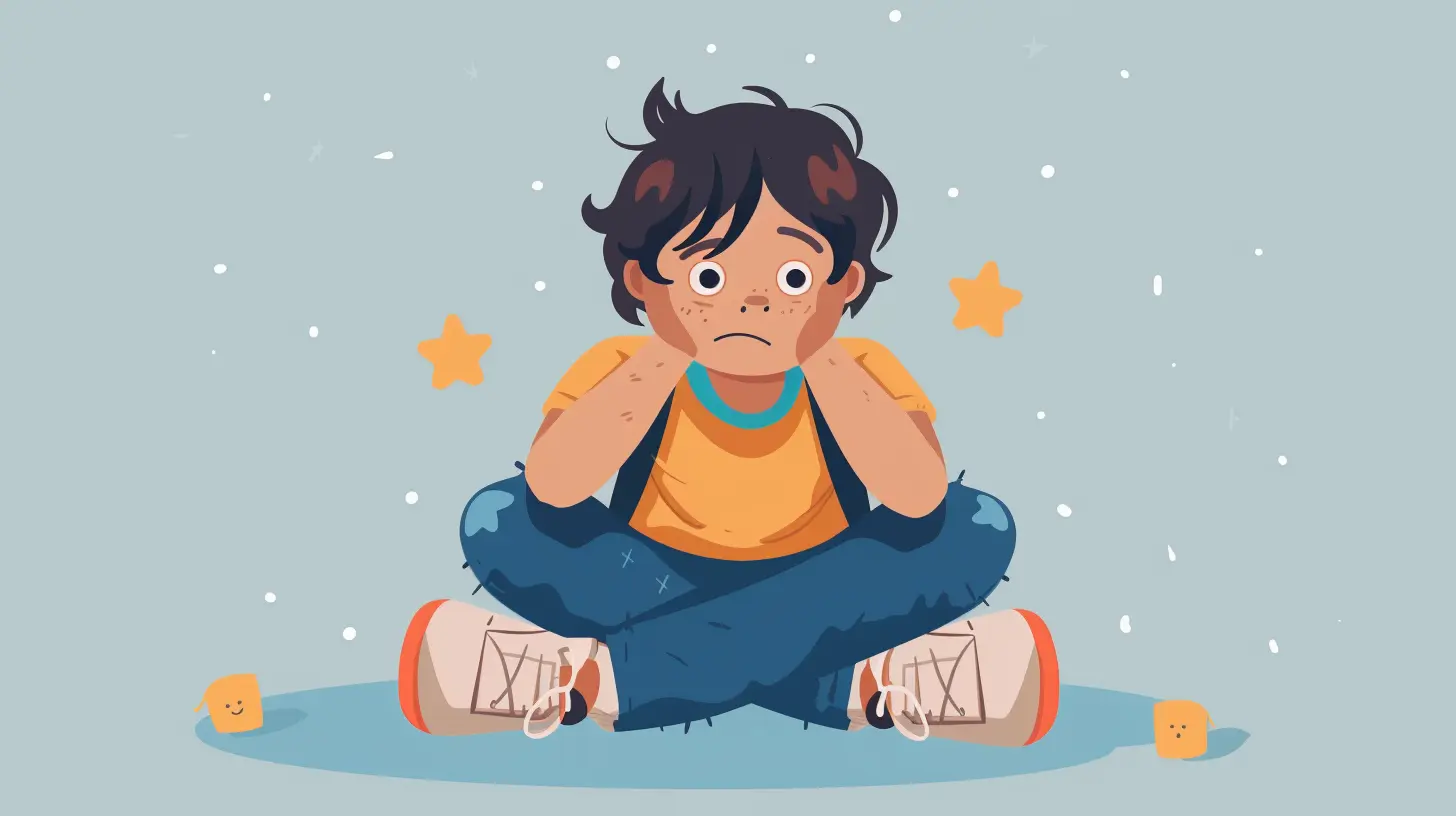
Why Routine Feels Safe for Kids
Imagine driving through a foggy road versus one you've traveled a thousand times. That comfort you feel knowing what’s ahead? Yeah, that’s how kids experience their routines. Predictability gives them a sense of control in a big, often unpredictable world.Routines offer:
- Security: Kids feel safe when they know what to expect.
- Confidence: Repetition builds mastery and self-assurance.
- Emotional Stability: Reduced anxiety because the future feels more certain.
So when that routine gets disrupted—even by something as simple as a different breakfast or a surprise trip—their inner world may feel like it’s spinning out of control.
Common Triggers of Routine-Related Anxiety
Your child might not always say they’re anxious, but you’ll likely notice it. Maybe they become clingier, throw more tantrums, or complain of tummy aches. These are often signs that change is stirring something uncomfortable inside.Some typical triggers include:
- Starting a new school or daycare
- Moving homes or rearranging bedrooms
- Holidays or time zone changes
- Changes in caregivers or babysitters
- A parent returning to work or traveling
- Health changes or doctor visits
- Even positive events like birthdays or vacations!
Remember, even "good" changes can stir up stress because they challenge the familiar.
Spotting Anxiety Signs in Children
Kids often don’t say, “I’m anxious.” Instead, anxiety sneaks out in more subtle ways like:- Trouble sleeping or more frequent nightmares
- Changes in appetite
- Irritability or emotional outbursts
- Withdrawal or clinginess
- Complaints of physical discomfort—often vague, like "My tummy hurts"
- Avoidance of certain activities or places
Every child is different, so keep an eye on patterns. Your calm observation is your superpower here.
1. Give Advance Warning (When Possible)
One of the simplest but most powerful tools is giving your child a heads-up. Kids process things more slowly than adults, so springing a change on them cold turkey? Not ideal.Try this:
Gently introduce the idea of the change a few days (or even weeks) ahead. Use visual tools, like calendars or storytime analogies to make it more real for them.
For instance:
“Hey buddy, next week, Grandma will pick you up from school instead of me. She’s so excited to hear about your day!”
2. Use Stories and Books to Normalize Change
Books have a magical way of validating feelings and making abstract concepts digestible. There are loads of children's books that tackle change—from moving houses to new siblings.Reading stories together opens the door for conversation. You could even make up your own stories starring your child as the hero navigating their new routine!
Let your child know: “It’s okay to feel unsure—we all do sometimes.”
3. Create Predictability Within the Change
You might not be able to stop the change, but you can anchor parts of the day with familiar rituals. Think of them as emotional lifeboats during the rocky seas of transition.Keep certain elements steady:
- The bedtime routine stays the same, even if the day is different.
- Breakfast with their favorite cup.
- A good-bye ritual before daycare drop-off.
Giving them some constants can ease their stress and give them a sense of control.
4. Empower Them With Choices
Stress often stems from feeling powerless. So give your child a say when you can. It doesn’t have to be big—just enough to make them feel involved.For example:
- “Do you want to wear your red shoes or blue shoes today?”
- “Should we pack your sandwich or pasta for lunch?”
Even small choices make a big emotional difference. It’s like letting them steer the ship for a little while, which helps build confidence and reduce anxiety.
5. Lean Into Routine... Around the New Routine
If there’s a bigger change happening (like starting school), create a mini routine around it. Kids love knowing what’s next.Before bed, maybe you:
- Pick tomorrow’s clothes together
- Pack the backpack
- Read a bedtime story about school
These little steps build reassurance and carve out emotional space for the new experience.
6. Allow Feelings Without Judgment
This is a biggie. All feelings are valid—even the ugly cry that shows up when your child’s daily groove gets disrupted.Avoid the urge to say:
- “It’s not a big deal.”
- “You’ll be fine—don’t worry.”
Instead, try:
- “I can see this is really upsetting. Want to tell me more?”
- “It’s okay to feel nervous. I feel that way, too, sometimes.”
Our job isn’t to fix the feeling—it’s to hold space for it. When children feel seen and heard, the emotions naturally soften.
7. Practice Coping Strategies Together
Kids aren’t born knowing what to do when anxiety strikes. That’s where you come in—not as their fixer, but as their coach.Here are some age-appropriate strategies you can practice together:
- Deep belly breaths (blow up an imaginary balloon)
- Drawing or coloring how they feel
- Calming jars or sensory toys
- Movement: jumping jacks, dancing, or stretching
- Positive affirmations: “I can handle new things one step at a time.”
Practice when they’re calm—so when anxiety flares, they’ve already got tools in the toolbox.
8. Be Honest—but Keep it Simple
Kids are intuitive. They can often sense when something’s off, even if you haven’t said a word. Being honest, in a developmentally-appropriate way, builds trust.If a big life change is coming (like divorce, a new sibling, or moving), offer simple, truthful explanations. Reassure them about what will stay the same, and let them ask questions.
You can say:
- “Our family is changing, but my love for you will never change.”
- “Some things will be different, but we’re going to figure it out together.”
Even when you don’t have all the answers, your presence and sincerity make all the difference.
9. Model Flexibility & Resilience
Like it or not, your kids are always watching you. The way you react to change teaches them how to handle their own.If you approach transitions with openness and curiosity, your child is more likely to internalize that resilience.
This doesn’t mean you have to be a robot or pretend everything’s fine. It's okay to say:
- “I’m feeling nervous, too, but I know we’ll figure it out.”
- “I miss our old routine, but I’m also excited to try this new thing.”
You’re not just raising a child. You’re raising a future adult—watching you bounce back teaches them how to do the same.
10. When to Seek Outside Help
Sometimes, the anxiety doesn’t let up—or it starts interfering with sleep, school, or friendships. If you’re concerned, trust your gut.Talking to your pediatrician, a school counselor, or a child therapist can be a game-changer. There’s no shame in needing some extra support.
You’re already doing an incredible job by tuning into your child’s emotional needs. Asking for help can be one of the most loving things you do—for both of you.
Wrapping Up: Gentle Transitions Make Stronger Kids
Change is part of life—but the way we guide our kids through it can shape how they handle the world as they grow. By staying present, offering tools, listening more than fixing, and validating their big feelings, we help them build emotional resilience—one change at a time.So next time a routine gets flipped upside down, just breathe. You’ve got this. And more importantly, your child has you.
all images in this post were generated using AI tools
Category:
Dealing With AnxietyAuthor:

Austin Wilcox
Discussion
rate this article
2 comments
Dash Good
Ah, the joys of parenting. Just when you think you have a handle on things, life throws a curveball. Managing my kid's anxiety around changes in routine is like trying to fold a fitted sheet-impossible and mostly ends in tears... and maybe a snack break for both of us!
August 14, 2026 at 4:49 PM
Bella Cain
It's important to acknowledge that while routines provide comfort, flexibility can also empower children. Finding a balance between structure and adaptability may help them navigate anxiety more effectively in the long run.
June 13, 2026 at 2:17 AM
Austin Wilcox
Great point! Balancing routine with flexibility can help children feel more secure while also teaching them to adapt to change. It's all about finding what works best for each child.