How to Set Healthy Boundaries Between Siblings
3 December 2025
Let’s be honest—raising siblings under the same roof is a beautiful, chaotic, often noisy rollercoaster ride. They can be best friends one moment, and then, in the blink of an eye, they’re wrestling over who got the bigger slice of cake. Sounds familiar?
Sibling rivalry is nothing new, and frankly, it's a normal part of growing up. But what turns sibling rivalry from minor bickering to ongoing tension is the lack of clear, respected boundaries. When kids don’t know where their sibling’s space ends and theirs begins, that’s when frustration brews.
So, how do we, as parents, guide our children in building those invisible walls that protect their emotional well-being, personal space, and sense of self? Let’s dive deep and talk about how to set healthy boundaries between siblings that actually work — without turning your home into a constant battleground.
Why Sibling Boundaries Are So Important
Before we get to the how, let's talk about the why. Why are healthy boundaries between siblings even something we should care about?Think of boundaries like fences. Not the kind that shut people out—but the kind that says, “Hey, this is my yard. You’re welcome to visit, but please don’t trample the flowers.”
Boundaries teach kids respect. They learn to value not just their own needs and emotions but also those of their brothers and sisters. This understanding builds mutual trust, empathy, and enhances communication—not just in your family, but for life.
And here’s the kicker: when kids grow up learning how to set and respect boundaries, they become adults who know how to navigate relationships in a healthy, respectful way. That’s a pretty great gift to give your children, right?
Understanding What Boundaries Really Are
So, what exactly are we talking about when we say “boundaries”? It’s more than just “don’t go into your sister’s room.”Boundaries can be:
- Physical: Personal space, belongings, or even the need for quiet time.
- Emotional: The right to feel how they feel without being teased or dismissed.
- Time-related: Wanting alone time or time with their own friends.
They’re essentially personal limits—an acknowledgment that each child is an individual with their own personalities, preferences, and emotional needs.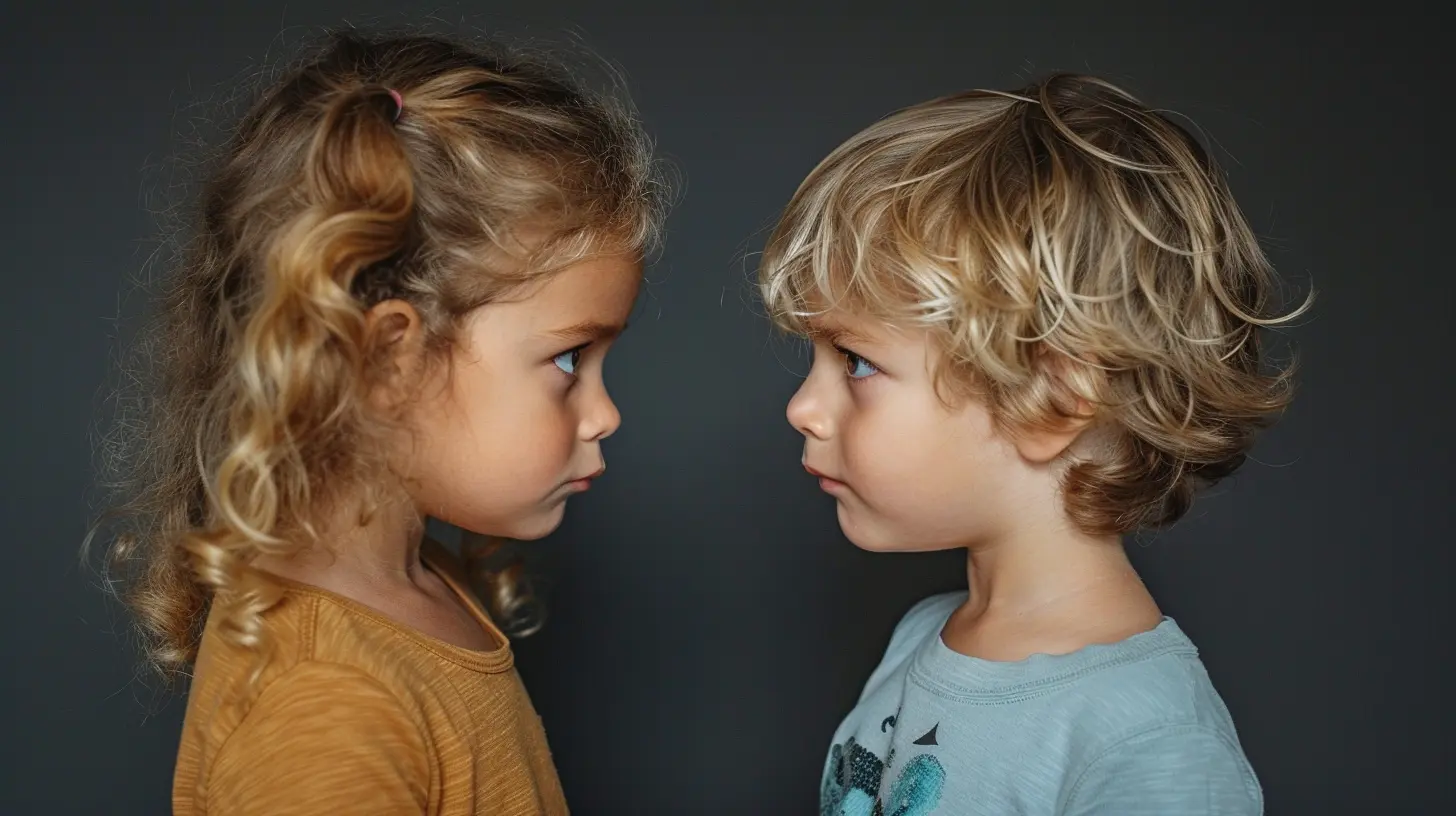
Tip #1: Start With Conversations, Not Rules
If you think setting boundaries is just about laying down the law—think again.Before you make any “You shall not touch your sibling’s stuff” proclamations, talk to your kids. Ask them what bothers them. What makes them feel uncomfortable or annoyed? What do they wish their siblings would stop doing?
You’d be amazed at what they’ll tell you if they feel truly heard.
By involving them in the conversation, you’re not just telling them boundaries are important—you’re showing them that their voice matters. And that’s the first step toward owning their boundaries.
Tip #2: Encourage Mutual Respect—It’s a Two-Way Street
Boundaries only work when they go both ways. If big brother gets a space where his little sister can’t tread, little sister deserves something in return.Encourage your kids to recognize and respect each other’s needs. If one kid wants quiet time to read, help their sibling understand that honor. If another needs space to cool off during an argument, teach the other kids to give it.
It’s not about favoritism—it’s about fairness. Everyone’s boundaries matter.
Tip #3: Set Clear Physical Boundaries
Let’s be real—most sibling conflicts happen because someone crossed into someone else’s physical space. Whether it’s barging into a bedroom uninvited, wearing their sibling’s clothes without asking, or borrowing toys off-limits—it all boils down to not respecting each other's space and things.This is where you get practical:
- Assign each child their own space (even in shared bedrooms).
- Label personal belongings.
- Establish “no entry without knocking” rules.
- Create a borrowing system with permission at the core.
Respecting physical boundaries is often the easiest place to start because it’s tangible—you can see when it’s being crossed.
Tip #4: Promote Emotional Boundaries
This one’s a little trickier, but it’s just as important.Often, siblings tease or joke in a way that doesn’t seem like a big deal to us adults. But if a child says something hurts their feelings or makes them feel small—that’s valid.
Teach your kids emotional boundaries by helping them recognize what’s okay and what’s not:
- Is teasing okay when the other person laughs but stops when asked?
- Is it alright to call names under the guise of “just kidding?”
- Should we force a child to hug or show affection if they don’t want to?
The answer is always no when it comes to making another person uncomfortable. Even if it's family.
Let your kids know it’s okay to say, “That makes me uncomfortable” and stand by them when they do.
Tip #5: Teach Conflict-Resolution Skills
Okay, so they get into a fight—what now?Boundaries aren’t going to mean much unless your kids know how to handle it when boundaries get crossed (and they will sometimes).
Model and teach:
- How to express emotions without yelling.
- How to apologize genuinely.
- How to listen when someone says, “I’m upset.”
- How to compromise when they both want the same toy, seat, or snack.
You’re not just parenting here, you’re coaching. Guide them through conflict like a referee who’s not taking sides but ensuring everyone plays fair.
Tip #6: Avoid Comparisons Like the Plague
There’s nothing that erodes sibling relationships faster than hearing, “Why can’t you be more like your sister?”Comparisons only breed resentment and jealousy.
Instead, focus on each child as the unique human being they are. Praise their individual strengths and efforts rather than stacking them against their sibling. Let each child know they’re loved and valued for who they are—not how they measure up to their brother or sister.
Tip #7: Make Respect a Family Rule
Respecting boundaries shouldn’t be just a “thing for the kids.” It needs to become part of your family culture—something everyone, including parents, upholds.That means you (yes, you too!) need to model this behavior:
- Knock before entering their rooms.
- Ask before borrowing their stuff.
- Respect their need to vent without immediately offering solutions or dismissing feelings.
When kids see you respecting their boundaries, they learn that this isn’t just a set of rules—it’s a way of life.
Tip #8: Schedule One-on-One Time
Sometimes, boundary issues stem from one child feeling overlooked. “You always take his side!” or “She gets all the attention!” are cries for connection more than anything.Spending individual time with each of your children helps them feel seen and secure. It reinforces that they don’t have to compete or step on their sibling’s toes just to get your attention.
Even just 15 minutes of undivided attention can go a long way.
Tip #9: Don’t Intervene Too Quickly
It's tempting as a parent to jump in the second you hear a squabble brewing. But not all sibling conflicts need refereeing.Sometimes, stepping back gives your kids the chance to work things out on their own. This doesn’t mean doing nothing—it means giving them space to try, and stepping in only when things escalate beyond healthy disagreement.
They won’t learn to set and respect boundaries if they’re never given the chance to practice.
Tip #10: Keep the Conversation Going
Boundaries aren't a one-time setup. They evolve as your children grow. What works for your 6- and 8-year-old might not work when they’re 12 and 10.Make it a habit to revisit and refresh boundaries regularly. Ask them how things are going. Allow them to speak up if something isn't working. Be open to tweaking the rules.
You’re growing as a family, and the boundaries should grow with you.
Final Thoughts
Setting healthy boundaries between siblings isn’t about building walls—it’s about building bridges. It’s teaching your kids to protect their space while learning to coexist with empathy and respect.It’s not always perfect. There will be mess-ups, misunderstandings, and yes, screaming matches over toys. But every conversation you have, every moment you step in with love and guidance, is shaping your children into emotionally intelligent, self-aware humans.
And isn’t that what parenting is all about?
So hang in there. Keep the conversations open. Keep the respect mutual. And most importantly—keep showing up. Because at the end of the day, the best boundaries aren’t about rules. They’re about relationships.
all images in this post were generated using AI tools
Category:
Sibling JealousyAuthor:

Austin Wilcox
Discussion
rate this article
1 comments
Lola McGuffin
Empowered boundaries foster respect and connection! Teach your kids that healthy limits nurture love, ensuring strong sibling bonds for life.
December 5, 2025 at 5:33 AM
Austin Wilcox
Thank you for your insightful comment! Empowering kids with healthy boundaries truly lays the foundation for stronger, more respectful sibling relationships.