How to Set the Stage for a Lifelong Positive Sibling Relationship
18 May 2026
Let’s be honest—siblings can be the best of friends one minute and argue over crayons the next. Anyone who’s grown up with a brother or sister knows the ups and downs firsthand. But here’s the thing: the bond between siblings can be one of the most powerful and enduring relationships in a person’s life. And as parents, we have a huge role in shaping it from the get-go.
So if you're wondering how to create a home where your kids actually enjoy each other’s company (most of the time), you’re in the right place. In this article, we’re unpacking practical steps to set the stage for a lifelong positive sibling relationship—one built on love, trust, communication, and just the right dash of fun.
Why Sibling Relationships Matter More Than You Think
Before we dive into the how-to’s, let’s talk about why all this even matters.Sibling relationships are often the longest-lasting relationships in our lives. Unlike friendships or even relationships with parents, siblings walk with us through almost every phase of life—from childhood through to old age. They’re the people who know our family history, our quirks, our secrets, and everything in between.
And there’s real research to back this up. Studies show that strong sibling bonds are linked to higher self-esteem, better mental health, and improved social skills later in life. In short, helping your kids connect now lays the groundwork for a solid emotional foundation they’ll benefit from forever.
Start Early: Setting the Tone from Day One
If you’re expecting baby number two (or three or four), the time to start fostering a healthy sibling relationship is even before the new arrival enters the scene.Talk About the New Baby in Positive Ways
Involve your older child in conversations about the baby. Let them touch your belly, come with you to doctor visits (if possible), or help pick out baby clothes. It helps make them feel part of the process, not pushed aside.Manage Expectations
Babies don’t exactly show up ready to play. They cry, sleep, and need a ton of attention. Be honest with your older child about what to expect so they don’t feel blindsided. You might say, “The baby will need a lot of help at first, but soon enough, you’ll be teaching them all your cool tricks.”Encourage Helping Hands
Let your older child help in small, age-appropriate ways—like handing you a diaper or singing to the baby. Praising these moments reinforces teamwork and bonding.
Create Rituals That Encourage Connection
Routines aren't just for bedtimes and bath times—they're also perfect for building connection between siblings.The Power of Shared Experiences
Think of rituals as a cozy blanket that wraps around your kids’ relationship. It could be something as simple as a weekly movie night, a board game marathon, or making pancakes every Saturday morning together. Over time, these shared experiences build intimacy and trust.Encourage Teamwork
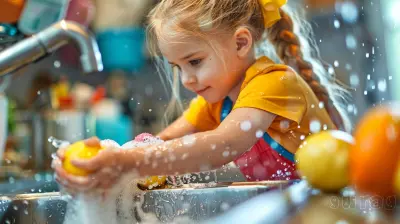
Give them opportunities to work as a team. Assign them tasks they can complete together—even if the end result is a little messy. Planting a garden, building a Lego city, or even cleaning up toys can be more fun (and less of a chore) when done together.
Celebrate Differences, Don’t Compare
This one’s a biggie.Every child is unique. One might be louder, more athletic, or more artsy than the other. And that’s perfect.
Avoid Favoritism (Even Subtle Ones)
Comparing your kids—even in joking—can leave deep scars. Instead of saying, “Why can’t you be more like your sister?” try, “I love how you both bring something special to our family.”Highlight Their Strengths
Let each child shine in their own way. If your son excels at drawing and your daughter is a math whiz, celebrate both without weighing one against the other. Siblings should grow up as allies, not rivals.Teach Conflict Resolution… Without Always Jumping In
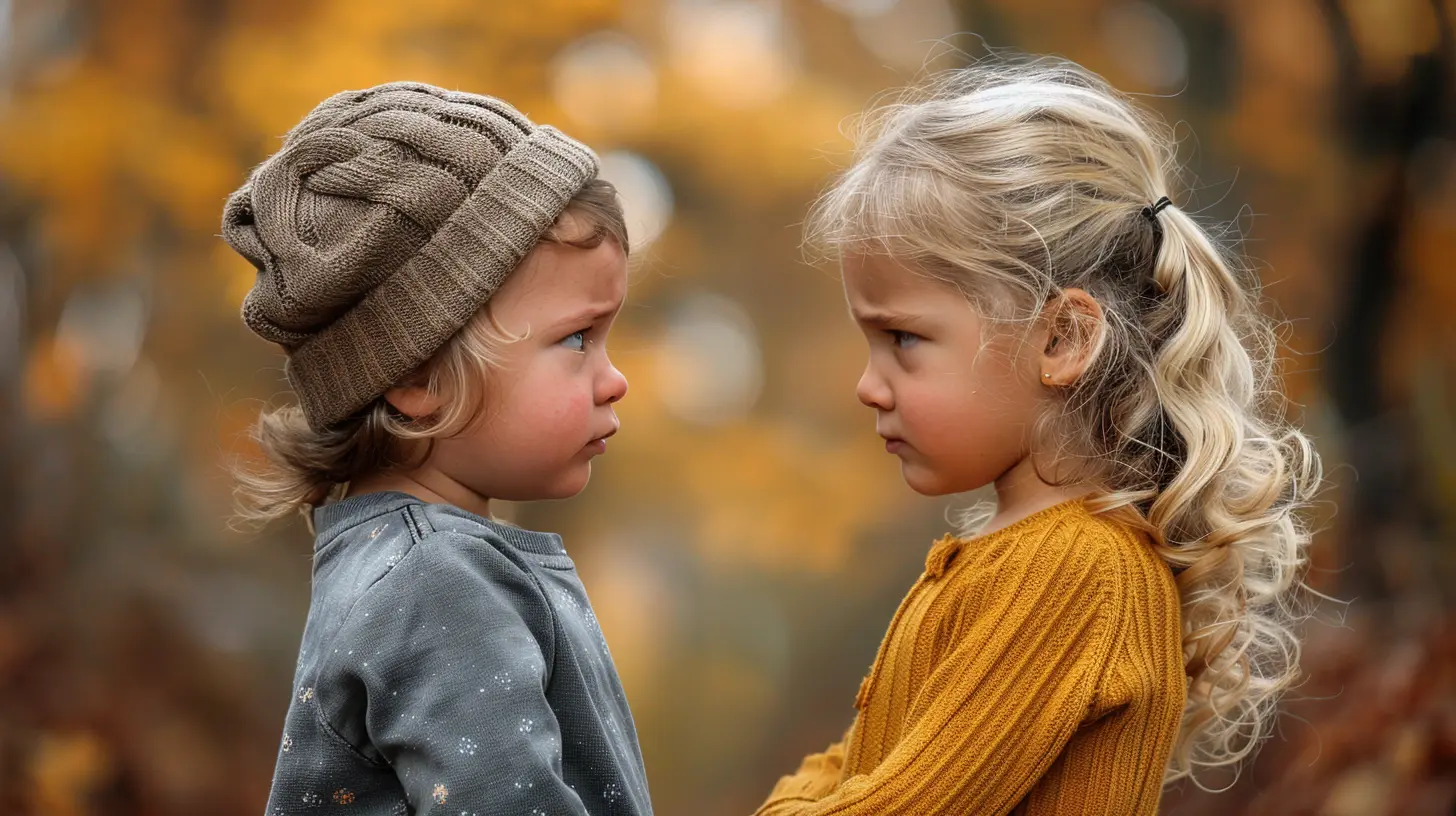
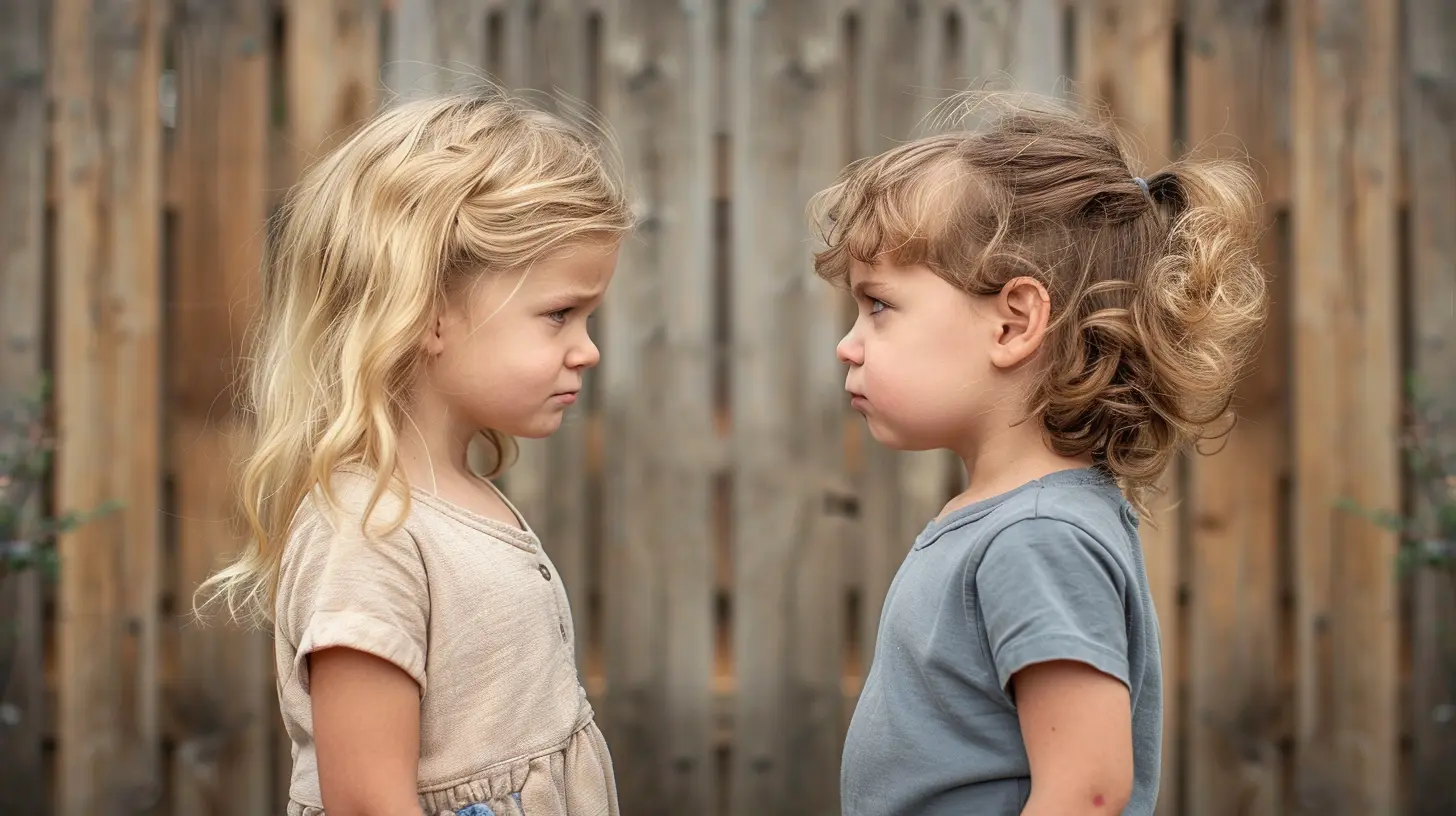
Yes, kids fight. It’s normal. But conflict doesn't have to be destructive—it can actually be a great tool for learning how to navigate relationships.Let Them Work It Out
As tempting as it is to jump in and mediate every disagreement, sometimes it’s better to let them try to resolve conflicts on their own—especially as they get older. Give them space while keeping an ear out for when adult help is needed.Equip Them with Tools
Teach your kids phrases like “I feel upset when…” or “Can we take turns?” These little language tricks are powerful. They help your kids express emotions without yelling or hitting.Be the Role Model
Let’s be real: kids are watching everything we do. If we yell when we’re angry or give the silent treatment when we’re upset, they’ll follow suit. Model the kind of conflict resolution you want to see.
Promote Empathy and Emotional Intelligence
Empathy is like the glue that holds relationships together. And it’s not something kids are born knowing—it’s taught, moment by moment.Encourage Perspective-Taking
When your child is upset because their sibling took their toy, help them name the feeling and then ask, “How do you think your brother felt?” This helps kids step outside their own experience and consider someone else’s feelings.Praise Acts of Kindness
Caught one sibling comforting the other after a fall? Praise it like it’s a standing ovation-worthy moment. “That was so kind of you to help your sister when she was crying!” Praise reinforces the behavior you want to see more often.Build Strong Individual Relationships with Each Child
Here’s a plot twist: one of the best ways to help your kids get along with each other is by strengthening your relationship with each child individually.One-on-One Time is Gold
When kids feel connected to you, they’re less likely to act out or compete for your attention. Spend regular one-on-one time with each child—even ten minutes of focused time can do wonders.Validate Their Feelings
If one child feels like “the middle kid” who always gets overlooked, hear them out. Validating their feelings doesn’t mean you’re siding with them—it just shows you understand.
Reinforce Positive Moments
It’s so easy to focus on the fights and the messes. But what if we flipped the script?Catch Them Getting Along
When you see your kids cooperating, laughing together, or helping one another, call it out. “Wow! You two make a great team. High five!” These moments are like deposits in their sibling relationship bank account.Make a Big Deal Out of Team Wins
Did they clean the playroom together? Build the biggest blanket fort known to mankind? Acknowledge it. Celebrate it. Let them own those wins together.Create Opportunities for Bonding Outside the Home
Sometimes a change of scenery helps siblings see each other in a new light.Take Sibling-Only Outings
Every now and then, take your kids on a sibling-only mini adventure. Maybe it’s a trip to the ice cream shop or a nature walk. Without the distractions of friends or screens, they get a chance to focus on each other (and make memories while they’re at it!).Enroll Them in Activities Together
If they’re in similar age ranges or share a hobby, consider enrolling them in a joint activity—like dance, karate, or a coding class. Working toward a common goal builds teamwork and closeness.
Be Patient: Relationships Take Time
Here’s the truth: no matter how many strategies you use, your kids are still going to have their moments—tears, fights, slammed doors, all of it. It’s part of the deal.But with consistent effort, guidance, and love, those mini explosions will become fewer and farther between. And what’ll take their place? Shared jokes, late-night talks, inside jokes, and a bond strong enough to weather anything.
The Long Game: What You’re Really Building
Think about this for a second: You’re not just raising kids. You’re raising future adults who will (hopefully) have each other's backs for life. You’re planting the seeds for a Friday night group text chat, a shoulder to cry on during hard times, and someone to laugh with over Thanksgiving dinner.So while it may seem like you’re just breaking up another argument over who gets the last cookie, you’re actually helping shape something profound—a lifelong friendship that can be one of the most beautiful parts of your children’s lives.
Final Thoughts
Building a strong sibling bond isn’t about being a perfect parent or raising perfect kids. It’s about showing up, modeling kindness, and creating a family culture where love—and a little bit of laughter—always wins.When you nurture a loving connection between siblings, you give your kids something deeply valuable: a lifelong buddy, a built-in support system, and a connection that can withstand the test of time.
So hang in there, keep showing up, and keep smiling—even as you referee the Great Toy Truck Debate of 2024. Because all those little moments? They’re building something big.
all images in this post were generated using AI tools
Category:
Sibling JealousyAuthor:

Austin Wilcox
Discussion
rate this article
2 comments
Isaac Holland
Great tips for nurturing sibling bonds... every moment counts!
July 31, 2026 at 2:38 PM
Austin Wilcox
Thanks for your feedback! I'm glad you found the tips helpful. Every moment truly does matter in building those strong sibling connections.
Starla Larsen
Encourage communication early to foster strong sibling bonds.
May 27, 2026 at 3:16 AM
Austin Wilcox
Absolutely! Early communication lays the foundation for understanding and connection that can last a lifetime.