How to Use Chores to Teach Financial Responsibility
14 July 2026
Hey there, super-parent! ?
Ever wonder if those endless tantrums over cleaning their room or taking out the trash could actually turn into golden opportunities? Well, they can—and I’m not talking about gold stars on a chore chart! I’m talking about using everyday chores to teach your kids something far more valuable than spotless floors: financial responsibility.
Yep, you’re already doing half the work by assigning chores. Now let’s sprinkle in some money wisdom, and boom—you’ve got yourself a life lesson wrapped in a sponge and bucket. Let's dive into how to use chores to teach financial responsibility (without making it feel like a boring economics class!).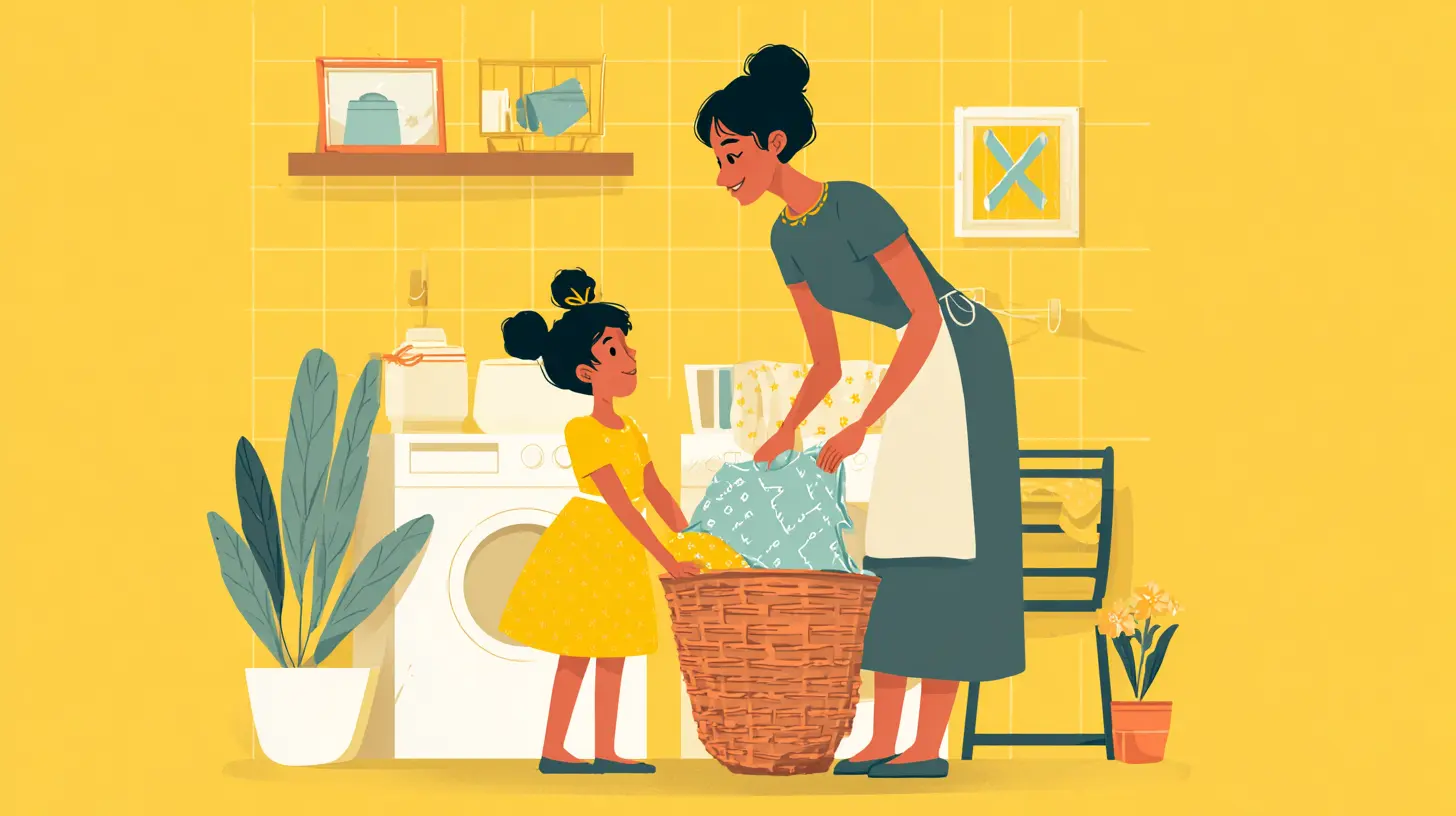
Why Link Chores and Financial Lessons?
First things first—why even bother tying money to chores?Well, think about it. In the real grown-up world, we work, and we get paid. Simple, right? So, why not mimic that for our kids, but on a smaller, safer, more age-appropriate scale? Giving kids the chance to earn money through chores helps them:
- Understand the value of money ?
- Learn budgeting and saving habits ?
- Develop a strong work ethic ?
- Make smart spending choices ?️
Best of all? It sets the stage for a financially savvy adult who (fingers crossed ?) won’t blow their entire paycheck on pizza and impulse buys.
When Should You Start Teaching This?
The short answer? Sooner than you think!Even kids as young as 4 or 5 can grasp basic concepts like earning and saving. No, they won’t be doing your taxes next year, but they can understand that effort leads to reward.
So if your little one can put their toys away or help feed the dog, guess what? That’s a teachable moment in disguise.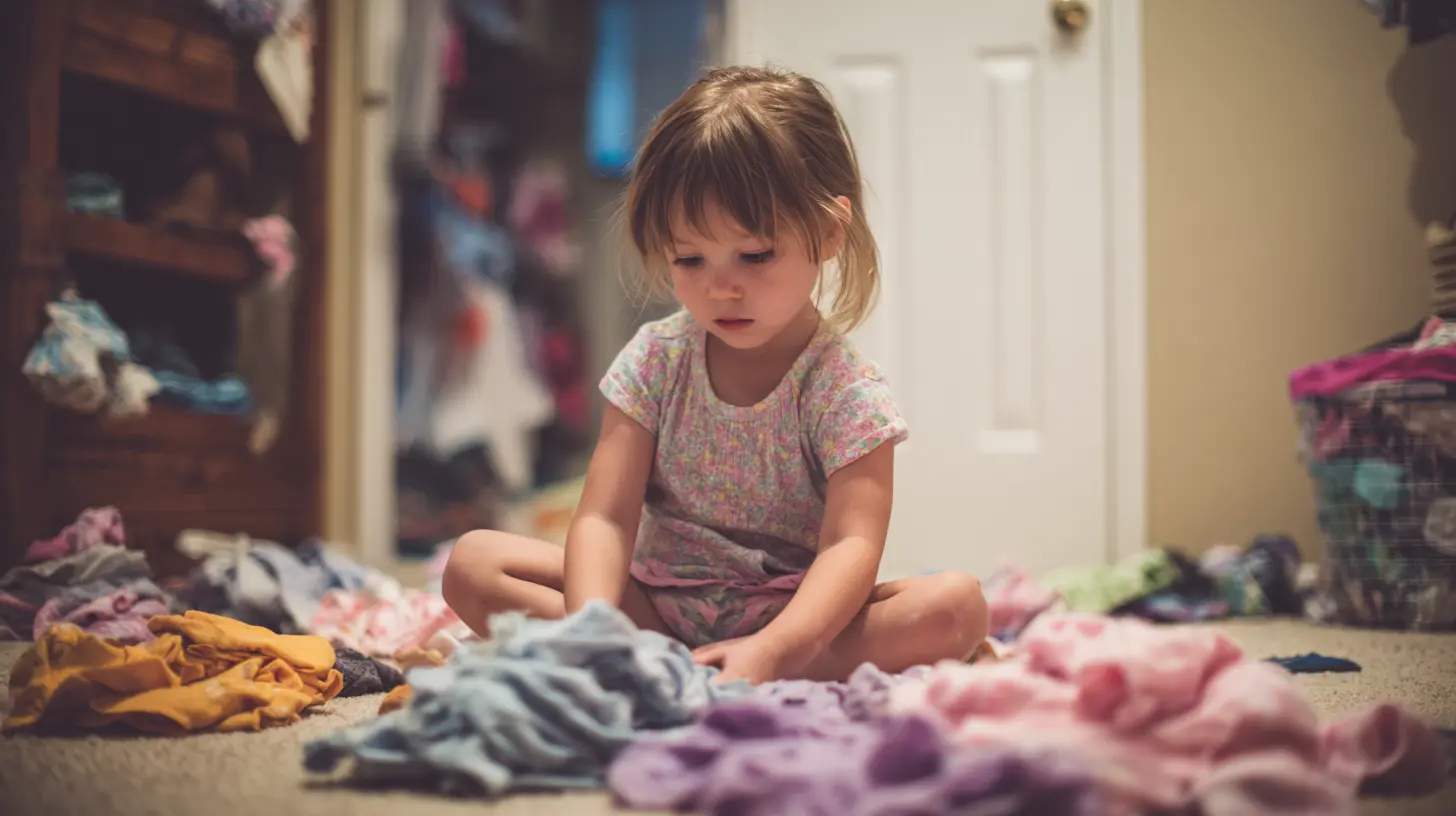
Setting the Stage: Age-Appropriate Chores
Alright, before you hand over a mop to your toddler, let’s talk realism. Chores—and the financial lessons tied to them—should match your child’s age and abilities.Ages 4-6:
- Put toys away- Feed the pet
- Water plants
- Help set the table
? Financial Lesson: Introduce the idea of earning a small amount (like a coin or sticker) for each completed task. This helps them physically see their "earnings."
Ages 7-10:
- Sweep the floor- Fold laundry
- Help with grocery unpacking
- Tidy their rooms
? Financial Lesson: Here, you can start offering small allowances for completed chore lists. Introduce spending vs. saving. Maybe even a piggy bank with labeled compartments!
Ages 11-13:
- Wash dishes- Mow the lawn
- Walk the dog
- Cook basic meals
? Financial Lesson: Offer a "salary" for weekly chore completion. Introduce budgeting! Let them manage simple spending decisions (e.g., saving for a game or a new phone case).
Ages 14+:
- Babysit younger siblings- Manage yard work
- Cook full meals
- Run errands
? Financial Lesson: This is where you can go deep: introduce banking apps for kids or prepaid debit cards. Talk about taxes (yes, even if it’s just conceptually), long-term saving, and giving.
The Great Allowance Debate
Now, I know what you're thinking:> "Should I pay my kid for every single chore?"
Great question. There's honestly no one-size-fits-all answer here, but here's a simple way to find balance:
Split Chores into Two Categories:
1. Expected Chores (Unpaid):These are the "just because you're part of the family" tasks. Think: making their bed, brushing their teeth, helping with dinner cleanup.
2. Paid Chores (Optional/Earned):
These go beyond the basics—mowing a neighbor’s lawn, washing the car, deep-cleaning the garage. Think of them as bonus-level tasks with cash prizes.
This setup keeps the expectation that family contributions aren’t always tied to money—some things you just do because you're part of the team. But it also teaches that extra work can lead to extra rewards—hello, capitalism in action!
Creating a Chore-Reward System That Sticks
Let’s be real—kids forget, get bored, and hey, sometimes they’re just not feeling it. So how do you make your chore-finance system actually stick (and not become another thing to nag about)?1. Make a Chore Chart That Pops
Not some blah-blah spreadsheet stuck on the fridge. We’re talking colorful, clickable (if digital), fun-to-check-off kinds of charts.Use stickers, apps (like FamZoo or RoosterMoney), or even just a whiteboard with magnetic stars. The more interactive, the better!
2. Set Clear Expectations
Explain what needs to be done, when, and how. “Clean your room” might mean something very different to a 9-year-old than it does to you. Be specific!3. Track Earnings Visibly
Show their earnings grow over time. Use jars, piggy banks, or an actual savings account if they’re old enough. Watching their money stack up is super motivating.4. Offer Responsibility, Not Just Money
As they mature, give them a monthly budget for certain things—snacks, clothes, school supplies—and let them manage it. When they overspend and can’t get that extra pack of gum? That’s a real lesson in limits.Budgeting 101 for Kids
Once your kid starts earning, boom—you’ve got a wild opportunity to teach them how to manage that money. Because earning is great, but using it wisely? That’s the golden ticket.Here’s a simple budgeting system you can start with:
The "Three Jars" Method:
1. Spend Jar – For lollipops, toys, bubblegum—instant gratification!2. Save Jar – For bigger goals like a bike, new video game, or a trip to the amusement park.
3. Give Jar – To donate to causes or help others. Builds compassion and gratitude.
Each time your child gets paid, help them split their earnings between the jars. Make it visual and fun. Maybe even decorate the jars together! ?
Allowance: Salary or Commission?
There are two popular approaches when it comes to linking chores and payments:1. Salary System:
A fixed weekly amount given as long as basic responsibilities are met. It’s like a regular paycheck! This teaches consistency.2. Commission System:
Payment is based on the number and difficulty of chores completed. This system aligns more closely with effort and performance. Want more cash? Do more chores. Simple!Which one is better? Honestly, a combo works well for most families. Give a base allowance (just so they learn to budget consistently), then offer bonus amounts for extra tasks.
Avoid These Common Mistakes
Hey, no one's perfect! But to truly make the most of chores + money, watch out for these common slip-ups:- Paying for everything: Don’t turn every minor chore into a money-earning opportunity. Kids should still help out because it’s the right thing to do.
- Inconsistency: Skipping payments or forgetting chores kills the momentum. Stay consistent!
- Micromanaging: Let them make financial mistakes (within reason). Buying a cheap toy that breaks after a day? Priceless lesson right there.
- Forgetting to talk about money: Conversations are key. Ask what they’re saving for. Celebrate their smart choices. Let them in on your budgeting plans. Be a money role model!
Turn Mistakes Into Teachable Moments
Your child is going to mess up. They'll blow their allowance on candy or forget to do chores and miss out on earnings. That’s okay. Don’t rescue them every time. Let the natural consequence happen and talk about it afterward.Use phrases like:
- “What would you do differently next week?”
- “How did it feel to run out of money so quickly?”
- “What can you save for next time?”
It all builds awareness and future decision-making skills.
Wrapping It Up: You’re Building Real-Life Skills Here ?
At the end of the day, using chores to teach financial responsibility isn’t just about sparing your wallet from the next impulse buy your kid begs for. It’s about raising a thoughtful, financially literate human who knows that effort brings rewards, money has limits, and smart choices lead to freedom and confidence.So go ahead—hand them that broom, grab those quarters, and turn your living room into a life lesson factory. Who knew financial literacy could be hiding in the laundry basket?
all images in this post were generated using AI tools
Category:
Chores For KidsAuthor:

Austin Wilcox
Discussion
rate this article
1 comments
Aurelia McCartney
This article offers practical strategies for parents to connect chores with financial lessons. By assigning age-appropriate tasks and linking completion to rewards, children learn the value of work and money management, setting a solid foundation for their future financial habits.
July 16, 2026 at 4:03 PM
Austin Wilcox
Thanks for your thoughtful comment! I'm glad you found the strategies useful. Helping kids connect chores to financial lessons is such an important step in building their future skills.