How to Use Storytelling to Teach Empathy
29 November 2026
Empathy is one of those words that gets thrown around a lot in parenting circles, often without much precision. We say we want empathetic kids, but what we usually mean is that we want kids who notice when someone is hurting, who care about that person's experience, and who have some idea of what to do next. That is a tall order for a developing brain, and it does not happen through lectures. It happens through practice, and stories are one of the most effective practice grounds we have.
I have spent years working with parents and watching how children respond to different approaches, and the pattern is consistent. Kids who are told "be kind" learn to recite a rule. Kids who are walked through a story learn to feel their way into another person's shoes. The difference matters, and it shows up in how they behave when nobody is watching.
This article is about how to use storytelling deliberately, not just as a bedtime ritual but as a tool for building the emotional machinery that empathy requires. We will cover why stories work, how to choose and shape them, what to avoid, and how to handle the tricky moments when empathy does not come naturally.
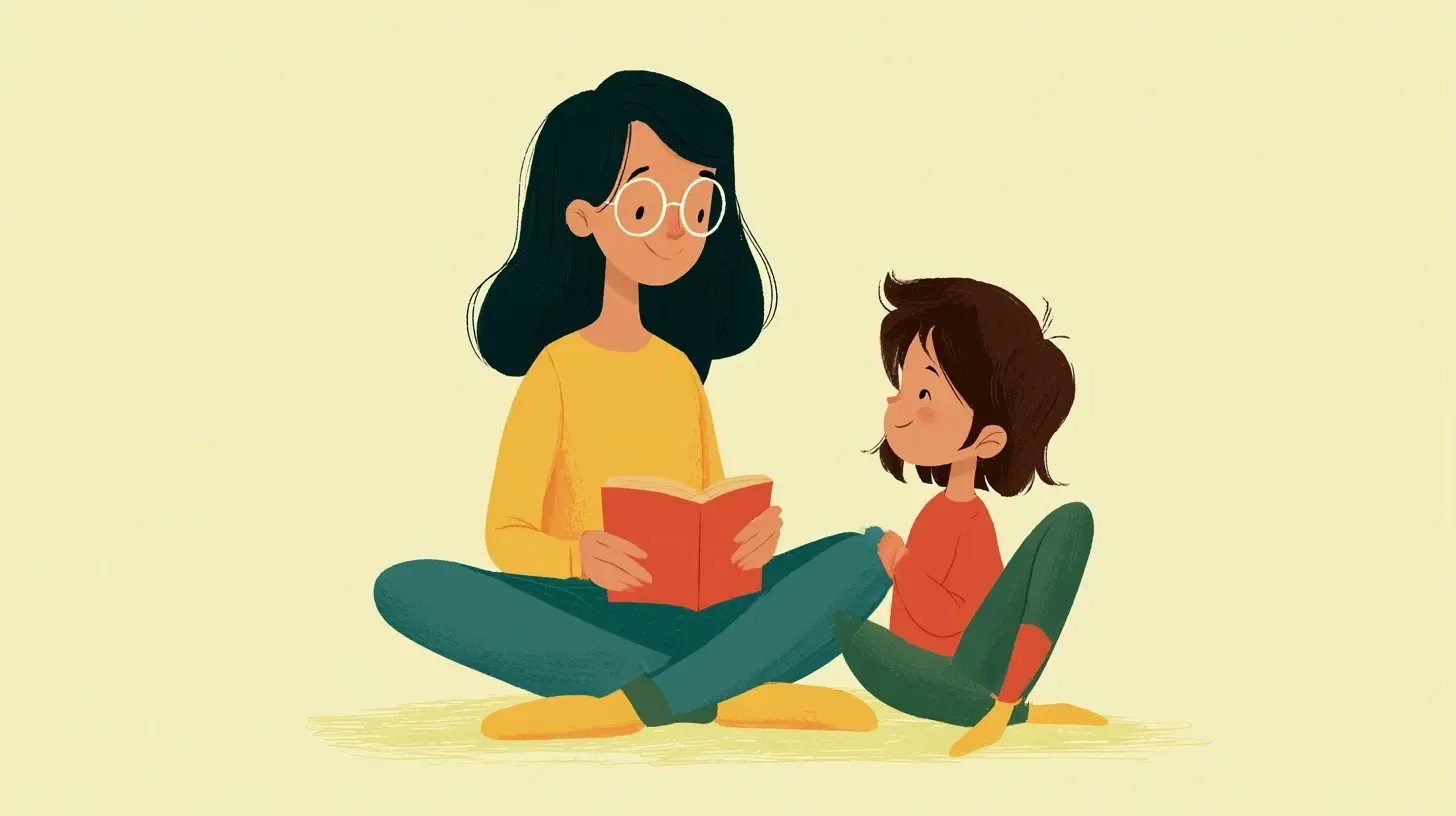
Why Stories Reach Children When Instructions Do Not
A direct instruction like "think about how she feels" asks a child to do something abstract. It requires them to pause their own experience, imagine a different perspective, and hold both in mind at once. That is a complex cognitive task, and for young children it is often beyond their reach in the moment.A story does something different. It gives the child a character to inhabit. The child is not being asked to imagine a perspective from scratch; the perspective is provided, with details, context, and emotional texture. The child's job is simply to follow along, and following along is something humans are wired to do. When we hear a story, we simulate the experience being described. This is not a metaphor. When you read about someone running, your motor cortex shows activity. When you read about someone in distress, your own emotional systems respond.
This is why stories can sneak past the defenses that direct instruction triggers. A child who would resist a lecture about sharing will listen to a story about a character who faces the same dilemma, because the story is not telling them what to do. It is showing them a situation and letting them feel their way through it.
There is also the matter of memory. Facts and instructions fade quickly. Stories stick. A child might forget that you told them to consider other people's feelings, but they will remember the story about the girl who could not find anyone to play with at recess. That memory becomes a reference point they can draw on later.

The Difference Between Sympathy and Empathy, and Why It Matters for Storytelling
Parents often use these words interchangeably, but the distinction matters for how you tell stories.Sympathy is feeling for someone. It is a response to their situation, often from a position of distance. Empathy is feeling with someone. It is an attempt to understand their experience from the inside, without losing yourself in it.
Many well-intentioned stories teach sympathy rather than empathy. They present a character in a difficult situation, invite the child to feel sorry for them, and then resolve the situation through an act of kindness from someone else. The child learns to recognize suffering, which is valuable, but they do not learn to understand it.
Stories that build empathy do something more demanding. They give the character interiority. They show the character's reasons, fears, and hopes. They let the child see that the character's behavior makes sense from the inside, even when it looks confusing or frustrating from the outside. This is the core skill of empathy: understanding that other people's actions are driven by their own internal logic, not by malice or randomness.
Consider a story about a boy who knocks over another child's block tower. A sympathy-focused story might show the second child crying and the first child apologizing. An empathy-focused story would show the first child's frustration, maybe his own tower had just fallen, maybe he was trying to get to a toy and did not see the blocks, maybe he is hungry and tired. The child listening learns that the boy who knocked over the tower is a person with a story of his own.
This distinction should shape how you choose and tell stories. Look for stories that let you get inside more than one character's head. When you find them, slow down and make that interiority visible.

Choosing Stories That Actually Build Empathy
Not all stories are created equal for this purpose. Some are excellent. Some are neutral. Some actively undermine the lesson by simplifying people into heroes and villains.Look for Emotional Complexity
The best empathy-building stories do not have a clear villain. They have characters with competing needs and understandable motivations. A story where one character is simply mean and another is simply good teaches children to sort people into categories. A story where both characters have legitimate feelings, even if their behavior is imperfect, teaches children to hold complexity.This does not mean you should avoid stories with clear wrongs. It means you should look for stories that explain the wrong. A character who lashes out because they are scared is more instructive than a character who lashes out because they are bad.
Prioritize Interiority Over Action
Stories that spend time on what characters are thinking and feeling are more useful than stories that focus on what they do. Action-driven stories can be exciting, but they often race past the emotional content. When you are reading together, pay attention to whether the story gives you moments to pause and ask "what do you think she is feeling right now?"Consider the Child's Developmental Stage
A three-year-old and a nine-year-old need different things from stories. Younger children respond to concrete, simple emotions and clear cause-and-effect. "He is sad because his balloon popped" is within reach. "He is sad because he feels left out and does not know how to ask to join" requires more cognitive maturity.For younger children, focus on naming emotions and connecting them to events. For older children, you can introduce mixed feelings, conflicting loyalties, and situations where there is no easy right answer. These are the situations where empathy gets tested in real life.
Do Not Underestimate Wordless Books and Visual Stories
Some of the most powerful empathy-building stories have few or no words. Picture books that rely on facial expressions and body language require the child to do the interpretive work themselves. This is excellent practice. When there are no words to explain what a character feels, the child has to read the cues, which is exactly what empathy requires in real life.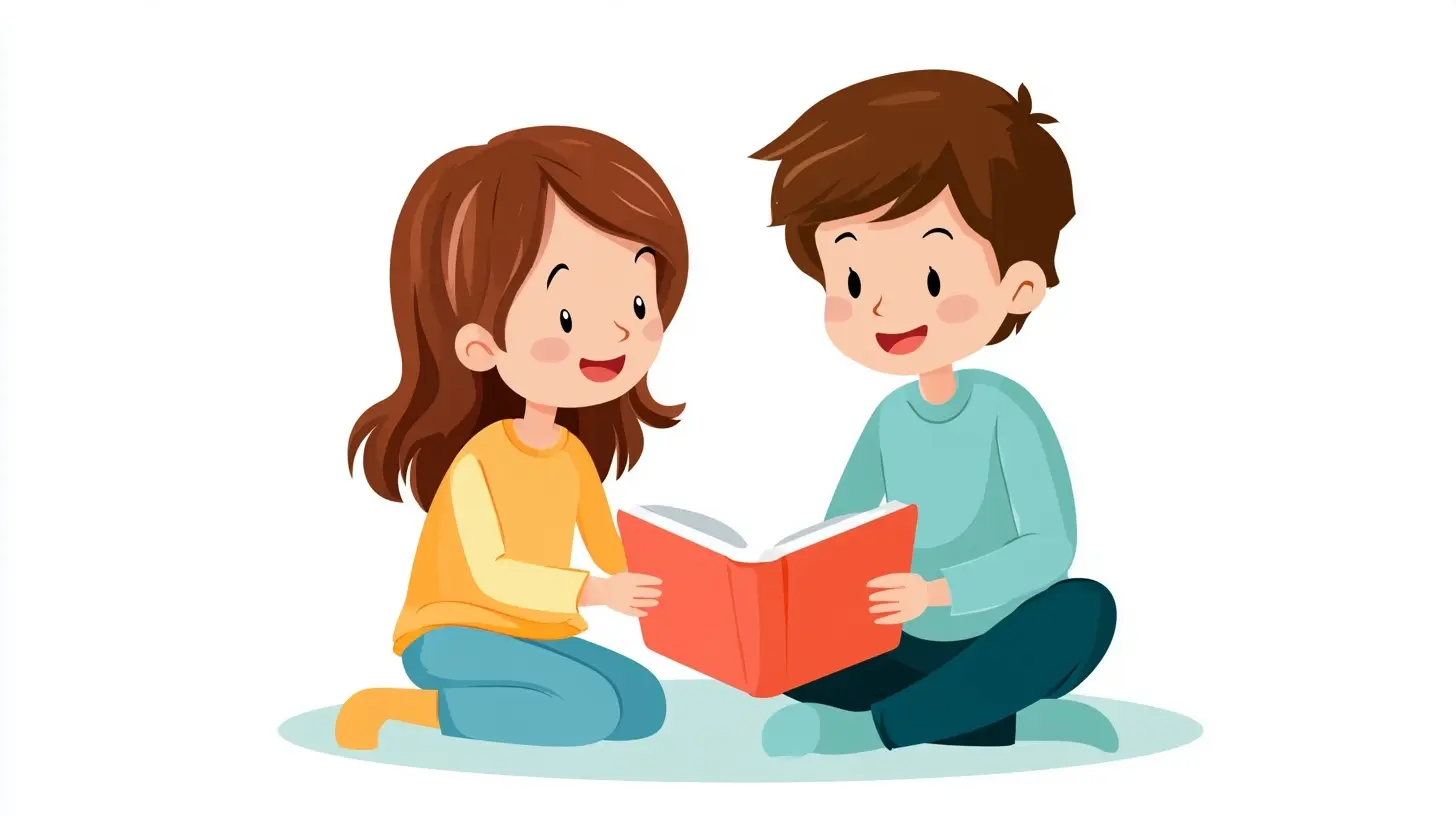
How to Tell Stories in Ways That Build Empathy
The story itself is only part of the equation. How you tell it matters just as much. A flat reading of a great story does less than an engaged telling of a decent one.Pause and Invite Perspective-Taking
The single most effective technique is the strategic pause. When a character faces a decision or a strong emotion, stop. Ask the child what they think the character is feeling, or what they would do in that situation. This is not a quiz; there is no wrong answer. The goal is to get the child to practice the cognitive move of stepping into another perspective.Be careful not to turn this into an interrogation. One or two questions per story is plenty. If the child seems annoyed or disengaged, let it go and just tell the story. The modeling still works even without the questions.
Use Voice and Pace to Convey Emotional Texture
When you slow down and soften your voice during a sad moment, you are signaling that this part matters. When you speed up during a tense moment, you are pulling the child into the character's experience. These are not tricks; they are the natural tools of storytelling, and they help the child feel the story rather than just hear it.Connect the Story to the Child's Life Without Forcing It
After a story, you might say something like "that reminds me of when you felt left out at the park." This kind of connection helps the child link the story's emotional content to their own experience, which deepens the learning. But do not force it. If the child does not pick up the thread, let it drop. The goal is not to extract a lesson; it is to build a habit of reflection.Let the Child Retell the Story
Asking a child to retell a story, or to tell it from another character's point of view, is a powerful exercise. When a child tells the story from the perspective of the character who was left out, they have to imagine that character's inner world. This is empathy practice in its purest form.You can make this playful. "Can you tell me the story of the three little pigs, but from the wolf's side?" The child will likely come up with something creative, and in doing so, they will practice the skill of seeing a situation from more than one angle.
Common Mistakes and Misconceptions
Even parents who understand the value of storytelling often make mistakes that undermine the goal. Here are the most common ones.The Moral-of-the-Story Trap
Many parents end a story with a summary lesson: "So you see, sharing is important." This feels helpful, but it often backfires. It turns the story into a vehicle for a lecture, and children are remarkably good at detecting lectures. The story's emotional impact gets overwritten by the didactic message.Trust the story to do its work. If you want to reinforce the lesson, do it later, in a different context, or let the child bring it up themselves.
Choosing Stories That Are Too On-the-Nose
A story about a child who is exactly like your child, in exactly the situation your child is struggling with, can feel like a setup. Children are sensitive to being managed. If every story is a thinly veiled lesson about whatever behavior you are trying to correct, they will tune out.Mix it up. Tell stories about animals, about characters in faraway places, about silly situations. The empathy lessons are often more powerful when they are not obviously targeted.
Assuming Understanding Without Checking
It is easy to assume that because a child listened to a story, they understood it. But children often miss emotional nuance, especially if it is implied rather than stated. A quick check-in, like "what do you think was going on for that character?" can reveal gaps you did not know were there.Forgetting That Empathy Is Not Always the Goal
There are moments when a child needs to prioritize their own safety or boundaries over understanding someone else's perspective. Empathy is a skill, not a mandate. A child who is being bullied does not need to understand why the bully is acting out; they need to know how to get help. Be thoughtful about when you invoke empathy and when you prioritize other values.
Storytelling Beyond Books: Everyday Narratives
Books are wonderful, but they are not the only source of stories. Some of the most effective empathy-building happens through the stories you tell about your own life and the stories you create together.Tell Stories About Your Own Mistakes
When you tell your child about a time you misread a situation or hurt someone's feelings, you model humility and reflection. You also show them that empathy is not about being perfect; it is about being willing to reconsider. A story like "when I was your age, I laughed at a joke that hurt someone's feelings, and I did not realize until later" is more instructive than any lecture on kindness.Make Up Stories Together
Collaborative storytelling is a fantastic tool. Start a story and let your child add to it. When they introduce a character, ask them what that character wants or fears. This builds the habit of considering interiority, and it is fun.Use Real-Life Events as Story Material
When something happens in your family or community, you can turn it into a story. "Remember when the neighbor's dog got lost? How do you think they felt?" This helps children see that the people around them have inner lives, which is the foundation of empathy.When Storytelling Does Not Work
Storytelling is powerful, but it is not a universal solution. There are situations where it is the wrong tool.If a child is in the middle of a meltdown, they are not in a state to process a story. Save it for later. If a child is dealing with a serious issue like bullying or trauma, stories can help, but they should be part of a broader approach that includes professional support. And if a child consistently resists stories or seems unaffected by them, do not force it. Some children respond more to play, art, or direct conversation.
It is also worth noting that empathy development is slow. You will not see results after one story or even ten. The goal is to build a habit over years, not to achieve a quick fix.
Building a Storytelling Routine
The most effective approach is consistency. A regular storytelling routine, whether at bedtime or another time of day, creates a predictable space for emotional exploration. Here are some practical suggestions for building one.Choose a consistent time. Bedtime works for many families, but any calm, focused moment will do.
Keep a stack of books that you return to. Children often want the same story repeatedly, and repetition is valuable. Each time, they notice something new.
Mix familiar stories with new ones. Familiarity provides comfort; novelty provides growth.
Do not stress about length. A five-minute story told with attention is better than a twenty-minute story told while distracted.
Include stories from your own life. These are often the most memorable and meaningful.
The Long Game
Teaching empathy through storytelling is not about producing a child who always says the right thing. It is about building a foundation that will serve them for decades. The child who learns to inhabit stories will grow into an adult who can imagine what it is like to be someone else, which is the basis for healthy relationships, effective collaboration, and genuine kindness.It is also worth remembering that you are modeling empathy in the process. When you take your child's reactions to a story seriously, when you listen to their interpretations without correcting them, when you show curiosity about what they think, you are demonstrating what empathy looks like in action. That might be the most powerful story of all.
all images in this post were generated using AI tools
Category:
Parenting And Social SkillsAuthor:

Austin Wilcox