Instilling a Sense of Pride in Accomplishing Household Tasks
9 July 2026
Keeping a home clean and organized is a team effort. But let's be honest—getting kids (and sometimes even adults) excited about household chores is no easy task. Instead of making chores feel like a dreaded obligation, what if we could instill a sense of pride in completing them?
When children (and even partners) take ownership of their responsibilities and feel a sense of accomplishment, suddenly, household tasks don’t seem so bad. In fact, they can be rewarding. Let’s dive into how we can turn mundane chores into confidence-boosting achievements.

Why Household Chores Matter
It’s easy to see chores as a necessary evil—something that just has to get done. But they play a much bigger role than just keeping a tidy home.- Life Skills: Kids learn valuable skills they’ll need as adults—laundry, cooking, organizing, etc.
- Responsibility: Completing tasks teaches accountability and dependability.
- Work Ethic: It sets a foundation for working hard and doing a job well.
- Sense of Belonging: Contributing to the household fosters a sense of teamwork.
- Confidence Booster: Finishing a task and seeing the results builds self-esteem.
So, how do we help kids (and let’s be real—sometimes reluctant partners, too) take pride in their household contributions?
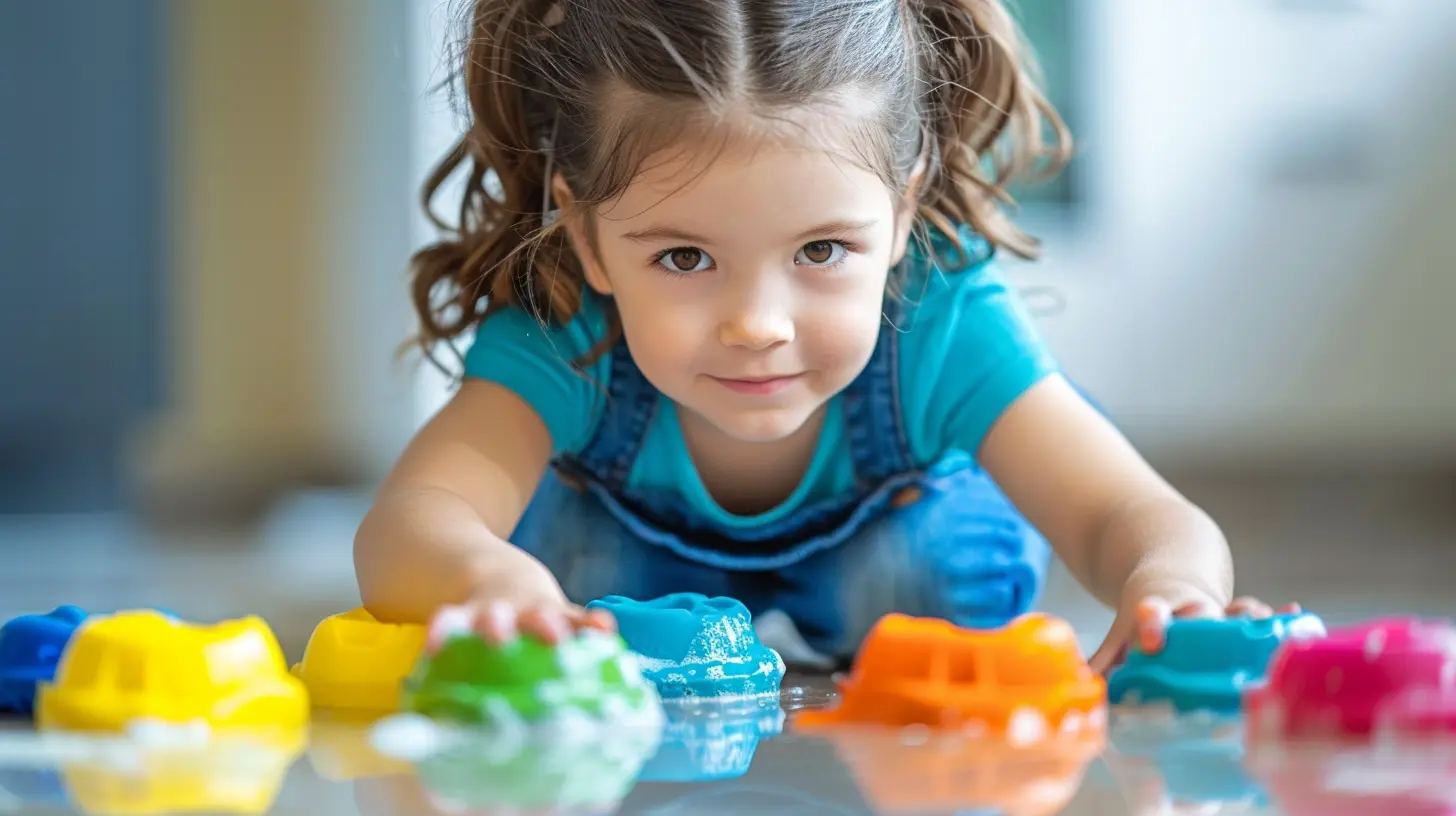
1. Change the Narrative Around Chores
If you often say, “Ugh, I have to do the laundry again,” don’t be surprised when your kids echo the same complaints. Your attitude sets the tone.Instead of treating chores like an unpleasant duty, frame them as an important part of keeping a happy home. Say things like:
- "I love how clean the kitchen looks after we all pitch in!"
- "It feels great to sleep in a bed with fresh sheets, doesn’t it?"
- "Look at how much better the living room looks after we picked up the toys. It makes the space so relaxing!"
When we highlight the positives, chores become less about “I have to” and more about “I get to”.
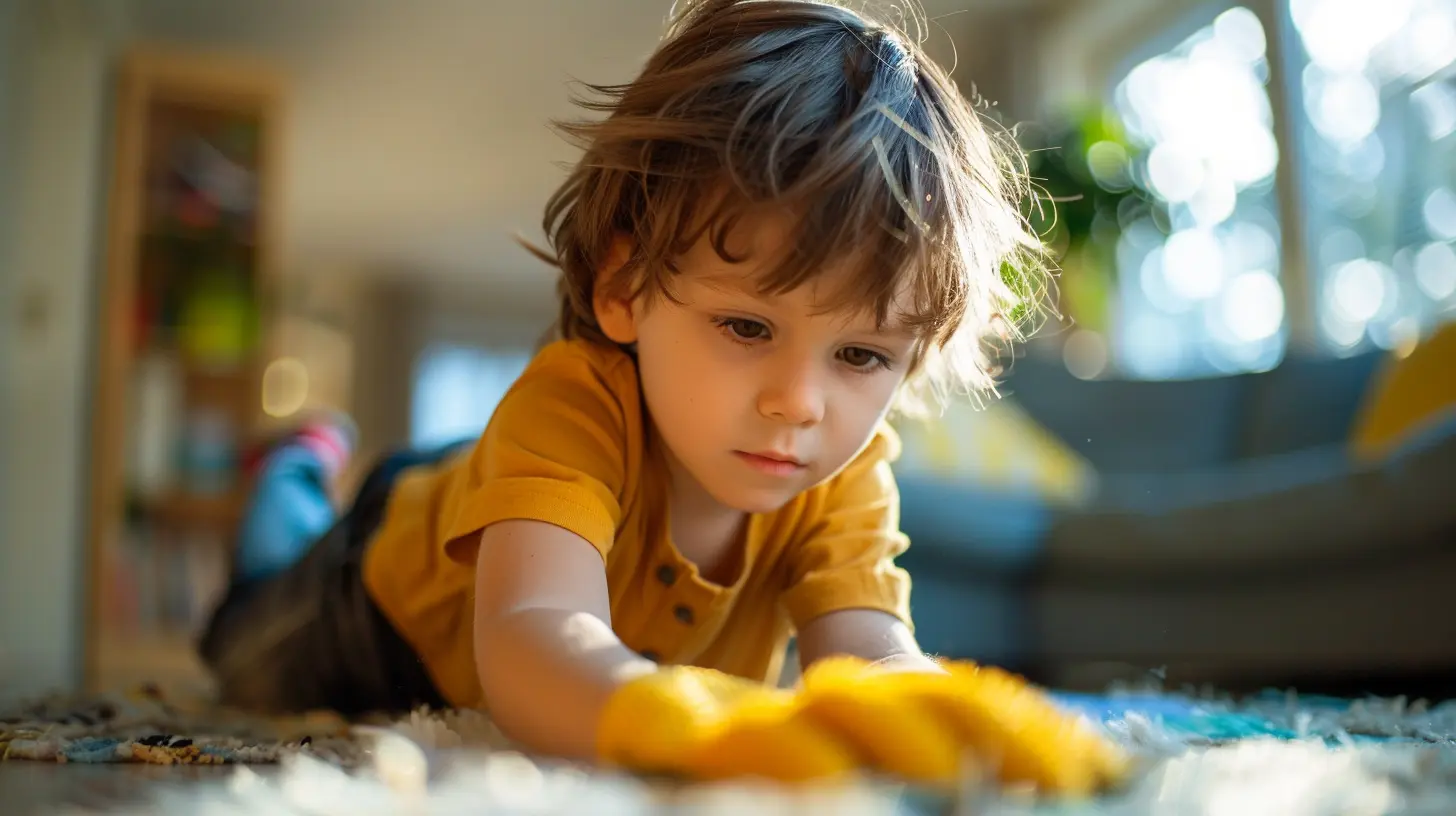
2. Give Kids Ownership Over Their Tasks
No one likes being micromanaged. If kids feel like they have no choice or control, they’ll resist. Instead, let them take ownership of their chores.- Offer choices. Instead of saying, "Go clean your room now," try, "Would you rather clean your room first or help set the table?"
- Let them problem-solve. Say, “What do you think is the fastest way to put away these toys?”
- Give them age-appropriate responsibilities. Toddlers can put dirty clothes in a hamper; older kids can vacuum, sweep, or do dishes.
When kids feel like they’re in charge of their own tasks, they’re more likely to take pride in doing them well.
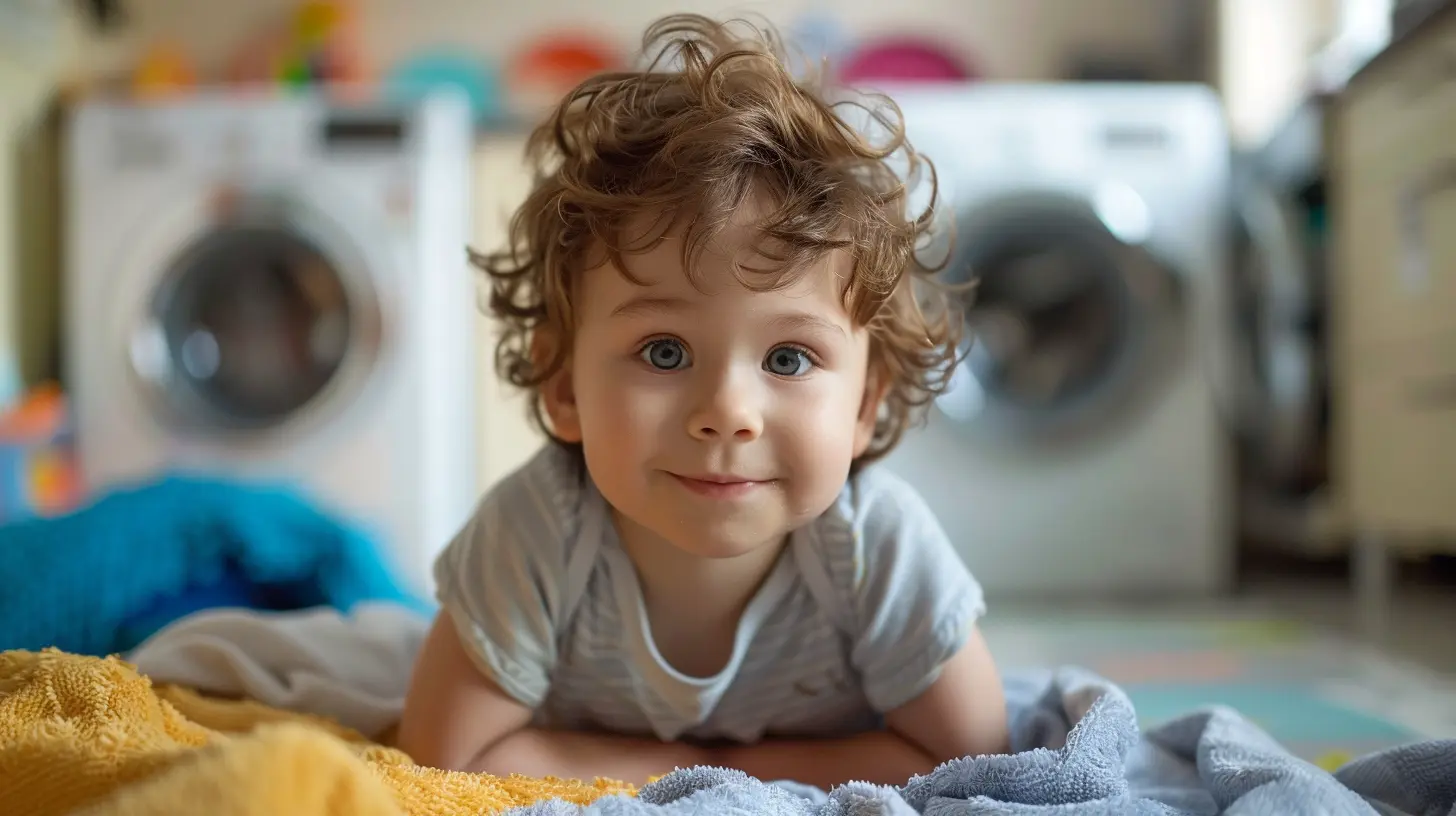
3. Acknowledge Their Efforts (Rather Than Just the Outcome)
Sometimes, a task isn’t done perfectly—and that’s okay. Instead of focusing on what they did "wrong," highlight what they did well.Instead of: "You missed a spot while dusting," try: "You worked really hard dusting today! The table looks great!"
Praising effort over results builds confidence and encourages them to keep improving.
4. Turn Chores Into a Game
Let’s face it—chores can be boring. But turning them into a game? That’s a game-changer.Some fun ideas:
- Beat the Clock: Set a timer and see if they can finish a task before it runs out.
- Chore Bingo: Create a bingo card with different tasks. Completing a row earns a small reward.
- Music Challenge: Play a fun playlist and see if they can clean up before the song ends.
Making chores fun can shift them from “ugh, do I have to?” to “let’s do this!”
5. Show the Impact of Their Work
Sometimes, kids don’t realize how much their efforts contribute to the household. Point it out!- “Wow! Because you helped organize the shoes, everyone can find theirs easily now.”
- “Since you helped load the dishwasher, we have clean plates for dinner!”
- “Great job sweeping! The floor feels so nice to walk on.”
Connecting their work to real results helps them see that what they do truly matters.
6. Create a Reward System (Without Bribing)
Rewards can be a great motivator, but they shouldn’t turn into bribes (“Do this, and I’ll give you candy”). Instead, create a system that recognizes consistency and effort.Some reward ideas:
- Stickers or Stars: A chart where they earn stickers for completed tasks.
- Privilege Points: Accumulate points for extra privileges, like choosing a family movie night pick.
- Experience-Based Rewards: After a big cleaning day, celebrate with a fun activity together—like baking cookies or a trip to the park.
The key is to make rewards about consistency, not just one-time tasks.
7. Lead by Example
Kids mimic what they see. If they see us avoiding chores, complaining about tasks, or rushing through them haphazardly, they’ll likely do the same.But if they see us taking pride in keeping a clean home, they’ll pick up on that energy. Say things like:
- “Wow, look how nice the house feels after cleaning! I love this fresh start.”
- “I’m proud of how well I folded this laundry—it looks neat and tidy.”
The more we model a positive attitude, the more it rubs off on them.
8. Encourage Teamwork
Chores don’t have to be solitary tasks. Doing them together can make them feel less like work and more like a bonding activity.Try:
- Cooking a meal as a family.
- Cleaning the living room together while chatting.
- Partnering up—one washes, the other dries.
When everyone works together, it fosters a sense of teamwork and shared accomplishment.
9. Establish Routine and Consistency
The more predictable chores are, the less they feel like a chore. Make them a natural part of the day rather than a last-minute demand.- Daily Habits: Tidying up before bed or setting the table for dinner.
- Weekly Routines: Laundry on Saturdays, vacuuming on Sundays.
When chores become second nature, they feel less like a burden and more like a normal part of life.
10. Celebrate Their Success
Finished cleaning the room? High five! Folded all the laundry? That deserves a victory dance!Celebrating their success—big or small—helps reinforce the pride in a job well done. Whether it’s a simple “Great job!” or taking a step back to admire their work together, acknowledging their efforts builds confidence and motivation.
Final Thoughts
Household tasks don’t have to be a battle. With the right mindset, a little creativity, and plenty of encouragement, they can become confidence-boosting achievements. When kids (and adults) feel proud of their contributions, they’re more likely to embrace responsibility—not just at home, but in all areas of life.So, let’s start looking at chores not as burdens—but as opportunities to grow, learn, and take pride in our work.
all images in this post were generated using AI tools
Category:
Chores For KidsAuthor:

Austin Wilcox
Discussion
rate this article
1 comments
Berenice Adams
Teaching children to take pride in their contributions fosters responsibility and self-worth. Small accomplishments can build a foundation for larger goals in life.
July 13, 2026 at 3:16 AM
Austin Wilcox
Absolutely, teaching children to value their efforts is key. It lays the groundwork for bigger achievements down the road.