Jealousy and the Only Child Turned Sibling
3 June 2026
Picture this: Your only child is lounging on the couch, the king or queen of the castle, basking in undivided parental attention. Life is good. Then suddenly... BAM! You bring home a squirmy, noisy, attention-hogging baby, and your little monarch is dethroned—without warning. Welcome to the wonderfully messy world of sibling jealousy.
In this post, we're diving nose-first into the emotional rollercoaster called "Jealousy and the Only Child Turned Sibling." We’ll laugh (a lot), maybe cry (hopefully just a little), but most importantly, we’ll get real about what's going on in that tiny, adorable head—and how to help your child transition from “only” to “older sibling” without plotting a baby coup.
What Happens When the Baby Isn’t the Baby Anymore?
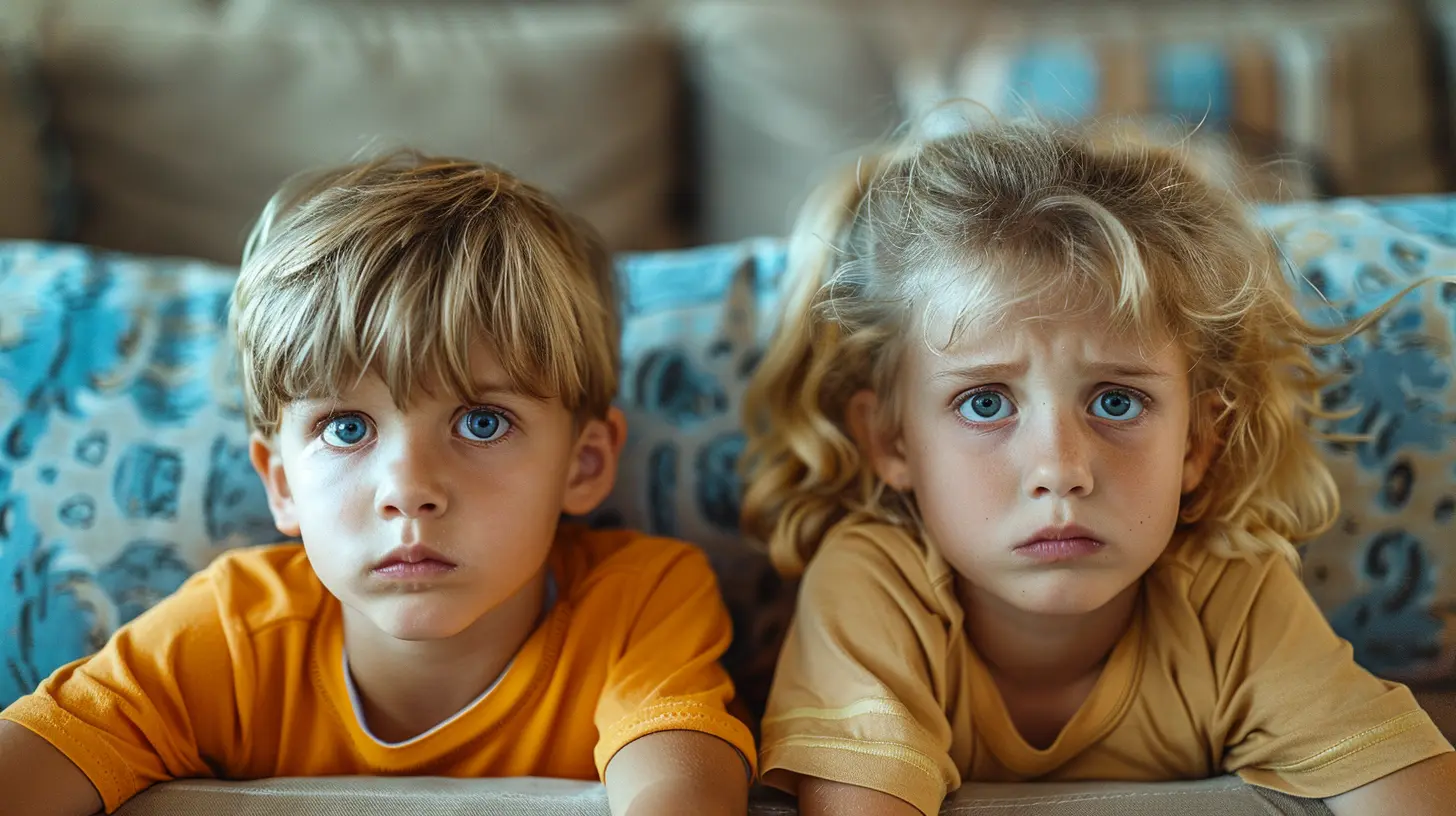
Let’s be honest here: an only child gets used to a few things—your full attention, a clean living room (ish), and not having to share their toys or your lap. They’re basically the VIP in a one-kid-only club. So when a new baby arrives, it’s like someone else shows up at their exclusive dinner party and takes the best seat.And let’s not sugarcoat things—jealousy is a very real, very normal emotion. Even adults get jealous when someone swoops in on their spotlight. (Think about how you feel when someone takes your usual booth at your favorite coffee shop. Outrageous, right?) Now imagine you’re four.
Why the Sudden Cold Shoulder from Your Once-Loving Child?
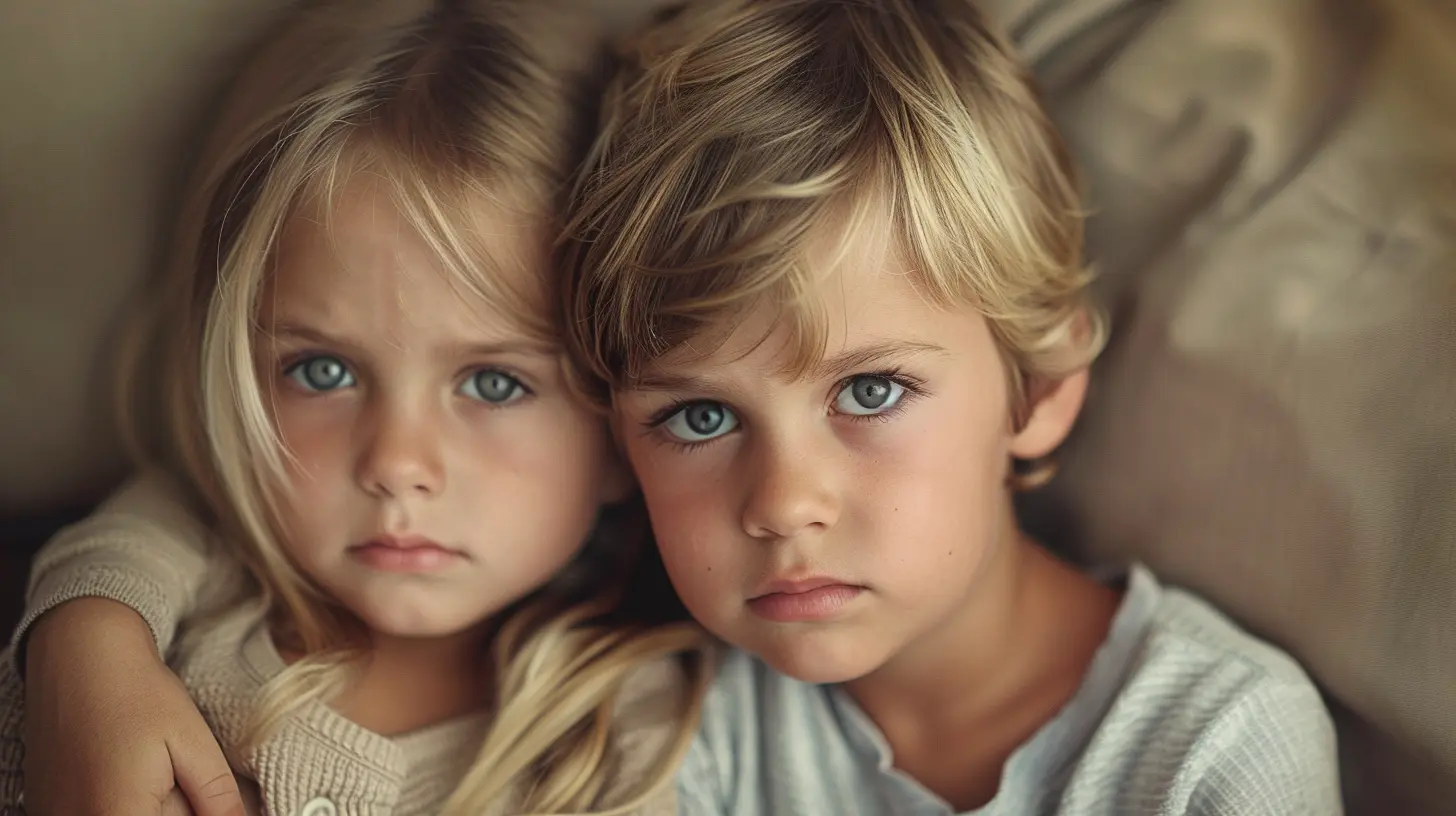
You might notice your formerly sweet, cuddly kiddo giving you the silent treatment, lashing out, or “accidentally” knocking over the diaper bag (again). That’s jealousy waving a big ol’ flag.Here’s What Might Be Going On Emotionally:
- Fear of being replaced: They think you love the baby more.- Loss of identity: They’re no longer “the baby.”
- Desire for attention: Even negative attention is still attention.
- Confusion: They don’t understand the baby’s needs—or your exhaustion.
It’s like an emotional smoothie, blended with every complicated feeling their little hearts can muster.
Common Signs of Sibling Jealousy
So, what does sibling jealousy actually look like? Is it dramatic Shakespeare-style monologues or sneakier little kid antics? Honestly, both.Red Flags to Look Out For:
- Regression (think thumb-sucking, bedwetting, or suddenly forgetting how to dress themselves)- Acting out (tantrums, defiance, throwing epic shade at the baby)
- Attention-seeking behavior (suddenly singing at full volume during naptime)
- Physical aggression (let’s hope it stops at poking)
- Over-the-top affection (yes, overly helpful can mean jealous too—hugs turn into headlocks real quick)
Important note: Not all jealousy looks like chaos. Some kids internalize it, becoming quiet or overly helpful. Keep your eyes peeled.
What NOT to Say When Your Child Shows Jealousy
Let’s get this out of the way—there are a few phrases that sound harmless but can really pour salt in the sibling rivalry wound.Avoid Sayings Like:
- “You’re a big kid now, act like it.” (Translation: No more feelings for you!)- “You love your baby brother/sister, don’t you?” (This sounds like an interrogation)
- “Be nice, the baby’s just a baby.” (Rubs it in, doesn't explain anything)
Instead, validate their emotions. "It’s really hard to share mommy and daddy, huh?" Boom. You just opened the door to empathy.
10 Real-Life, Sanity-Saving Ways to Help Your Only Child Adjust
Let’s be real: you can’t make jealousy vanish like a magician pulling a rabbit out of a hat. But you can make the transition a whole lot smoother with some mindful parenting jujitsu. Here’s how:1. Involve Them in Baby Prep
Let them pick out baby clothes, sort diapers, and even “help” paint the nursery (with a brush that mysteriously never touches the walls).2. Keep Their Routine (Mostly) Intact
Kids love structure like adults love coffee—mess with it too much, and drama follows. Try to keep bedtime, snack time, and story time sacred.3. Make 1:1 Time Non-Negotiable
Even 10 minutes a day of undivided attention can make your older child feel seen. Read their favorite book, build a LEGO tower, or just lay on the floor and let them boss you around.4. Praise the Effort, Not Just the Outcome
Instead of "You're such a good big brother!" try "You were so gentle when you gave the baby her pacifier!" Specific praise hits harder.5. Don't Make Everything "Because of the Baby"
Avoid the classic: “We can’t go to the park because of the baby.” Instead, reframe with: “Let’s go to the park after the baby’s nap, so we can have more fun!”6. Let Them Vent Without Fixing It
Sometimes “I hate the baby!” just means “I miss having you all to myself.” You're the safe space—let them feel what they feel.7. Tell Stories About When They Were the Baby
Kids eat this up. Show videos, flip through photo albums, and recreate little milestones. It reassures them they were cherished just like the new baby.8. Assign a “Special Job”
Whether it’s “Paci Patrol” or “Diaper Assistant,” giving your older child a role can boost confidence and make them feel important—not replaced.9. Watch Your Language (No, Not That Kind)
Instead of “the baby needs me” say “I’m with the baby right now, and then I’ll be with you.” Simple shift, big impact.10. Be Patient (Like, Really Patient)
This is a big shift for your little one. There’s no timer on emotional processing. Celebrate small wins and ride the ups and downs. You'll get there, promise.
The Power of Empathy (a.k.a. Channeling Your Inner Mr. Rogers)
Empathy isn’t just a buzzword—it’s the superglue in your parenting toolbox. When your child says, “I don’t like the baby,” don’t panic. Don’t guilt-trip. Just nod and say, “It’s okay to feel that way sometimes.”They’re not saying, “Ban this baby from the kingdom.” They’re saying, “Help me feel okay again.”
And here's a fun fact: research shows that kids who learn to talk about emotions (even the ugly ones) grow up to be better communicators. So let them rage, vent, and stomp around in their emotional rain boots.
When to Call in Reinforcements (a.k.a. Help!)
Most jealousy is a phase. A dramatic, loud, chaotic phase. But if your child shows ongoing aggression, withdrawal, or regresses in multiple areas for more than a few months, don’t hesitate to talk to a pediatrician or child therapist.No shame in the game. Sometimes, the best help starts with saying, “I might need help.”
Your Family Just Got Bigger, and So Did the Love
Adjusting to a new sibling isn’t a one-and-done event—it’s a journey. (Cue the slow-motion family montage with emotional background music.)There will be moments when your only child gives the baby a kiss and then immediately asks if you love them more. That’s okay. It’s not a step backward. It’s a step forward... with a little stumbling.
Your job isn’t to eliminate jealousy—it’s to teach your child how to handle big feelings with their whole heart. And honestly? That’s a lesson some adults still haven’t mastered.
But you’re doing great, even if your toddler just tried to “accidentally” toss the baby’s pacifier in the toilet.
Keep the humor, keep the heart, and above all—keep loving them both like crazy.
all images in this post were generated using AI tools
Category:
Sibling JealousyAuthor:

Austin Wilcox
Discussion
rate this article
2 comments
Maxine Hayes
This article offers valuable insights into the emotions that arise when an only child becomes a sibling. It highlights the importance of empathy and communication in navigating jealousy, helping parents support their children through this significant transition. Well done!
August 31, 2026 at 4:24 AM
Austin Wilcox
Thank you for your thoughtful feedback! I'm glad you found the insights helpful. Empathy and communication are key during such transitions.
Rivera McInerney
So, your only child suddenly gets a roommate? Get ready for a masterclass in jealousy, complete with dramatic performances and snack negotiations. Who knew sibling rivalry could start before the baby even arrives? Buckle up!
June 5, 2026 at 3:52 AM
Austin Wilcox
Absolutely! It's wild how an impending sibling can stir up such strong emotions. The journey is definitely going to be interesting.