Life Skills Your Child Learns by Helping Around the House
9 June 2026
Raising kids is no easy task, and sometimes, getting them to help around the house can feel like pulling teeth. But what if I told you that those small chores you assign them aren't just about keeping your home tidy? They’re actually helping your child develop critical life skills that will serve them for years to come!
Many parents hesitate to involve their kids in household tasks, thinking it’s easier (and faster) to just do it themselves. But by teaching your child to contribute to the household, you're giving them a head start in life. Let's dive into the essential life skills kids gain just by pitching in at home!
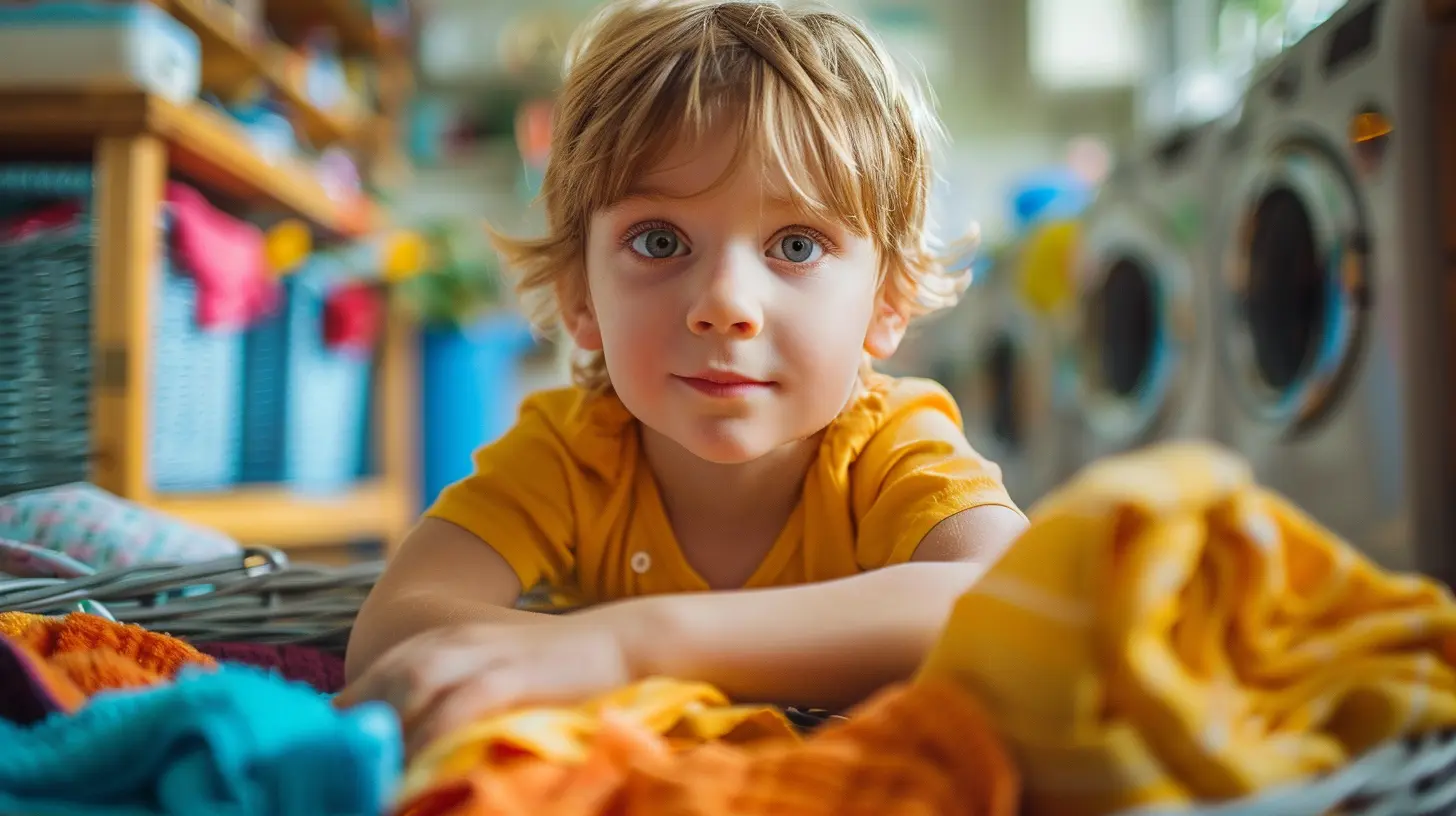
1. Responsibility: Owning Their Actions
Assigning kids chores teaches them a powerful lesson—responsibility. When they know they must complete a task like feeding the pets, making their bed, or setting the table, they understand they are accountable for getting it done.Responsibility builds character. It helps kids realize that their actions (or lack of them) have consequences. If they forget to water the plants, they’ll see them wilt. If they leave their toys scattered all over the house, they'll have to clean them up later. These small realizations prepare them for bigger responsibilities as they grow.
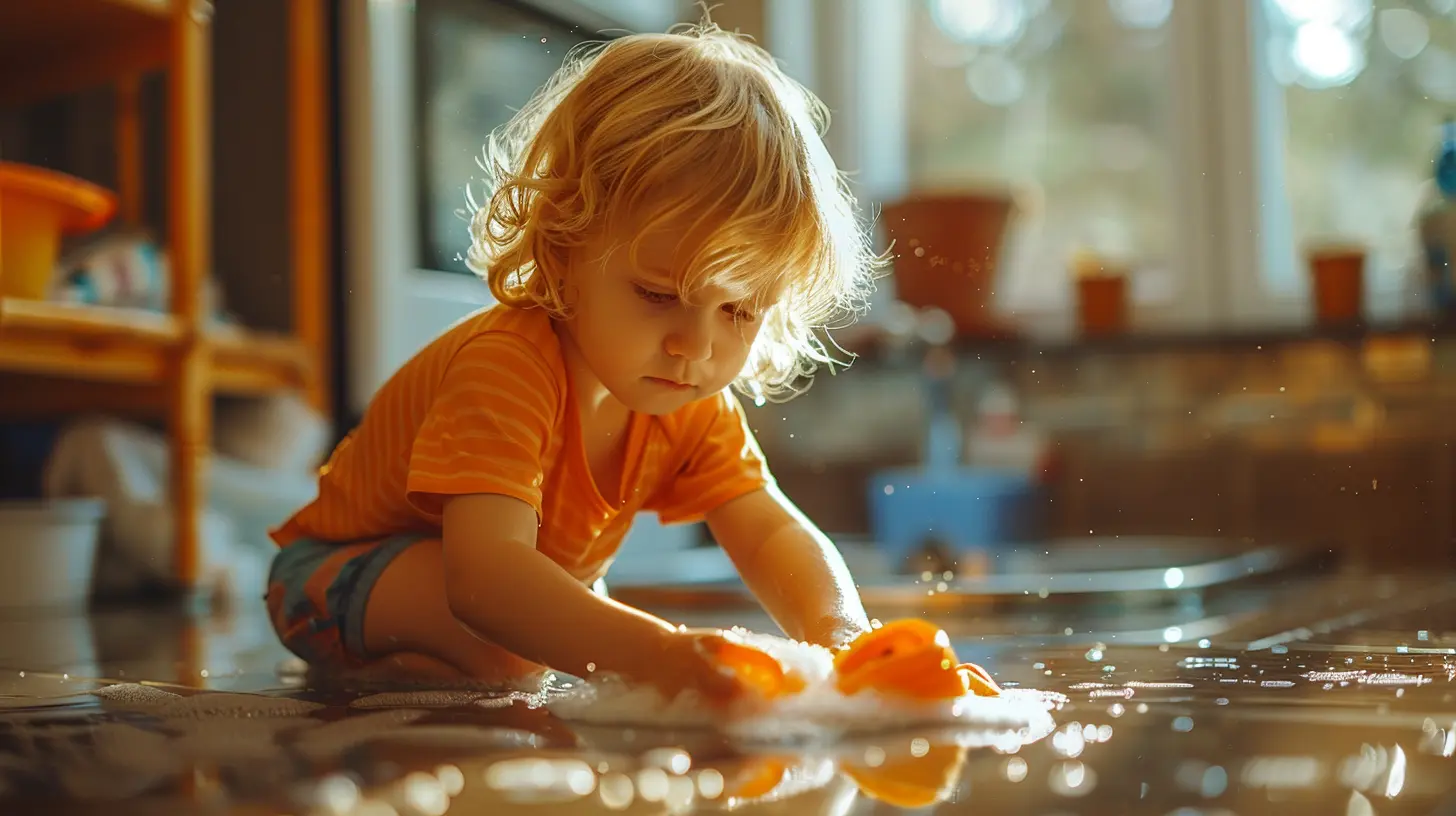
2. Time Management: Learning to Juggle Tasks
Ever noticed how kids seem to have all the time in the world when they’re playing but suddenly move at a snail’s pace when it’s time to do chores? Giving them responsibilities teaches them to manage their time efficiently.When kids have a list of tasks to complete, they quickly understand the importance of prioritization. They learn to balance homework, playtime, and responsibilities—an essential skill that will help them succeed in school and throughout life.
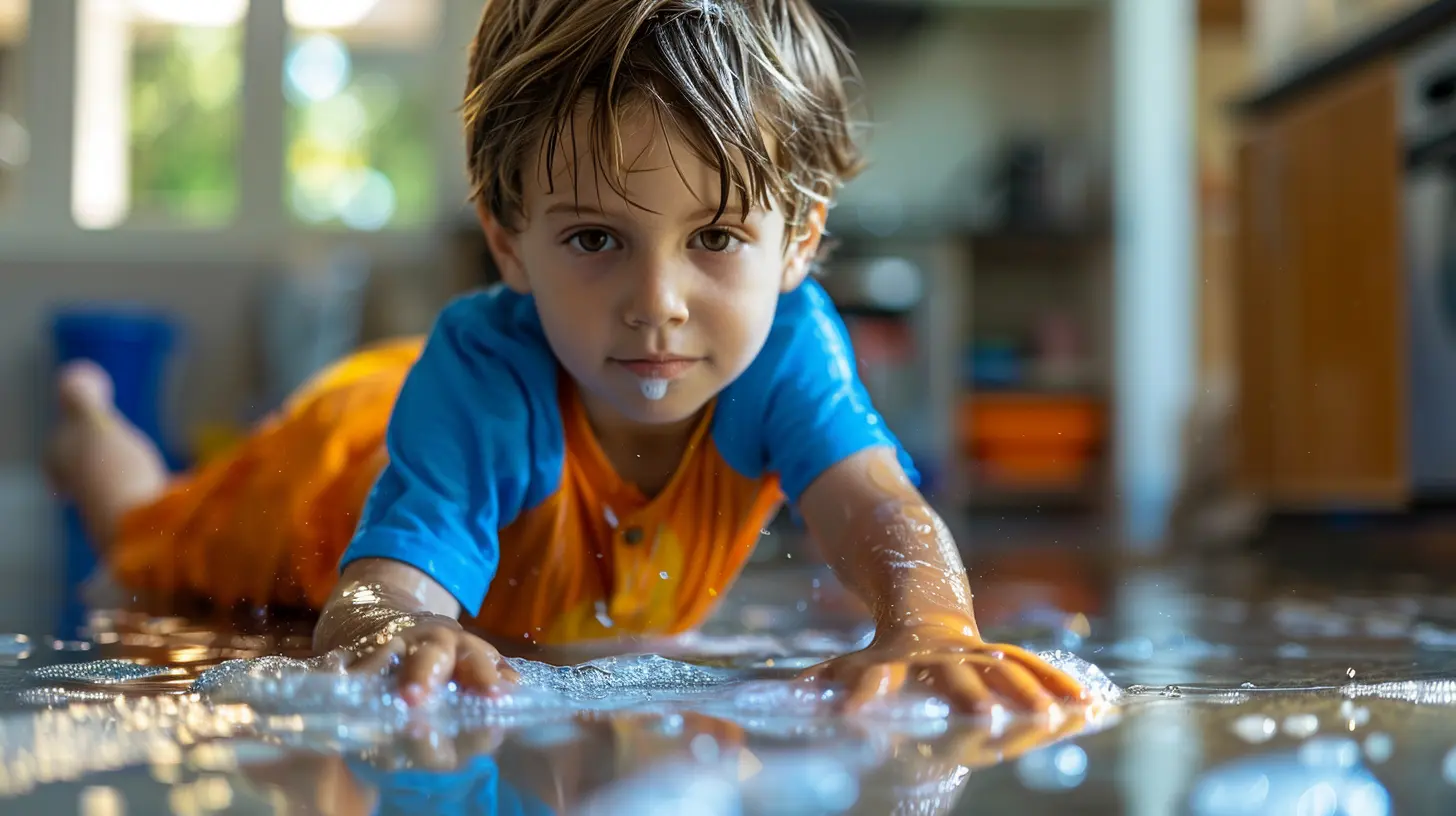
3. Independence: Becoming Self-Sufficient
One of the greatest gifts you can give your child is the ability to take care of themselves. By involving them in household tasks, you're empowering them to become independent.Simple chores like making their own snacks, folding their laundry, or tidying up their space help children realize they don’t have to rely on others for everything. As they develop confidence in handling everyday tasks, they’re better prepared for adulthood, whether that’s cooking a basic meal in college or managing their home one day.
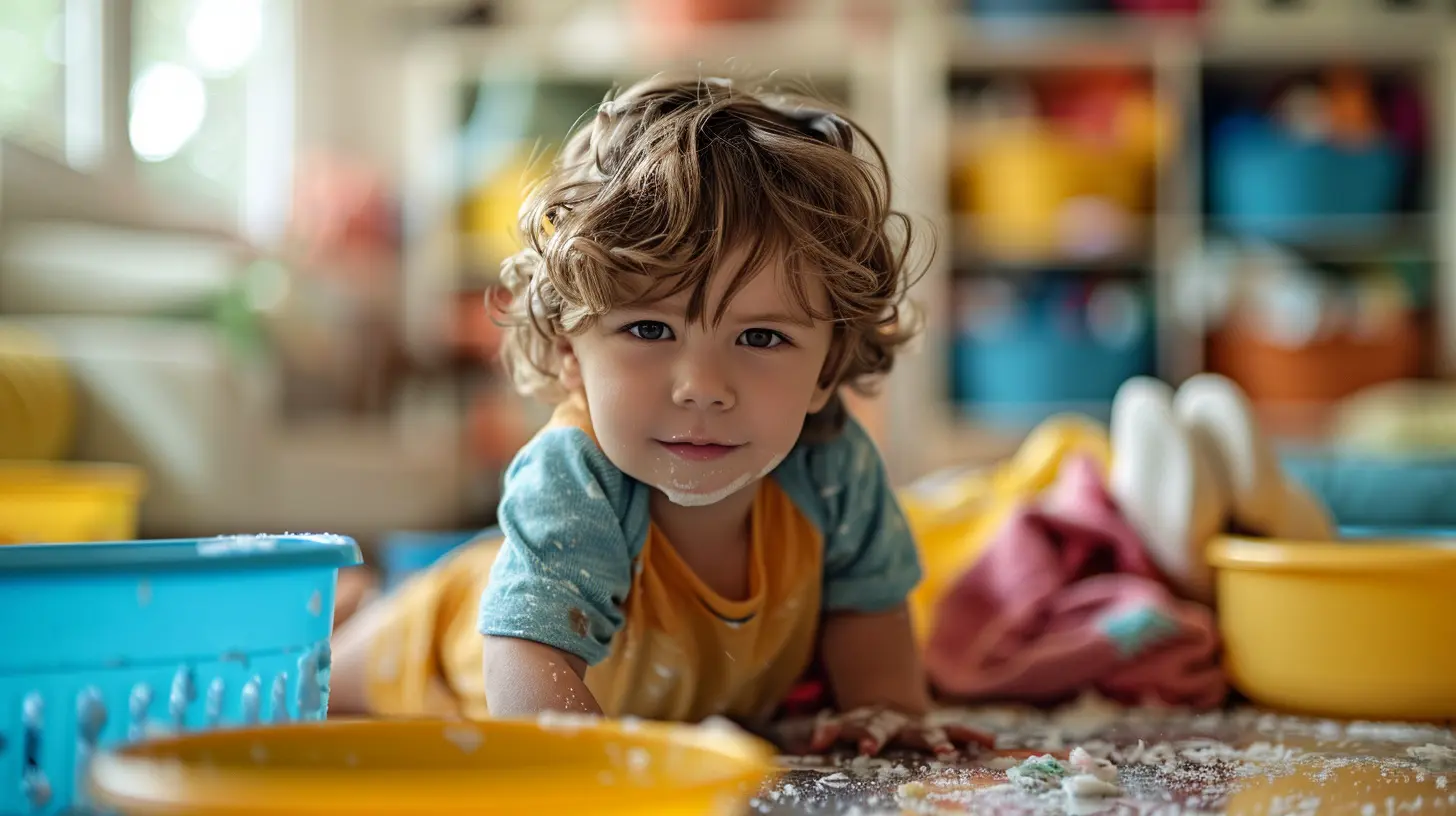
4. Teamwork: Understanding the Power of Working Together
Household tasks teach children the importance of teamwork. When they see that everyone in the family has a role to play—whether it’s mom doing the dishes, dad mowing the lawn, or them taking out the trash—they understand that contributing is part of being in a family.Teamwork skills extend beyond the home. In school, friendships, and eventually the workplace, knowing how to cooperate with others is a crucial ability. It helps children develop social skills, empathy, and an appreciation for collaboration.
5. Problem-Solving: Thinking on Their Feet
Spilled juice on the floor? A missing sock in the laundry? Tasks around the house often come with unexpected challenges, forcing kids to think on their feet.When children help at home, they learn to assess problems and find solutions. Maybe they figure out that using a mop is more effective than paper towels for spill cleanup. Or they realize that sorting socks by color before washing helps prevent losing them. These small problem-solving skills build confidence and resilience, skills they’ll need throughout life.
6. Work Ethic: Understanding the Value of Hard Work
Doing chores may not be the most exciting activity for kids, but it teaches them an essential life lesson—hard work pays off. When they put effort into cleaning up, they get to enjoy a tidy room. When they help cook a meal, they get to enjoy the delicious results.These small moments reinforce the idea that effort leads to rewards, a mindset that will help them succeed in academics, extracurricular activities, and eventually, in their careers.
7. Financial Literacy: Understanding Earning and Saving
If you offer an allowance for chores, your child is also learning about money management. Even if you don’t pay them, the concept of contributing effort to get results helps them understand the basics of financial literacy.Kids realize that work leads to rewards, whether in the form of money, appreciation, or privileges. This gives them a foundation for managing money responsibly as they grow older.
8. Respect and Gratitude: Appreciating the Effort of Others
When kids actively contribute around the house, they start to notice the effort others put in. A child who helps fold laundry will be less likely to leave their clothes in a messy pile. A child who washes dishes may think twice before using multiple cups in a single afternoon.This awareness cultivates respect and gratitude. They learn that keeping a home running smoothly requires effort from everyone, which fosters appreciation for their parents' hard work.
9. Basic Cooking Skills: Preparing for the Future
Getting kids involved in the kitchen doesn’t just help you—it teaches them an essential survival skill. Whether it’s stirring pancake batter, chopping veggies (with appropriate supervision!), or setting the table, these small experiences build confidence in the kitchen.By the time they’re older, they’ll feel comfortable preparing basic meals instead of relying solely on takeout or instant food. This sets them up for healthier eating habits and financial responsibility in the future.
10. Patience and Perseverance: Sticking with a Task
Some chores aren’t quick or easy. Folding a mountain of laundry or scrubbing a dirty pan takes time and effort. By engaging in household tasks, kids develop patience and perseverance.They learn that not everything is instant and that some things require consistent effort. This helps shape their mindset for tackling challenges in school, relationships, and future careers.
11. Organizational Skills: Keeping Things in Order
Encouraging kids to clean and organize their belongings helps them develop organization skills. When they regularly put toys away, arrange their clothes, or tidy their study space, they’re practicing habits that will benefit them later in life.Being organized is a skill that helps in academics, work, and personal life. A child who learns to keep things tidy will likely carry that habit into adulthood, making them more efficient and productive.
Final Thoughts
While it might be tempting to handle everything yourself, giving your child the opportunity to help around the house is one of the best gifts you can offer them. These household tasks aren’t just chores—they’re life lessons in disguise.By learning responsibility, teamwork, problem-solving, and other skills, kids become more independent, capable, and well-rounded individuals. So next time your child grumbles about taking out the trash or doing the dishes, remind them (and yourself!) that they’re building valuable skills that will serve them for a lifetime.
And who knows? Maybe one day, they’ll thank you for it.
all images in this post were generated using AI tools
Category:
Chores For KidsAuthor:

Austin Wilcox
Discussion
rate this article
2 comments
Vivian Jenkins
Great tips for fostering independence!
September 13, 2026 at 4:13 AM
Austin Wilcox
Thanks for the positive feedback! I'm glad you found the tips helpful.
Reece Martin
Great article! Teaching kids life skills through household tasks is so valuable. It builds responsibility and teamwork while giving them a sense of accomplishment. Simple chores like cooking or cleaning not only instill important habits but also create lasting memories and strengthen family bonds. Keep sharing these insights!
June 9, 2026 at 4:45 PM
Austin Wilcox
Thank you for your kind words! I'm glad you found the insights valuable. Teaching kids these skills truly makes a difference in their lives and fosters family connections.