Navigating Social Situations When Your Child Experiences Anxiety
16 July 2026
If you've ever watched your child freeze up at a birthday party, cling to your leg before a school event, or melt down in the middle of a crowded room, you're not alone. Social anxiety is tough — not just on kids, but on us parents too. It can feel like walking through a crowded room full of party balloons... while carrying a porcupine. You're trying to keep everything together, but you're always bracing for that pop.
Here's the truth: Navigating social situations when your child experiences anxiety isn’t about fixing them. It’s about guiding, supporting, and helping them build confidence, one event at a time. Let’s break down what’s going on, how to handle it, and how to support your child (and yourself!) in the thick of it.
What Does Social Anxiety in Kids Really Look Like?
We’re not talking about just being shy. Yes, many kids may need a moment to warm up, but social anxiety is different. It can be paralyzing. Your child might:- Avoid eye contact or conversation
- Refuse to go to school or outings
- Cry, cling, or complain of headaches or bellyaches when around others
- Freeze when asked questions or introduced to new people
- Obsess over what others think about them
Sound familiar? It’s not just nerves — it’s fear. A deep, gripping fear that they’ll be judged, make a mistake, or be the center of attention in the worst way possible.
Why Social Events Feel Like a Minefield
Here’s the thing: social situations are unpredictable. There are people. Expectations. Noise. Smells. Eyes watching. For a child with anxiety, it can feel like being put on a stage with zero rehearsal time.Even something as small as a neighbor asking, “How’s school going?” can send a child into shutdown mode.
So while we might think of parties, playdates, or even family get-togethers as fun or casual — to an anxious child, they might feel like emotional war zones.
And as parents, we often feel helpless standing on the sidelines.
The Emotional Toll on Parents (Yes, You Too!)
Let’s be real for a second. Watching your child struggle socially is heartbreaking. You want them to enjoy life, make friends, fit in. You might even wonder if you’re doing something wrong — if you should push harder, back off, or enroll them in some kind of social-skills boot camp.We worry that people will think our child is rude or weird. Sometimes we feel embarrassed. Other times, frustrated. And then the guilt kicks in… it's a rollercoaster.
But here's the important part: You're not failing. You're parenting a child who needs a different kind of support than most. And that right there, takes guts, patience, and a lot of love.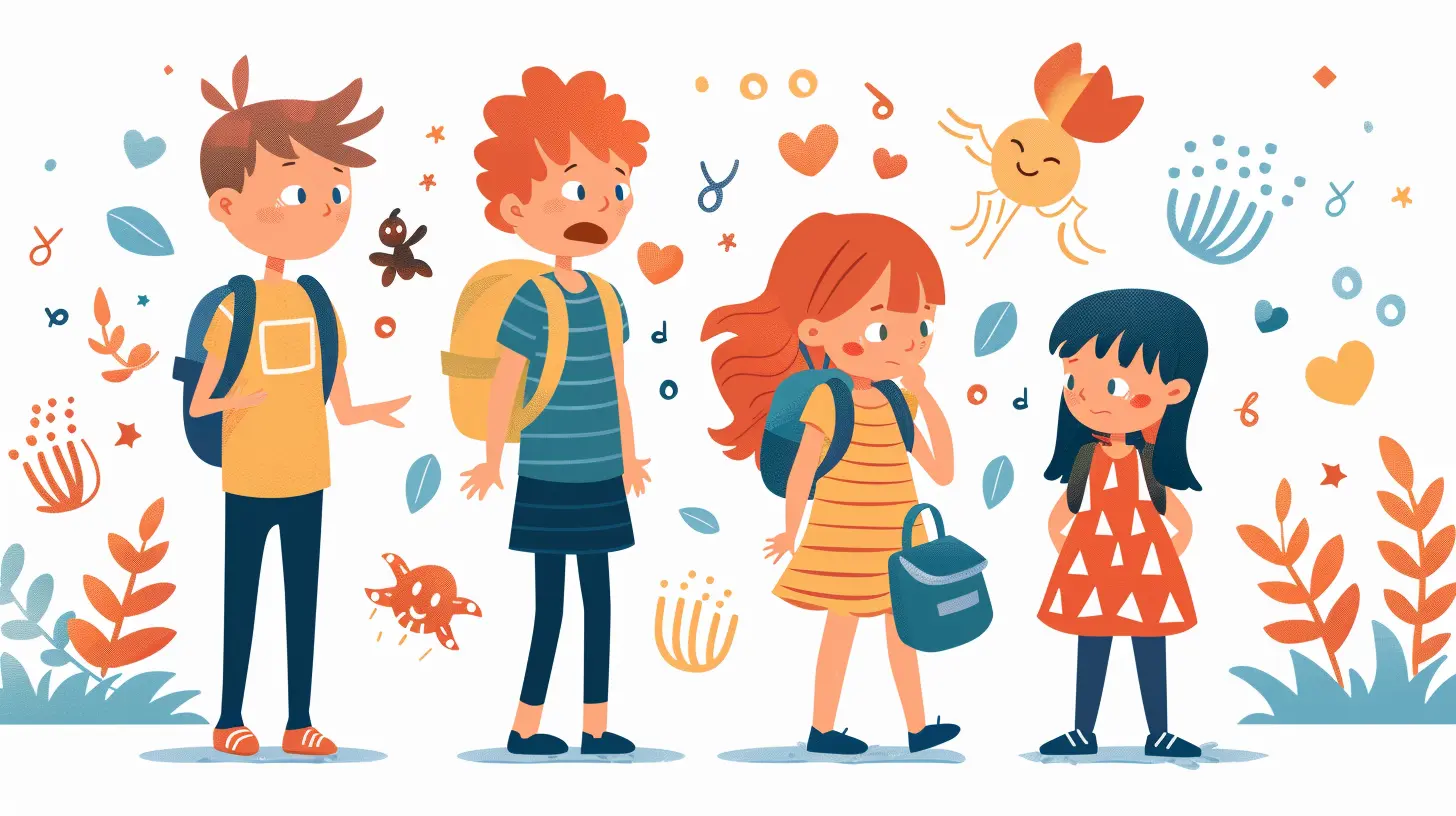
Practical Tips for Navigating Social Situations With Your Anxious Child
You don’t need a psychology degree to help your child with social anxiety. You just need a plan, a little patience, and empathy in spades. Here's how to start:1. Prep, Don’t Push
Think of social events like a big game. No one walks into a championship without practice, right? Your child shouldn’t either.- Talk in advance. Let them know what to expect — who will be there, what might happen, how long you’ll stay.
- Role-play. Practice greetings or small talk ahead of time. You can make it silly to keep it light.
- Map it out. For events in new places, look up pictures or visit the location in advance.
The trick here is to reduce the unknowns. The more they know, the less their brain screams, “Danger!”
2. Create an Exit Strategy
Having an escape plan can make all the difference.- Safe word. Come up with a discreet word or signal they can use if they need a break.
- Calm corner. At larger events, find a quiet spot they can retreat to if it gets overwhelming — even if it’s just the car.
It gives your child a sense of control — and anxiety hates control.
3. Validate Their Feelings (Even When They Seem Irrational)
When your kid says, “I don’t want to go — what if everyone laughs at me?” it's tempting to say, “Don’t be silly, no one’s going to laugh!”Instead, try this:
> “I get it. That would feel really scary. I’ve felt that way too.”
Is it irrational? Maybe. But it’s real to them. And when you validate their feelings, you take away some of the shame.
4. Celebrate Small Wins
Did they say "hi" to someone at the park? AMAZING. Did they go to a class party, even if they stayed by your side most of the time? HUGE.Social growth is a slow climb, not a sprint. Acknowledge every tiny step. Praise the courage, not the outcome.
"Hey, I saw you introduce yourself to that kid. That took bravery."
When you point out bravery, they start to believe they’re brave, too.
5. Know When to Push and When to Pause
This one’s tricky. You don’t want to shelter your child forever, but you don’t want to shove them into the deep end either.Use your gut. If your child’s anxiety spikes to panic, that’s not a teachable moment — that’s a signal to retreat and regroup.
But if they’re just a little nervous? That’s often the sweet spot. Encourage them to stretch just a bit out of their comfort zone, then cheer them on like they just won Olympic gold.
When to Seek Extra Help
Sometimes, love and patience aren’t quite enough — and that’s okay.If your child’s social anxiety is:
- Interfering with their daily life (school, friendships, family)
- Causing regular panic attacks or meltdowns
- Affecting their self-esteem in a serious way
It might be time to talk with a therapist. Cognitive Behavioral Therapy (CBT) is a great tool for kids with anxiety. And many communities offer social skills groups led by child therapists — a supportive way to practice without judgment.
There’s no shame in getting help. In fact, it’s one of the bravest, most loving things you can do as a parent.
Talking to Others About Your Anxious Child
You don’t have to explain your child’s anxiety to everyone, but sometimes, a little heads-up can make social experiences smoother.Try something like:
> “Just a quick note — my child gets overwhelmed in social settings, so they may be a bit reserved. No need to worry if they hang back."
You're setting the stage without labeling your child. Simple, respectful, and incredibly helpful.
Teaching Your Child Self-Coping Techniques
Eventually, you want your child to handle social stress on their own (hey, we all want to raise independent humans, right?). Here are a few techniques to start teaching early:- Deep breathing. Teach them to breathe in slowly through their nose, hold, then breathe out through their mouth. (Pro tip: pretend they’re blowing up a birthday balloon.)
- Positive mantras. Help them find a phrase they can repeat before or during social situations: “I can do hard things,” or “I'm safe right now.”
- Visualization. Ask them to picture a safe place or a happy memory if they start to feel overwhelmed.
The more tools they have in their mental toolbox, the more resilient they'll become — socially and otherwise.
Building Confidence Outside of Social Settings
Sometimes, we’re so focused on social events that we forget to build confidence in other areas. Confidence is contagious — if they feel good in one area, it spreads.- Enroll them in a class or activity they enjoy (art, music, animals, coding, whatever lights them up)
- Let them teach you something — kids love being the expert
- Give them responsibilities that match their strengths — helping bake cookies, organizing books, watering plants
Confidence in a quiet room often leads to confidence in a crowded one.
Final Thoughts: You’ve Got This (Even When It Feels Like You Don’t)
No one hands you a parenting manual that covers social anxiety. You’re learning as you go — adapting, adjusting, trying again. And that in itself is incredible.Every child is different. Some bloom in bustling crowds, others in quiet corners. Our job isn’t to change them. It’s to support them, guide them, and cheer for them as they navigate their own journey.
So next time you’re heading to a birthday party or school event, take a deep breath. Pack your patience. Prepare your child. And remember, progress isn’t a straight line — it zigs and zags. But with you by their side, they’re heading in the right direction.
all images in this post were generated using AI tools
Category:
Dealing With AnxietyAuthor:

Austin Wilcox
Discussion
rate this article
1 comments
Indigo Cook
Every child is unique, and so is their anxiety. Equip them with tools to express feelings, practice scenarios, and foster patience. It's not just about social skills; it's about building confidence in their own skin.
July 17, 2026 at 3:51 PM
Austin Wilcox
Absolutely. Understanding each child's unique feelings is key. Providing them with practical tools not only helps in social situations but also boosts their confidence.