Promoting Cooperation Over Competition in Sibling Relationships
5 May 2026
Siblings—sometimes they’re best friends, other times it feels more like they’re sworn rivals from a medieval legend. If you're a parent, you've likely watched in awe as your kids went from hugging each other to battling over a toy in under 30 seconds.
While a little sibling rivalry is totally normal (and honestly, expected), what if we could shift the dynamic from constant competition to genuine cooperation? Not only does it create a more peaceful household (yes, please!), but it teaches your kids lifelong skills like empathy, compromise, and teamwork.
So, how do we do this without losing our sanity or turning into referees 24/7? Let’s dive into how we can start promoting cooperation over competition in sibling relationships—because raising kind, collaborative kids starts at home.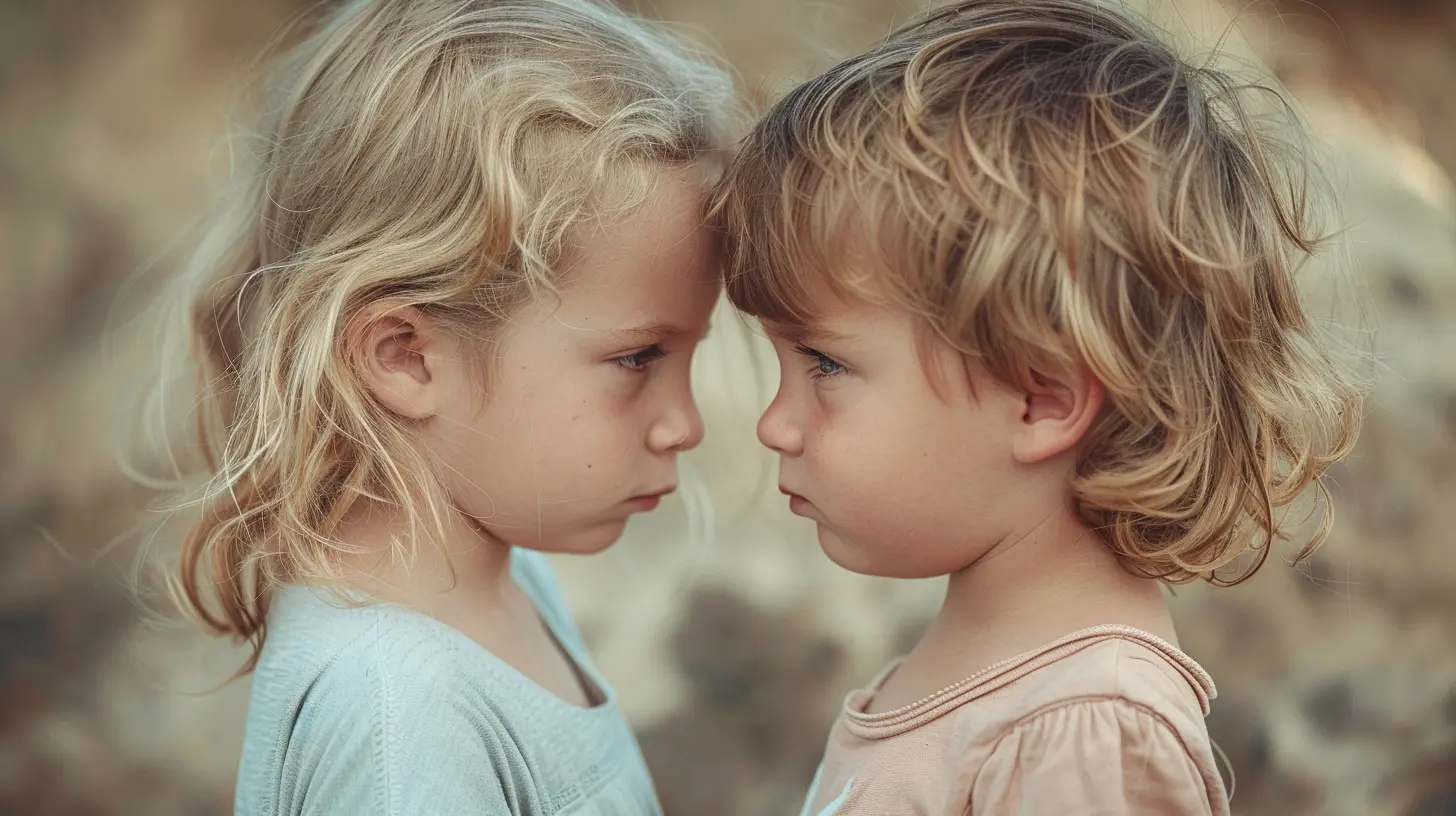
Why Do Siblings Compete in the First Place?
Before we can squash the rivalry, we’ve got to understand why it pops up in the first place.Most commonly, it boils down to attention. Kids naturally crave their parents’ attention and love (which, by the way, is both sweet and exhausting). When one child thinks another is getting more praise, presents, or privileges, it sets off the "not fair!" sirens in their brain.
Other common triggers include:
- Age gaps — Older siblings may feel burdened or unappreciated, while younger ones want to prove themselves.
- Personality differences — Introvert vs. extrovert? Quiet vs. dramatic? That’s a recipe for headbutting.
- Parental comparisons — Even innocent comments like “Why can’t you be more like your sister?” spark rivalry.
- Competition for resources — Not just toys, but intangible stuff like your attention, approval, or even time.
But here’s the good news: Sibling relationships are one of the longest relationships your child will ever have. If we set the tone early, they can grow into lifelong allies, not adversaries.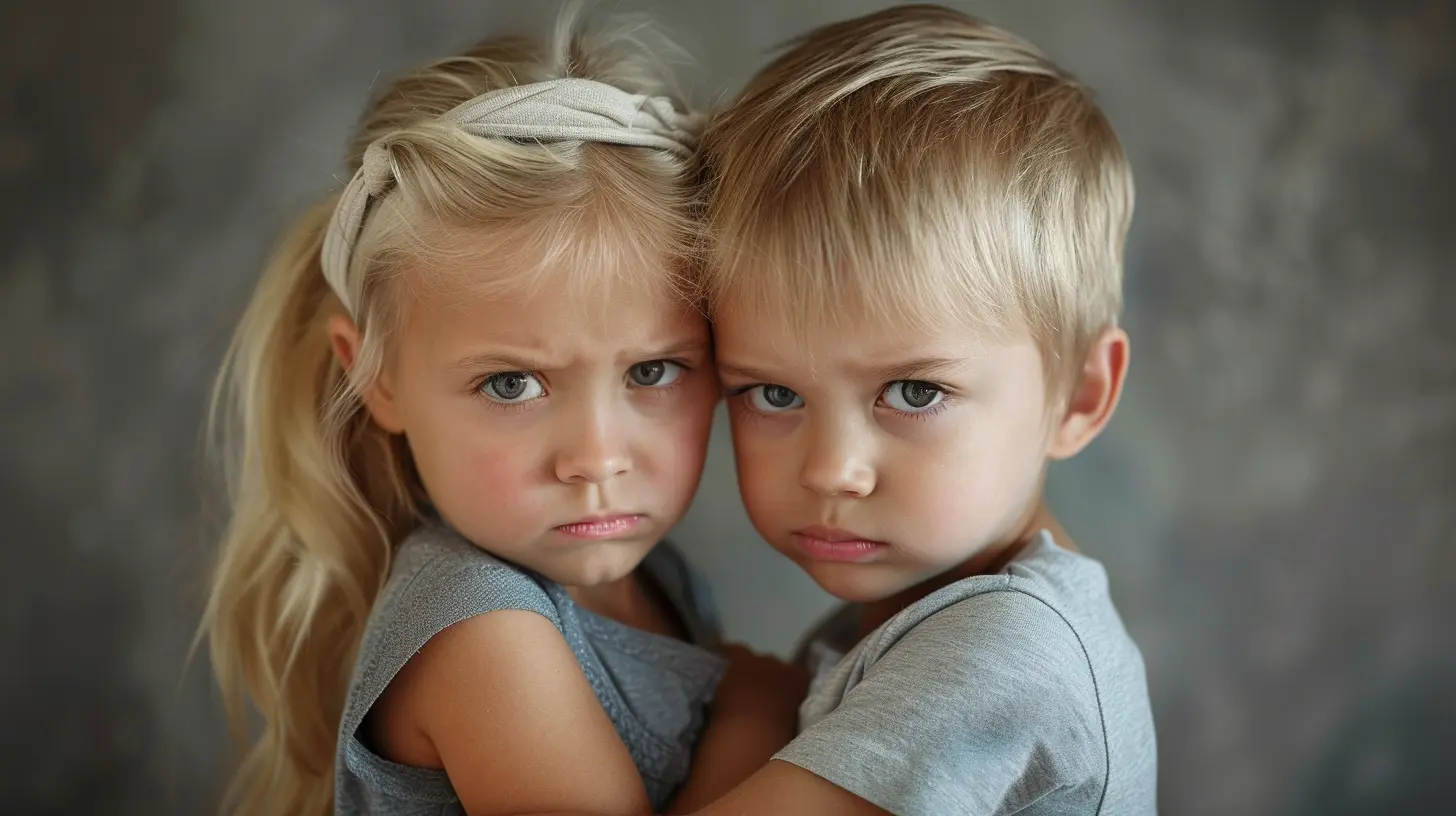
The Benefits of Fostering Cooperation Between Siblings
Let’s be honest—when siblings cooperate, life is simply easier. Dinner happens without meltdowns, car rides are quieter, and holidays feel more joyful than stressful.But the benefits go deeper, too:
- Stronger sibling bonds: Kids who work together learn to see each other as teammates, not threats.
- Improved emotional intelligence: Cooperation boosts empathy, understanding, and patience.
- Better conflict-resolution skills: Kids learn how to negotiate and solve problems without shouting.
- Higher self-esteem: When kids feel supported by their siblings rather than judged or compared, they thrive.
Simply put, children who grow up in cooperative environments are more likely to succeed in friendships, school teamwork, and eventually—gasp!—adult relationships.
1. Start with Connection, Not Correction
When siblings fight, it’s tempting to jump in with the “Stop it right now!” or “Go to your rooms!” And hey, no judgment—we've all been there. But sometimes, our rush to manage the moment misses the heart of the issue.Instead of correcting every squabble, focus on connection. Ask questions like:
- “What happened here?”
- “How did that make you feel?”
- “What do you think would help fix this?”
Letting your kids feel heard (even when they’re the ones at fault) teaches them to understand their emotions and be more open to hearing their sibling’s side too.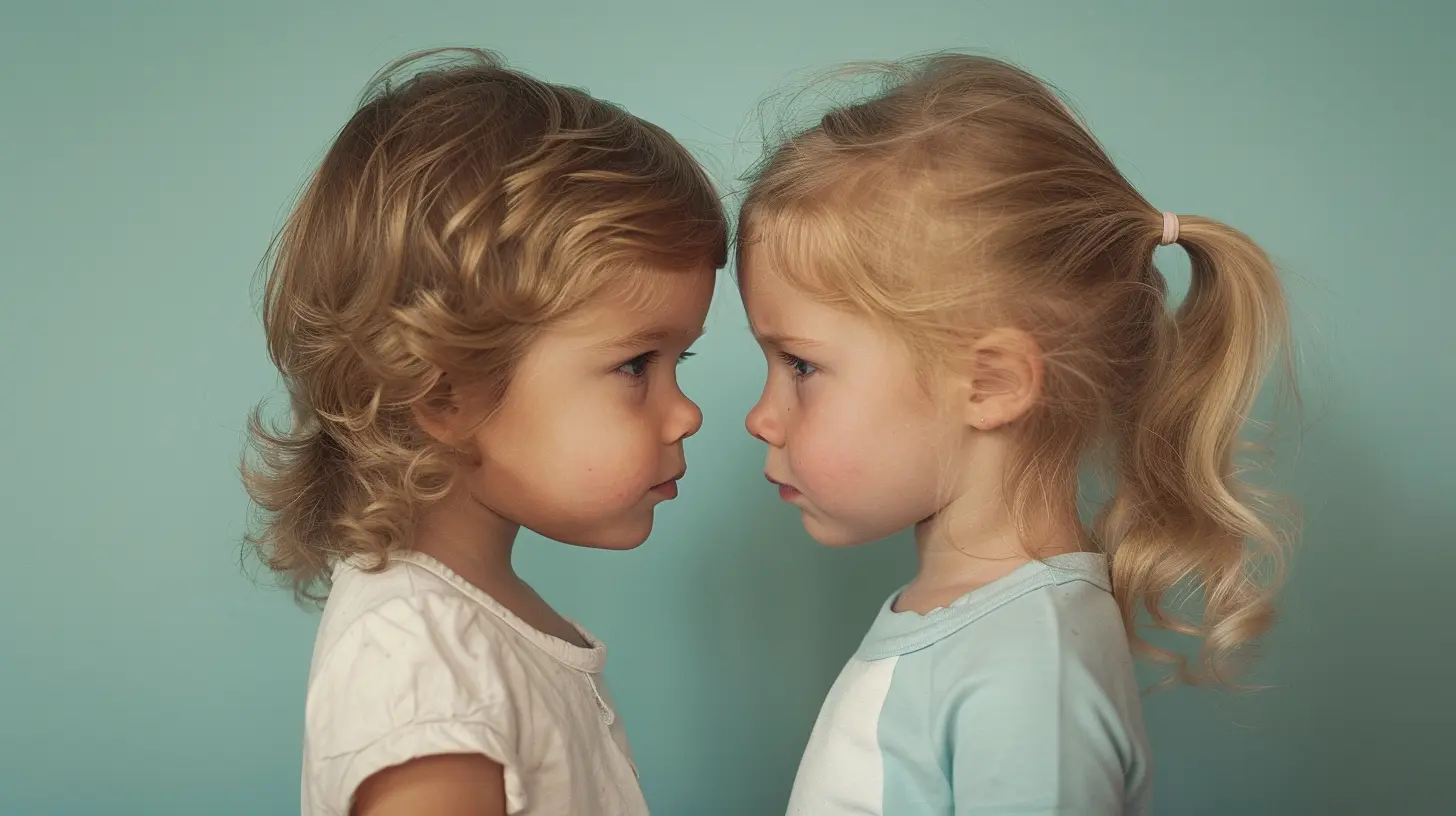
2. Ditch Comparisons (Even the Subtle Ones)
We all want to encourage our kids. But sometimes, even well-meaning praise can backfire.Saying things like:
- “Your brother always gets ready on time—why can’t you?”
- “Your sister got an A in math; you should try harder.”
…creates an invisible scoreboard in your kids’ minds. And guess what? Someone always feels like the loser.
Instead, focus on individual strengths and improvements:
- “You worked hard on that project—I can tell!”
- “I love the way you helped your sister tie her shoes.”
This approach removes the race and puts the spotlight on personal growth.
3. Create Opportunities to Work Together
One of the best ways to break down sibling walls? Get them to build something together—literally or figuratively.Here are some simple ideas:
- Joint chores: Have them work as a team to set the dinner table or clean up their playroom.
- Creative projects: Let them make a fort, bake cookies, or create a comic book together.
- Team-based games: Board games where they’re on the same side? Pure gold.
When kids team up and succeed, it creates a shared “We did it!” moment that makes them feel closer.
4. Teach Conflict Resolution Skills Early
Conflict is part of life. The goal isn’t to eliminate it—but to teach your kids how to navigate it constructively.Try coaching them through it instead of solving it for them:
- “What do you want to say to your sister about what happened?”
- “How can we come up with a solution that works for both of you?”
You’re not just breaking up arguments—you’re teaching how to respectfully disagree, compromise, and repair. These are golden life skills.
And remember: stay calm, even if they’re not. Your tone sets the example.
5. Highlight Team Wins Over Individual Achievements
We live in a world obsessed with being “the best,” but that mindset can do real damage in sibling relationships.Instead of just highlighting individual success (like “Lily got first place!”), make a point to celebrate team wins:
- “You both did a great job helping each other with homework.”
- “I noticed you shared your crayons with your sister—so kind!”
When siblings are praised for working together, they’re more likely to repeat that behavior.
6. Be Mindful of Birth Order Stereotypes
Ah, birth order—the invisible script that can shape how kids see themselves.- The eldest is seen as responsible (but also bossy).
- The middle child feels invisible.
- The youngest gets labeled as spoiled.
These aren’t always true, but they can become self-fulfilling prophecies.
Resist the urge to box your kids into roles. Instead of saying, “You’re the oldest, act like it,” try, “You’re a natural leader—I appreciate how you helped out today.”
Treat each child as their own unique person, not just a role in the family lineup.
7. Practice What You Preach
Let’s face it—kids are watching us all the time. If we react to stress by snapping at our partner, or if we treat family members differently, our little sponges soak that right up.Want your kids to cooperate with each other? Model it.
- Show kindness in your conflicts.
- Apologize when you’re wrong.
- Celebrate others’ wins with genuine joy.
Your behavior becomes the blueprint.
8. Embrace Family Meetings
I know what you’re thinking—“Family meetings? Are we the Brady Bunch now?”Hear me out.
A short weekly check-in (like 15–20 minutes) can work wonders. It gives everyone a voice, allows space for grievances (without yelling), and reinforces the idea that we’re a team.
Use this time to:
- Acknowledge positive sibling moments
- Talk about how to handle disagreements
- Make shared decisions (like movie night choices)
These meetings aren’t about control—they’re about connection.
9. Celebrate Their Differences
You wouldn’t expect a sunflower and a rose to grow the same way, right?Your kids are the same. Nurture their differences instead of comparing them.
Does one love science and the other loves drawing? Cool. Cheer them on individually and together.
Siblings don’t need to be the same to work together. They just need to respect what makes the other awesome.
10. Be Patient — This Is a Long Game
If you're reading this and thinking, “Well, my kids just kicked each other under the table five minutes ago,”—don’t worry. You’re not failing.Progress takes time.
Cooperation isn’t a switch; it’s a seed. And like any seed, it needs nurturing, consistency, and a whole lot of patience (and snacks...for you and them).
Celebrate the small wins. A moment of shared laughter. A half-hug. A toy handed over willingly. These are the baby steps toward a stronger sibling bond.
Final Thoughts
Promoting cooperation over competition in sibling relationships isn't about eliminating every spat or turning your kids into saints. It’s about creating a family culture where kindness, teamwork, and mutual respect are the norm—not the exception.Remember, siblings will always clash sometimes. That’s part of growing up together. But with your guidance, they can learn to lift each other up more often than they tear each other down.
Your role as the coach, model, and cheerleader of this journey is huge. But also? You’re doing a fantastic job—just by caring enough to read about it.
Keep showing up. Keep guiding gently. And one day, you’ll catch your kids helping each other, laughing together, maybe even standing up for one another—and your heart will melt.
Because in the end, cooperation builds more than peace in your home—it builds friendship for life.
all images in this post were generated using AI tools
Category:
Sibling JealousyAuthor:

Austin Wilcox
Discussion
rate this article
2 comments
Porter McMeekin
Great insights! Encouraging cooperation truly makes sibling bonds stronger and happier for everyone involved.
June 10, 2026 at 2:49 PM
Austin Wilcox
Thank you! I'm glad you found it helpful. Cooperation can really transform sibling relationships for the better.
Sage Becker
Fostering cooperation among siblings creates a more harmonious home. I've seen how shared experiences and teamwork strengthen their bond, making challenges easier to navigate together. It's a rewarding journey worth embracing.
June 2, 2026 at 3:06 AM
Austin Wilcox
Absolutely! Shared experiences truly foster deeper connections and make navigating challenges much smoother for siblings. It's all about teamwork and support.