Supporting Emotional Development Through Storytelling and Books
28 April 2026
Let’s face it—parenting is basically a juggling act performed on a unicycle, while blindfolded, with a toddler biting your leg for attention. You’ve got a million things on your plate, and now someone’s telling you that you also need to be your child’s emotional GPS? Don’t panic. The good news is that you don’t need a fancy degree in child psychology or a magic wand. Sometimes, the simplest things—like telling a story or cracking open a book—hold the power to shape little hearts and minds in giant ways.
So, grab your “parent of the year” mug (even if it’s full of cold coffee), and let’s dive into how storytelling and books can boost your child’s emotional development without you having to move mountains. 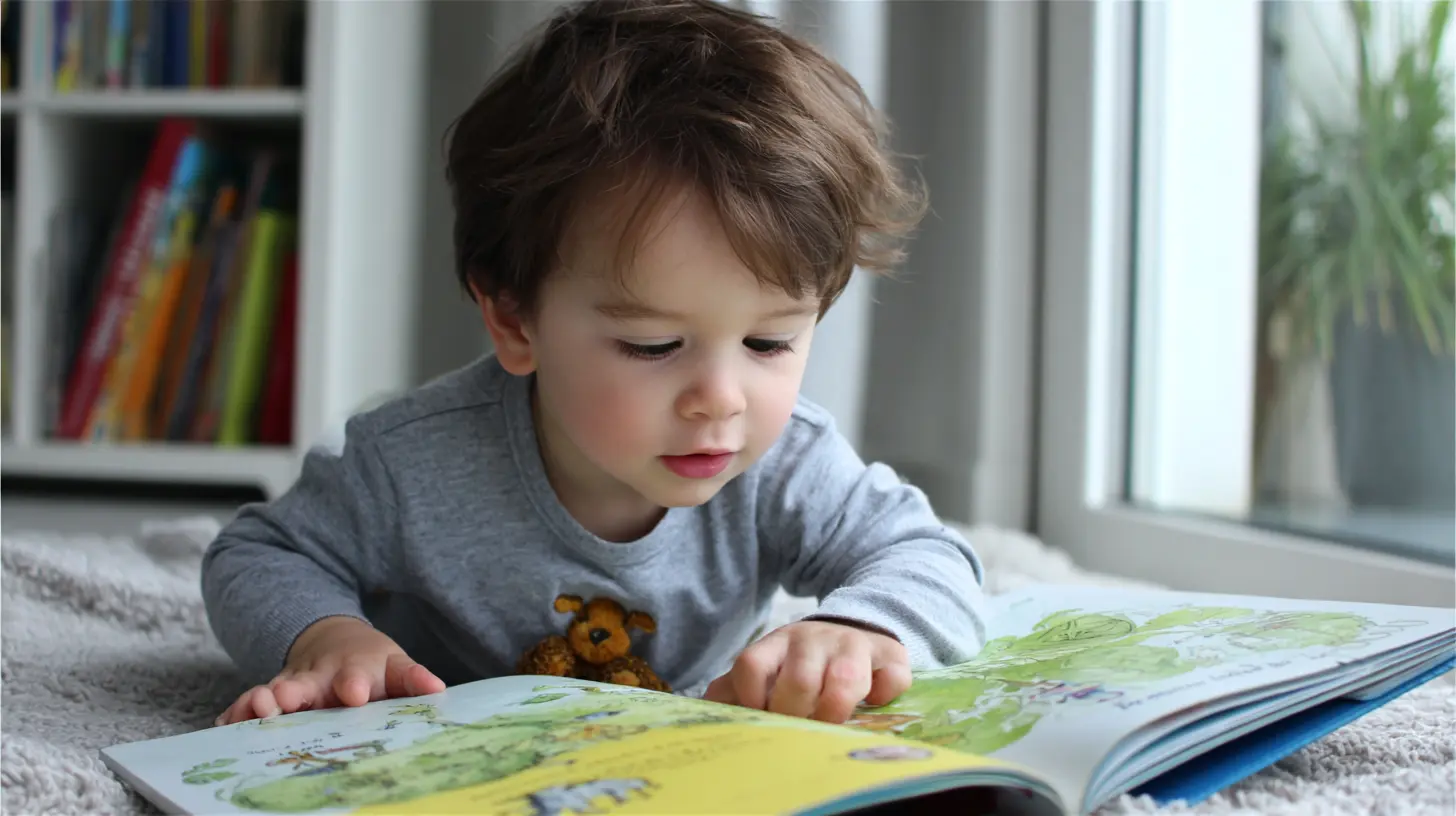
Why Emotional Development Is the Real MVP
Let’s get real for a second. When was the last time you needed to know the capital of Mongolia or used long division in your adult life? Exactly. Now, when was the last time you had to deal with conflict, express frustration without throwing a tantrum, or comfort a friend? Yup, emotional skills are the unsung heroes of adulting.For kids, emotional development is the foundation for dealing with life. It's learning how to process feelings (without screaming or throwing spaghetti), understand others' emotions (hello, empathy!), and communicate effectively. Basically, it’s the superpower that keeps humans from devolving into tantrum-throwing blobs.
And what better way to teach our mini-humans about feelings than through the enchanting world of stories, where dragons can be lovable, villains sometimes just need a hug, and happy endings feel oh-so-good? 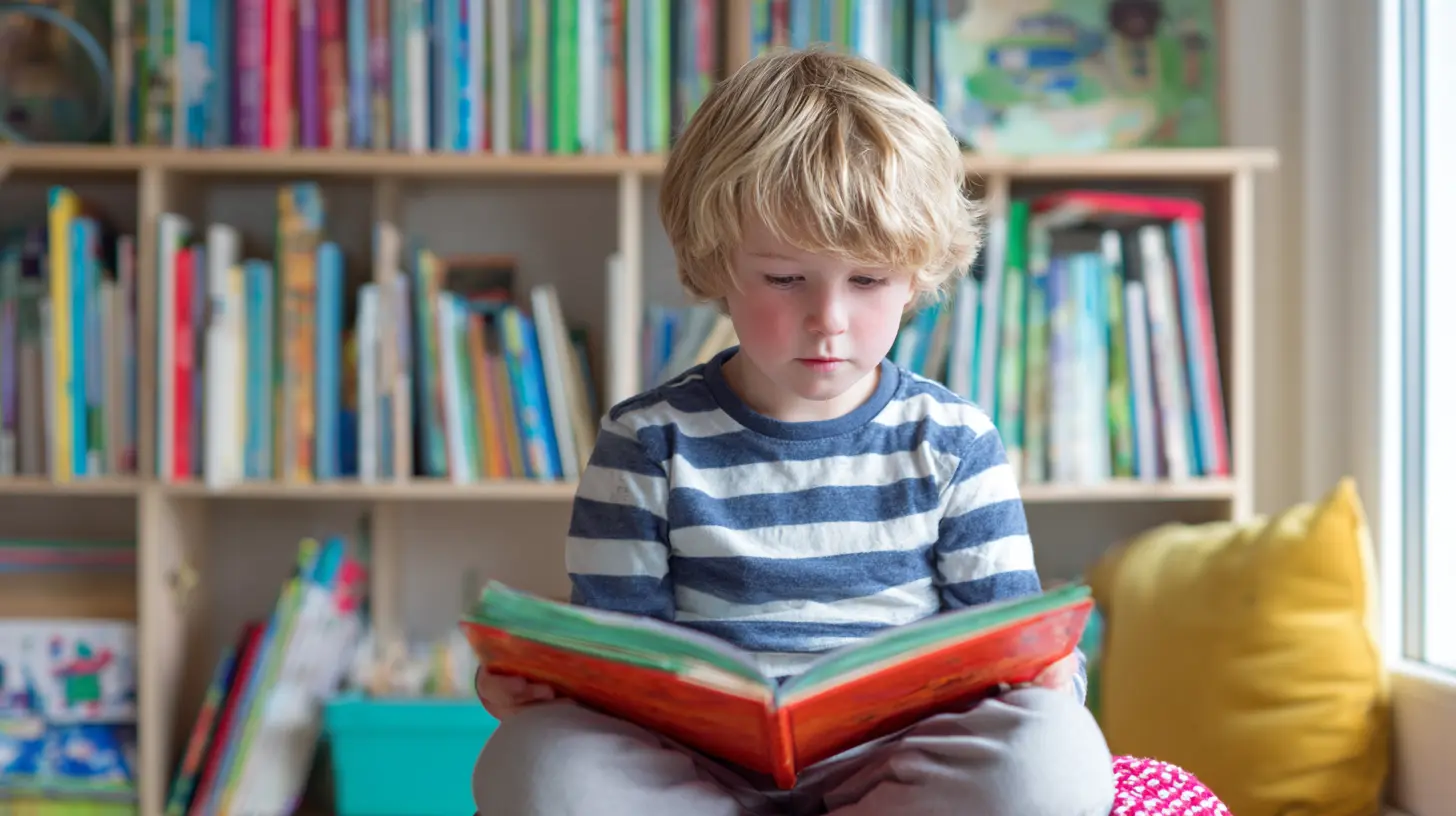
Storytelling: Your Secret Weapon for Raising Emotionally-Savvy Kids
The Magic of "Once Upon a Time"
Okay, imagine this: You’re telling your kid a story. Their eyes are wide, they’re sitting (almost) still, and you don’t have to bribe them with snacks. It’s magic, right? But beneath the charm is some serious science. Stories help kids make sense of their emotions and the world around them because they see characters grappling with challenges, just like they do.For example, when Little Red Riding Hood faces her fear of the Big Bad Wolf, it can spark a conversation about being brave or trusting your instincts. (Also, maybe throw in a gentle reminder not to talk to strangers. Thanks, Red!)
Creating Shared Moments
Storytelling isn’t just about the story—it’s about the connection it builds. Sitting down with your child to spin a tale or read a bedtime story gives off major “you matter to me” vibes. And frankly, in a world where your kid is competing with a buzzing smartphone for your attention, this one-on-one time can feel like winning the emotional jackpot.Psst… Bonus points if you make up a story that includes your child as the hero. They’ll be practically glowing with pride. 
Books: The OG Emotional Teachers
Let’s give books the standing ovation they deserve. Think about it: Books are like little portable empathy machines. They open up worlds, introduce diverse characters, and teach kids that there’s more to life than their own perspective (ahem, no, the world doesn’t revolve around your toddler’s snack preferences).Characters as Emotional Role Models
Ever notice how kids can recite every line of their favorite book, yet somehow "forget" where their shoes are? That’s because those characters become role models. When Harry Potter shows loyalty, or when Moana finds courage, your kid is soaking it all in like a sponge.Even books where characters mess up (looking at you, Curious George) can teach valuable lessons. “Oh, George spilled the paint everywhere? Maybe next time he shouldn’t try to help without asking.” Boom, subtle life lesson learned.
Tackling Tricky Topics
Sometimes, life throws curveballs—grief, change, fear—and explaining those to a kid can feel like trying to explain taxes to a goldfish. That’s where books swoop in to save the day. Picture books about emotions can make big, scary feelings seem manageable. It’s like having a translator for their tiny, overwhelmed brains.For instance, "The Color Monster" by Anna Llenas uses colors to explain emotions in a way that’s equal parts brilliant and adorable. Or "Alexander and the Terrible, Horrible, No Good, Very Bad Day" can teach kids that bad days happen to everyone (and no, moving to Australia won’t fix it). 
Making Storytelling and Reading Stick (Without Losing Your Sanity)
Keep It Fun and Casual
First things first: This is not a chore. If you’re sitting down with a book and your energy screams “ugh, let’s get this over with,” your kid will pick up on it faster than they hear a candy wrapper opening in the next room. Make it fun! Use silly voices, act out parts of the story, and laugh at the ridiculous bits. The goal is to create an experience they’ll want to relive.Follow Their Lead
Kids are opinionated little creatures. If they’re obsessed with trucks, dinosaurs, or unicorns this week, go with the flow. Find books or create stories that tap into their current fascination. You might have to endure the same story 57 times in a row, but hey, that’s parenting for you.Sneak in Life Lessons
Here’s the deal: Kids are way more likely to absorb life lessons when they don’t feel like they’re being lectured. Use stories to introduce topics like kindness, sharing, or resilience in a way that feels natural. Trust me, this works infinitely better than sitting them down for a “serious talk.”Practical Tips for Storytime That Doesn’t Turn Into a Wrestling Match
1. Set the Mood: Choose a cozy spot, grab a blanket, and create an atmosphere that says, “This is our special time.” It’s like a mini oasis in the chaos of the day.2. Keep It Short (ish): Attention spans are tricky beasts. If your kid is squirming, don’t force a marathon session. A little goes a long way.
3. Ask Questions: Pause to ask, “What do you think happens next?” or “How do you think [character] feels?” This keeps them engaged and thinking critically.
4. Mix It Up: Alternate between reading books and making up your own stories. Variety is the spice of life—and, apparently, storytime.
Benefits That’ll Have You Feeling Like a Parenting Pro
Not to toot storytelling’s horn (okay, maybe a little), but the benefits are kind of mind-blowing. Here’s a quick rundown of all the emotional, social, and cognitive perks you’re serving up:- Empathy Development: By seeing the world through characters’ eyes, kids learn to understand and respect others’ feelings.
- Emotional Vocabulary: Books introduce kids to words like “frustrated,” “proud,” or “nervous,” giving them tools to name their own feelings.
- Improved Communication: Listening to and telling stories sharpens language skills—and who doesn’t want a kid who can talk about their emotions instead of just screaming?
- Stress Relief: Storytime can feel like a big, warm hug for kids (and let’s be honest, for you, too).
It’s Not About Perfection, It’s About Connection
Here’s the thing: Supporting emotional development through storytelling and books doesn’t require you to be a professional narrator or own a library’s worth of books. It’s about connection. It’s about carving out moments to show your kid that you care about their questions, fears, and dreams.Will there be nights when you’re too tired to tell a story? Of course. Will there be times when your kid bursts into tears because the story didn’t end how they wanted? Absolutely. But those moments are just as important as the magical ones.
So, go ahead—spin a silly tale, make goofy voices, or let your kid choose the same book for the 12th night in a row. You’re not just raising a reader or a storyteller. You’re raising a human who will grow up knowing how to navigate emotions and connect with others. And if that’s not parenting gold, I don’t know what is.
all images in this post were generated using AI tools
Category:
Emotional DevelopmentAuthor:

Austin Wilcox
Discussion
rate this article
2 comments
Icarus Elliott
This article highlights the essential role of storytelling in nurturing emotional intelligence in children. By engaging with books, parents can create connections that foster empathy and understanding. It's inspiring to see practical tips shared for using stories as tools for emotional growth. Thank you for this valuable resource!
May 2, 2026 at 3:01 AM
Austin Wilcox
Thank you for your thoughtful feedback! I'm glad you found the tips helpful in promoting emotional growth through storytelling. It really can make a difference.
Spike Flores
In pages turned, emotions bloom, Through tales of joy and whispered gloom. Books weave bonds, where hearts entwine, Nurturing souls, so rich, divine. With every story shared and spun, We guide our children—hearts as one.
April 29, 2026 at 4:15 AM
Austin Wilcox
Beautifully expressed! Storytelling truly nurtures emotional connections, guiding us and our children through shared experiences.