Talking About Big Feelings: Helping Kids Express Their Anxiety
27 January 2026
Let’s face it—parenting is a rollercoaster. One day, your child is running around carefree, and the next, they’re crumbling under the weight of emotions they hardly understand. Anxiety in kids is more common than you might think, and helping them navigate these big feelings is no small task. But here’s the good news: with a little patience and the right tools, you can teach kids how to channel their anxiety into healthy expressions.
In this article, we'll dive into ways you can help your child recognize, understand, and express their feelings. And guess what? It doesn’t require a psychology degree—just a lot of love, active listening, and a sense of humor when things inevitably get messy. 
What Is Anxiety in Kids, and Why Is It So Overwhelming?
Imagine this: You’re standing in front of a massive tidal wave, and you’ve got no idea how to swim. That’s how anxiety can feel for a child. While adults might instinctively reach for coping tools or past experiences to calm themselves down, kids don't have those tools yet—they’re still building their emotional toolbox.Children often experience anxiety in response to changes, fears, or challenges they don’t fully understand. From starting a new school to overhearing a scary news story, what might seem small to us can feel massive to them. And because their brains are still developing, they may not have the words to explain what’s going on.
This is where we, as parents, caregivers, or mentors, come in. We can be their guide, helping them wade through those overwhelming feelings and teaching them how to keep their heads above water. 
Recognizing Signs of Anxiety in Kids
Not all anxiety looks the same. Some kids will tell you outright, “I’m scared,” but for others, it shows up in more subtle ways. Here’s a cheat sheet to help you identify when your child might be dealing with anxiety:Physical Signs
- Frequent stomachaches or headaches (without a medical reason)- Trouble sleeping or bad dreams
- Muscle tension or fidgeting
Emotional Signs
- Irritability or frequent meltdowns- Difficulty concentrating or zoning out
- Excessive worry about the future or hypothetical situations
Behavioral Signs
- Avoiding certain people, places, or activities- Becoming overly clingy or refusing to separate from you
- Repeatedly asking the same reassuring questions, like “What if I forget my homework?”
If some of these sound familiar, don’t panic. Anxiety isn’t a reflection of poor parenting or a “broken” child—it’s a normal response to stress. The key is helping kids learn how to manage it before it becomes overwhelming. 
Why Talking About Big Feelings Matters
Think of feelings like a soda bottle. If you keep shaking it without releasing the pressure, eventually, it’s going to explode. Kids need safe outlets to release their worries before they reach the boiling point.Talking about feelings not only helps them process emotions in the moment but also builds lifelong emotional intelligence. When kids learn to label and communicate their feelings, they gain confidence in managing them.
But here’s the catch: kids won’t just open up because you ask them, “So, how do you feel today?” (Spoiler: You’ll probably get a shoulder shrug.) Creating the right environment is crucial. 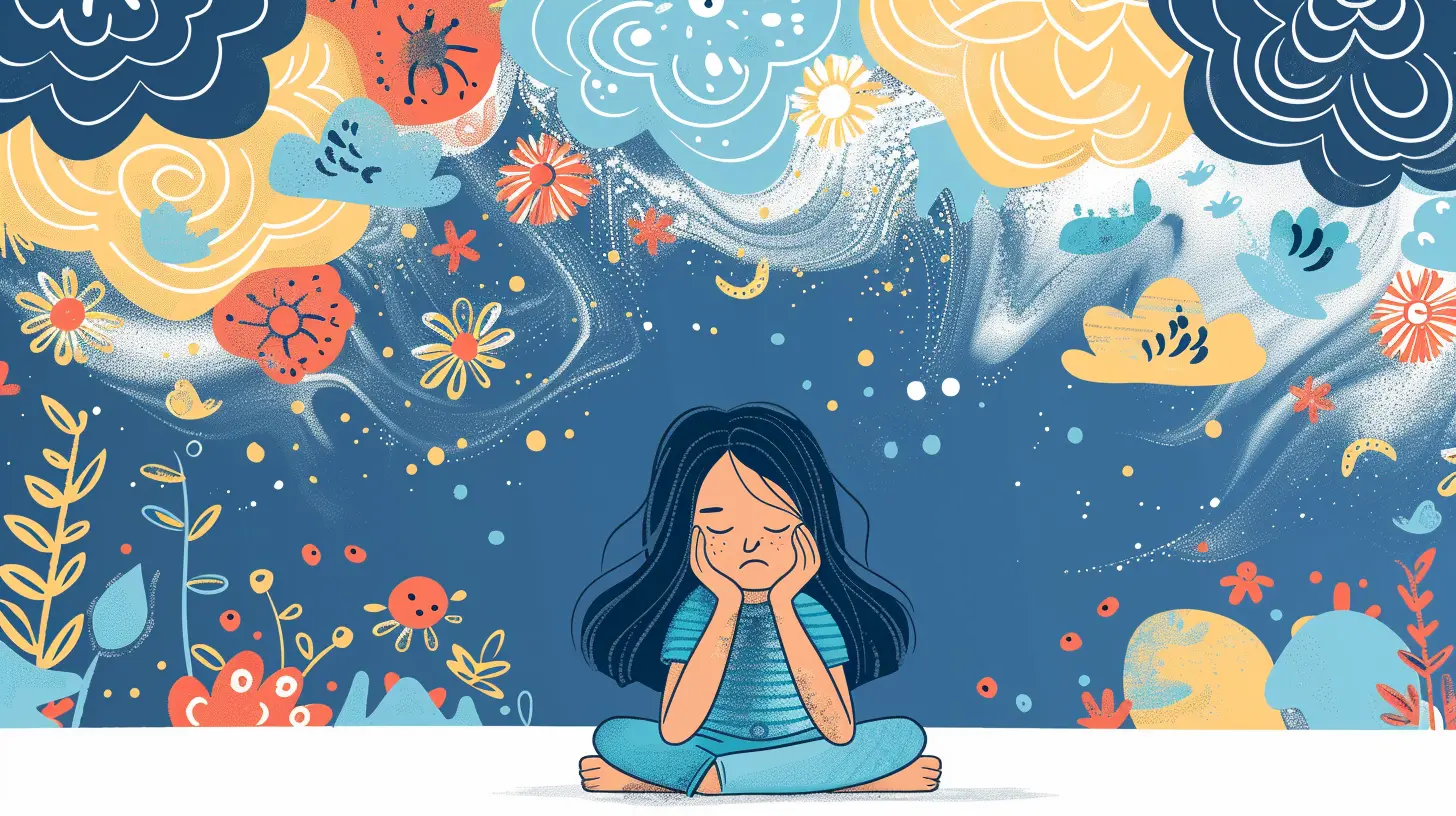
Creating a Safe Space for Your Child
1. Be an Emotion Detective
Sometimes kids don’t know they’re anxious—they might just feel “bad” or “weird.” Start by observing their behaviors and pointing them out gently. For instance, “I noticed you’ve been biting your nails a lot. Are you feeling nervous?” This approach gives them permission to recognize their feelings without judgment.2. Model Emotional Expression
Kids copy what we do. If you talk openly about your own feelings (“I had a stressful day, so I’m going to take a walk to help myself feel better”), they’ll learn that it’s okay to admit when they’re struggling.3. Avoid Minimizing Their Feelings
Phrases like “Calm down” or “Don’t worry about it” might come from a good place, but they can unintentionally dismiss your child’s concerns. Instead, try validating their emotions: “I understand why that would feel overwhelming. Let’s figure out how we can handle it together.”Helping Kids Express Their Anxiety
So, your child knows they’re feeling anxious—but now what? The goal is to help them express those feelings constructively, rather than letting them simmer under the surface.1. Introduce Feeling Words
For younger kids especially, understanding words like “worried,” “scared,” or “nervous” can be a game-changer. Try using books with emotional themes or even a “feelings chart” to teach them the vocabulary they need.2. Use Creative Outlets
Sometimes words aren’t enough. Encourage them to draw, paint, write, or even dance their feelings out. For a child who can’t quite articulate their thoughts, these activities can be a powerful release. It’s like journaling without the pressure of having to write an essay.3. Practice Deep Breathing and Mindfulness
Breathing exercises aren’t just for yoga classes—they’re perfect for kids, too! Teach them to take slow “belly breaths”: inhale for four seconds, hold for four, and exhale for four. Add a fun element by having them blow bubbles or pretend to blow out birthday candles while they practice.Mindfulness techniques, like imagining their favorite place or using sensory grounding exercises (“What are five things you can see right now?”), can also help shift their focus.
4. Role-Play Scenarios
Is your child worried about an upcoming event, like a school presentation? Practice at home! Pretend to be their audience and let them rehearse what to say. Role-playing can make scary situations feel manageable by giving them a sense of control.When to Seek Professional Help
Let’s be honest: sometimes, even the most attentive parent can only do so much. If your child’s anxiety is interfering with their daily life—like affecting their ability to attend school, make friends, or complete tasks—it might be time to loop in a professional.Therapists, counselors, or even school social workers can provide extra support through evidence-based techniques like Cognitive Behavioral Therapy (CBT). This doesn’t mean you’ve failed as a parent; it just means you’re getting the help your child deserves.
The Long-Term Benefits of Tackling Anxiety Early
Helping your child address their big feelings now does more than just get them through childhood. It lays the foundation for resilience, self-awareness, and emotional health as they grow. They’ll learn how to handle stress, adapt to challenges, and express themselves confidently.Think about it: isn’t teaching emotional intelligence just as important as teaching them how to read or ride a bike? It’s a life skill—one they’ll carry into adulthood.
Final Thoughts
Parenting an anxious child can feel overwhelming, but remember, you're not in this alone. By creating a safe space, teaching them how to express their feelings, and modeling healthy coping strategies, you’re giving them the tools they need to thrive. Sure, there will be tough days (and probably a few meltdowns), but every small step you take helps them build a foundation of emotional strength.So the next time your child experiences those “big feelings,” lean in. You don’t need to have all the answers—just being present and willing to listen makes all the difference.
all images in this post were generated using AI tools
Category:
Dealing With AnxietyAuthor:

Austin Wilcox
Discussion
rate this article
2 comments
Faye Frank
Thank you for this insightful article. Acknowledging and validating our children's feelings is crucial. Your tips will help parents create a safe space for open communication.
February 24, 2026 at 4:19 AM
Austin Wilcox
Thank you for your kind words! I'm glad you found the tips helpful for fostering open communication with children.
Julia Shaffer
This article offers valuable insights on helping children articulate their anxiety. By encouraging open conversations and validating their feelings, parents can foster emotional intelligence and resilience in their kids. Practical tips and strategies make it easier to support them during challenging moments. A must-read!
January 31, 2026 at 5:26 AM
Austin Wilcox
Thank you for your thoughtful comment! I'm glad you found the article helpful in supporting children with their anxiety. Encouraging open dialogue is key!