Teaching Your Teen How to Develop Healthy Coping Mechanisms
24 April 2026
Being a teenager is tough—let’s be real, it’s like trying to navigate a maze blindfolded with loud music blaring in the background. Hormones are raging, school is demanding, friendships are constantly shifting, and the pressure to figure out “who you are” feels like a heavy backpack they can’t take off. As parents, it’s our job to help our teens not just survive but thrive during these pivotal years.
One essential skill to teach your teenager is how to develop healthy coping mechanisms—tools they can lean on when life gets messy (because it will, let’s not sugarcoat it). Coping mechanisms are like the Swiss Army knife of emotional well-being. If they’re healthy, they empower your teen to handle stress, setbacks, and challenges. But if they’re unhealthy (think avoidance, substance abuse, or self-isolation), they can lead to long-term issues.
So, where do you even start? Let’s dive into practical ways you can guide your teen towards building healthy habits and emotional resilience.
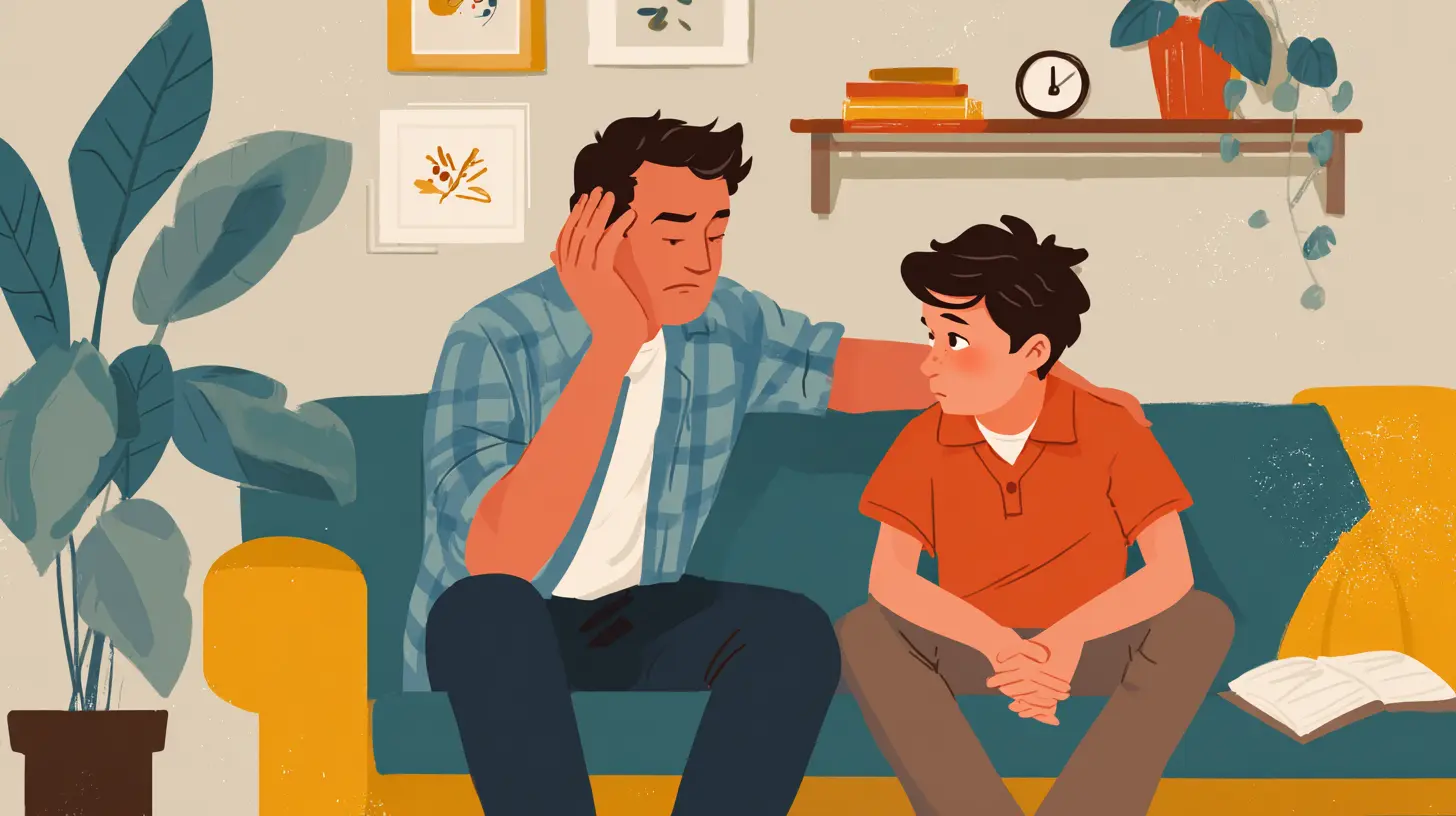
Why Do Healthy Coping Mechanisms Matter So Much?
Before you dive in, you need to understand why healthy coping mechanisms are crucial. Think of it this way: Life throws curveballs, and coping mechanisms are the gloves we use to catch them. Without solid gloves, those curveballs can easily knock us down.Teens who develop healthy coping skills are more likely to:
- Manage stress effectively.
- Bounce back from failures.
- Build stronger relationships.
- Take better care of their mental health.
- Avoid destructive behaviors like substance abuse or self-harm.
On the flip side, teens without healthy coping strategies might turn to temporary fixes that feel good in the moment but come with long-term consequences. That’s why teaching these skills early is one of the best gifts you can give them.
Start With an Open and Honest Conversation
First things first: talk to your teen about coping mechanisms. And no, I don’t mean the “lecture from the mountaintop” kind of talk. I’m talking about sitting down—maybe over a cup of coffee or during a car ride—and having an open, judgment-free conversation.Ask questions like:
- “What do you usually do when you feel stressed or upset?”
- “Has there been a time when something helped you feel better?”
- “Is there anything you want to try but haven’t yet?”
Be ready to listen (like, really listen). Teens aren’t going to spill their hearts if they feel judged or unheard. Sometimes, just giving them a safe space to talk is the first step towards helping them identify their stressors and start thinking about better ways to handle them.
Teach Them to Identify Their Triggers
Stress triggers are like sneaky ninjas—if you don’t know they’re there, they’ll get the best of you. Help your teen figure out what sets off their stress or negative emotions. Is it school deadlines? A toxic friendship? Social media FOMO?You can even encourage them to keep a journal to track their emotions. When they notice patterns, it’s easier to prepare for or avoid those triggers altogether. For example, if they know a big test freaks them out, they can try planning their study schedule in advance. Boom—trigger, managed.
Introduce Them to Healthy Coping Strategies
Here comes the fun part: showing your teen that they have a whole buffet of healthy coping mechanisms to choose from. It’s not a one-size-fits-all thing—what works for one person might not click with someone else. So, encourage them to try different strategies and see what fits.Here are some ideas to start with:
1. Physical Coping Mechanisms
When stress feels overwhelming, physical activity can work wonders. Exercise releases those feel-good endorphins and acts like a reset button for the brain.- Go for a walk, bike ride, or jog.
- Try yoga or stretching (even YouTube has great beginner videos).
- Dance it out to their favorite playlist (yes, even if it’s embarrassingly loud and TikTok-worthy).
- Punch a pillow (it’s better than punching a wall).
2. Creative Outlets
Art can be incredibly healing. Whether it’s painting, writing poems, playing music, or even baking cookies, creativity gives teens an outlet for their emotions.Sometimes, they don’t even need to share their work—it’s the process that matters. Encourage them to keep a private journal where they can vent or doodle away their feelings.
3. Mindfulness and Relaxation
Mindfulness is like hitting the pause button on life. Teach your teen how to slow down and be present in the moment.- Try simple breathing exercises (inhale for four seconds, hold for four, exhale for four).
- Download meditation apps like Headspace or Calm.
- Teach them progressive muscle relaxation (tensing and releasing muscles from head to toe).
These strategies are especially helpful during those moments when anxiety feels like it’s taking over.
Help Them Build a Support Network
No one should have to face life’s challenges alone—not even the most independent teen. Encourage your child to build a support network they can lean on. This can include:- Close friends who make them feel safe and understood.
- Trusted family members who they can talk to.
- Teachers, coaches, or school counselors.
And don’t forget to remind them that you’re part of that network too. Let them know they can come to you for help without fear of judgment. You’re not just their parent; you can also be their biggest cheerleader and confidant.
Model Healthy Coping for Them
Let’s be honest here—teens are like emotional sponges. They’re watching everything you do, even when it seems like they couldn’t care less. If you’re stressed and turn to unhealthy habits, they’ll notice. But if you practice healthy coping mechanisms, you’re setting an example for them to follow.Instead of bottling things up, talk to them about your own stress and how you manage it. For instance, say something like, “Work was overwhelming today, so I’m going to go for a walk to clear my mind.” By modeling healthy habits, you’re showing them it’s okay to feel stressed—but it’s also important to handle it in a constructive way.
Teach Them It’s Okay to Fail (And Try Again)
One of the most important lessons you can teach your teen is that it’s okay to fail. Life is full of trial and error, and coping mechanisms are no exception. If they try something and it doesn’t work, that’s not a reason to give up. It’s just a sign to try something else.Reinforce the idea that they don’t have to get it “perfect” right away. Remind them that even adults are constantly learning and evolving. By creating a safe environment where failure is a stepping stone rather than an end point, you’re helping them build resilience.
Encourage Professional Help When Needed
Sometimes, stress and emotional struggles go beyond what a parent or support network can manage alone. If your teen seems overwhelmed despite their efforts to cope, encourage them to talk to a therapist or counselor.Seeking help isn’t a sign of weakness—it’s a sign of strength and self-awareness. Normalize the idea of therapy in your home and let them know it’s okay to seek guidance from professionals who specialize in mental health.
Celebrate Progress, Not Perfection
Finally, remember to celebrate your teen’s efforts, no matter how small they may seem. Did they try journaling for the first time? Give them a high-five. Did they turn off their phone to focus on homework? That’s worth a compliment. Positive reinforcement goes a long way in showing them they’re on the right track.Building healthy coping mechanisms is a journey, not a one-time fix. By supporting them every step of the way, you’re helping them grow into emotionally resilient adults who can handle whatever life throws at them.
Final Thoughts
Teaching your teen to develop healthy coping mechanisms isn’t just about giving them tools for the short term—it’s about empowering them for life. It’s like planting seeds in a garden; with time, patience, and care, those seeds will grow into strong, resilient plants. Sure, there will be weeds and storms along the way, but with the right coping skills, they’ll learn how to weather the challenges and flourish.So, start small, be consistent, and remind your teen that you’re right there with them. After all, life might be complicated, but with the right coping mechanisms, they’ll be unstoppable.
all images in this post were generated using AI tools
Category:
Raising TeensAuthor:

Austin Wilcox
Discussion
rate this article
2 comments
Nyari Oliver
This article highlights the importance of guiding our teens in building coping skills. It's a journey that requires patience, understanding, and open communication.
May 3, 2026 at 3:28 PM
Austin Wilcox
I appreciate your insights. Guiding teens in coping skills is indeed a vital journey that benefits from our support and communication.
Beatrix Ford
Empower your teen by modeling healthy coping strategies and encouraging open, honest communication.
April 25, 2026 at 2:27 PM
Austin Wilcox
Absolutely. Leading by example and fostering a safe space for discussion are key to helping teens navigate their challenges.