The Benefits and Risks of Children's Apps Parents Should Be Aware Of
10 February 2026
Let’s be real—raising kids in the digital age is like trying to assemble IKEA furniture without instructions. Between viral dances, screen time battles, and the never-ending stream of new apps, it can get overwhelming. And while technology has its perks, when it comes to our kids, we can’t afford to scroll blindly.
With thousands of children’s apps available at just a tap, parents are faced with a tricky balancing act. On one hand, these apps can educate, entertain, and even help little ones build essential life skills. On the other—well, let’s just say not all glitter is gold. Some apps can expose kids to privacy risks, harmful content, and unhealthy screen habits.
So how do you, as a parent, navigate this digital jungle?
Grab a coffee (or tea—I don’t judge), and let's dive into the benefits and the risks of children's apps that every parent should know about. This isn’t about fear-mongering. It’s about empowering you to make smart choices for your family—because let’s face it, you already have enough on your plate.
The Bright Side: Why Some Kids’ Apps Are Total Game-Changers
Let’s not throw the tablet out with the bathwater. When chosen wisely, children’s apps can offer some serious benefits. Think of them as tools—they can build or break, depending on how (and how often) they’re used.1. Educational Value That Sticks
Those colorful apps your toddler swipes through? Many of them are packed with learning potential. From helping preschoolers recognize shapes and colors to guiding older kids through algebra, the right apps can make learning feel like playtime.Imagine your child mastering multiplication tables while racing a superhero through math-based obstacles. Sound more fun than a worksheet, right?
Some studies even suggest that interactive apps can improve memory retention and problem-solving skills, especially when learning is paired with engaging graphics and sounds.
2. Promotes Independent Learning
Ever notice how kids love doing things "all by themselves"? Educational apps tap into that natural desire for independence. They offer a chance to explore, make decisions, and learn at their own pace—no pressure, no grades, just curiosity.And the best part? You get a few guilt-free minutes to breathe, maybe even finish that coffee while it’s still hot!
3. Supports Kids with Special Needs
For children who have speech delays, autism, or learning difficulties, technology can be a lifeline. Many apps are specifically designed to help with communication, emotional regulation, and motor skills. Thanks to visual and interactive aids, even non-verbal children can express themselves in new, empowering ways.It’s like giving them a new set of tools to build their own bridges to the world.
4. Entertainment (That’s Not Mindless)
Let’s not underestimate the power of well-crafted entertainment. Apps with creative storylines, age-appropriate humor, and even light strategy games can stimulate young minds in meaningful ways. No, not all screen time is created equal—and yes, the right content can make a difference.So go ahead—let them play that puzzle game, especially if it keeps them off your freshly painted wall with crayons.
The Flip Side: Risks Parents Can’t Ignore
Of course, the internet isn’t all sunshine and rainbows. As much as we’d love to believe every developer has your child’s best interest at heart, that’s sadly not reality. For every quality app out there, there are ten more that are riddled with sneaky ads, questionable content, or just plain junk.Here’s what you really need to watch out for.
1. Privacy Concerns and Data Mining
Think your child’s playtime is innocent? Think again. Many apps collect way more data than they should—from location and browsing habits to recording audio through the microphone. Yes, really.Some apps even track user behavior to build marketing profiles, often without any real parental consent.
So what’s the deal? In many cases, it’s because these apps are free. You’ve probably heard it before, but it bears repeating: if you’re not paying for the product, you are the product—or in this case, your kid is.
Always read the privacy policy (yes, it’s boring, but worth it). Stick with apps that are transparent about data collection, don’t require unnecessary permissions, and are rated by trusted organizations.
2. In-App Purchases That Sneak Up on You
"I just wanted the rainbow unicorn!"—sound familiar?Many children's apps use freemium models. They lure kids in with bright colors and friendly characters, then start pushing paid add-ons. Before you know it, your child has racked up charges buying virtual coins, pets, or levels—all without realizing it’s real money.
It’s like giving your toddler access to your credit card at an online toy store. No good can come of it.
The solution? Enable parental controls. Better yet, choose ad-free, paid apps with solid reviews and no hidden costs.
3. Age-Inappropriate Content
App stores don’t always get it right when labeling what’s “kid-friendly." Some apps may include violence, suggestive themes, or scary imagery under adorable thumbnails. And don’t even get us started on user-generated content—it can be a wild west free-for-all.Even if the game looks innocent, always dig deeper. Read reviews, test the app yourself, or check sites like Common Sense Media before giving the green light.
4. Too Much Screen Time
Here’s the thing—apps aren’t bad in moderation. But when screen time starts replacing active play, face-to-face interaction, or sleep, it becomes a problem.Kids need balance. Their growing brains thrive on hands-on experiences, social connections, and physical movement—things no app can fully replace.
Using screen time as a “digital babysitter” once in a while? Totally fine. We’ve all been there. But letting it become Plan A, B, and C every day? That’s where issues start brewing.
What Parents Can Do: App-Savvy Tips for Smart Parenting
Take a deep breath—you don’t need to become a cybersecurity expert to protect your kids. Just a few mindful steps can go a long way.1. Be Present, Not Just Policing
Yes, it’s important to monitor what your kids are doing. But even more powerful? Sitting down and using the app with them. Ask questions. Show interest. Talk about what they liked, or what confused them.It’s like looking at a storybook together, except it's digital. This shared experience strengthens your bond and gives you insight into their interests.
2. Use Parental Controls Wisely
Both iOS and Android offer solid parental control features. You can limit downloads, block content by age rating, and even set screen time limits.Bonus tip: use app timers or schedules instead of flat-out bans. Kids are much more receptive when they’re working with boundaries instead of against them.
3. Check Ratings and Reviews—Every Time
Before hitting "install," do your homework. Trust but verify. Reviews from other parents offer valuable insights. Look for red flags like excessive ads, unrealistic age ratings, or unwanted social features.Stick to trusted developers and avoid sketchy, no-name apps that seem hastily thrown together.
4. Encourage Tech-Free Activities Too
Don’t demonize screens—it’ll only make them more appealing. Instead, create a healthy variety. Schedule regular tech breaks, go outdoors, cook together, build a fort (blankets and all). Show them the world beyond the swipe.Remember, you set the tone for how tech is used in the home.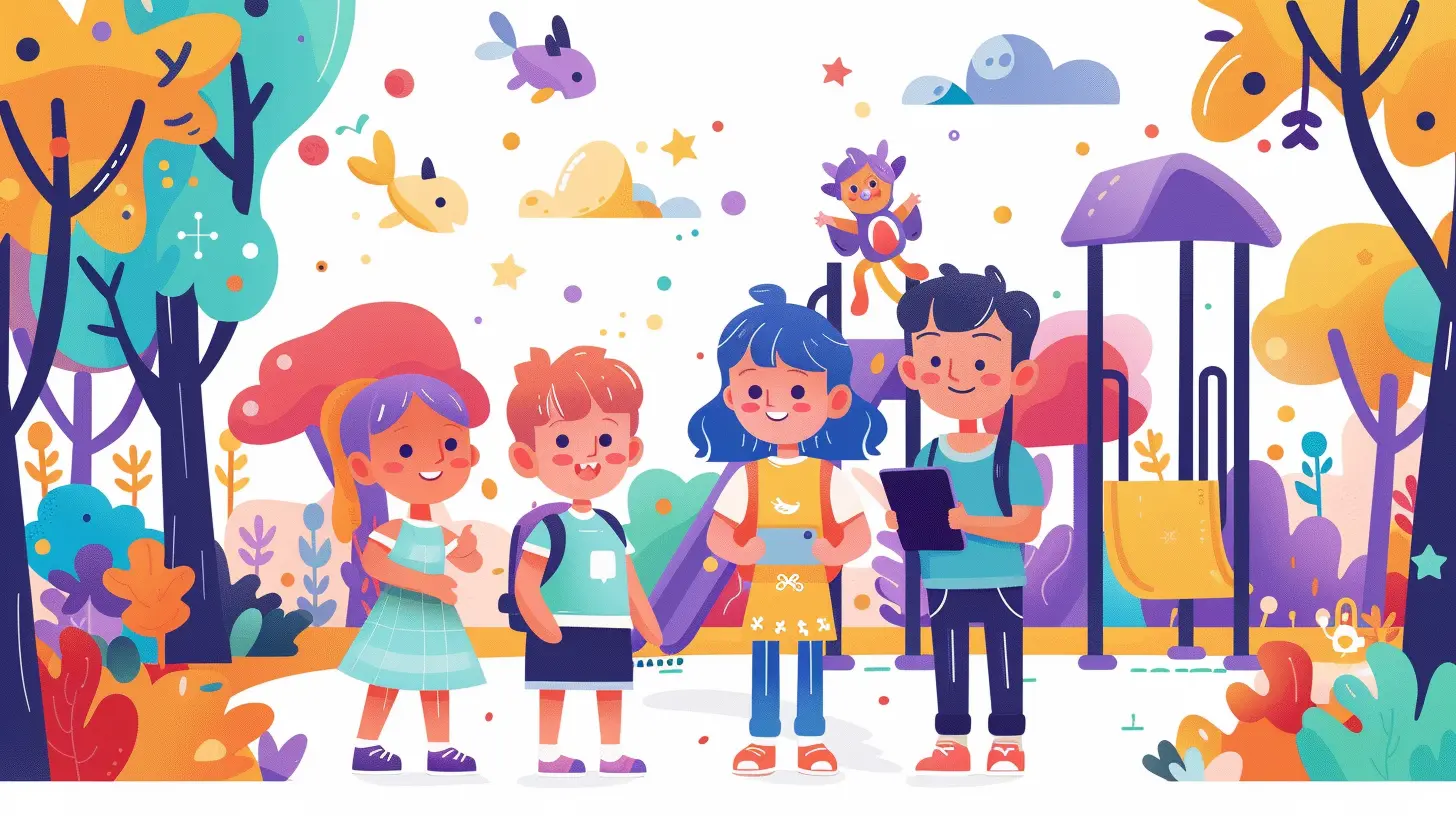
A Quick Word on Mental Health
This one’s close to the heart. Some apps can foster unrealistic comparisons or overstimulate children to the point of anxiety. If your child seems withdrawn, irritable, or overly emotional after using certain apps, it’s time to take a closer look.Talk to them. Don’t just ask what they saw in the app—ask how it made them feel. And trust your gut. You know your kid better than any algorithm out there.
Final Thoughts: It’s All About Balance
Here’s the truth: there’s no one-size-fits-all formula. Every child is different, every family unique. What works for one might not work for another.But here’s what’s universal—our kids need guidance. The same way we teach them to look both ways before crossing the street, we need to teach them how to navigate the digital world safely and confidently.
Apps aren’t going anywhere. And honestly? They shouldn't. With the right mindset, the right tools, and a dash of common sense, you can harness the good, dodge the bad, and turn screen time into something meaningful.
So next time your kid asks, “Can I download this one?”, you’ll be ready with the knowledge, the confidence, and maybe even a yes.
And hey, that’s a win in any parent’s book.
all images in this post were generated using AI tools
Category:
Online SafetyAuthor:

Austin Wilcox
Discussion
rate this article
2 comments
Oriana Duffy
Great article! It's so important for parents to understand both the benefits and risks of children's apps. Balance and awareness make all the difference!
March 4, 2026 at 5:21 AM
Austin Wilcox
Thank you for your thoughtful comment! I completely agree—balance and awareness are key for parents navigating children's apps.
Vera Kline
Navigating screens with care, we find balance sweet and rare.
February 15, 2026 at 4:31 PM
Austin Wilcox
Thank you for your thoughtful comment! Striking a balance in screen time is indeed crucial for our children's well-being.