The Benefits of Floor Play in Infant Physical Development
11 February 2026
When your baby is tiny and squishy, it’s easy to feel like the couch, bassinet, or your arms are the safest places. But here’s the thing — putting your baby on the floor (safely and supervised, of course) is one of the best things you can do for their growth. Yep, that good old floor you might think is just for rolling around toys and stepping over baby blankets is actually a powerhouse for infant development.
In this article, we’re diving into why floor play matters, how it helps with physical milestones, and practical tips to make floor time fun and beneficial for both you and your baby. So grab your soft play mat and let’s get into it!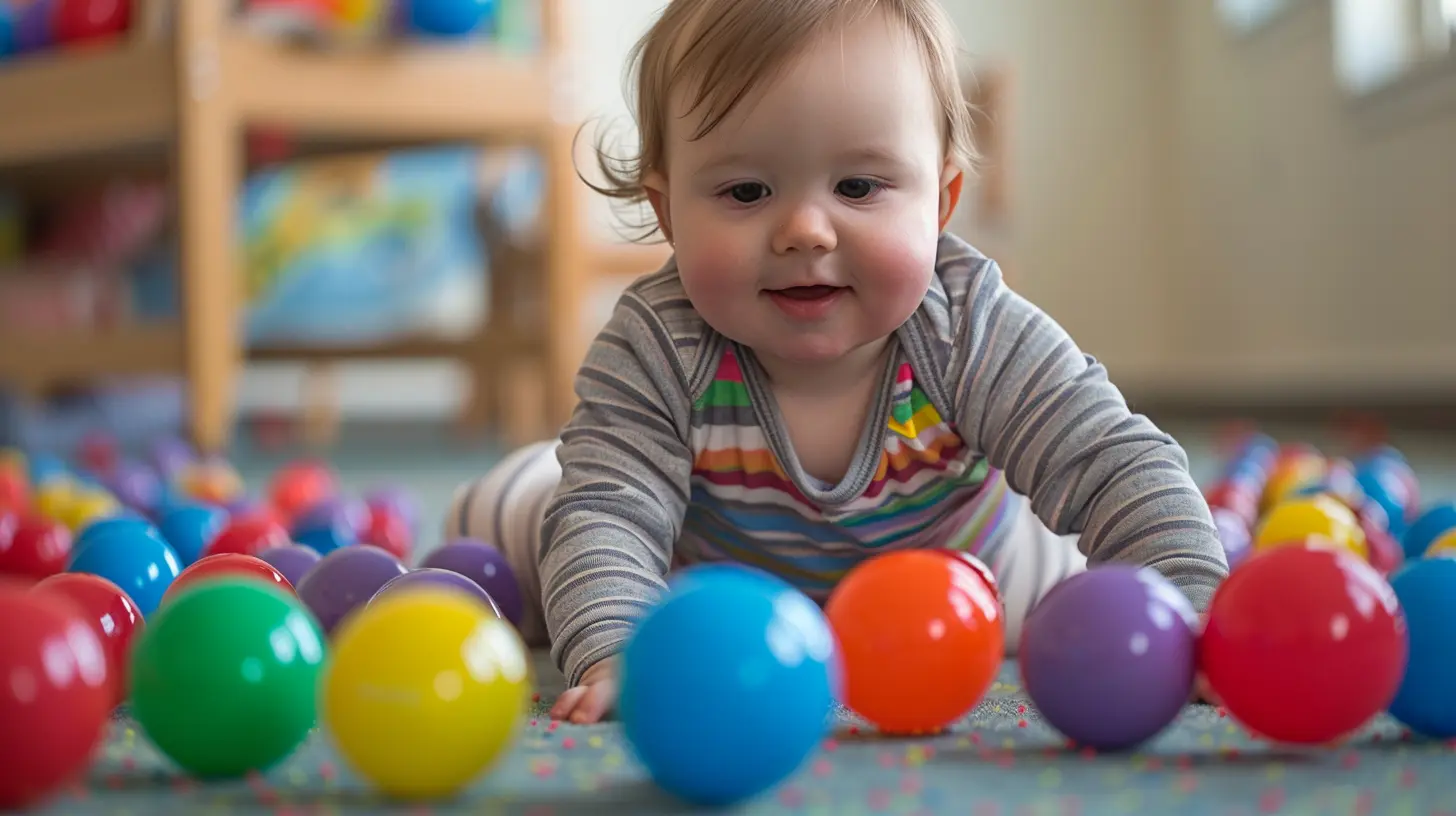
What is Floor Play, Exactly?
Let’s start with the basics.Floor play is simply letting your baby spend time on the floor — lying on their back, tummy, or even side (depending on their age and development stage). It typically involves a safe, flat surface like a padded playmat or a clean rug, where your little one can move freely and explore.
Sounds simple, right? But it’s a game changer for physical development.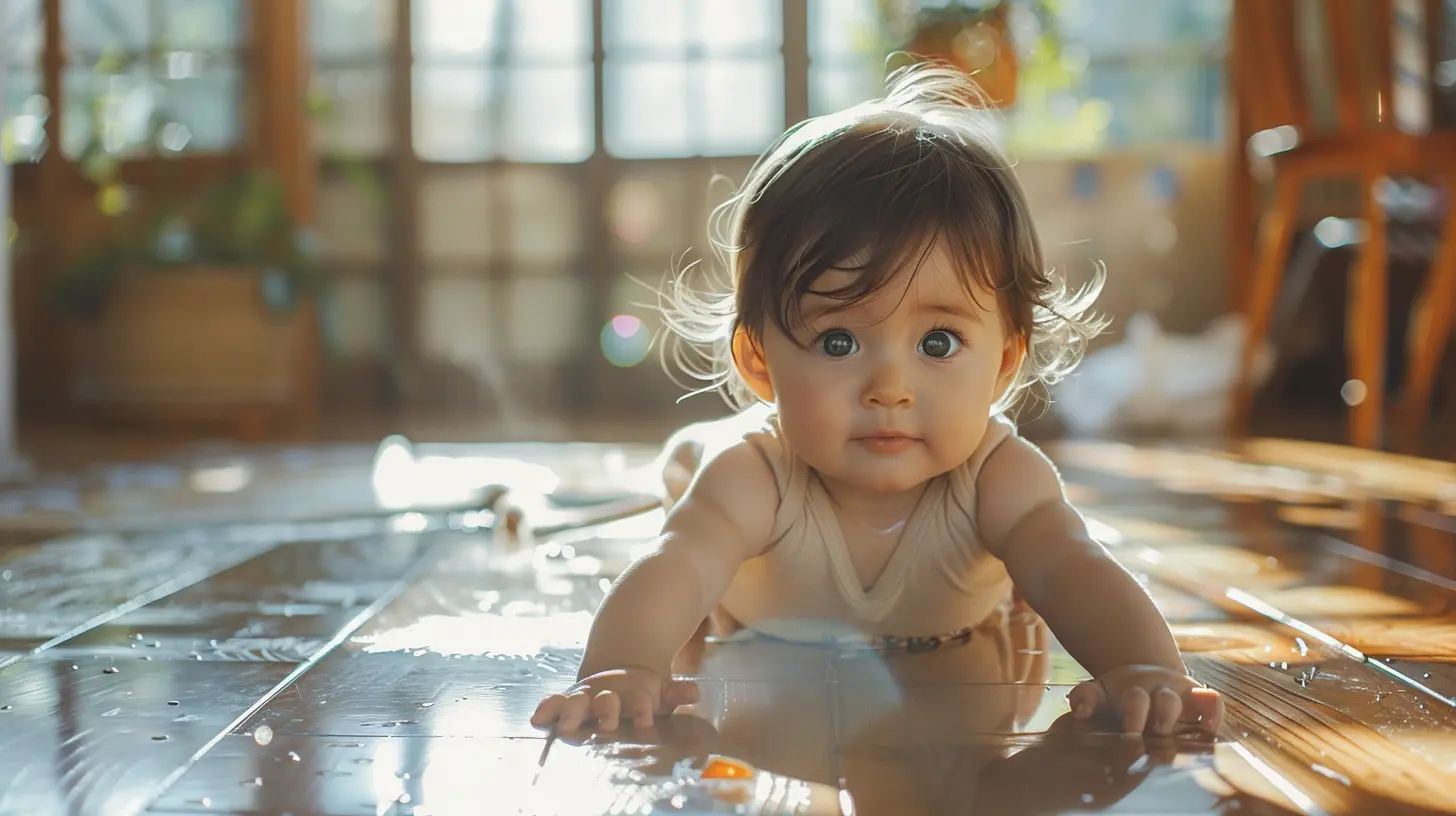
Why Floor Play Matters So Much
We’re not exaggerating when we say that floor play is foundational. Literally. It builds the groundwork for all the big physical skills your baby will eventually do: crawling, sitting, standing, and walking.Let’s break it down.
1. Boosts Motor Skills (Big and Small)
When babies are on the floor, they have fewer restrictions. They can stretch, kick, roll, push up on their hands — basically all the stuff that helps with gross motor skills (think big movements like crawling and sitting).At the same time, when they reach for a toy or explore textures on the mat, they’re working those delicate fine motor skills too. That’s a double win!
Example: Have you seen how a baby swats at a dangling toy? That’s coordination in the making.
2. Encourages Muscle Strength and Control
Babies weren’t born with washboard abs — trust me. They need to build up those core muscles to hold their heads up, roll over, sit, and eventually walk. Floor play gives them a chance to engage muscles in their neck, back, arms, and legs — without the help of bouncers or swings.Especially with tummy time, your baby learns to lift their head and chest, which strengthens the neck and upper body.
Think of it like baby yoga — except with more drool and adorable grunts.
3. Supports Sensory Development
The floor is one giant sensory world for babies. Different textures, toys, lights, and sounds help stimulate their senses.Babies use all their senses to understand their bodies and surroundings. When they're on the floor, they experience touch, pressure, resistance, and even temperature — all of which help them develop body awareness and spatial orientation.
You could say the floor is their very first classroom.
4. Promotes Independence
Now, we’re not suggesting popping your 3-month-old on the floor and walking away to make dinner. Supervision always matters. But floor play plants the seed for independent movement and exploration.As babies start to scoot, pivot, or crawl, they learn that they can move their bodies without help. That gives them a huge confidence boost and builds the foundation for problem-solving and curiosity down the line.
It’s like watching them realize: “Whoa—I can get there on my own?!”
5. Prevents Flat Head Syndrome
Okay, this one’s important. Babies spend a lot of time lying on their backs — in cribs, swings, car seats. While that’s necessary for safe sleep, it can sometimes lead to flat head syndrome (plagiocephaly), where part of their head flattens due to prolonged pressure.Floor play, especially tummy time, helps relieve that pressure and gives their head a break. Plus, it encourages movements that naturally keep their head round and their neck strong.
So yes — you’re not just helping them grow, you’re protecting their little noggins too.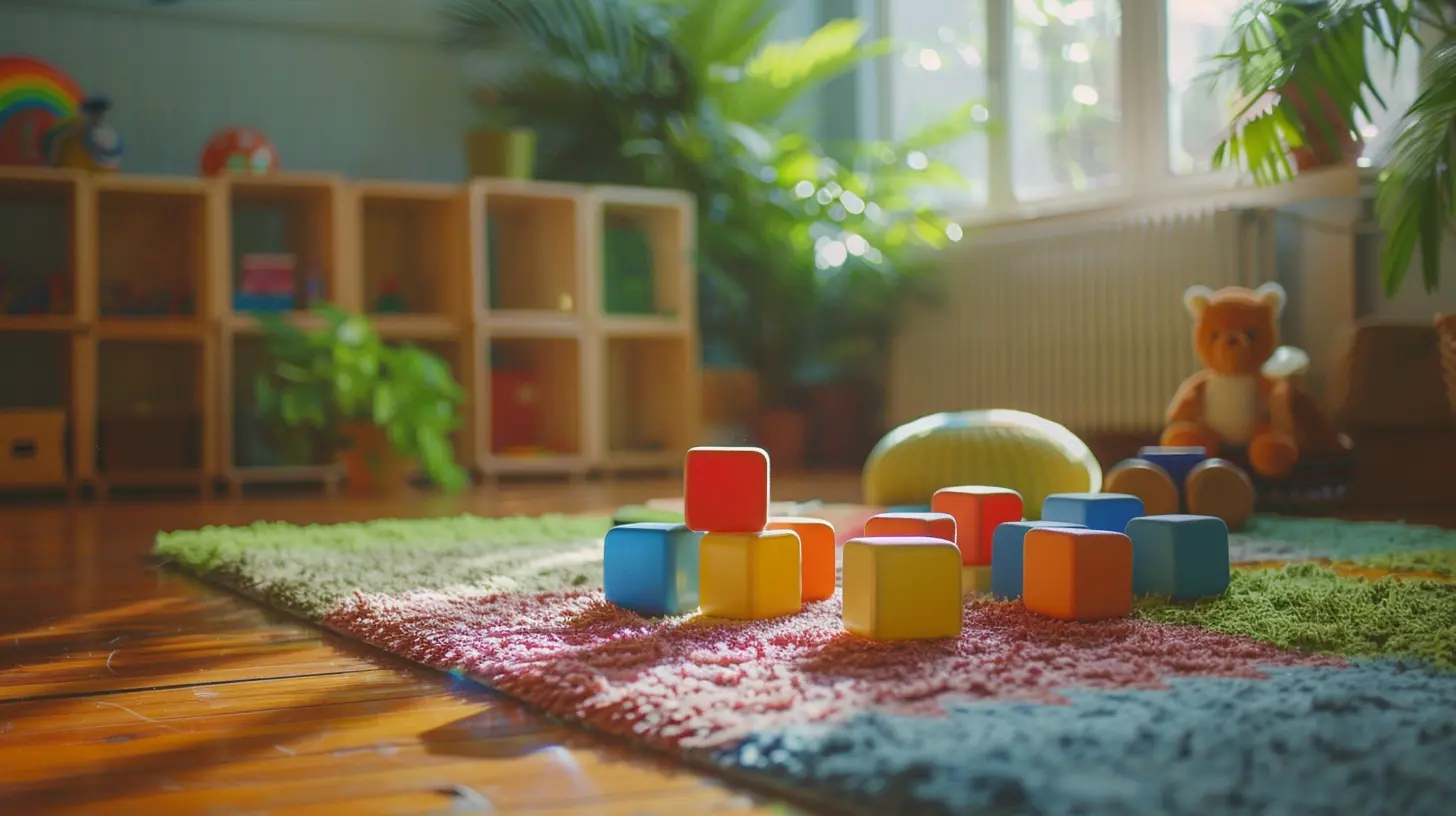
The Best Types of Floor Play for Each Stage
Let’s talk practical. Depending on your baby’s age, the kind of floor play they need — and love — can vary. Here's how to tailor it as they grow.Newborns (0–2 months): Gentle & Supervised
At this stage, babies have limited mobility, but they're soaking up everything. Begin with very short bouts of tummy time, just a few minutes after diaper changes. Place them on a firm, flat surface and lie next to them to offer encouragement.Try using a rolled-up towel under their chest for support, or lay them on your chest so they get a taste of tummy time with your heartbeat close by.
🎯 Goal: Build neck strength and prevent stiffness or flat spots.
Young Infants (3–6 months): Rolling & Reaching
This is when things start getting lively. Your baby may begin rolling from tummy to back, reaching with purposeful movements, and even lifting their chest like a tiny baby cobra.Offer colorful toys just out of reach to encourage movement. Mirrors are magic at this stage — babies love looking at themselves (and it helps teach self-awareness).
🎯 Goal: Encourage rolling, hand-eye coordination, and muscular endurance.
Older Infants (6–9 months): Scooting & Sitting
Now your baby is becoming an explorer. They may sit without help, push up on all fours, or begin scooting and pivoting to grab toys.Set up small play zones with various textures and toys to stimulate their senses. You can also introduce soft tunnels and cushions they can crawl over or around.
🎯 Goal: Build core strength, balance, and mobility.
Pre-Toddlers (9–12 months): Crawling & Cruising
The world just got a whole lot bigger. Babies in this stage are crawling, pulling themselves up, and maybe even standing on their own.Give them space to move! Encourage crawling by placing toys under couches or near low furniture. Use safe obstacles like pillows to help them navigate and practice motor planning.
🎯 Goal: Strengthen the entire body in preparation for walking.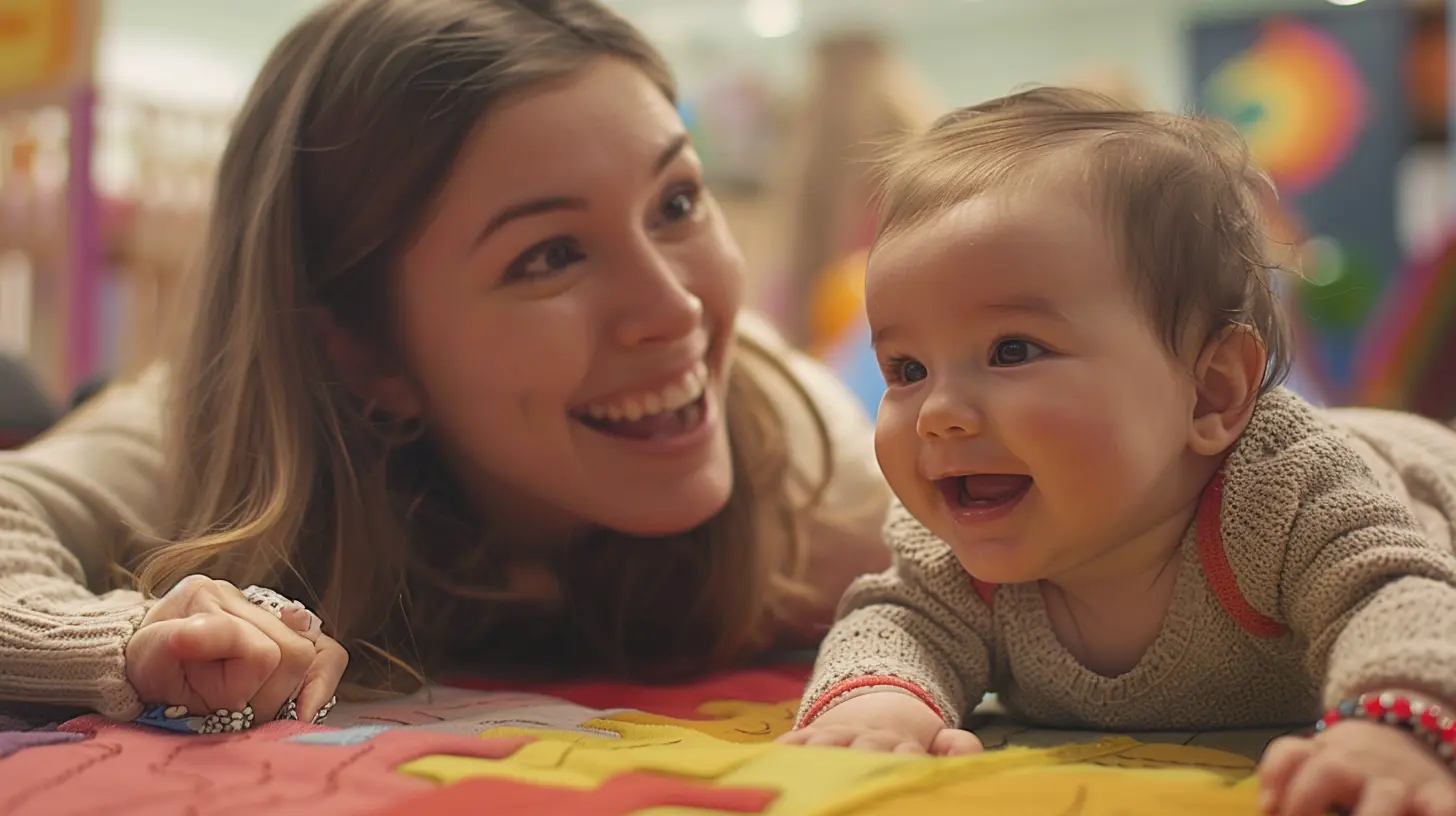
Safety Tips for Floor Play
Before you put your baby on the floor and sing “Let’s Get Physical,” let’s make sure it’s a safe experience.- 🧼 Always check cleanliness — A fresh, clean mat or baby-safe rug is key.
- 🧸 Choose soft, safe surfaces — No sharp corners or hard floors!
- 👀 Supervision is non-negotiable — Always stay close and engaged.
- 🐶 Keep pets and older siblings in mind — Even the friendliest pup can be overwhelming for a 3-month-old.
Also, don’t worry if your baby fusses a bit during tummy time. It’s new, and like anything new, it takes getting used to. Start small and celebrate each little win.
Making Floor Play Fun (For You and Baby)
Floor play doesn’t have to be a chore. In fact, it’s a great bonding time.- 🧺 Lay out different toys and rotate them every few days to keep things fresh.
- 🎶 Play music or sing songs during play — babies love rhythm and sound.
- 🤗 Get down on their level — face-to-face play is not only fun, it’s reassuring.
And yes, your phone can wait. These moments aren’t just about development — they’re also about connection.
Common Questions Parents Ask
Q: How much floor play does my baby need?A: Start with a few short sessions each day. Even 2-5 minutes a few times a day for newborns is great. Build up over time as your baby gets stronger and more confident.
Q: What if my baby hates tummy time?
A: Totally normal. Start with chest-to-chest tummy time or use a mirror to entertain them. Consistency is key!
Q: Is floor play better than swings or activity centers?
A: Most pediatricians and therapists recommend limiting time in devices that restrict movement. Floor play offers freedom, which is essential for natural development.
The Long-Term Payoff
You might be wondering, “Will any of this really matter in the long run?”Absolutely.
The skills your baby builds on the floor — balance, strength, coordination, problem-solving — are the same skills they’ll use when they start walking, climbing, playing sports, and even reading. Physical development and cognitive development go hand in hand, and it all starts with these small, squirmy moments on the ground.
So, the next time you unroll that play mat or set your baby gently on the rug, remember — you’re not just giving them a play break. You’re giving them a head start.
Now that’s powerful parenting.
Final Thoughts
Floor play is one of the easiest — and most impactful — things you can weave into your daily routine. Not only does it support your baby’s physical development, but it also gives you both precious time to connect, bond, and celebrate milestones together.No fancy gear or tech required. Just your baby, the floor, and a little bit of time. And trust me, the rewards are well worth it.
So, get down on the floor and enjoy every wriggle, roll, and belly laugh. Your baby’s body, brain, and heart will thank you.
all images in this post were generated using AI tools
Category:
Infant DevelopmentAuthor:

Austin Wilcox
Discussion
rate this article
2 comments
Heidi Phelps
Floor play fosters essential motor skills and cognitive development, laying a strong foundation for infants.
March 7, 2026 at 4:49 AM
Austin Wilcox
Thank you for your insightful comment! I completely agree—floor play is crucial for both motor skills and cognitive growth in infants.
Sara McAndrews
Floor play is crucial for infant physical development, promoting muscle strength, coordination, and spatial awareness. Engaging in tummy time encourages exploration and fosters motor skills. Additionally, it supports cognitive growth through sensory experiences, laying a strong foundation for future mobility and learning. Prioritize floor time for holistic development.
February 20, 2026 at 6:01 AM
Austin Wilcox
Thank you for highlighting the importance of floor play! Your insights on its role in promoting physical and cognitive development are spot on. Prioritizing tummy time truly sets the stage for a child's growth and exploration.