The Connection Between Chores and Emotional Maturity
29 July 2026
If you’ve ever stepped on a stray LEGO piece in the middle of the night, you probably understand the chaos that kids can bring into a household. Parenting comes with its challenges, but one thing is clear—chores can be an absolute game-changer. Not just for maintaining a clean home, but for raising emotionally mature kids. Yes, you read that right. Those seemingly mundane tasks, like setting the dinner table or folding laundry, do a lot more than teach kids responsibility. They’re like tiny stepping stones leading toward emotional growth and maturity.
Let’s dive into why chores are so much more than just “to-do” lists for kids and how they shape the emotional intelligence of your little ones (and yes, even teenagers). 
Why Chores Matter More Than You Think
Wouldn’t it be easier to do the dishes yourself or throw those socks in the laundry without the back-and-forth debate with your child? Probably. So, why bother assigning chores? Because chores are like life’s ultimate crash course in emotional development—they teach responsibility, teamwork, empathy, and resilience in ways that nothing else can.Think about it. When kids contribute to the daily functioning of a household, they start to see themselves as an essential part of a team. This sense of belonging fosters confidence and a stronger connection to their family. Plus, the discipline and accountability they gain? That’s emotional maturity in action. 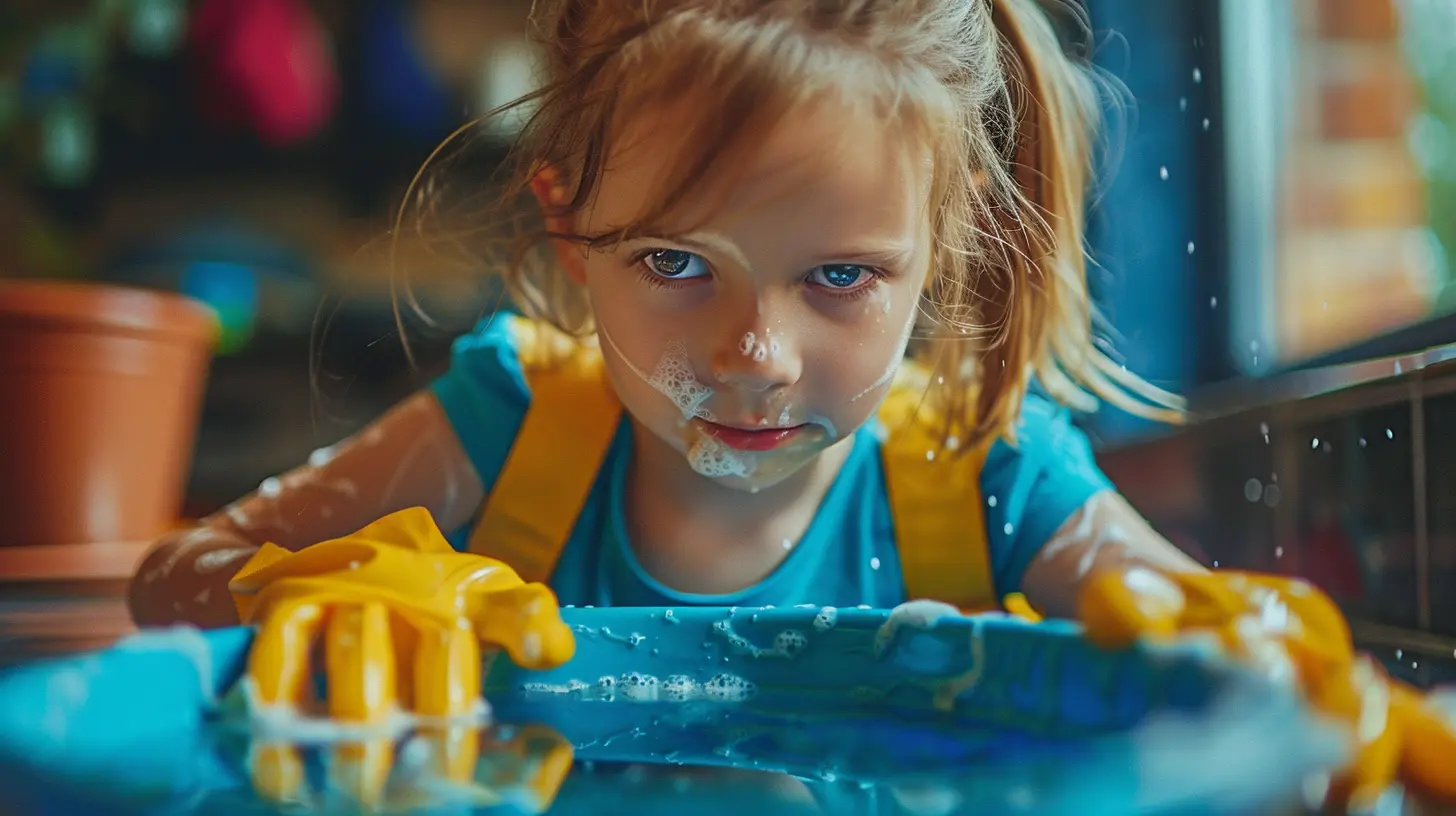
The Link Between Chores and Emotional Maturity
1. Chores Teach Responsibility and Accountability
Remember the first time your kid spilled juice all over the floor and just walked away, oblivious to the mess? Assigning chores like wiping spills or putting toys away helps kids internalize cause and effect. They learn that their actions—whether good or messy—have consequences.When your child takes charge of their tasks, they realize they’re responsible for more than just themselves. It’s not about demanding perfection; it’s about cultivating a mindset where they say, “Okay, this is my job, and I’ll handle it.” Isn’t that the kind of emotional strength we want them to carry through life?
2. Chores Build Empathy and Teamwork
Have you ever watched your child help a sibling pick up toys? It’s heartwarming, right? That’s empathy in action. When kids work together on household tasks, they begin to see the bigger picture. They get to experience how their efforts help lighten the load for everyone else in the family.Imagine your kid feeling genuinely proud that they made dinner clean-up easier for you after a long day. That shared responsibility builds a sense of connection and emotional awareness. They begin to step into your shoes a bit, understanding that life isn’t always about “me, me, me.”
3. Chores Develop Resilience and Patience
Let’s be real—kids don’t always enjoy chores. (Honestly, who does?) Scrubbing the bathroom mirror or gathering smelly socks might even spark a meltdown or two. But, here’s the silver lining: by sticking with their tasks, they develop resilience.We live in a world of instant gratification, but chores? They’re the ultimate antidote to that. They teach kids to work toward a goal, even when the process isn’t fun. It’s the same kind of grit they’ll need when facing challenges at school, work, or personal relationships as they grow older.
4. Chores Help Kids Build Time Management Skills
Let’s say your child’s chore is to feed the dog every morning. What happens if they forget? Fido’s growling stomach becomes an immediate reminder that they dropped the ball. Chores teach kids the importance of managing their time and prioritizing tasks.This skill goes hand-in-hand with emotional maturity because it teaches kids how to balance responsibility without becoming overwhelmed. They start to recognize, “If I get this done now, I have time to relax later.” That’s a life skill they’ll thank you for one day. 
How to Get Kids Involved in Chores (The Fun Way)
Alright, so you’re sold on the idea of chores building emotional maturity. But how do you actually convince your kids to do them without a full-blown rebellion? Spoiler alert: It doesn’t have to be a battle.1. Start Small
No, your 5-year-old doesn’t need to be scrubbing the toilets just yet. Start with tasks that are age-appropriate. For young kids, this might mean picking up toys or putting dirty clothes in the hamper. For older kids, it could be mowing the lawn or helping with meal prep.2. Use Positive Reinforcement
Kids thrive on praise. Instead of focusing on what they didn’t do perfectly, celebrate their efforts. A simple “Thanks for setting the table tonight—it really helped me out” can work wonders.3. Make It a Game
Turn chores into a race or a fun challenge. Who can match the most socks in five minutes? Who’s the fastest at wiping the counters? Incorporating play makes chores feel less like a punishment and more like a fun family activity.4. Lead by Example
Let’s be honest, kids are always watching you, even when you least expect it. If they see you grumbling about chores, they’ll follow suit. But if you tackle tasks with a good attitude (or at least fake it well), they’re more likely to mirror that behavior.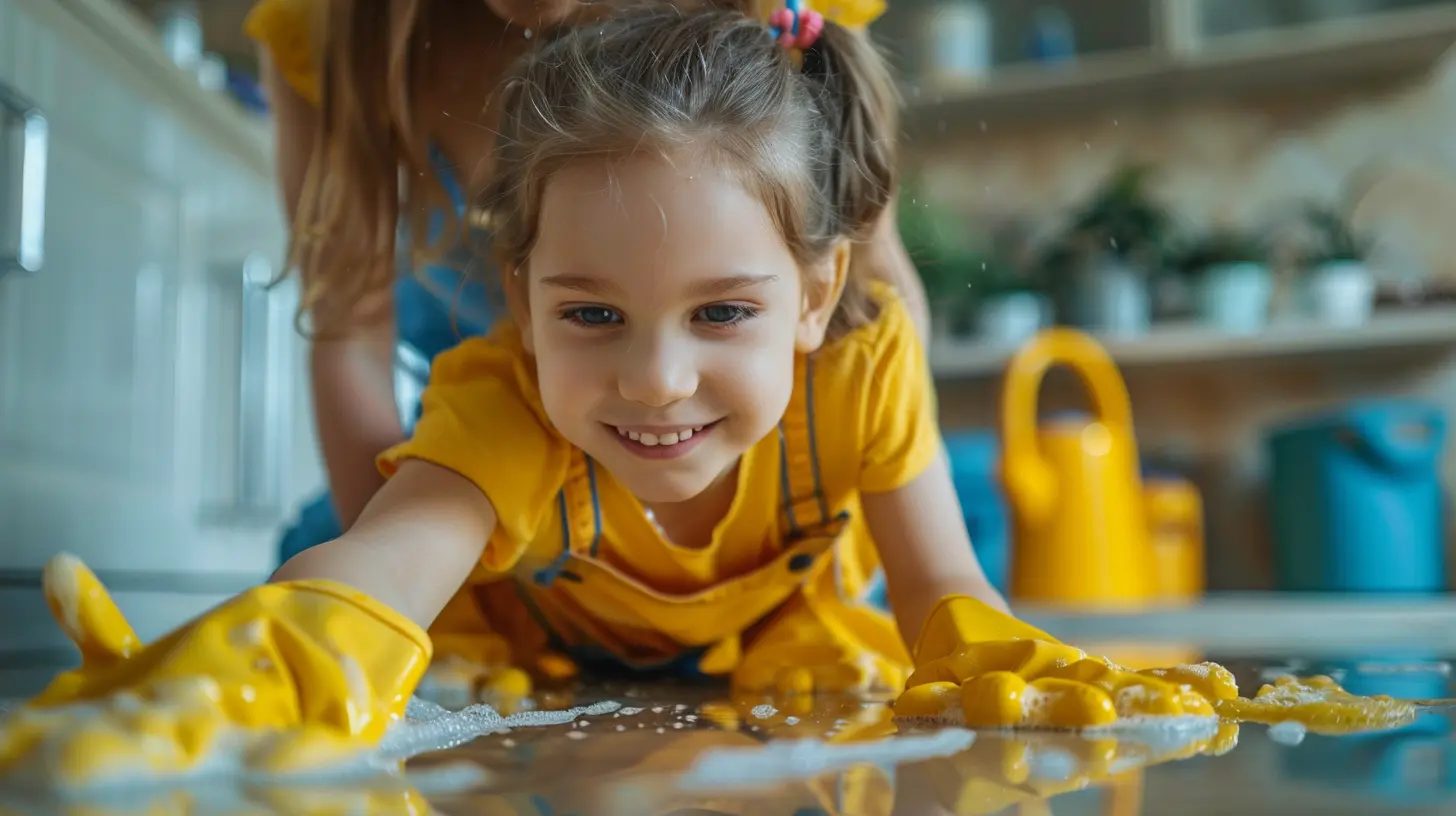
The Long-Term Benefits of Chores
We’re not just talking about a cleaner house here. The emotional benefits of chores last a lifetime. Kids who grow up with responsibilities tend to be more independent, empathetic, and resilient as adults.They’re better equipped to handle challenges because they’ve already developed problem-solving skills and a sense of accountability. Plus, they’re more likely to maintain strong relationships since they’ve learned to work with others and consider the needs of those around them.
Ultimately, giving your kids responsibilities at home is like planting seeds for their future success. Sure, it may take a little extra patience and effort on your part now, but the payoff? Totally worth it.
Common Myths About Chores and Kids
Before we wrap up, let’s bust some common myths that often deter parents from assigning chores:- Myth #1: “Kids should just focus on being kids.”
Kids can still have plenty of playtime while contributing to the household. In fact, chores can even teach them how to balance work and play.
- Myth #2: “Chores are too stressful for kids.”
On the contrary, chores help build coping mechanisms and teach kids how to manage stress in a productive way.
- Myth #3: “I can do it faster myself.”
Sure, you might be quicker, but the goal isn’t efficiency—it’s emotional growth. Your extra time investment now pays off big in the long run.
Final Thoughts
Parenting is all about preparing your kids for the real world, and chores are one of the simplest yet most effective tools to get them there. They’re like a hidden curriculum for life, teaching your kids how to be responsible, empathetic, and emotionally resilient.So the next time you’re tempted to pick up after your child or skip the whole “chore talk,” take a step back. Remember, you’re not just keeping your house in order—you’re molding someone who understands the value of hard work, teamwork, and emotional growth.
Because let’s face it. Life is messy, and sometimes the best way to grow is by learning how to clean it up—one chore at a time.
all images in this post were generated using AI tools
Category:
Chores For KidsAuthor:

Austin Wilcox
Discussion
rate this article
1 comments
Lisette Turner
Who knew scrubbing floors could be a secret path to deep conversations about feelings? Next time your kid is cleaning, sneak in some life lessons. It's like multitasking for the soul-clean and grow at the same time. Win-win!
July 29, 2026 at 3:18 AM