The Effects of Over-Scheduling Your Child’s Life
6 January 2026
Let’s face it—parenting today feels like you’re stuck in a real-life game of Tetris… but instead of colored blocks, you're juggling swimming lessons, piano practice, soccer, robotics club, tutoring sessions, and let’s not forget the all-important unicorn-themed birthday parties. Somewhere in the rush, you realize your 8-year-old has a busier Google Calendar than you do. Welcome to the overscheduled childhood era.
Is it just me, or have we started confusing “opportunity” with “overload”?

When Extracurriculars Become Extra-Everything
Now don’t get me wrong—activities are great. They teach kids teamwork, time management, discipline, and it's a good excuse to get them off screens. But when every minute is scheduled, lunch has to be eaten in the car, and bedtime stories are replaced with “just one more worksheet,” you’ve crossed into over-scheduled territory.Imagine this: you’re trying to microwave dinner while helping with homework, while packing tomorrow’s soccer gear, while reminding your child not to eat glue (again). You look over and your kid is frazzled, frustrated, and possibly trying to invent a time machine to take them back to simpler days—like preschool.
Quick Reality Check: Who’s It All For?
Here’s a spicy little truth bomb for you: sometimes we pack our kids’ schedules not for them, but for us. Maybe it’s guilt. Maybe it’s competition with that parent who says things like, “Oh, we just do violin, fencing, organic pottery, and Mandarin immersion by 5 PM.” Maybe we’re just scared that if we don’t do all the things, our kid will fall behind.But when their day is more packed than a can of Pringles, we have to ask—are we helping, or are we hurting?
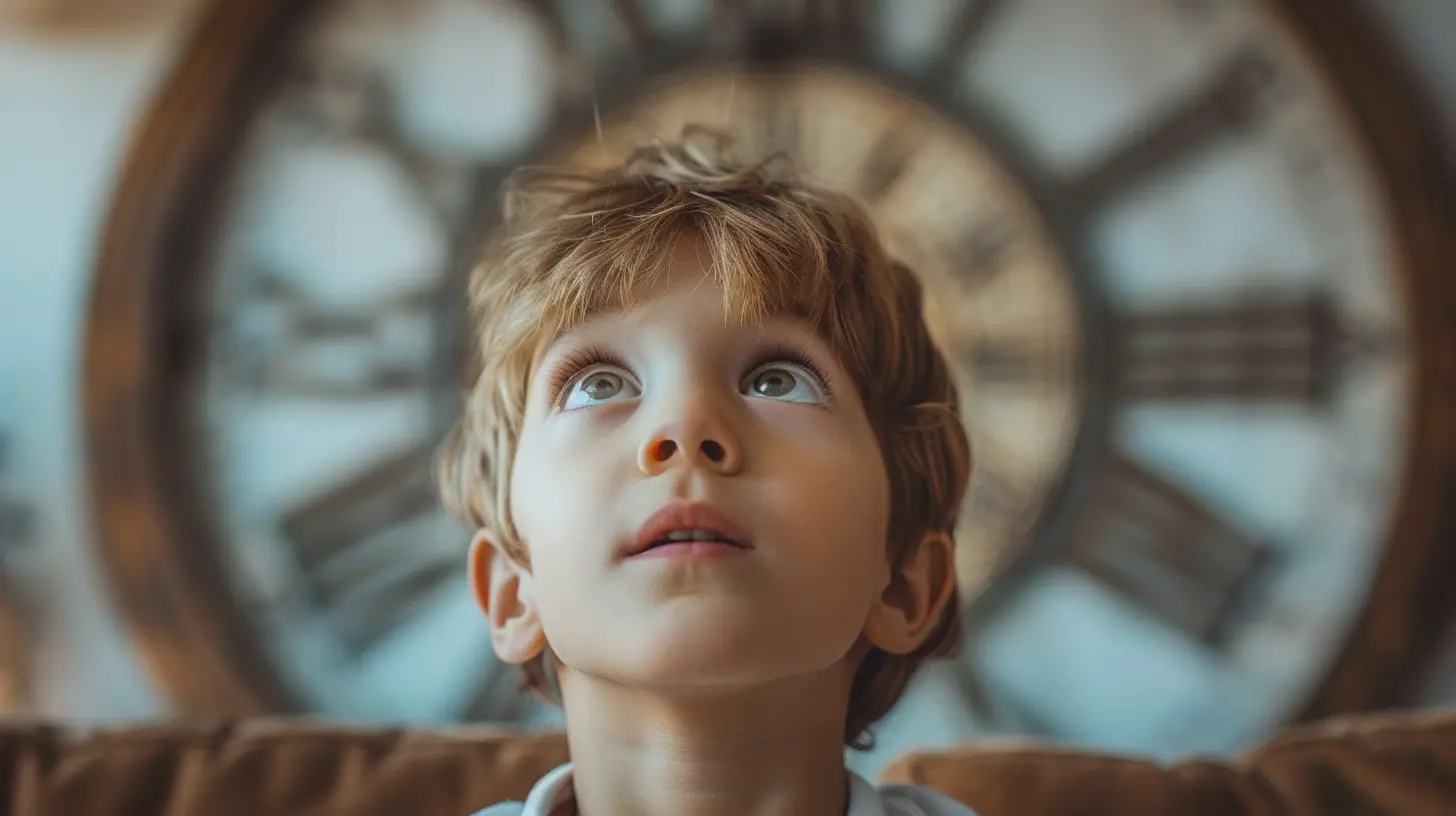
The Not-So-Funny Side Effects of Over-Scheduling
Let’s dive into what really happens when we forget that kids are humans, not productivity robots in training.1. Burnout is Real… Even for Kids
You thought burnout was reserved for grown-ups sipping lukewarm coffee and contemplating quitting their job to become a goat farmer? Nope. Kids can totally burn out too. When every hour is accounted for and downtime is non-existent, children may start showing signs like:- Constant fatigue
- Irritability (a.k.a. meltdown city)
- Lack of motivation
- Trouble sleeping
- Headaches or stomachaches for “no reason”
If your kid’s main hobby is fantasizing about naps, Houston, we have a scheduling problem.
2. Sayonara, Creativity and Boredom (The Good Kind)
Here’s the kicker: kids need boredom. I know, I know—it’s hard to tolerate when they say, “I’m bored” for the 73rd time in an hour. But boredom is the birthplace of creativity. It’s where make-believe castles, invented languages, and duct-tape fashion lines come from.When every moment is directed by an adult-led activity, their imagination doesn’t get to stretch its legs. It’s like going to the gym and only working out your left pinky toe. Not helpful.
3. Family Time? What’s That?
Raise your hand if dinner-time now resembles a fast-food drive-thru with side orders of complaints. 🙋When everyone’s on different schedules, family meals, conversations, and unstructured bonding time go out the window. You start to feel like Uber drivers for tiny humans in cleats and recital outfits.
Kids crave connection, and guess what? So do parents. If our only quality time is spent yelling, “Hurry up, we’re late for ballet!” we’re missing the good stuff—deep talks, goofy jokes, spontaneous dance parties in the kitchen.
4. Anxiety Gets a VIP Pass
The pressure to perform—whether it’s mastering a musical scale, making the traveling team, or acing a math test—can stir up a whole lot of anxiety. Some kids thrive under gentle pressure. But for many, constantly being evaluated and compared is like living in a never-ending spelling bee.Over-scheduling turns life into a performance. And when your child starts measuring their worth by how many medals or certificates they’ve collected, that’s a red flag waving in neon lights.
5. Academic Decline (Plot Twist!)
Ironically, packing in activities with the hope of boosting academic success can backfire. Kids running on empty struggle to focus, retain information, and complete homework. Their brains are too tired to absorb more knowledge—they’re just trying to survive the day.It’s like trying to water a plant with a firehose; you mean well, but the poor thing just gets overwhelmed.
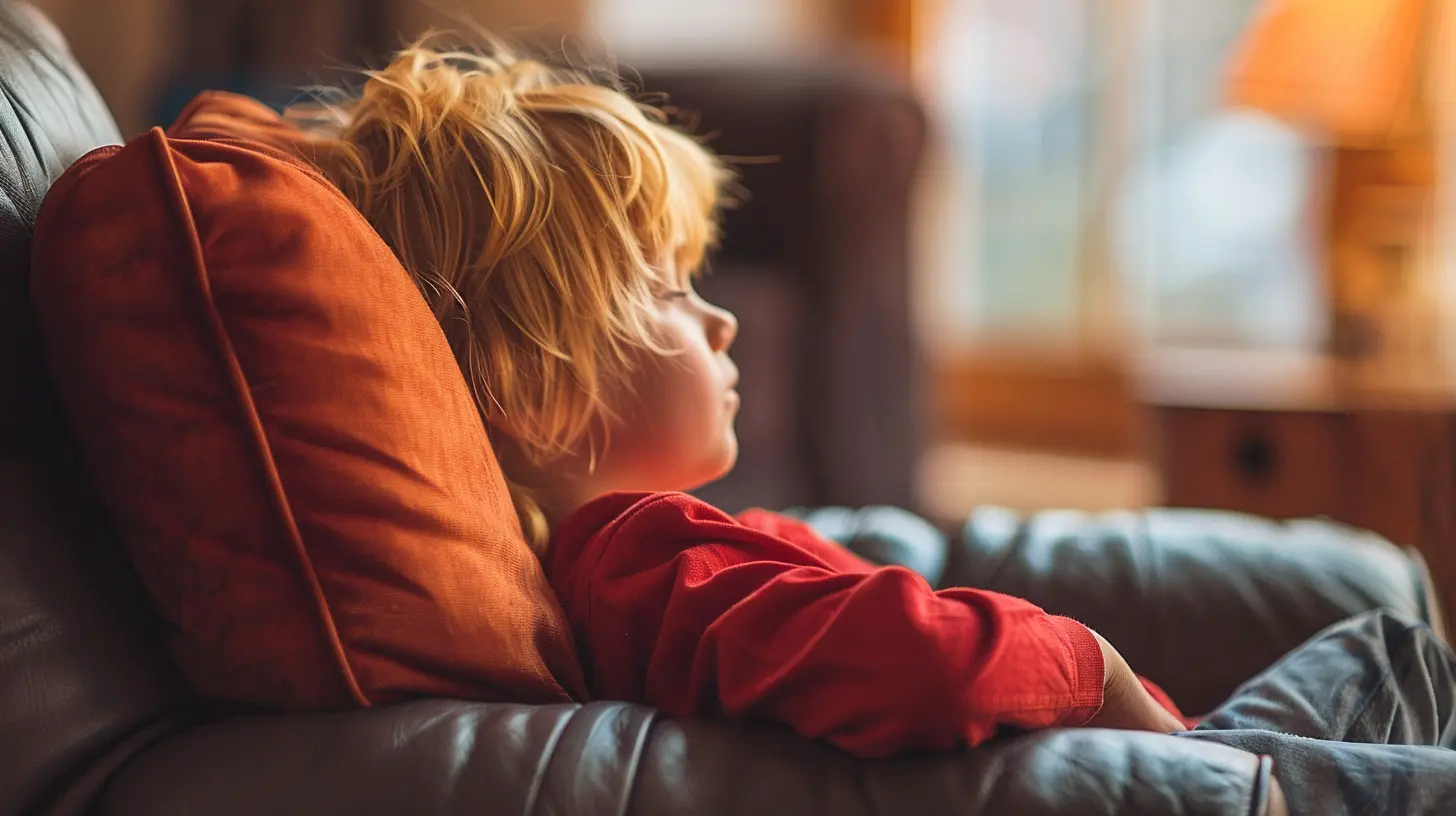
So, What Does a Balanced Life Look Like?
Ah, the elusive “balanced life.” It’s like parenting’s Holy Grail. Spoiler alert: it’s not about quitting all activities and moving to a yurt (unless that’s your thing—no judgment). It’s about tuning in to your child’s needs and finding a pace that allows space to breathe.Start with One Magic Word: No
Yes, I know. Saying no is hard—especially when your child begs to join just one more activity. But here’s the truth: saying no to one thing is saying yes to something else. Like family dinners. Or playing outside. Or, heck, just doing nothing for a while.Screen Time Isn’t the Enemy—But Neither is Free Time
We worry about screen time (understandably), but over-scheduling is its own brand of screen-glow-level stress. Let your kids stare at clouds. Doodle nonsense. Build LEGO fortresses without instructions. Free time isn’t wasted time—it’s the sandbox of life.Talk to Your Kids (The Old-Fashioned Way)
Sit with your child (preferably while not driving 60 mph to karate) and ask them how they’re feeling. Are they loving their activities? Do they miss having time to just chill? You might be surprised by what they say.And if their shoulders visibly relax when you talk about dropping an activity or taking a break, that’s all the sign you need.
Build in Downtime Like It’s an Appointment
Seriously—put it on the schedule. Block time for doing absolutely nothing structured. This way, you’re not just hoping for rest, you’re prioritizing it. Think of it as mental stretching. No one runs a marathon without warming up. Life’s a marathon too, remember?Model Balance Yourself
Kids are like tiny emotional detectives. If they see you racing around like a caffeinated hamster, they assume that’s normal. But if you make space for rest, fun, hobbies, and yes—even naps—they’ll learn to do the same.So pour that cup of tea, stare out the window, and show them how it’s done.
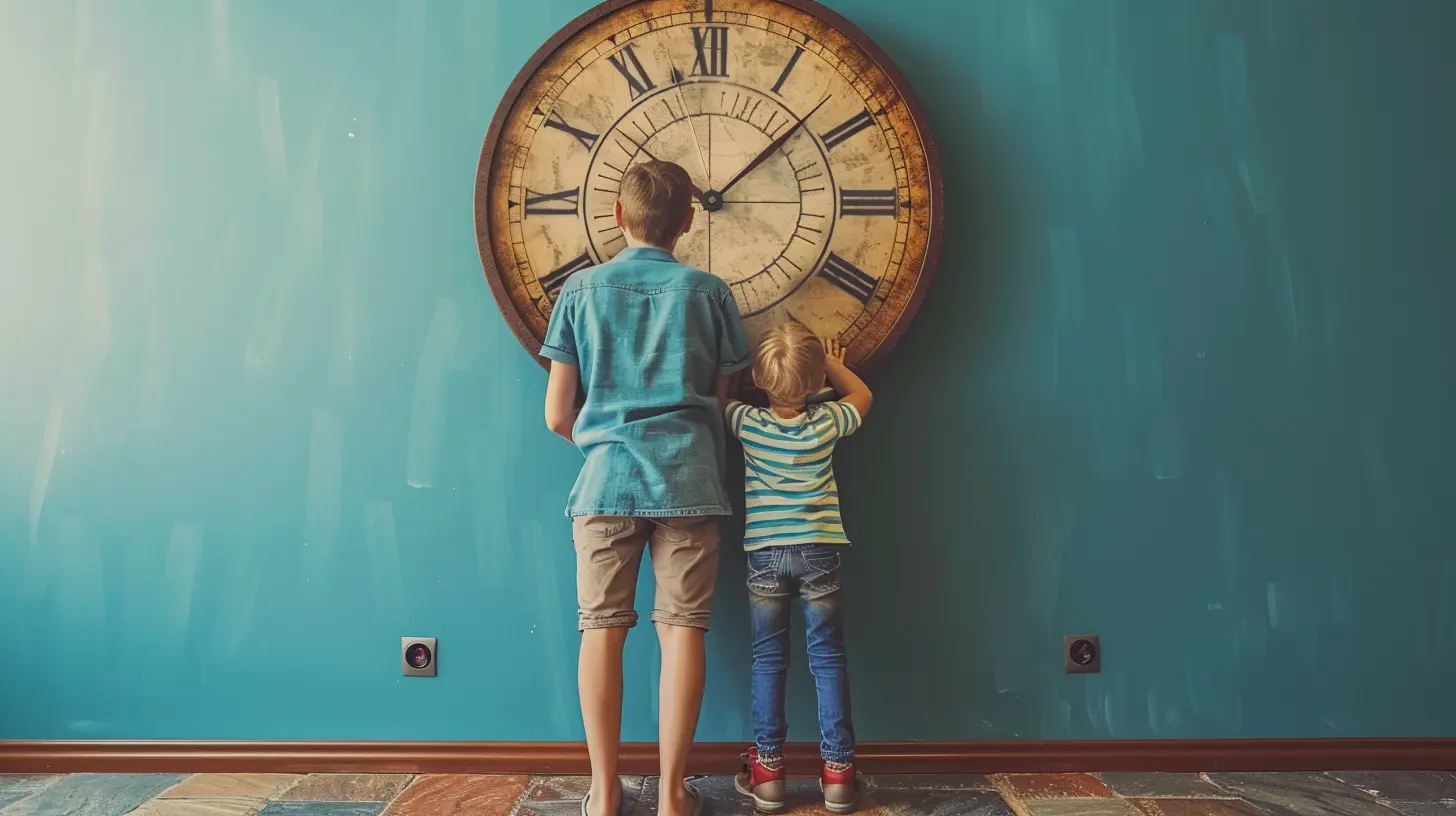
But What If They Actually Love Their Crazy Schedule?
Look, some kids are Energizer bunnies in sneakers. They're the rare breed who want to do 17 things and somehow still beg for more. If your child genuinely enjoys their schedule and they’re thriving—go for it. But still, keep an eye out for signs of fatigue and stress.Even high-energy kids need time to reset. It’s not all or nothing. Maybe cut one thing and trade it for a pajama day. Think of it like cleaning out a closet—make space for what truly fits.
Final Thoughts: Less Might Just Be More
In our quest to give our kids the best opportunities, we sometimes forget that happiness isn’t made of trophies and resume-boosters. It’s made of giggles during board games, spontaneous living room dance-offs, and days where the biggest plan is “nothing.”So give yourself grace—parenting isn’t about perfection. It’s about meaningful connection. And sometimes, that means letting go of the planner and embracing a little beautiful chaos.
Because childhood should be a time of wonder, not weariness.
all images in this post were generated using AI tools
Category:
Parenting MistakesAuthor:

Austin Wilcox
Discussion
rate this article
2 comments
Shannon Henson
Over-scheduling can diminish a child's creativity and reduce family bonding time, leading to stress and burnout. Balance is crucial for fostering healthy development and resilience.
February 5, 2026 at 3:34 AM
Austin Wilcox
Thank you for your insightful comment! I completely agree—finding a balance is essential for nurturing creativity and ensuring quality family time. It’s important to prioritize well-rounded development.
Courtney Cooper
Over-scheduling kids stifles creativity; let them thrive with unstructured, free playtime instead!
January 9, 2026 at 5:07 AM
Austin Wilcox
Absolutely agree! Unstructured play is essential for fostering creativity and allowing children to explore their interests freely.