The Playful Path to Preschool: How to Cultivate a Love of Learning
30 October 2026
By the time a child is three or four, something subtle but important starts to happen in many households. The question shifts from "What should we do today?" to "Are they ready for preschool?" Parents begin comparing notes about letter recognition, counting, and whether a child can sit still for circle time. The pressure is understandable, but it often leads families down a path that quietly undermines the very thing they are trying to build: a genuine, durable love of learning.
The playful path to preschool is not about squeezing academics into playtime or turning the living room into a classroom. It is about understanding how young children actually learn, and then arranging daily life so that learning happens naturally, joyfully, and on a foundation that will carry a child through school and beyond. This article explains what that looks like in practice, why it works, and where well-meaning parents commonly go wrong.
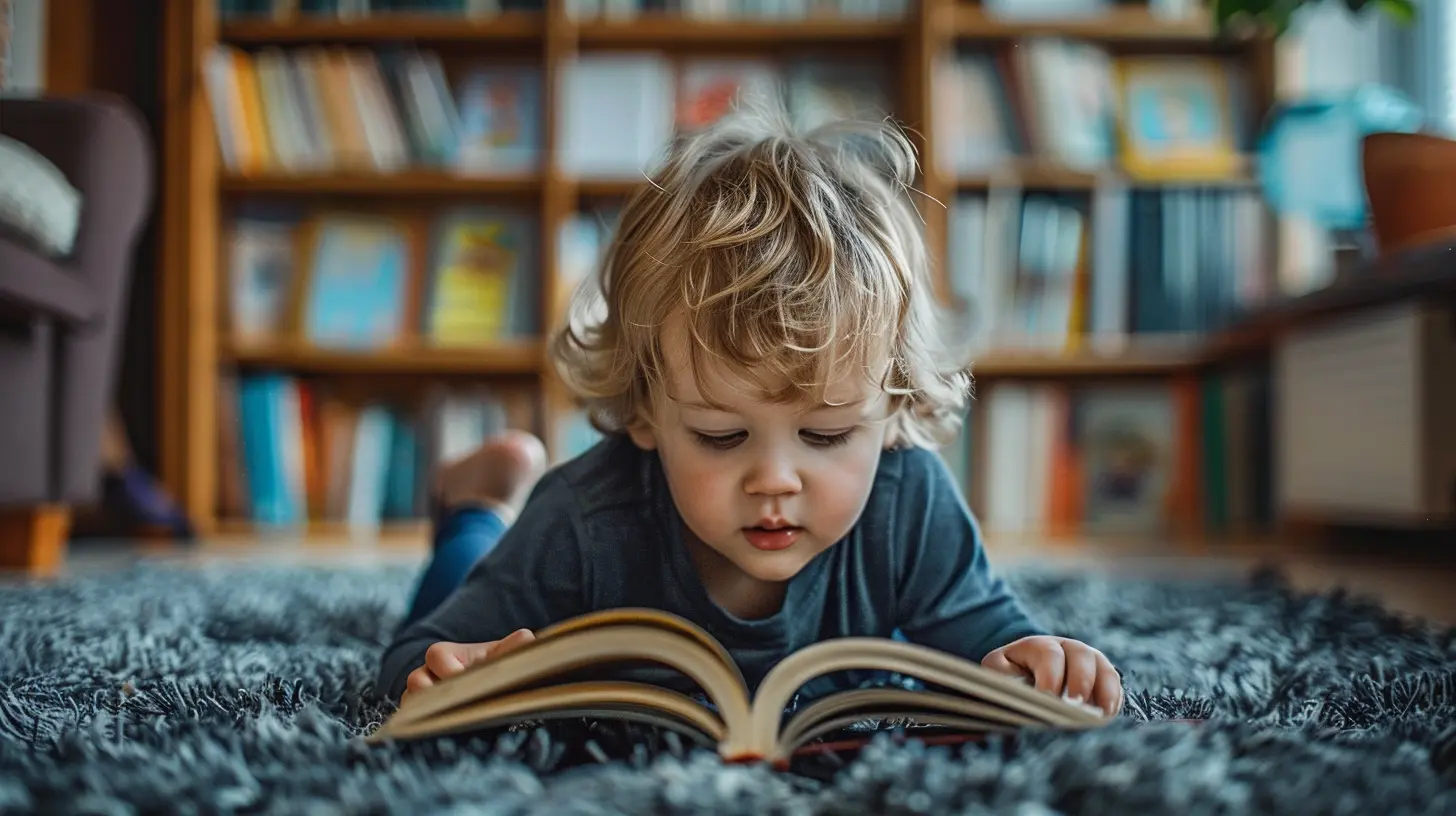
What "Love of Learning" Actually Means at This Age
The phrase gets used loosely, so it helps to define it precisely. For a three or four year old, a love of learning is not enthusiasm for worksheets or pride in knowing the alphabet. It is something more foundational:- A willingness to try things that are hard
- Curiosity that survives frustration
- The habit of asking questions and expecting answers
- Comfort with not knowing something yet
- Enjoyment of the process, not just the payoff
These traits matter more than any specific skill a child could master before preschool. A child who enters preschool knowing forty sight words but who shuts down when challenged will struggle more than a child who knows none but approaches new tasks with interest and persistence.
This distinction is why the playful approach is not a soft alternative to "real" preparation. It is the preparation. The academic skills will come quickly once a child is motivated and confident. The reverse is not true: a child drilled into early reading but stripped of curiosity is much harder to re-engage.
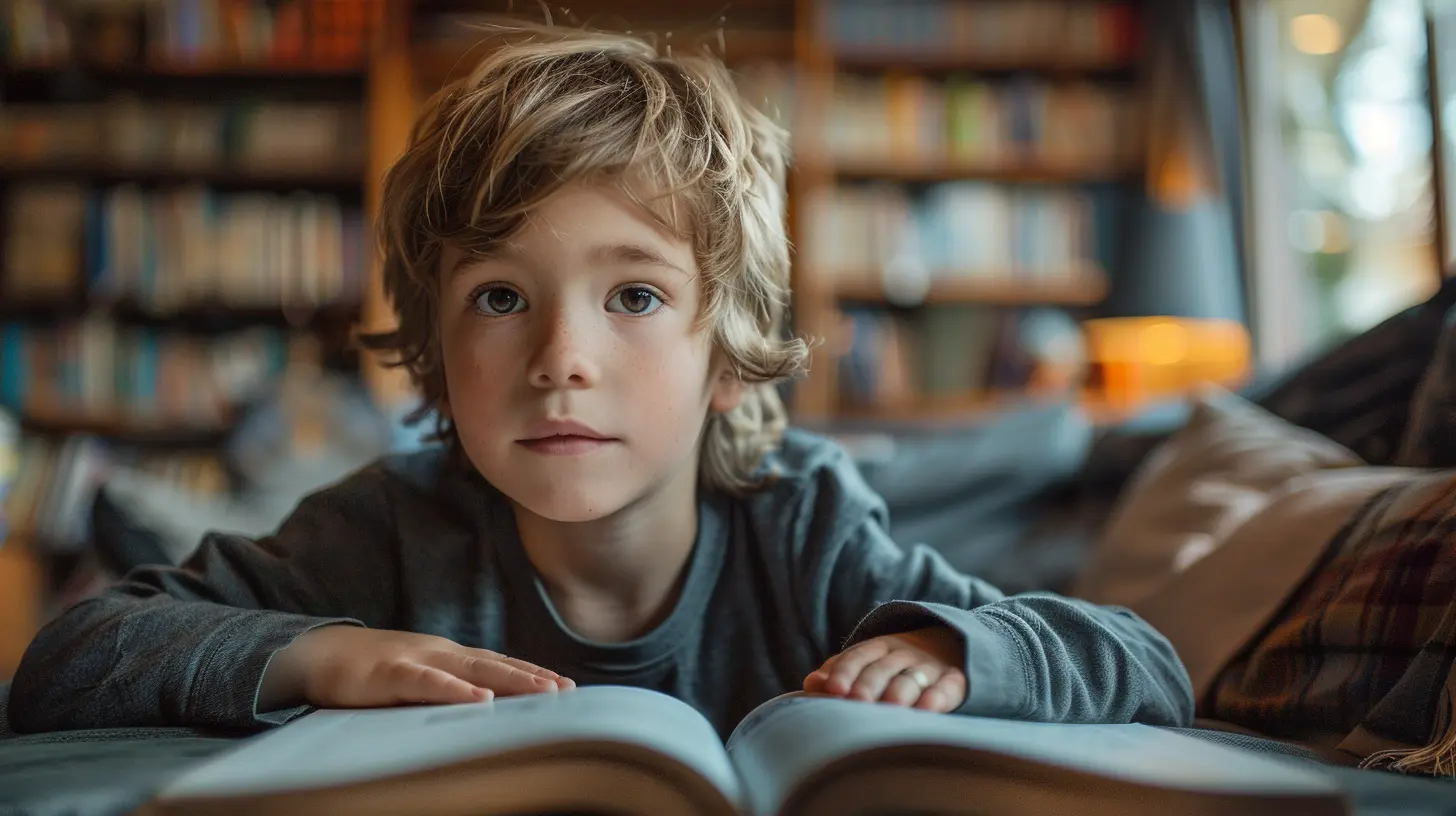
How Young Children Learn: The Science Behind Play
Young children learn through active, hands-on, social experience. They build understanding by doing, repeating, testing, and talking about what happens. This is not a romantic notion; it is how the developing brain works.Consider how a child learns the concept of "heavy." You can show a picture of a heavy object, or you can hand a child a rock and a feather. The second approach engages the senses, the muscles, and the language centers all at once. The child feels the weight, hears the words, sees the difference, and forms a memory that connects all of it. That memory is more flexible and more durable than a fact memorized from a card.
Play is the vehicle for this kind of learning. When children build with blocks, they are working on physics, geometry, and language simultaneously. When they play pretend, they are developing narrative skills, emotional regulation, and perspective taking. When they dig in dirt, they are doing science. None of this is accidental. Play is the most efficient learning technology available to a young child.
The practical implication is straightforward: the best preschool preparation is not a curriculum but a rich environment and an engaged adult. Your job is not to teach content. It is to create conditions where learning is inevitable and enjoyable.
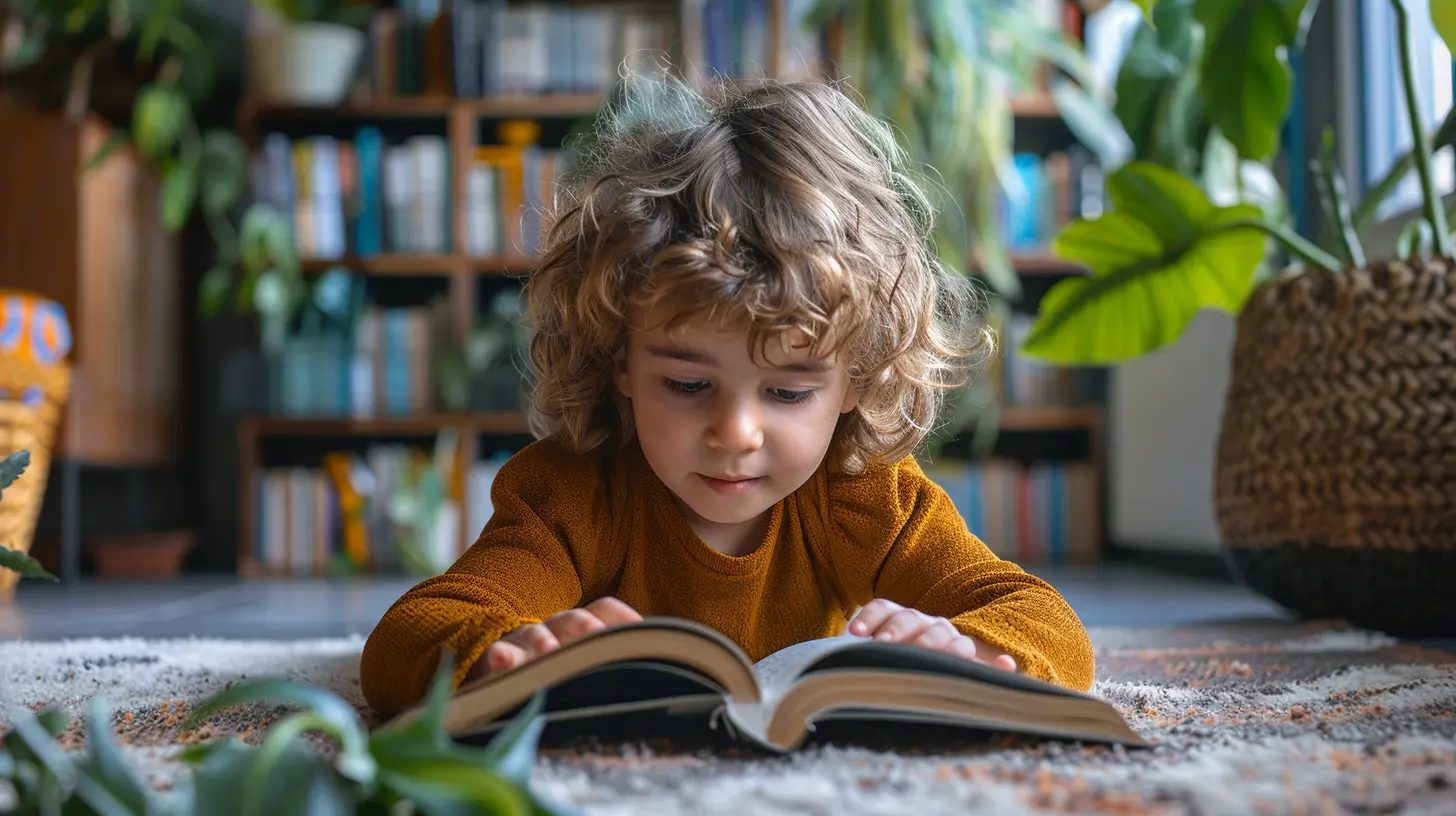
The Core Principles of a Playful Path
Before getting into specific activities, it helps to understand the principles that make them work. These are the underlying rules that separate meaningful play from busywork.Follow the Child's Lead
Children learn best when they are pursuing something they are genuinely interested in. If your child is fascinated by trucks, use trucks to build vocabulary, counting, and categorization. If they are obsessed with dinosaurs, that is your curriculum. The content does not matter nearly as much as the engagement.This does not mean you never introduce new things. It means you introduce them through the door the child has already opened. A child who loves dinosaurs will happily learn about continents if you frame it as "where the T. rex lived." A child who loves building will happily count if you are counting blocks together.
Make It Social
Learning is social for young children. They learn language by talking with you, emotional skills by navigating conflict with siblings and peers, and problem solving by working alongside someone more experienced. Solo screen time and solo worksheets miss this dimension entirely.This is why simple conversations matter so much. Narrating what you are doing, asking open questions, and waiting for answers builds vocabulary and thinking skills faster than almost any structured activity. It is also why playdates and cooperative play are worth prioritizing, even when they look chaotic.
Embrace Repetition
Adults find repetition tedious. Children find it essential. The tenth reading of the same book is not a failure of imagination; it is how a child consolidates language, predicts, and builds confidence. The same is true of repeated games, songs, and routines.Resist the urge to constantly introduce novelty. A child who reads the same book twenty times is doing important work. You can vary your questions and let the child lead the retelling, but you do not need to swap the book out to keep things "fresh."
Prioritize Process Over Product
A craft that looks like the sample is not the goal. The goal is the squeezing, cutting, sticking, and deciding. When you praise the process ("You worked hard on that," "Tell me about your drawing"), you build persistence. When you praise the product ("That's beautiful!"), you teach a child to seek approval rather than engage with the work.This is one of the most common mistakes parents make, and it is easy to correct once you notice it. Shift your language toward effort, strategy, and curiosity.

Building the Foundation: Language and Conversation
If you had to pick one area to focus on before preschool, it would be language. Vocabulary and conversational ability predict later reading comprehension more reliably than early letter knowledge. The good news is that building language is mostly free and fits into daily life.Talk About Everything
Narrate your day. Describe what you are doing, what you see, and what you are thinking. "I'm cutting the carrots into small pieces so they cook faster. See how the knife goes down? Now the carrot is in two pieces." This sounds mundane, but it is exactly the kind of rich input young children need.Ask Open Questions
"Yes or no" questions close conversations. Open questions open them. Instead of "Did you have fun at the park?", try "What was the best part of the park today?" Instead of "Is that a dog?", try "What do you notice about that dog?"Then wait. Young children need time to process. A pause of several seconds feels long to an adult but is often exactly what a child needs to formulate a response.
Read Aloud, Every Day
Reading aloud is the single most reliable way to build vocabulary, attention, and a positive association with books. It does not require a large library. It requires consistency and a willingness to read the same book many times.When you read, pause to wonder aloud. "I wonder why the bear is sad." "What do you think will happen next?" This turns reading from a passive activity into a conversation and builds comprehension skills that matter far more than decoding letters early.
Play That Prepares: Practical Examples
The following examples show how ordinary play builds preschool readiness. None of them require special materials, and all of them can be adapted to your child's interests.Block Play
Blocks build spatial reasoning, math concepts, and language. A child stacking blocks is learning about balance, gravity, and cause and effect. When you talk about what they are doing ("You put the big block on the bottom so it wouldn't fall"), you add vocabulary and reasoning.To extend it, add challenges that invite problem solving. "Can you build a tower as tall as your knee?" "What happens if we put the small block on the bottom?" Let the child test and adjust. Resist the urge to build it for them.
Pretend Play
Pretend play is where children practice language, social roles, and emotional regulation. A child playing "restaurant" is negotiating, sequencing, and using new vocabulary. A child playing "doctor" is processing fear and practicing empathy.Your role is to be a willing participant, not a director. Follow the child's script. If they hand you an invisible sandwich, take a bite. If they tell you the baby is sick, ask what the baby needs. This kind of play is more valuable than any structured lesson.
Outdoor Exploration
Outside is the richest learning environment available. Weather, plants, insects, puddles, and dirt offer endless opportunities for observation and questions. A child who notices that the puddle is smaller after lunch is doing science. A child who collects leaves and sorts them by color is doing math.You do not need a nature curriculum. You need to be outside regularly and to notice things aloud. "Look, the puddle is smaller than it was this morning. Where do you think the water went?" That single question opens a conversation about evaporation, which a four year old can begin to understand through observation.
Everyday Routines
Cooking, laundry, and cleaning are learning opportunities. A child helping to set the table is learning one-to-one correspondence. A child sorting laundry is learning categorization. A child measuring flour is learning about volume and sequence.These activities also build independence and a sense of competence, which are directly tied to a love of learning. A child who can do things for themselves is more willing to try new things.
What to Avoid: Common Mistakes and Misconceptions
The playful path is not the same as permissiveness, and it is not the same as academics in disguise. Several common mistakes undermine the approach.Mistake 1: Turning Play Into a Lesson
It is tempting to add a quiz to every activity. "What color is that block? How many are there?" A little of this is fine, but constant quizzing turns play into a test and teaches a child that play is for performance. Let play be play. Save the questions for moments when the child is already talking about what they are doing.Mistake 2: Over-Scheduling
A child who is shuffled from activity to activity has less time for the unstructured play that actually builds learning. Preschool preparation does not require a packed calendar. It requires long stretches of uninterrupted time to play, explore, and be bored.Boredom is not a problem to solve. It is often the doorway to creativity. A child who has nothing to do will eventually find something to do, and that process is valuable.
Mistake 3: Flash Cards and Early Drilling
Flash cards and early reading programs are not harmful in small doses, but they are not the best use of a young child's time. The skills they teach are narrow, and the risk is that they replace the broader, richer experiences that build a foundation for later learning.There is also a real risk of turning learning into a chore. A child who associates reading with drilling may resist it later. A child who associates reading with cozy time on the couch is more likely to keep reading.
Mistake 4: Comparing Children
Children develop at wildly different rates. One child may read at four; another may not read until seven. Both can be entirely on track. Comparing your child to others, or to a checklist, creates anxiety that children pick up on.If you have concerns about development, talk to a pediatrician or early childhood specialist. Do not rely on internet checklists or the neighbor's child as your benchmark.
Mistake 5: Confusing Screen Time With Learning
Some educational apps and shows have value, but they are not a substitute for active play and conversation. Screens are passive by design, and young children learn best through active engagement. If you use screens, use them sparingly and co-view when possible so you can talk about what is happening.Preparing for Preschool Without Losing the Joy
As preschool approaches, some practical preparation is useful. The goal is to build confidence and independence, not to cram academics.Practice Independence Skills
Teachers appreciate children who can put on their own shoes, open their own lunchbox, and use the bathroom independently. These skills also build confidence. Practice them at home in low-pressure moments, not in a rush on the way out the door.Build Separation Comfort
If your child has not spent much time away from you, practice short separations. A playdate with a trusted adult, a short class, or time with a grandparent can help. The goal is for your child to learn that you come back, which makes the preschool drop-off easier.Talk About Preschool Positively
Talk about preschool as an exciting place where they will play, make friends, and do interesting things. Avoid framing it as something to be nervous about, even if you are nervous yourself. Children pick up on adult anxiety.Visit if Possible
Many preschools offer visits or orientations. If yours does, take advantage. Seeing the space, meeting the teacher, and walking through the routine in advance reduces uncertainty.
The Role of the Adult: Coach, Not Instructor
The most important thing you can do on the playful path is to be a good coach. A coach does not lecture. A coach observes, asks questions, offers support when needed, and steps back when the child is engaged.This means resisting the urge to correct, direct, and instruct. It means letting a child struggle a little before helping. It means noticing what the child is interested in and building on it. It means being present and curious yourself.
Children learn more from what we do than what we say. If you show genuine curiosity about the world, your child will too. If you read for pleasure, your child will see reading as something people do. If you approach problems with interest rather than frustration, your child will learn that challenges are normal.
When to Seek Professional Guidance
The playful path is not a substitute for professional support when it is needed. If your child is not meeting several developmental milestones, if you have concerns about speech or language, or if your child seems persistently distressed, talk to a pediatrician. Early intervention is effective and does not undermine the playful approach. It complements it.
A Final Word on Trusting the Process
The pressure to prepare children for preschool is real, and it is easy to feel like you are falling behind. But the research on early learning is clear: children who are given rich, playful, conversational experiences in the early years tend to do well. The specific skills will come. The love of learning is what lasts.Trust the process. Read together. Talk together. Play together. Go outside. Let your child be bored. Follow their interests. Notice their effort. And remember that the goal is not a child who is ready for preschool. It is a child who is ready to keep learning for the rest of their life.
all images in this post were generated using AI tools
Category:
Early Childhood EducationAuthor:
Austin Wilcox