The Rise of Multi-Generational Parenting Networks
22 August 2026
Twenty years ago, if you had told a new parent that their most trusted parenting advice would come from a group chat that included their grandmother, their aunt, and a friend from work who had a toddler, they might have nodded politely. Today, that scenario is not just common. It is often the default. The image of the isolated nuclear family, with mom and dad managing everything on their own, is fading. In its place, we are seeing the rise of multi-generational parenting networks, and this shift is changing how children are raised, how families communicate, and how we define support.
This is not about moving back in with your parents out of financial necessity, though that is a factor for many. It is about a fundamental change in how we approach the enormous task of raising a child. We are recognizing that the old village, once a geographic reality, is now a digital and emotional one. It spans generations, time zones, and differing philosophies. And when done well, it is one of the most powerful resources a parent can have.
Why the Nuclear Family Model is Cracking
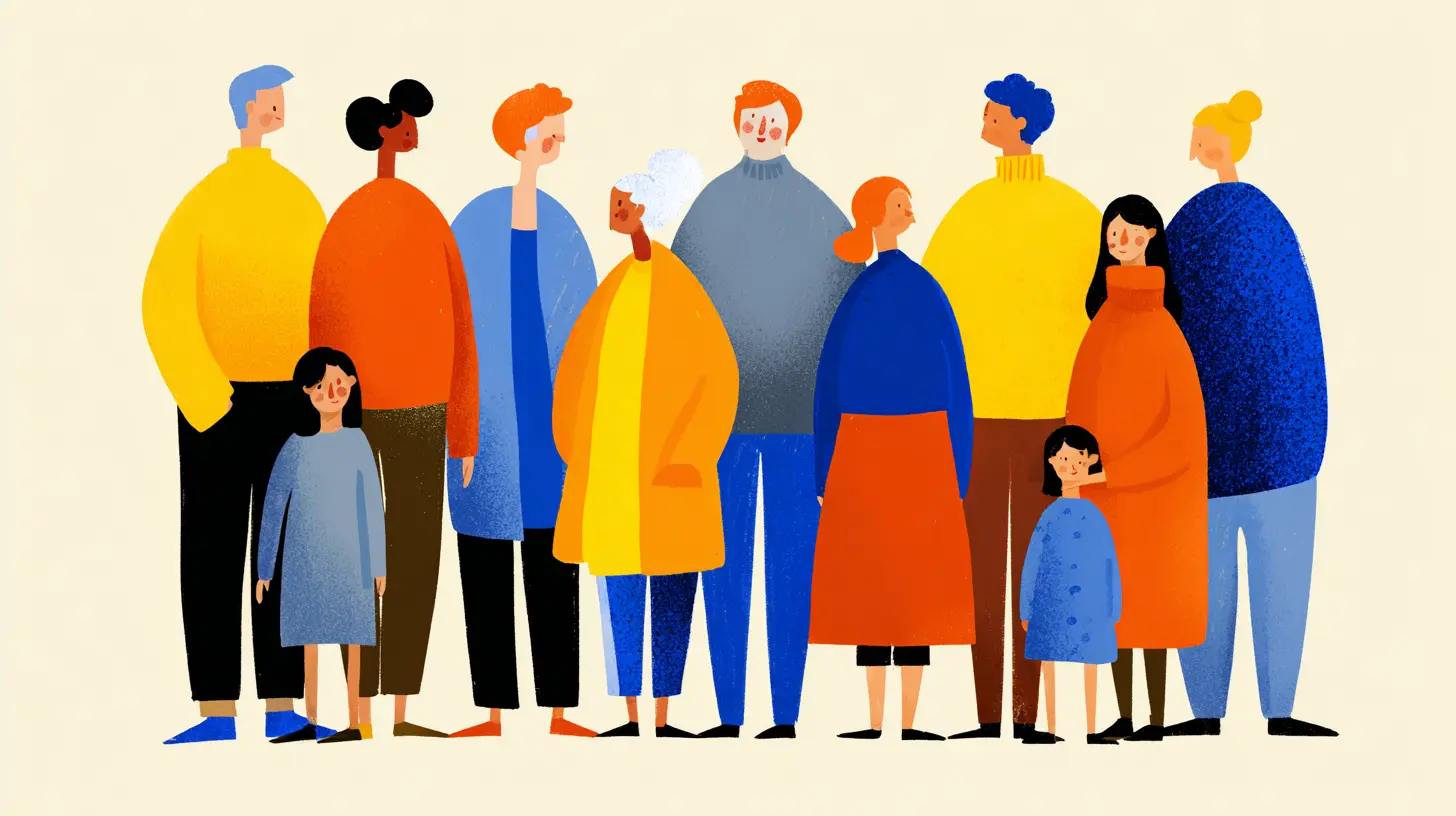
For a large part of the 20th century, the ideal was a self-contained household. Mom, dad, and the kids, with extended family living far away. This model was pushed by post-war prosperity, suburban development, and a cultural emphasis on independence. The idea was that parents, particularly mothers, should be able to handle everything. Asking for help was often seen as failure.That pressure created a silent crisis. Parents, especially new mothers, felt isolated and overwhelmed. Without the daily presence of experienced relatives, they turned to books, then to internet forums, and now to social media algorithms for answers. The problem is that a book or a video cannot see your child. It cannot tell you that the cough sounds different from last time, or that the fussiness might be related to the new food you introduced yesterday.
The nuclear family model assumed that two people could figure it out. But raising a child is not a puzzle you solve once. It is a continuous, evolving process that requires perspective. A grandparent who has seen a hundred babies go through the same phase has a calm that a first-time parent, googling at 3 a.m., simply does not have. The rise of multi-generational networks is, in many ways, a correction to that lonely experiment. We are realizing that independence does not mean isolation.

The New Architecture of Support
A multi-generational parenting network is not a formal organization. It is a loose, flexible structure that can look different for every family. For some, it means a grandmother who comes over every Tuesday to give the parents a break. For others, it is a weekly video call with a great-aunt who lives across the country, where she reads a story to the child and gives the parents a chance to vent. And for many, it is a shared digital space, like a family group chat, where questions are asked and answered in real time.The key difference from the past is intentionality. In the past, this support was organic. You lived near family, so you saw them. Now, we have to build these networks. We have to schedule the calls, plan the visits, and consciously decide to include the older generation in the daily loop of parenting decisions. This requires effort, but the payoff is significant.
The most effective networks I have observed have a few things in common. First, they have a clear, unspoken understanding of boundaries. The grandparents are not there to take over; they are there to support. The parents are not there to be judged; they are there to be helped. Second, they leverage each person's strengths. Perhaps the father's mother is a whiz at soothing colicky babies, while the mother's father is the one who will take the toddler to the park for hours on end, giving everyone a break. When you stop expecting everyone to be good at everything, and instead let people contribute in their natural way, the network becomes much stronger.
The Grandparent Factor: More Than Babysitting
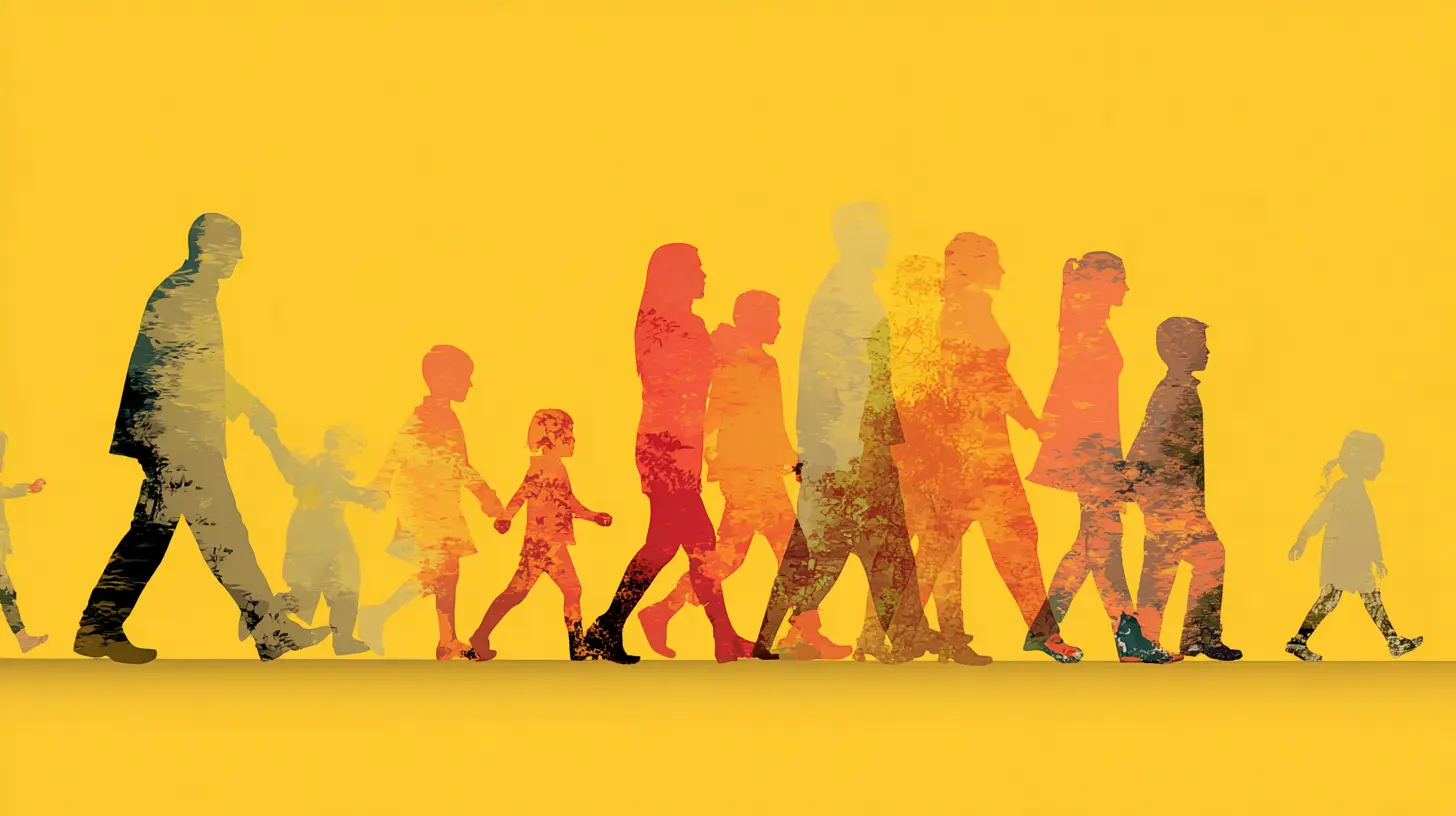
We often reduce the role of grandparents to free childcare. That is a huge benefit, but it is far from the whole story. Grandparents offer a different kind of emotional bandwidth. They are one step removed from the daily grind of parenting. They do not have to worry about the laundry or the school run. This allows them to be more patient, more playful, and often more present.There is a specific kind of magic in the grandparent-grandchild relationship. It is less burdened by the anxiety of "doing it right" that plagues parents. A grandparent can let a child make a mess, knowing that the mess will be cleaned up. They can tell stories about the parent as a child, which gives the child a sense of history and belonging that is impossible to get from a book.
But this is not always smooth sailing. The generational gap can cause friction. A grandmother might insist on feeding the baby solid food at three months because "that is what we did." A grandfather might be skeptical of a breast pump or a white noise machine. These are not signs of disrespect; they are signs of a different era. The successful networks are the ones where parents do not dismiss these older ideas outright, but also do not feel pressured to adopt them. The goal is not to win an argument. The goal is to keep the relationship intact so that the child benefits from having a loving, involved grandparent.
The In-Law Tightrope
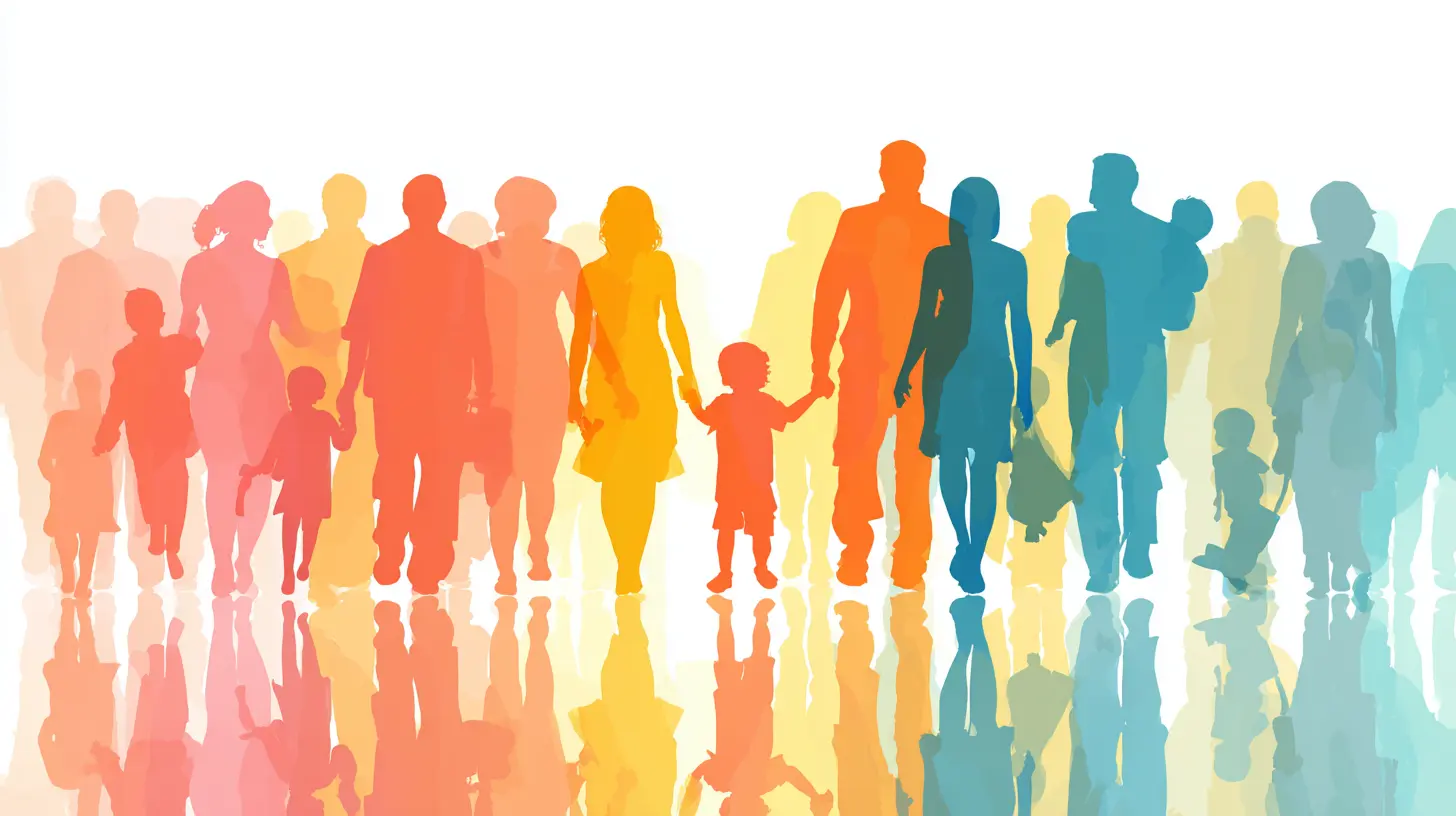
The most delicate part of any multi-generational network is the relationship between a parent and their in-laws. This is where many networks break down. The tension usually comes from a clash of loyalties. A daughter-in-law might feel that her mother-in-law is overstepping. A son-in-law might feel that his wife is still too attached to her mother's opinion.The best way to handle this is through the "blood relative" rule. Each partner should take the lead in communicating with their own parents. If your mother is offering unsolicited advice, it is your job to gently redirect her, not your spouse's. This prevents the in-law from feeling ganged up on and prevents the spouse from feeling like the messenger of bad news.
It is also important to set expectations early. Before the baby is even born, have a conversation with your partner about how involved each set of grandparents will be. Will they have keys to the house? Will they be on the pickup list at school? Are there topics that are off-limits, like sleep training or discipline? Defining these parameters early, before a crisis hits, is the single most effective way to avoid conflict later.
The Digital Thread: How Technology Holds It Together
The modern multi-generational network is often powered by a simple smartphone. The family group chat is the new kitchen table. It is where a photo of the baby's first steps is shared within seconds. It is where a worried parent can post a question about a rash and get answers from three different generations within the hour.This digital thread is crucial, but it has a dark side. It can create a sense of constant surveillance. If you post a picture of your child eating a cookie, you might get a passive-aggressive comment from an aunt about sugar intake. If you do not post for a few days, someone might call to ask if everything is okay.
The key to managing this is to set rules for the digital space. Create a separate chat for "fun stuff" and another for "serious questions." Or, designate specific times for sharing updates. Most importantly, agree that the chat is for support, not for criticism. If a family member consistently uses the group to judge your parenting, it might be time to create a separate, smaller chat for the people who are genuinely helpful.
The Trade-Offs You Need to Know
This network is not a free lunch. It comes with real trade-offs that you need to consider before you lean too heavily on it.The Loss of Privacy
When you have a multi-generational network, your parenting is no longer a private matter. Your mother-in-law will know that you are struggling with tantrums. Your father will know that you are co-sleeping, even if you do not want to tell him. This can feel invasive. You have to decide if the help you receive is worth the loss of privacy. For most, it is, but it is a conscious choice.
The Conflict of Styles
You will inevitably face conflicting advice. Your pediatrician says one thing, your mother says another, and your best friend, who is a generation older than you, says a third. This can be paralyzing. The solution is to decide, in advance, who has the final say on what. For medical issues, it is the doctor. For nutritional habits, it is the parents. For local customs and cultural traditions, it might be the grandparents. When everyone knows their lane, the conflict diminishes.
The Emotional Labor
Managing these relationships is work. You have to remember to call your mother back. You have to thank your aunt for the hand-me-downs. You have to navigate the guilt of not taking your father's advice. This emotional labor is real, and it can be exhausting. It is easy to let the network slide when you are tired. But like any relationship, if you do not maintain it, it will fade.
Common Mistakes and How to Avoid Them
I have seen many families try to build this network and fail. The failures are rarely due to a lack of love. They are almost always due to a lack of structure.Mistake One: Assuming Everyone Knows the Rules
You cannot assume that your mother knows you do not want her to give the baby water before six months. You have to tell her, kindly and directly. Do not hint. Do not send her an article. Sit down and say, "We are following this guideline for now, and we would love your help sticking to it." This is not rude; it is clear.
Mistake Two: Letting One Person Do Everything
If the maternal grandmother is the only one helping, she will burn out. She will start to resent the other grandparents. She might even start to resent you. Rotate responsibilities. Make sure that the paternal side is also involved, even if it is in a smaller way. This prevents the "hero" complex from turning into a martyr complex.
Mistake Three: Using the Child as a Weapon
In high-conflict families, the child can become a pawn. "If you do not do it my way, you will not see the baby." This is destructive and harmful to everyone, especially the child. The child should never be used as leverage in an adult disagreement. If you find yourself doing this, step back and seek family counseling.
Mistake Four: Ignoring the Middle Generation
We often focus on the grandparents and the parents, but we forget about the "sandwich" generation. This includes the aunts, uncles, and even older cousins who are not parents yet but are part of the network. They can be fantastic allies. They do not have the authority of a grandparent, but they do not have the anxiety of a parent. They can be the "cool" adult who takes the child for ice cream or helps with homework. Do not overlook them.
When It Should Not Be Used
It is important to recognize that a multi-generational network is not for everyone. There are situations where it can do more harm than good.If there is a history of abuse, addiction, or severe mental illness in the family, forcing a network can be re-traumatizing. In these cases, it is perfectly acceptable to step back and build a "chosen family" of close friends and professional support instead. Blood relation is not a requirement for a support network.
Similarly, if the grandparents are actively undermining the parents' authority, it is better to limit contact than to have a constant power struggle. A child needs consistent rules and a sense of safety. If the grandfather is telling the child that the parents are "too strict," that is a form of parental alienation. It is better to have a smaller, more peaceful network than a large, chaotic one.
The Long-Term Impact on the Child
What does this all mean for the child? The evidence, mostly from family therapy and developmental psychology, points to very positive outcomes. Children who grow up with strong ties to multiple generations tend to have a stronger sense of identity. They know where they come from. They hear stories about their parents as children, which humanizes their parents. They also learn to interact with older adults, which is a skill that is increasingly rare in a youth-obsessed culture.They also learn resilience. When a child sees that their parents and grandparents disagree but still work together, they learn that conflict is not the end of the world. They learn that relationships require maintenance. They see that love is not just a feeling; it is a series of actions, like showing up on a Tuesday night to help with bath time.
Perhaps most importantly, they learn that they are not the center of the universe. In a nuclear family, the child is often the sole focus of attention. In a multi-generational network, the child learns that the world includes elderly people with different needs, and younger cousins who need attention too. This fosters empathy and social intelligence that will serve them for their entire lives.
Practical Steps to Build Your Network Today
If you are convinced that this is a path you want to take, here is how to start.Step One: Audit Your Current Relationships
Write down the family members and close friends who are over the age of 50. Then write down those who are your peers. Then those who are younger. Ask yourself who is available, who is willing, and who is positive. You are looking for a mix of ages.
Step Two: Have a "State of the Union" Talk
Gather the key members, either in person or via video call. This is not a casual chat. It is a meeting. Explain your vision. You are not asking for a handout. You are proposing a partnership. Ask them what they are comfortable doing. Ask them what their boundaries are. You will be surprised at how much people appreciate being asked.
Step Three: Define the Channels
Decide how you will communicate. A group chat for daily stuff. A monthly video call for extended family. A shared photo album. Keep it simple. Too many channels lead to chaos.
Step Four: Start Small
Do not try to have the grandmother move in next week. Start with a weekly visit or a scheduled call. See how it feels. Adjust as you go.
Step Five: Show Gratitude
This is the most important step. The older generation does not have to do this. They are choosing to. A simple, specific thank you goes a long way. "Mom, thank you for watching the baby on Saturday so we could sleep in. It made a huge difference." That recognition is the fuel that keeps the network running.
The Future of Family
The rise of multi-generational parenting networks is not a return to the past. It is a new synthesis. We are taking the best of the old world, the wisdom and presence of elders, and combining it with the best of the new world, our understanding of boundaries, communication, and individual choice. We are building structures that are flexible enough to handle modern life but strong enough to provide real support.This is hard work. It requires patience, humility, and a willingness to be wrong. You will have to bite your tongue when your mother suggests something you disagree with. You will have to ask for help when you would rather pretend you have it all together. But the reward is immense. You are not just getting help with childcare. You are giving your child a family, a real family, with all its messy, beautiful complexity. And in a world that often feels fragmented and lonely, that is a gift worth fighting for.
all images in this post were generated using AI tools
Category:
Parenting And CommunityAuthor:

Austin Wilcox
Discussion
rate this article
1 comments
Catherine Mendez
Multi-generational parenting networks are a beautiful reminder that we can lean on each other for support. Embrace the wisdom of different generations and watch your family thrive together.
August 22, 2026 at 2:32 AM