The Science of Emotions in Children and What It Means for Parents
1 March 2026
Let’s be real—parenting is no walk in the park. We all want to raise happy, emotionally healthy kids, but when your toddler’s screaming on the kitchen floor because their banana broke in half, it’s easy to wonder what on Earth is going on in that little head. Good news? There’s science behind these wild emotional roller coasters. Better news? Once you understand it, navigating emotional outbursts becomes a lot less mysterious—and a whole lot more manageable.
In this post, we’ll dig into the brain science behind children’s emotions, how they develop, and most importantly, what all this means for you as a parent. Buckle up—it’s going to be an eye-opener.
Emotions Aren’t Just a Phase—They’re Brain-Deep
Ever heard the phrase “kids are just being dramatic”? Truth is, they’re not faking it. Their emotions are real, intense, and often completely overwhelming for them. Why? Because their brains are still under construction.The Developing Brain
Picture your child’s brain like a house that's still being built. The rooms (different brain parts) are going up, but the wiring isn’t in place yet. Specifically, the prefrontal cortex—the part in charge of self-control, logical thinking, and emotional regulation—is still a work in progress until their mid-20s.That means the emotional center of the brain, particularly the amygdala, often runs the show. If a child feels threatened, sad, or frustrated, the amygdala kicks in hard. Without a fully developed prefrontal cortex to calm them down or make sense of their feelings, emotions can bubble up fast and furiously.
What This Means For Parents
Don't expect kids to "just calm down" or "make better choices" when they're upset. Their brains aren’t wired for that yet. Instead of punishment or frustration, what they need is connection and guidance from you. It’s not about being soft—it’s about being smart.
Emotions Have a Job to Do
Here's a fun twist—emotions aren’t the enemy. They're actually built-in survival tools. Just like hunger tells us to eat, emotions tell us something important is going on.The Purpose Behind the Tears
Fear keeps us safe. Anger signals injustice or frustration. Sadness is our way of asking for support. Even joy is there for a reason—it strengthens bonds and encourages us to explore the world.When kids cry, yell, or shut down, it’s not just “bad behavior”—it’s communication. They’re telling you, “Hey, something doesn’t feel right, and I don’t know how to handle it.”
Teaching Emotional Intelligence
Here’s where as parents, we step in as their emotional GPS. Our job is to help them name their feelings, understand where they’re coming from, and figure out what to do with them. That’s emotional intelligence—and it’s one of the biggest predictors of long-term happiness and success.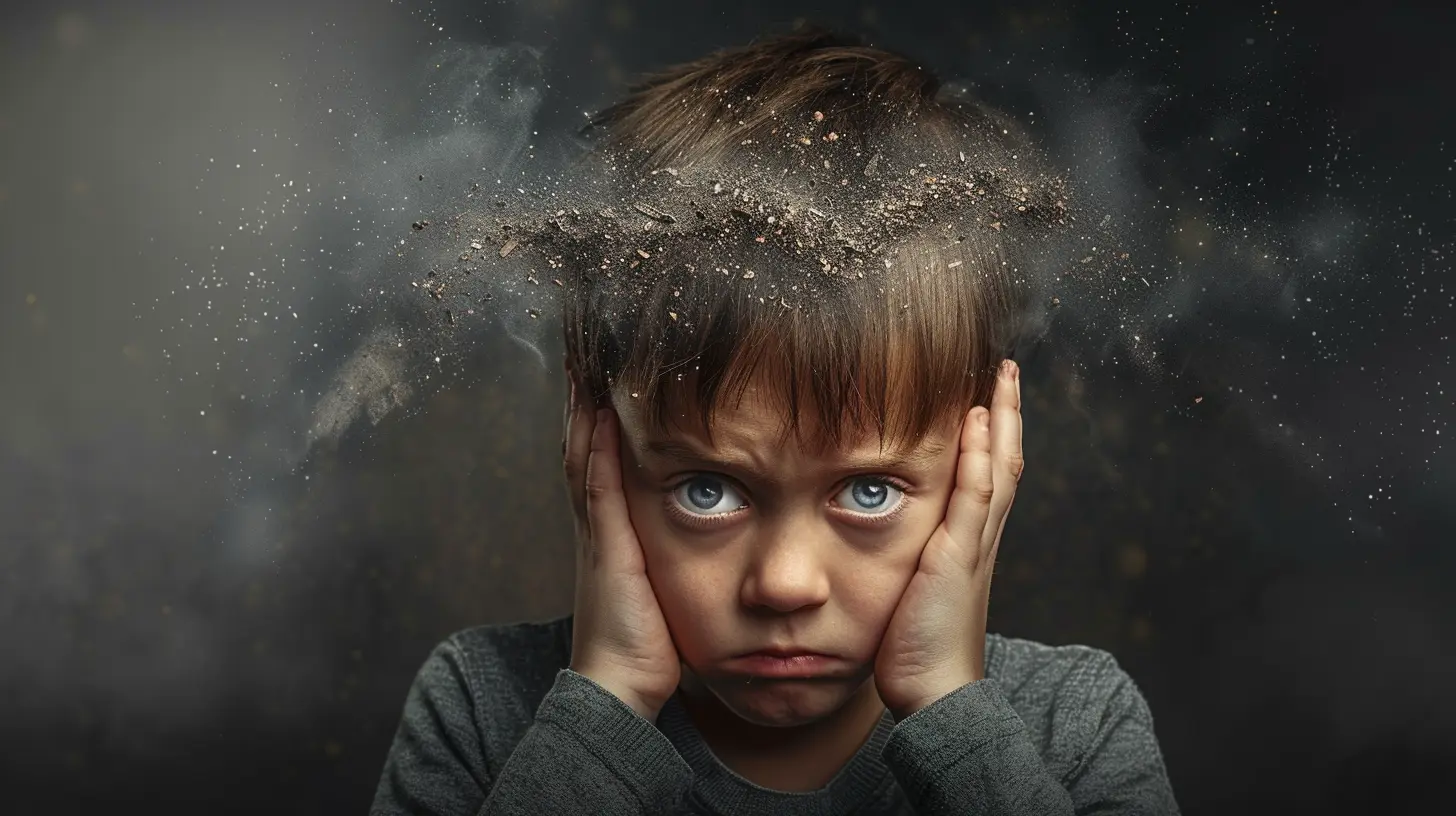
Emotional Development by Age: What’s Actually Normal?
Kids don’t pop out with a full set of emotional tools. So if you're expecting an 18-month-old to share or a 4-year-old to manage disappointment like a champ… yeah, not gonna happen. Here's a quick breakdown of what emotional development looks like by age.Infants (0–12 months)
Babies feel emotions, but they don’t understand them. They cry when they’re hungry or uncomfortable but can’t regulate anything. It’s all about survival and connection.Parent Tip: Consistent soothing builds emotional trust. Responding to your baby’s cries doesn’t spoil them—it wires their brain for secure attachment.
Toddlers (1–3 years)
Welcome to the land of meltdowns. Toddlers feel everything intensely but have zero coping skills.Parent Tip: Help them label feelings (“You’re mad because we turned off the TV”) and offer comfort. Don’t expect reasoning—just be their emotional anchor.
Preschoolers (3–5 years)
Feelings are still huge, but now kids are starting to understand them. You'll see a mix of emotional breakthroughs and full-on tantrums.Parent Tip: Keep talking about emotions. Use books, play, and day-to-day moments to explore feelings. Introduce simple strategies like deep breathing or a “calm-down corner.”
School-Age Kids (6–12 years)
These kiddos are getting the hang of emotions but still need help managing them—especially anger, jealousy, and anxiety. Social comparison starts to kick in.Parent Tip: Model healthy emotional responses. Kids this age learn most by watching how YOU handle stress. Teach problem-solving, empathy, and boundaries.
Teens (13+)
Cue the drama, right? Hormones, peer pressure, and identity crises make adolescence emotionally rocky. But teens also start to think deeply and reflect.Parent Tip: Stay connected. Validate their feelings even when you don’t agree. Respect their growing independence, but let them know you’ve got their back no matter what.
Why Emotional Co-Regulation Beats Punishment
Let’s talk discipline. A common mistake (and hey, we’ve all been there) is trying to “shut down” emotions with timeouts or punishments. But here’s the thing—emotions aren’t bad. It’s behavior that needs guidance.What is Co-Regulation?
Co-regulation means you help your child calm down by staying calm yourself. You’re not fixing their feelings—you’re holding space for them to move through the emotion safely.Think of it like being a lighthouse in a storm. Your child is the ship getting tossed around, and your steady presence helps them find their way back.
Why It Works
Punishment triggers fear—not learning. Co-regulation, on the other hand, teaches kids to trust their feelings without being ruled by them. Over time, this builds self-regulation skills so they can eventually manage emotions on their own.The Power of Naming Emotions
Here’s a simple trick that works wonders: Put a name to the feeling. It’s called “name it to tame it.” When you help your child identify what they’re feeling ("You’re sad because your friend didn’t share"), it activates the thinking part of their brain and starts to calm the emotional storm.Why It’s So Effective
When kids learn to recognize emotions, they begin to realize:- Emotions are normal.
- Feelings pass.
- They can choose how to respond.
This builds emotional literacy, which is like the ABCs of feelings—a crucial skill for emotional health and social success.
Your Emotional State Matters (A Lot)
Let’s flip the camera around for a sec—because here’s the hard truth: Your ability to help your child emotionally starts with how well you manage your own emotions.Mirror, Mirror
Kids don’t just listen to what you say—they absorb how you react. If you yell, they learn yelling is okay. If you stay calm (even when you’re faking it), they learn calm is possible, even in chaos.This doesn't mean you have to be a robot. It means being honest with your feelings, modeling healthy coping, and showing your child that emotions—yours and theirs—are safe and manageable.
Practical Ways to Support Your Child’s Emotional Growth
Alright, let’s get down to the real-life stuff. How do you actually turn all this brain science into everyday parenting that supports emotional development?1. Build an Emotion-Rich Vocabulary
Use feeling words in daily life: happy, sad, nervous, proud, frustrated. The more words they have, the better they'll be able to pinpoint their emotions—including the tricky ones.2. Keep a Routine
Predictable routines give kids a sense of control and safety—both huge factors in emotional stability.3. Practice Empathy
Reflect your child’s feelings even if you can’t fix the problem. “I can see you're really upset.” Often, just feeling understood can calm a child more than any solution ever could.4. Use Play
Play is a child’s language. Through pretend play, drawing, or storytelling, kids often express feelings they can’t yet verbalize.5. Model Emotional Regulation
Let them see you cope with tough emotions in healthy ways. “I’m feeling really stressed, so I’m going to take a few deep breaths.”6. Encourage Problem-Solving
When they’re calm, help them figure out better ways to handle similar situations in the future. This builds confidence and resilience.Final Thoughts: Emotions Aren’t the Enemy—They’re the Message
So many of us grew up with the message that emotions should be hidden or fixed fast. But science—and experience—tell us something different. Emotions, especially in children, aren’t something to squash. They’re like traffic signals, alerting us to what's going on inside.As a parent, you’re not expected to get it right every time. You’re expected to be present, to try, to learn alongside your child. When you understand the science behind your child’s emotional life, you’re not just surviving tantrums anymore—you’re supporting the growth of a deeply emotionally intelligent human.
And that? That’s parenting gold.
all images in this post were generated using AI tools
Category:
Emotional DevelopmentAuthor:

Austin Wilcox
Discussion
rate this article
2 comments
Asher McDaniel
Understanding your child's emotions is a powerful tool! Embrace the journey together, nurture their feelings, and watch them thrive into confident, resilient individuals. You've got this!
March 17, 2026 at 4:08 PM
Austin Wilcox
Thank you! Embracing and nurturing our children's emotions is essential for their development. Together, we can build their confidence and resilience!
Malia Rosales
This article offers valuable insights into understanding children's emotions, emphasizing the importance of emotional intelligence in parenting. By recognizing and validating their feelings, parents can foster resilience and healthy communication. Balancing discipline with empathy is key to nurturing emotionally intelligent children. A must-read for all caregivers!
March 2, 2026 at 4:32 AM
Austin Wilcox
Thank you for your thoughtful feedback! I'm glad you found the insights valuable for fostering emotional intelligence in parenting.