The Unseen Impact of Ignoring Your Own Mental Health as a Parent
6 February 2026
Parenting is a beautiful yet exhausting journey. Between diaper changes, school runs, meal preps, and bedtime stories, it’s easy to put yourself last. But have you ever stopped to think about what happens when you continuously neglect your own mental health?
As parents, we often convince ourselves that we're doing fine, that our exhaustion is just part of the job, and that our emotional struggles can wait. However, brushing aside your mental well-being can have serious consequences—not just for you, but for your children as well. Let's dive into the unseen impact of ignoring your own mental health as a parent and why self-care should be non-negotiable.

The Silent Ripple Effect on Your Kids
1. Children Absorb Your Energy—The Good and the Bad
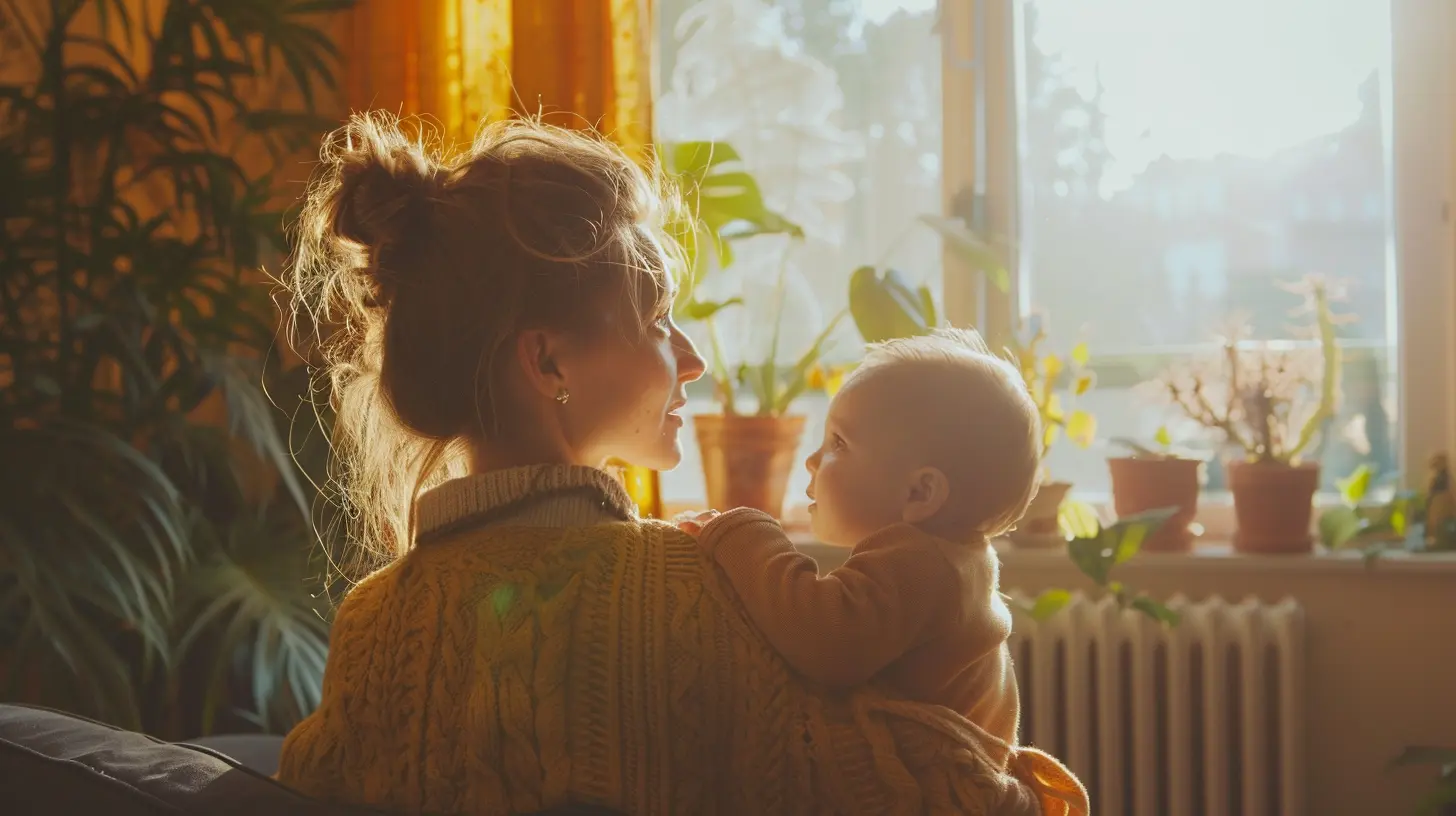
Ever noticed how your child mirrors your emotions? If you’re happy, they beam with joy. If you’re stressed, they become cranky or withdrawn. Kids are like emotional sponges; they pick up on your moods, even when you try to hide them.When you’re anxious, overwhelmed, or constantly on edge, your child senses it. Over time, this can make them feel uneasy, insecure, or even responsible for your emotions. They might not be able to articulate it, but they feel it deep down.
2. Increased Risk of Anxiety and Emotional Struggles in Children
Children thrive in environments where they feel safe and emotionally secure. If a parent is constantly struggling with stress or depression, it can create an unstable emotional environment. Studies show that kids with stressed or depressed parents are more likely to develop anxiety, mood disorders, or behavioral issues.Picture it this way: If you’re walking across a shaky bridge with no handrails, you’d feel unsafe, right? That’s how kids feel when their parents seem emotionally unstable. They crave a steady presence, and when that’s missing, they struggle to feel secure in the world.
Your Own Health Takes a Hard Hit
3. Chronic Stress Leads to Burnout
Ignoring your mental health doesn’t just affect your kids—it takes a toll on your body, too. Constant stress without relief can lead to burnout, a state where you feel physically, mentally, and emotionally drained.Signs of burnout in parents include:
- Constant exhaustion, no matter how much sleep you get
- Feeling detached or emotionally numb
- Increased irritability and decreased patience
- A sense of hopelessness or feeling “stuck”
If left unchecked, burnout can turn into more serious mental health conditions like depression or anxiety disorders.
4. Physical Health Declines as Well
Your mental health and physical health are closely connected. When you’re emotionally struggling, your body often reacts in unhealthy ways. Stress hormones surge, weakening your immune system, increasing your risk of heart disease, and even affecting digestion.Ever noticed how you get sick more often when you’re overwhelmed? That’s not a coincidence. It’s your body waving a red flag, begging for some self-care.

The Struggle with Parenting Effectiveness
5. Difficulty Being Present with Your Kids
When you’re mentally drained, it’s hard to be fully present. You might find yourself zoning out while your child tells you about their day or feeling too exhausted to engage in play.Over time, this lack of connection can create emotional distance between you and your child. They may not verbalize it, but they’ll sense something is off. A parent’s presence—both physically and emotionally—is what makes a child feel truly loved and valued.
6. Increased Parental Guilt
Ignoring your mental health doesn’t just make parenting harder—it also piles on guilt. When you’re overwhelmed and snappy, you might regret your reactions. You didn't mean to lose your patience, but the stress got the best of you.The cycle of stress, irritation, guilt, and more stress can feel never-ending. The best way to break free? Prioritizing your mental health before it reaches that breaking point.

Why Self-Care is NOT Selfish
Many parents struggle with the concept of self-care because guilt convinces them it’s selfish. But here’s the truth: taking care of yourself is one of the greatest gifts you can give your children.Think of yourself as a car. If you constantly run on an empty tank, how far can you really go? Sooner or later, you’ll break down. But when you refuel regularly, you keep going strong—for yourself and for your kids.
Practical Ways to Take Care of Your Mental Health
If you’ve been neglecting yourself, it’s never too late to change things. Here are some simple yet powerful ways to care for your mental health as a parent:1. Prioritize Sleep
Sleep deprivation can make even the most patient parent feel irritable and moody. Try to get quality rest, even if it means letting the dishes sit overnight.2. Say Yes to Help
You don’t have to be a superhero. Accept help from family, friends, or even consider a babysitter when you need a break.3. Set Boundaries
Learn to say no to commitments and obligations that drain you. You’re allowed to protect your energy.4. Find a Support System
Talk to other parents, join support groups, or seek therapy when needed. You’re not alone in this journey.5. Take Guilt-Free Breaks
Whether it’s a 10-minute meditation, a solo walk, or a relaxing bath—allow yourself small moments of joy throughout the day.6. Model Healthy Coping Strategies
Your kids watch you more than they listen to you. When they see you prioritizing self-care, they learn to do the same for themselves in the future.Final Thoughts
Ignoring your mental health as a parent doesn’t just affect you—it impacts your children, your well-being, and your ability to parent effectively. Parenting is demanding, but trying to pour from an empty cup only leads to exhaustion, frustration, and guilt.By taking care of your mental health, you become a happier, more present, and more patient parent. And in the end, a healthier you means a happier home. So, take that deep breath, put yourself on your priority list, and remember: self-care is not a luxury—it’s a necessity.
all images in this post were generated using AI tools
Category:
Parenting MistakesAuthor:

Austin Wilcox
Discussion
rate this article
2 comments
Keira Morrow
Neglecting your mental health as a parent? That's like ignoring the fuel gauge—eventually, you're not just out of gas, but lost!
March 2, 2026 at 4:32 AM
Austin Wilcox
That's a great analogy. Taking care of ourselves is essential for being present and effective as parents. We can't pour from an empty cup.
Zevonis McEvoy
Absolutely! As parents, we often prioritize our kids’ needs, but nurturing our own mental health is equally essential. A happy parent creates a happier home for everyone!
February 16, 2026 at 3:58 AM
Austin Wilcox
Thank you for highlighting that! Prioritizing our mental health is crucial for not just ourselves, but for our families too. A balanced mind fosters a joyful home.