Tracking Your Baby’s Cognitive Development Through Peek-a-Boo and Other Games
27 February 2026
Watching your baby grow is like watching a sunrise—every moment brings something new, something brighter. From their first smile to their first giggle, it’s magical (and sometimes mysterious) figuring out what’s going on in their tiny, ever-evolving brains. But what if I told you playing a simple game like peek-a-boo can actually help you track your baby’s cognitive development?
Sounds too good to be true, right? But stick with me. This isn’t just about keeping your baby entertained—this is about understanding how they think, learn, and develop during those crucial early months. Let’s walk through how classic games like peek-a-boo and other playful activities can give you a front-row seat to your baby’s cognitive growth.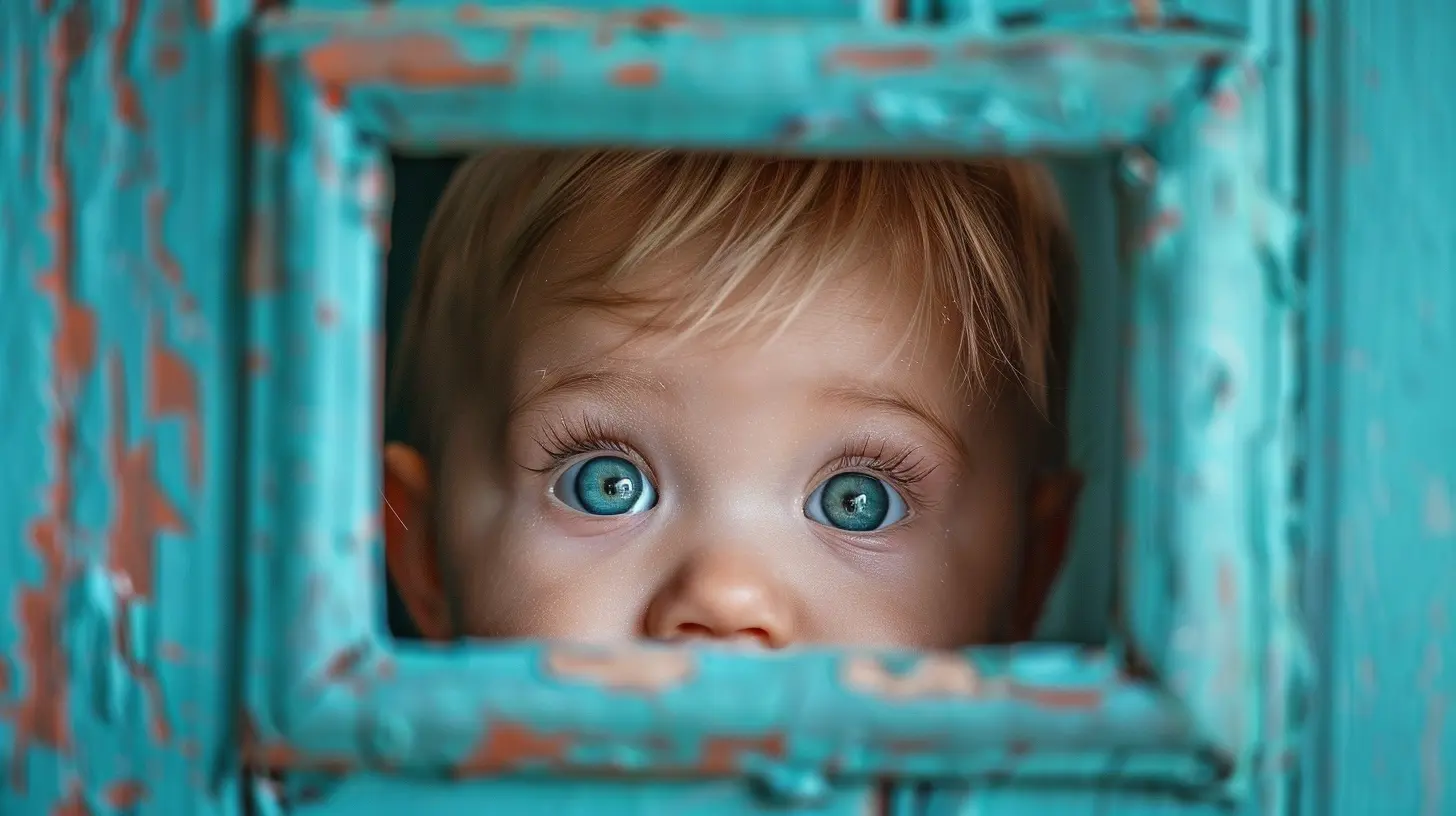
What Is Cognitive Development In Babies?
Before diving into the games, let’s break down what cognitive development even means. In super simple terms, it’s how your baby learns to think, explore, remember, recognize things, and solve little problems.Think of your baby’s brain like a sponge—soaking up everything around them. From the moment they’re born, they’re figuring out:
- How cause and effect works (If I cry, mommy comes!)
- What faces mean (That smile = happy feelings)
- Who’s familiar and who’s new
- How to use their body to make things happen (like reach out for a toy)
Every day is a new learning experience.
Peek-a-Boo: Way More Than Just Giggles
Okay, so peek-a-boo might just seem like silly fun (and let’s be honest, it is). But beneath the surface, it's a powerful game for your baby’s brain.Teaching Object Permanence
The main reason peek-a-boo is so great? It helps your baby learn something called “object permanence.” This is the understanding that things (and people) still exist even when they’re out of sight.When you hide your face behind your hands, disappear behind a couch, or duck under a blanket and then pop back up, your baby is learning that just because they can’t see you doesn't mean you're gone forever. This is a huge milestone that typically appears around 4 to 8 months.
Before object permanence: Out of sight—totally out of mind.
After object permanence: Out of sight? Hmm… still around somewhere.
This game is your baby’s first lesson in how the world works.
How To Spot Developmental Milestones During Peek-a-Boo
So now that we know peek-a-boo is more than just giggles, how do we use it to track development? Let’s break it down by age.0–3 Months: The Observers
At this stage, your baby isn’t quite ready to understand the rules of peek-a-boo, but they’ll love watching your face, hearing your voice, and following your movement. These are signs they’re starting to process sensory input, a foundational step in cognitive growth.Look for:
- Eye-tracking your face or hands
- Smiling in response to your voice or facial expressions
- Brief attention spans that slowly increase
4–6 Months: The Engagers
Now they’re more interactive. They might start laughing when you pop out or even try to reach for your hands. Their memory is developing, and they’re starting to anticipate outcomes—“Ah, here comes mom’s silly face again!”Look for:
- Anticipating your return during peek-a-boo
- Showing surprise or delight
- Imitating you or trying to initiate interaction
7–12 Months: The Participants
Object permanence fully kicks in during this period. Your baby may pull the blanket off your face themselves or ‘hide’ during play. They’re beginning to understand routines and consequences.Look for:
- Actively participating in the game
- Looking where you were if you disappear
- Showing separation anxiety (a sign they know you're still around even when you're gone)
Other Games That Support Cognitive Development
While peek-a-boo steals the spotlight, it’s not the only game pulling developmental weight. Let’s dive into a few more baby-friendly activities that help track and shape cognitive growth.1. Hide-and-Seek With Toys
Start simple. Hide a toy under a blanket while your baby watches. Then, uncover it together. Eventually, let them try to find it.What it teaches:
- Object permanence (yep, again!)
- Cause and effect
- Problem-solving skills
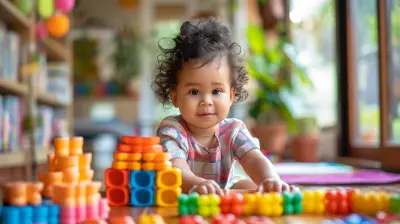
2. Stacking and Sorting Toys
It might look like random banging and dumping, but there’s a method to the madness. These activities sharpen memory, reasoning, and hand-eye coordination.What to watch for:
- Baby trying to fit a square peg into a square hole
- Managing to stack 2–3 blocks
- Recognizing patterns in shapes and colors
3. Mirror Play
Babies love faces, especially their own. When you sit in front of a mirror together, point to things (“Where’s your nose?”), they start connecting their body to their reflection.Why it matters:
- Promotes self-awareness
- Encourages visual tracking
- Helps with emotional recognition
4. Simple Cause-and-Effect Toys
Toys that light up or make a sound when touched teach your baby that their actions create results. This “I do this, that happens” realization is a big leap!Focus points:
- Repeating an action for a result
- Mimicking your demonstration
- Realizing their control over their environment
5. Singing and Rhyme Games
Songs like “Itsy Bitsy Spider” combine rhythm, repetition, and hand motions. They boost memory and teach pattern recognition.Cue in on:
- Attempts to mimic hand motions
- Predicting what comes next in the song
- Repeating sounds or syllables
Why Playtime Is Serious Business
Here’s the truth: Playtime isn’t just downtime. It’s learning time in disguise. The happiest babies are the ones who get the freedom to explore, mess things up, and figure out how things work at their own pace.You don’t need fancy gizmos or flash cards. Your time, voice, face, and hands are the most powerful tools in your baby’s world. Games are your secret parenting superpower—they’re how your baby learns best.
Signs Your Baby Might Be Behind
Every baby develops differently, but it’s handy to know when to flag potential concerns. If your baby consistently avoids eye contact, doesn’t respond to their name by 9 months, or isn’t trying to interact during play by their first birthday, check in with your pediatrician. Trust your gut—you're with them the most, after all!How To Encourage Cognitive Growth Through Everyday Moments
You don’t have to carve out special “learning” time. Everyday activities can be packed with brain-boosting benefits.- Diaper changes become language lessons (“Let’s lift your legs!”)
- Bath time turns into splash physics
- Feeding becomes a sensory adventure
Narrate your actions, exaggerate facial expressions, and always respond when they coo or babble. That back-and-forth forms the foundation of communication and problem-solving.
Create Your Own “Development Dashboard”
No need for a spreadsheet, promise! But mentally keep tabs on how your baby reacts to games like peek-a-boo over time.Ask yourself:
- Are they more engaged than last month?
- Are they starting to anticipate or initiate?
- Are they showing curiosity?
Even subtle changes—like looking behind your hands faster—are big cognitive leaps.
Don’t Forget: Enjoy the Giggles
While tracking milestones is helpful, don’t pressure yourself—or your baby—for perfection. Being present during playtime is more important than getting it “right.” Some days they’ll giggle non-stop, others, they might just stare blankly. It’s all part of the process.So next time you hear that squeal of laughter after a good ol’ round of peek-a-boo, know that you’re not just playing—you’re shaping that beautiful little mind.
Final Thoughts
Peek-a-boo might be one of the most underrated baby games out there. But now you know—it’s a powerhouse for building brain connections, teaching object permanence, and giving you real-time feedback on your baby’s cognitive growth.So go ahead, make goofy faces, hide behind a pillow, and pop out with the most dramatic "Boo!" you can muster. You're not just a parent; you’re your baby’s first teacher, and play is your classroom.
all images in this post were generated using AI tools
Category:
Infant DevelopmentAuthor:

Austin Wilcox
Discussion
rate this article
2 comments
Sawyer McVicar
Engaging in simple games like peek-a-boo not only sparks joy but also nurtures your baby's cognitive growth! Embrace these moments—they're foundational milestones in your little one's development.
March 25, 2026 at 5:24 AM
Austin Wilcox
Absolutely! Simple games like peek-a-boo are essential for cognitive development, fostering joy and critical milestones in your baby's growth. Embrace these playful moments!
Uzi Gomez
Engaging in simple games like peek-a-boo nurtures your baby's cognitive growth and strengthens your bond. These moments of joy lay the foundation for curiosity and learning in their early years.
March 3, 2026 at 4:44 PM
Austin Wilcox
Thank you for your insightful comment! Peek-a-boo truly plays a vital role in fostering both cognitive development and emotional connection.