Transforming Everyday Chores Into Learning Opportunities
16 May 2026
Let’s be real — chores aren't exactly the most exciting part of our day. Whether it's folding laundry, washing dishes, or organizing that never-ending pile of toys, most of us would rather be doing, well… anything else. But here's the secret sauce many parents overlook: those humdrum tasks you do every day? They’re actually golden opportunities for your kids to learn and grow.
Now, before you roll your eyes and say, “Seriously? Are we turning taking out the trash into a lesson plan?”, hear me out. Because yes, we are. And it’s way easier (and more powerful) than you think.
The Hidden Classroom in Your Home
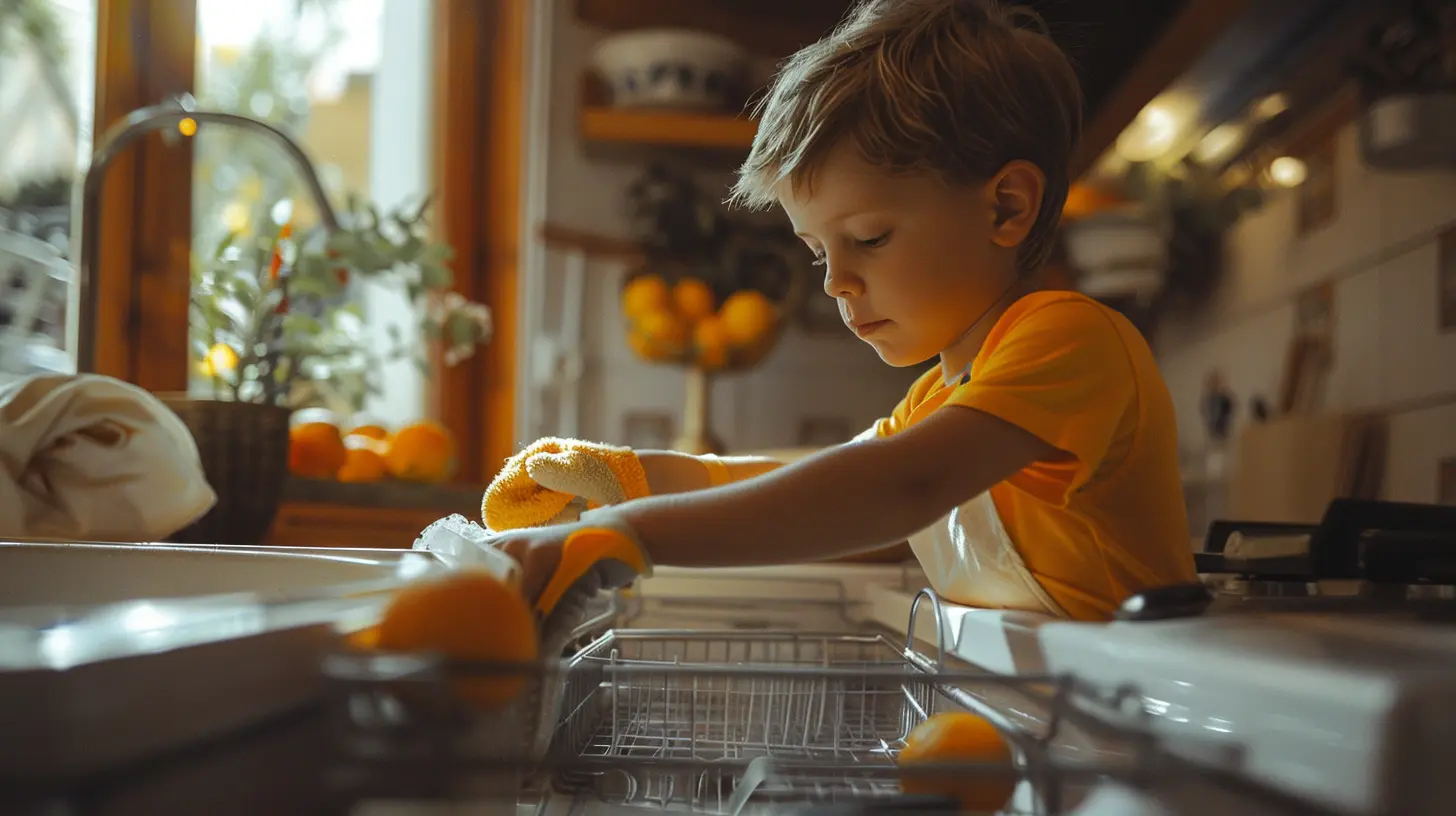
Our homes are the first and most consistent learning environments our kids have. Schools may get all the credit, but where kids really build their habits, confidence, and character is under our own roofs. Every time you do something as seemingly mundane as wiping a counter, your child sees you managing life. It’s not glamorous, but it’s real — and real-life skills matter.So, what if instead of trying to fit learning into your child’s schedule, you folded it right into your everyday activities? That’s where the magic happens.
Why Chores Make Perfect Teaching Moments
Chores already have structure, purpose, and results — the trifecta of a perfect learning setup. Think about it:- Structure: There's a defined beginning, middle, and end.
- Purpose: You’re doing something that contributes to the household.
- Results: You see (and feel) the outcome right away.
This makes chores a natural setting for kids to learn responsibility, time management, problem-solving, and even emotional regulation (hello, patience!).
Teaching Core Skills Through Chores
Let’s break it down — here’s how everyday tasks around the house can become fun, engaging, and even educational.1. Math in the Kitchen? You Bet.
Cooking meals or baking cookies might feel like just another to-do, but it’s full-on math class in disguise.- Measuring ingredients helps younger kids understand volume and units of measurement.
- Doubling a recipe? Now we're into multiplication and fractions.
- Timing the oven? Hello, telling time and understanding sequences.
Plus, there's a tasty reward at the end — way better than a pop quiz.
> Tip: Ask your child, “If we need 1 ½ cups of flour, how many half-cups is that?” Boom. You're sneak-teaching fractions.
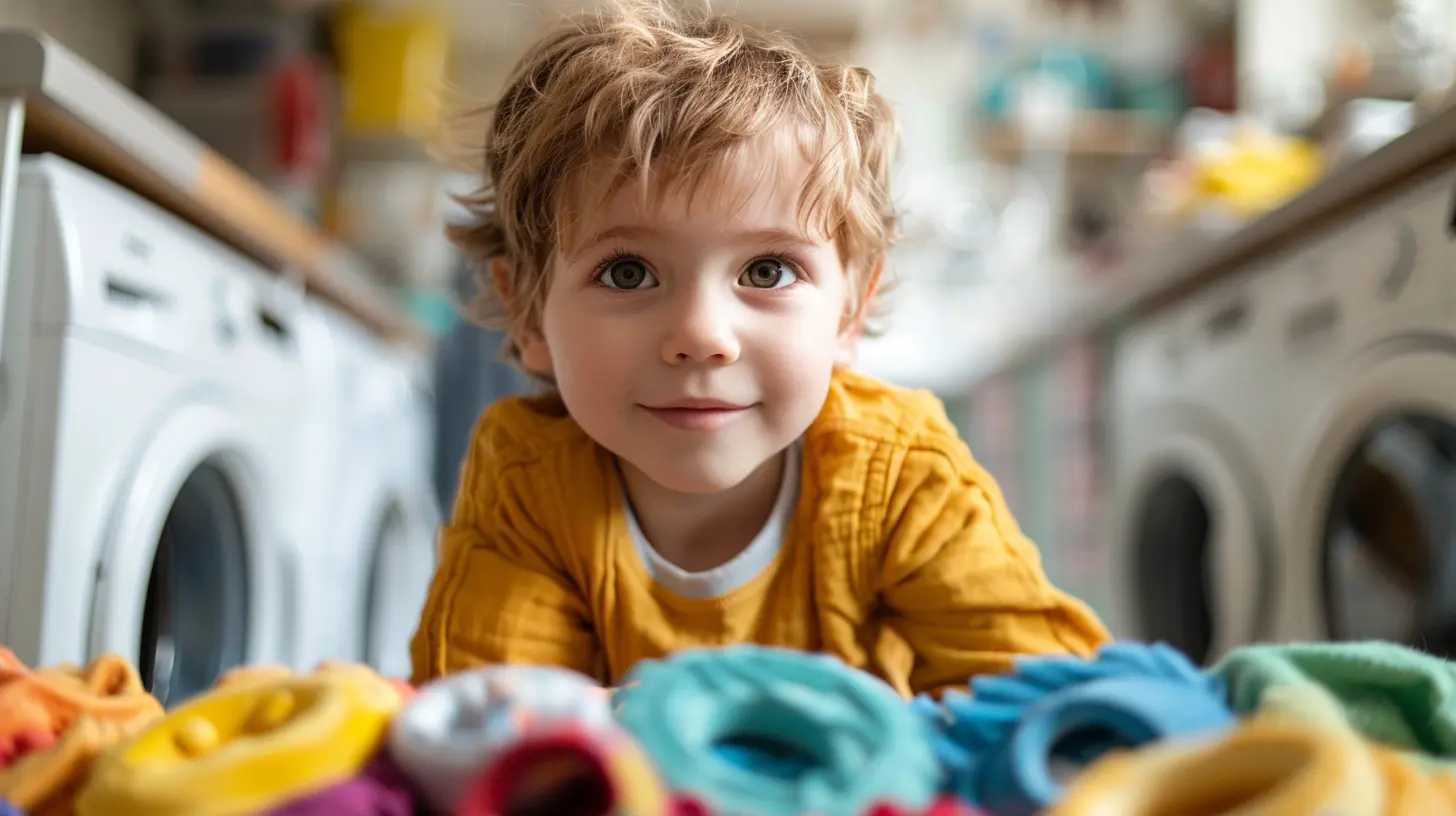
2. Sorting Laundry = Early STEM Concepts
Laundry day is a chore for sure, but it’s also a goldmine for classification and organization skills. You can:- Sort clothes by color, size, type, or family member.
- Talk about fabrics, water temperatures, and why some clothes shrink.
- Introduce the idea of systems — how everything has its place.
This kind of sorting is foundational to STEM subjects — science, tech, engineering, and math.
3. Cleaning Up Builds Responsibility
Okay, no kid loves cleaning their room, but that's kind of the point. Teaching them to clean up after themselves nurtures personal responsibility and ownership. Instead of doing it for them (and low-key grumbling), invite them into the process.- Create a simple checklist they can follow.
- Offer small rewards — not bribes, but milestones.
- Talk about how keeping a clean space feels good emotionally.
When they learn their environment reflects their actions, it’s a lightbulb moment.
4. Grocery Shopping Turns Into Life 101
Bring them along to the store (yes, it takes longer, but it’s worth it). Grocery shopping teaches:- Budgeting: Give them a budget and help them choose snacks that fit within it.
- Reading labels: Nutrition meets literacy.
- Planning ahead: Meal planning? That’s executive functioning practice.
Let them help make a list, compare prices, or even place an online grocery order. All of these are transferable life skills.
> Bonus: You’re less likely to leave with $20 worth of candy when they're busy price-checking bananas.
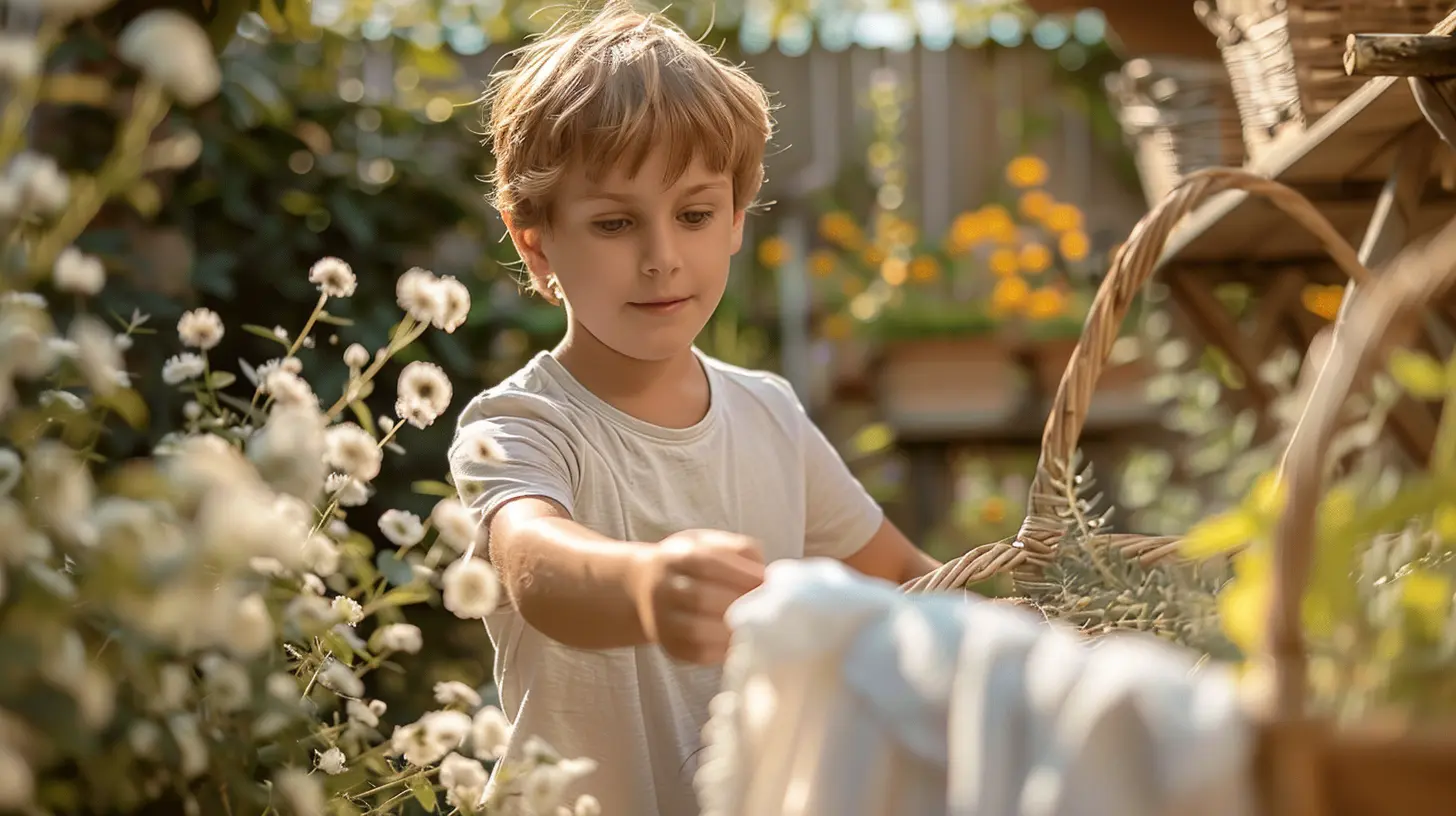
5. Yard Work Teaches Persistence and Science
Pulling weeds isn’t glamorous — it’s dirty, sweaty, and honestly a bit annoying. But it’s also a powerful teacher.- Teaches persistence: Not everything is fun, but it still has to get done.
- Builds physical coordination: Especially for younger kids using tools.
- Encourages curiosity: Why do weeds grow back faster than flowers? What bugs live in the soil?
Fast forward a few years, and your kid might be the only adult on the block who actually knows how to care for their garden (and their responsibilities).
6. Fixing Things Builds Confidence
When something breaks, kids often see adults fix it — but imagine letting them help. Simple repairs, like changing batteries, tightening screws, or patching up a favorite toy, bring out their inner engineer.- Sharpens fine motor skills
- Encourages problem-solving
- Builds confidence in their abilities
There’s something incredibly empowering about saying, “Hey, we can figure this out together.”
7. Pet Care Nurtures Empathy
Feeding the dog, cleaning the litter box, or walking the hamster (hey, we don’t judge your pets!) are powerful for emotional development.- Teaches routine and consistency
- Builds empathy and care for another living being
- Encourages observation — is the pet acting normally? Eating enough?
These aren’t just chores — they’re relationship builders.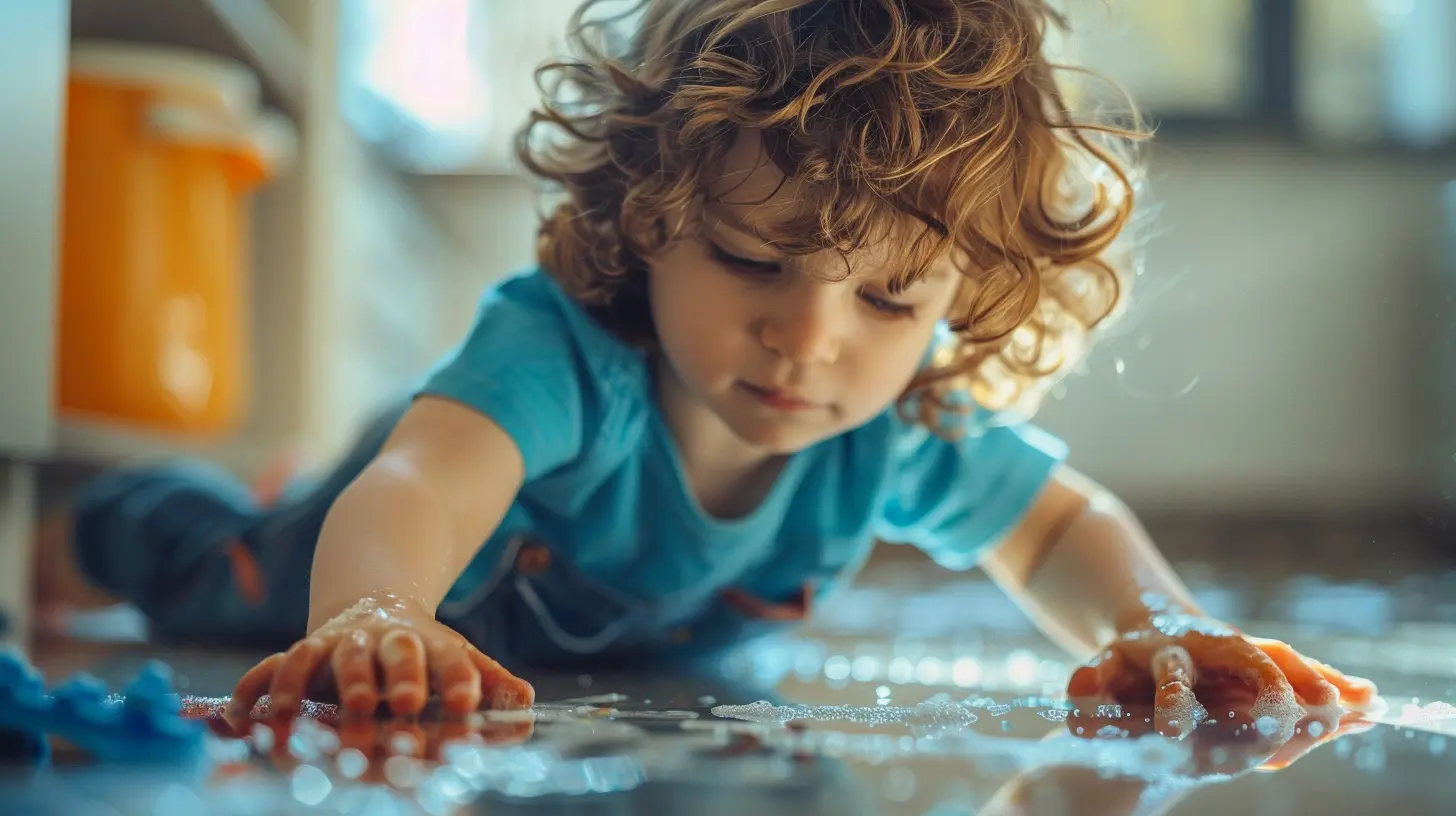
Shift The Mindset: From “I Have To” to “We Get To”
Here’s the real game-changer: it’s not just about what your kids are doing — it’s how you frame it. If chores are always presented as punishments or burdens, that’s how they’ll feel about them. But if they’re shared experiences with rewards, laughter, and real-life impact? Totally different vibe.Try saying:
- “Let’s see how fast we can clean this up together!”
- “Want to be in charge of breakfast this Saturday?”
- “You’re my official laundry sorter. I can’t do it without you.”
Let them feel important. Because they are.
Chores Teach More Than You Think
Sure, they might not be solving algebra equations while pairing socks. But they are:- Developing work ethic
- Gaining independence
- Learning cooperation
- Practicing communication
- Building self-confidence
These are the intangible superpowers that no school curriculum can fully teach.
Making Chores Age-Appropriate (And Fun)
Let’s be honest — a toddler won’t mow the lawn (unless you’re really hands-off). But no matter their age, kids can help in a meaningful way.For Toddlers (2-4 years):
- Putting toys away
- Wiping spills with a cloth
- Matching socks
- Feeding pets with supervision
For Preschoolers (4-6 years):
- Making the bed
- Setting the table
- Watering plants
- Helping with simple cooking tasks like stirring
For School-Age (7-10 years):
- Folding laundry
- Sweeping floors
- Packing their own lunch
- Organizing books or supplies
For Tweens and Teens:
- Doing full loads of laundry
- Vacuuming
- Cooking simple meals
- Managing grocery lists
> Pro tip: Rotate chores so kids don’t feel stuck doing the same thing forever.
Celebrating Progress (Not Perfection)
Let's be real — their version of "making the bed" might look like a half-hearted blanket toss. And their idea of "folding clothes" might involve more wrinkles than you care to admit. But the point isn’t perfection. It’s participation.When you celebrate effort over outcome, you're building a sense of internal motivation. That’s a lifelong gift.
Say things like:
- “I love how you tried that all by yourself.”
- “Thanks for helping — that made a big difference.”
- “I noticed how carefully you did that. Nice job!”
Those words? They stick with them.
Final Thoughts: Raising Capable, Confident Humans
Every spilled cup, misfolded towel, and wonky sandwich is evidence that your child is trying — and that you're giving them space to grow. That’s powerful parenting right there.So next time you're knee-deep in dishes or battling Mount Laundry, invite them in. Not just to help, but to learn. You'll be surprised by how much they're capable of — and how much more connected you’ll feel.
Because at the end of the day, chores aren't just chores. They're tiny training grounds for life. And there's no better classroom than your own home.
all images in this post were generated using AI tools
Category:
Chores For KidsAuthor:

Austin Wilcox
Discussion
rate this article
2 comments
Eli Wilkerson
Who knew vacuuming could be an educational adventure? Just try to keep your toddler from launching the dust bunnies into outer space... Science experiment, maybe?
July 18, 2026 at 4:01 PM
Austin Wilcox
It's amazing how everyday tasks can turn into fun learning moments! Dust bunnies might just inspire the next great scientist.
Sylvia McAleer
Great tips! Turning chores into fun learning moments makes life easier and teaches kids valuable skills. It's amazing how a bit of creativity can turn tasks into adventures. Happy learning!
May 22, 2026 at 3:16 AM
Austin Wilcox
Thanks for your comment! I completely agree-creativity really does make chores more enjoyable and educational for kids. Happy transforming!