Turning Sibling Jealousy into a Learning Opportunity
13 April 2026
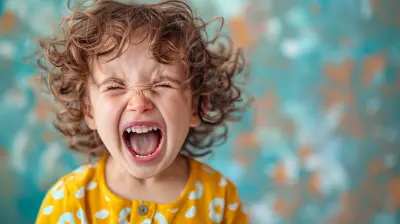
Let’s set the scene: One child gets a new toy. The other? Sudden meltdown mode. Cue screaming, crying, and dramatic flopping on the floor. Sound familiar?
Sibling jealousy. Ugh, the emotional rollercoaster of family life, right? It sneaks in like that uninvited guest who eats all your snacks and overstays their welcome. But here's the twist — sibling jealousy is not just a chaotic mess to clean up. Oh no, mama (or papa), it's actually the perfect chance to teach your kids lifelong emotional IQ skills. So buckle up, because we’re turning this parenting hurdle into an epic teachable moment.
What Is Sibling Jealousy, Anyway?
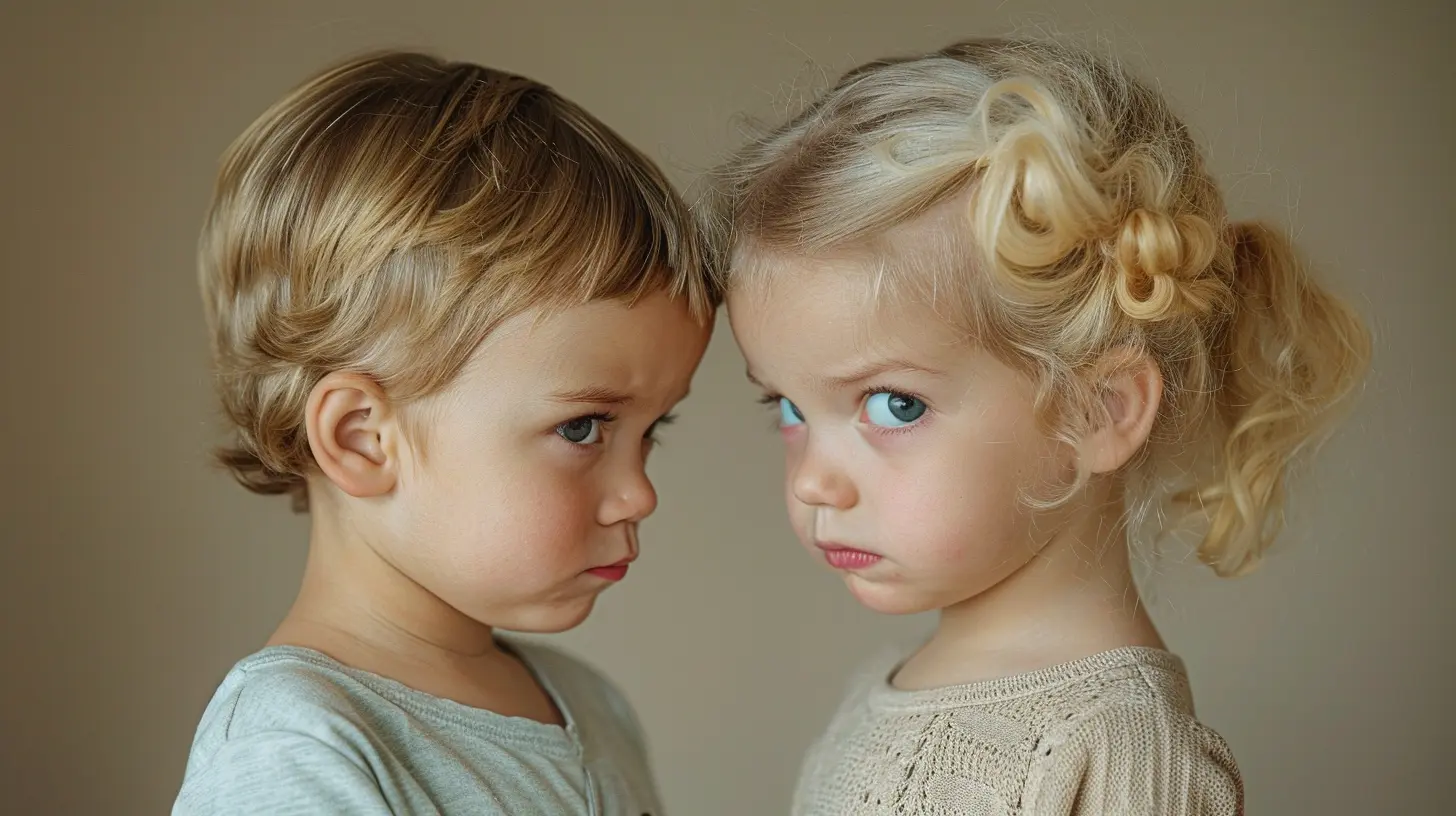
Let’s not sugarcoat it. Sibling jealousy is envy in a pint-sized package. It shows up when one child feels threatened by the attention, success, or possessions of a sibling. That new baby getting cuddles? That older brother with a later bedtime? Yeah, we're talking that kind of green-eyed monster. But jealousy isn’t evil — it’s human. It just needs some parenting jujitsu to redirect it.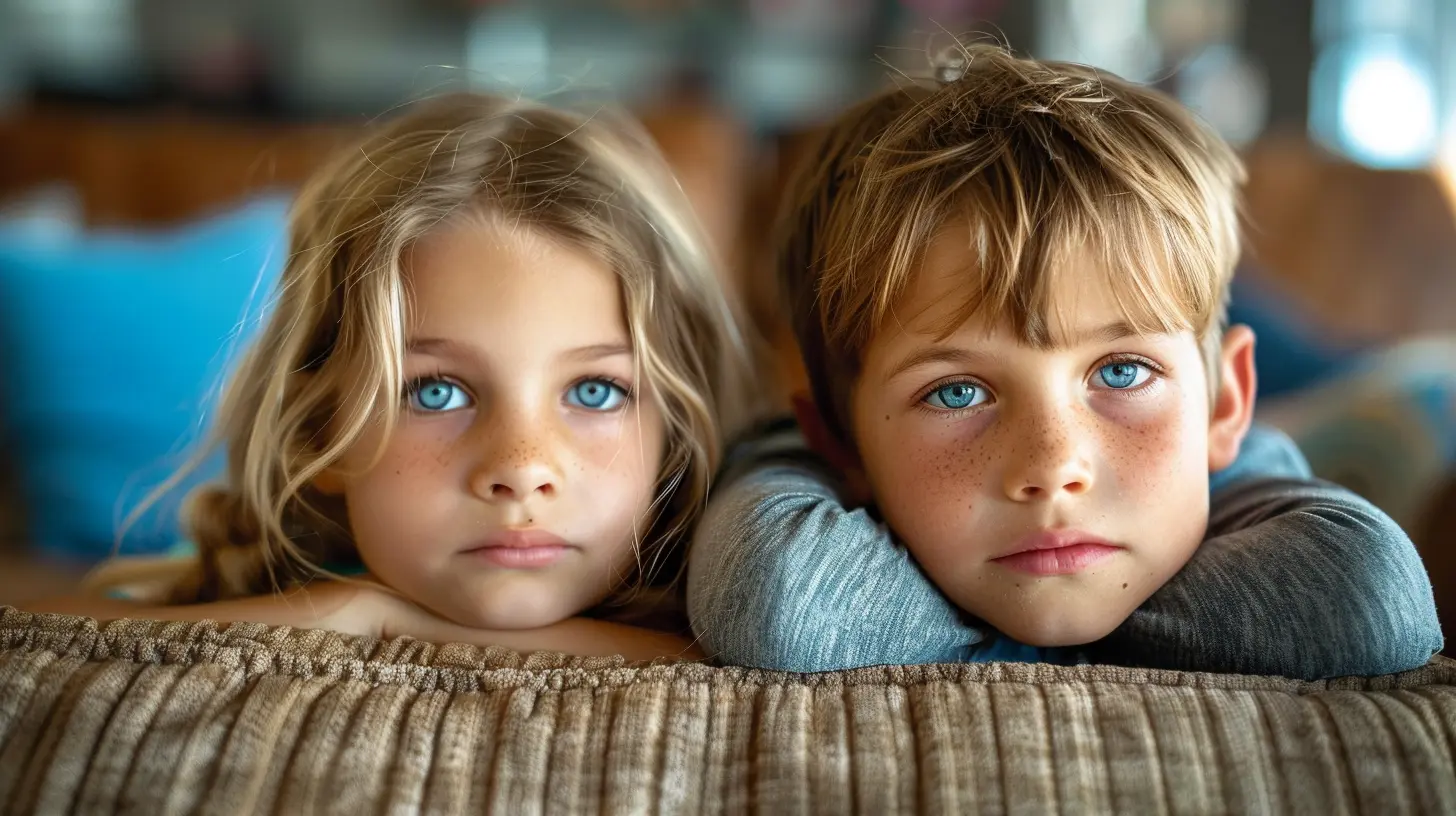
Why It’s Totally Normal (But Still Drives You Nuts)
Here’s the thing: jealousy is inevitable when you're raising multiple kids. Think about it — they’re sharing you, their most prized possession. Of course, they’ll notice when their sibling gets a bigger slice of the metaphorical (or actual) cake. It’s not about bad behavior; it’s about brain development. Kids are emotional sponges, but their filters? Not installed yet.So yes, it’s normal. Annoying? Absolutely. But also a golden opportunity.
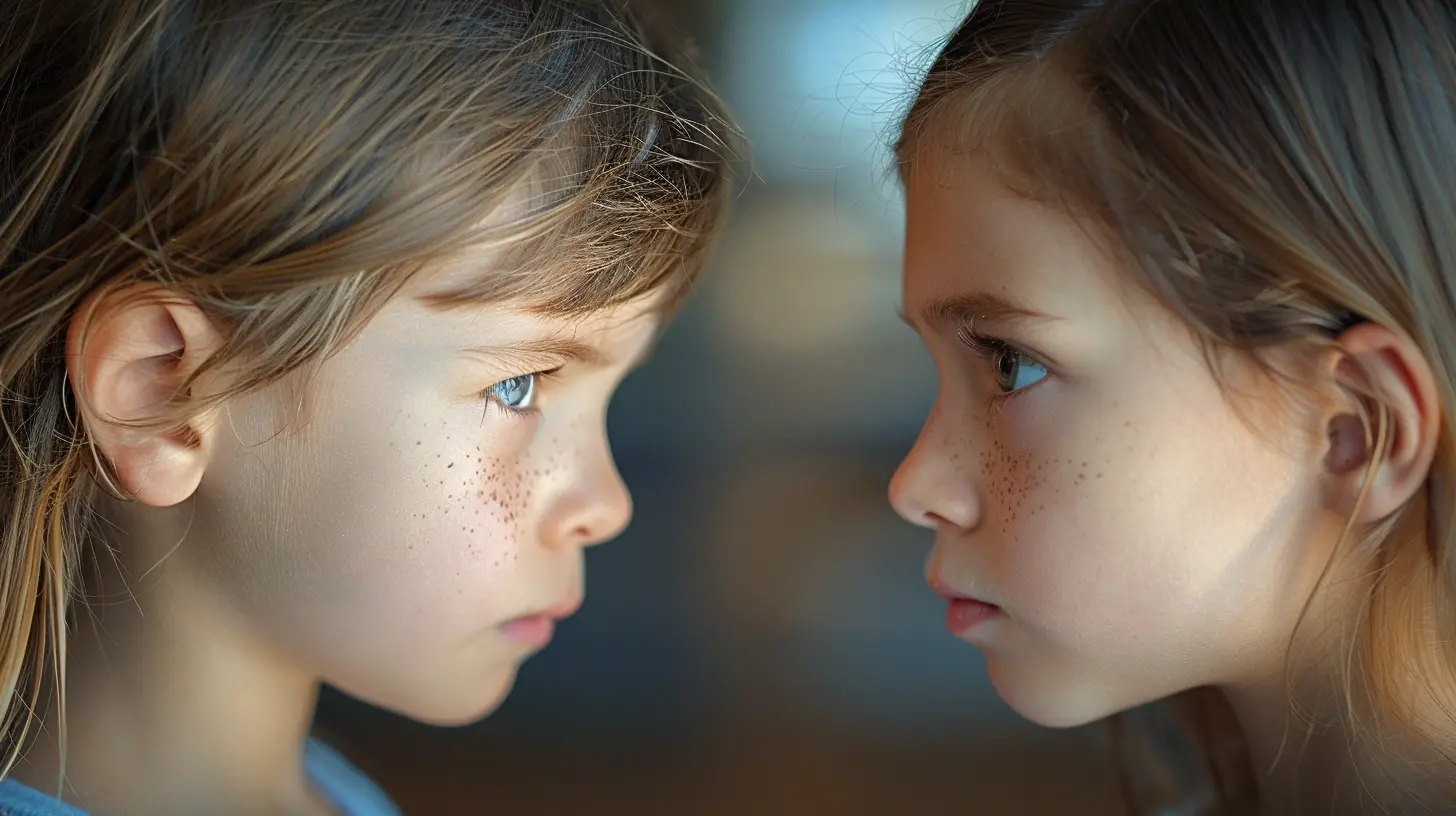
The Secret Sauce: Reframing Jealousy as a Learning Moment
Ever turn lemons into lemonade? Then you, my friend, are already halfway there. Sibling jealousy is your cue to teach empathy, communication, and self-awareness — all wrapped up in the messy package of real-life conflict.Let’s break down the strategy like we’re parenting ninjas.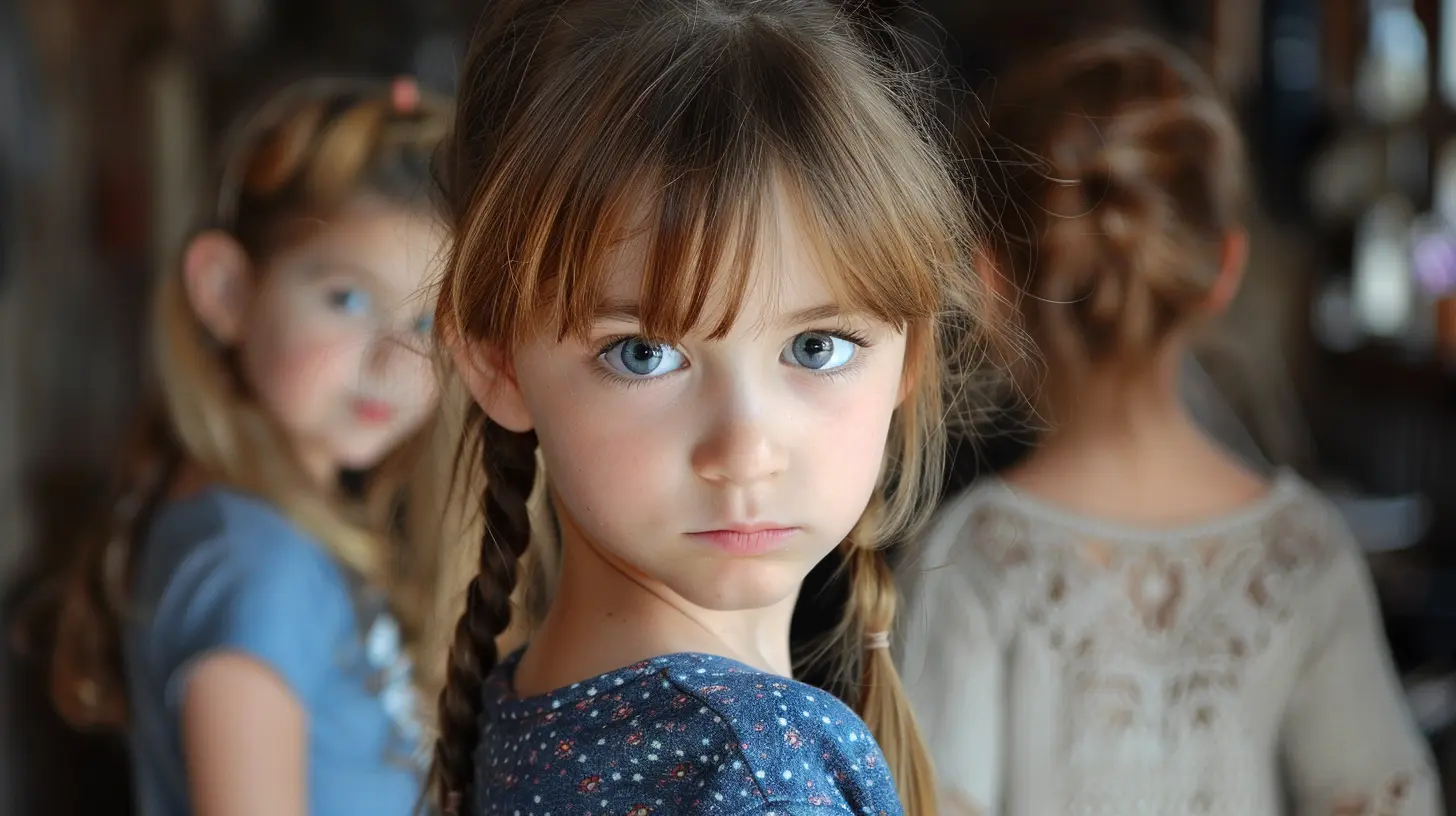
✨ Step 1: Spot the Green-Eyed Monster
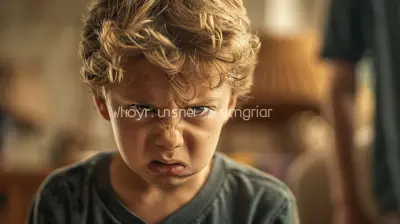
First, you’ve gotta recognize jealousy in action. Spoiler alert: it won’t always sound like “I’m jealous.” Kids are sneaky with their feelings. Look out for:- Sudden outbursts or tantrums
- Regression (hello thumb-sucking or baby talk!)
- Tattle-tailing to get attention
- Eye-rolls and cold shoulders during sibling praise
Once you spot it, label it. “It looks like you’re feeling upset your sister got that new game. Is that right?” Boom — you just taught your kid to name their emotions. Emotional literacy for the win.
😤 Step 2: Don’t Dismiss Their Feelings (Even If You Want to Roll Your Eyes)
It’s tempting to say, “Oh stop being ridiculous,” but that’s a fast track to shutdown city. Instead, validate their feelings. Say something like, “It’s okay to feel jealous sometimes — it happens to all of us.” You’re not giving them a pass to act out; you’re showing them it’s what you do with the feeling that matters.Remember, when kids feel heard, they don’t have to shout.
🧠 Step 3: Teach Emotional Intelligence in Real Time
Now that the emotional volcano has erupted, let’s build some EQ muscles.Ask open-ended questions:
- “What’s making you feel that way?”
- “What do you wish would happen instead?”
- “How do you think your brother felt when you grabbed his toy?”
Encourage perspective-taking. Teach them to look through their sibling’s eyes — because empathy isn’t just a buzzword; it’s a secret weapon.
🤝 Step 4: Encourage Cooperation Over Competition
Let’s ditch the sibling Olympics, shall we? No kid wins when they’re constantly compared.Avoid phrases like:
- “Why can’t you behave like your sister?”
- “Your brother doesn’t complain like you.”
Swap in:
- “You both have different strengths.”
- “Every person is special in their own way.”
Encourage joint activities where both kids win — baking cookies, team art projects, sibling scavenger hunts. Teamwork makes the dream work (and saves your sanity).
🎭 Step 5: Role Play Real-Life Situations
Roll up those sleeves and get dramatic. Role-playing helps kids rehearse how to handle jealousy in a safe, playful way. Pretend one is the jealous sibling, and the other is getting attention — then flip it. Talk through how each character feels and reacts.Bonus? You might just unlock some hidden acting talent (hello, Hollywood?).
➕ Step 6: Focus on Positive Reinforcement
Catch them doing something awesome — especially when they’re kind to their sibling. Praise the good behavior with laser focus:- “I saw how you shared your crayons. That was super thoughtful.”
- “Thanks for waiting your turn. That was really mature.”
This shifts their brain’s reward system from “act out = attention” to “cooperate = praise.”
🛑 Step 7: Don’t Force the Love
Let’s be real — siblings won’t always be besties, and that’s okay. You’re not crafting a Hallmark movie. You’re raising humans.Instead of forcing hugs and “say sorry”s that mean nothing, encourage authentic connection:
- Shared interests (from LEGOs to TikTok dances)
- Sibling inside jokes
- “Special sibling time” — just 10 minutes a day can be game-changing
Let their relationship grow naturally, even if it’s peppered with eye-rolls and silent treatments. It’s all part of that messy, beautiful sibling journey.
💥 Bonus Round: Model the Behavior You Want to See
Kids are mini copy machines. If they see you ranting about Aunt Karen getting the nicer Christmas gift, guess what? They’ll learn that comparison game early.Show them how to handle envy maturely. Say things like:
- “I felt a little jealous too, but then I remembered how lucky I am in other ways.”
- “It’s okay to want something someone else has. But being happy for them makes us stronger.”
Your self-awareness becomes their blueprint.
💡 Pro Parenting Hacks for Sibling Jealousy
Who doesn’t love a good shortcut? Here's a few parenting ninja tricks to keep in your back pocket:- One-on-one time: Even 15 minutes of undivided attention can soothe a jealous heart.
- Ownership of stuff: Give kids clear ownership over certain toys or clothes to reduce turf wars.
- Celebrate individuality: Highlight each child’s strengths, not just achievements.
- Shared responsibility: Let them solve conflicts together (supervised of course). It builds problem-solving AND reduces tattling.
🚧 When to Worry (and When to Chill)
Hey, not all sibling jealousy is harmless. If one child constantly bullies or excludes the other, it’s time to dig deeper. Sometimes jealousy masks deeper issues like anxiety, insecurity, or attention deficits.Here are red flags to watch:
- Physical aggression
- Constant name-calling or belittling
- Refusal to engage with family activities
- Over-the-top attention-seeking behavior
If the drama feels more like a toxic drama series than regular sibling squabble, consider talking to a child therapist. No shame.
🎉 Wrapping It All Up
Sibling jealousy is as inevitable as laundry. But instead of dreading it, treat it like a juicy teachable moment. With a little patience (and a LOT of deep breaths), you can help your kids turn envy into empathy, competition into cooperation, and tantrums into self-awareness.So the next time one of your kids screams “That’s not fair!”, don’t reach for the wine bottle just yet. Take a beat, channel your inner emotional coach, and remember: every meltdown is a masterclass in emotional growth — for them and for you.
Go forth and parent like the rockstar you are.
all images in this post were generated using AI tools
Category:
Sibling JealousyAuthor:

Austin Wilcox
Discussion
rate this article
2 comments
Yvette Hubbard
Transform envy into empathy, not rivalry!
April 22, 2026 at 2:58 AM
Austin Wilcox
I completely agree! Turning envy into empathy not only fosters stronger bonds but also helps everyone grow together.
Charlie Duffy
Thank you for this insightful article! It's a relief to know we can turn sibling jealousy into valuable lessons. I appreciate the practical tips!
April 14, 2026 at 4:04 AM
Austin Wilcox
Thank you for your kind words! I'm glad you found the tips helpful.