What to Expect When Breastfeeding a Preemie
11 September 2026
Bringing a baby into the world earlier than expected can be an emotional roller coaster. You go from dreaming about nursery colors to navigating NICUs and monitors. And then, there's breastfeeding. Feeding your premature baby comes with its own set of challenges—and triumphs. If you’re wondering what to expect when breastfeeding a preemie, you’re not alone. It's a journey many parents travel with a mix of hope, confusion, and overwhelming love.
Let’s break it all down so you feel empowered, not overwhelmed.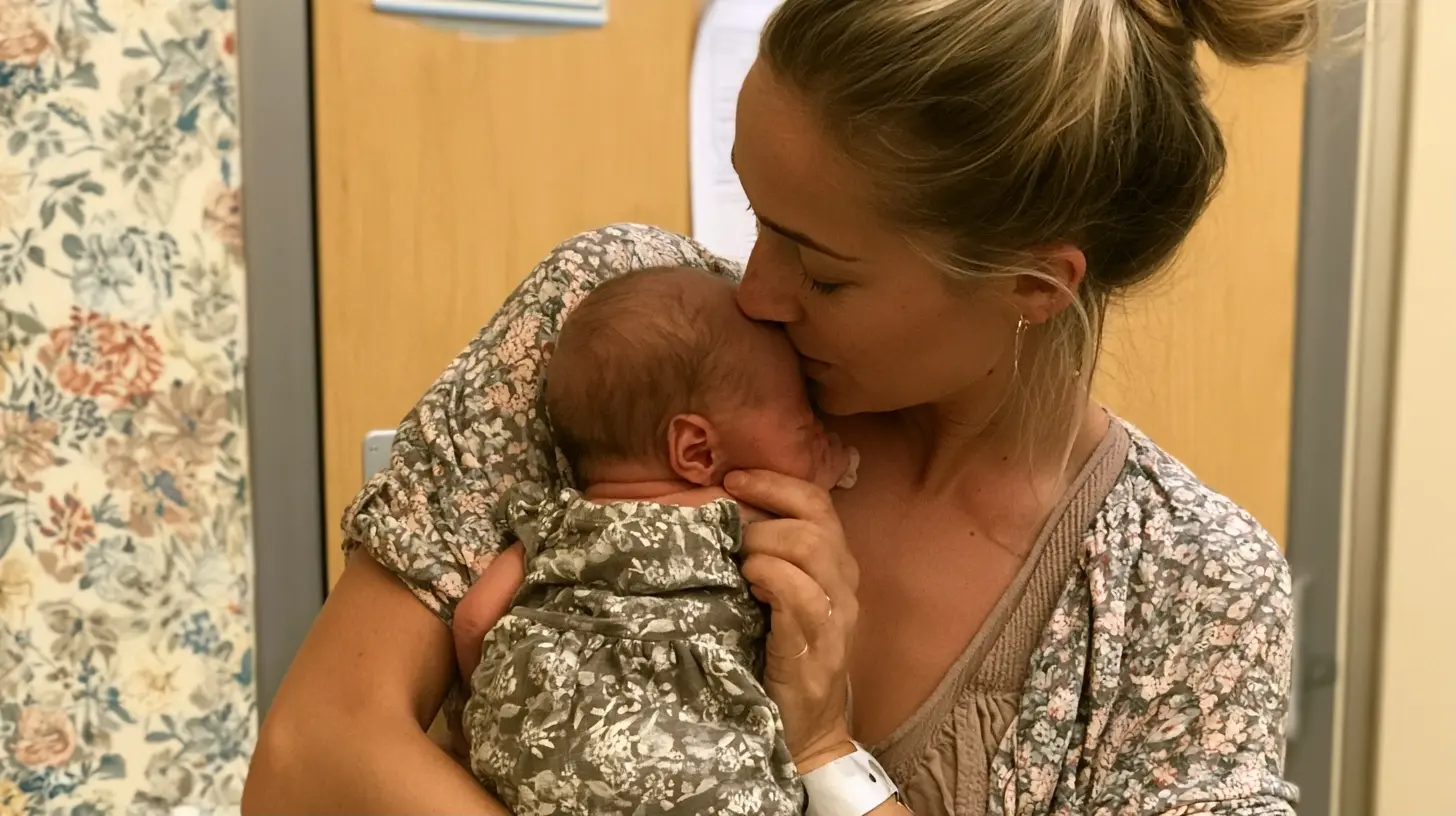
What Makes Breastfeeding a Preemie Different?
Premature babies—often lovingly called preemies—are born before 37 weeks of pregnancy. Depending on how early they arrive, their bodies may not be quite ready for some of the things a full-term baby can do, including sucking, swallowing, and breathing in a coordinated fashion for breastfeeding.Plus, your body may need some time to catch up too. You might not have the same hormonal signals triggering milk production as you would with a full-term birth. But don’t worry—your body is amazing, and so are modern options to support you and your baby.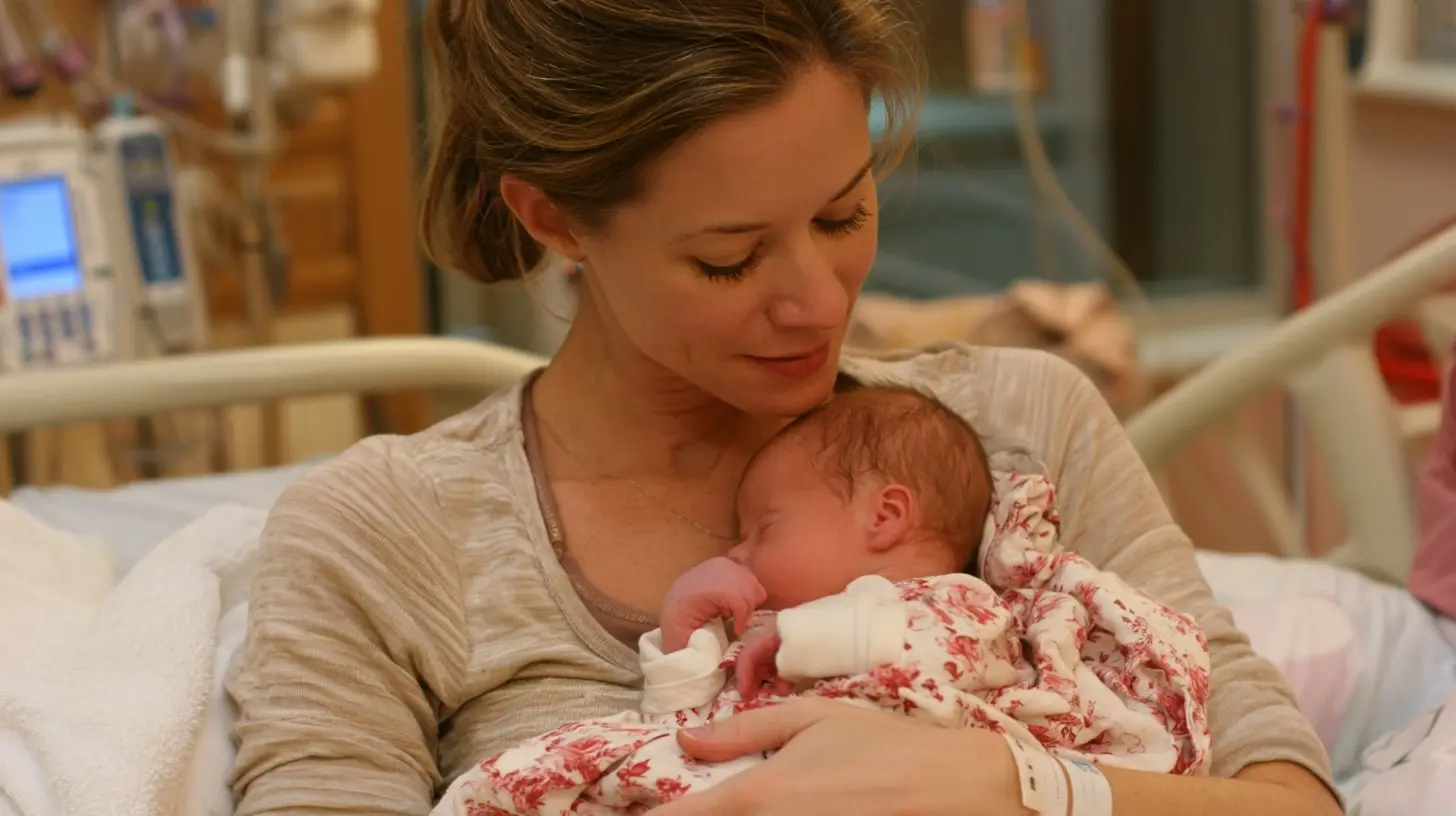
The NICU Environment: Your New Normal (For Now)
For many preemie moms, the Neonatal Intensive Care Unit (NICU) becomes your second home. It’s filled with beeps, tubes, and tiny miracles wrapped in blankets. Feeding here doesn't always mean putting baby to the breast right away. Instead, it often starts with pumping and expressing milk.Why Pumping Matters So Much
Here’s the deal: even if your baby can’t nurse directly just yet, your milk is still golden. Literally. Colostrum—the first milk your body produces—is packed with antibodies and nutrients tailor-made for your little one.That’s why most NICU journeys begin with a pump. Aim to pump 8–12 times a day, especially in the early weeks, to mimic a newborn's feeding pattern. Yes, it’s exhausting, but every drop counts.
Building Your Milk Supply: It’s a Marathon, Not a Sprint
Now, let’s get real for a minute. Establishing a good milk supply after a preterm birth isn’t always easy—and that’s okay. Some moms produce plenty from the start, while others take time to ramp up. There’s no “normal” here.Tips to Boost Your Milk Supply:
- Pump regularly: Every 2–3 hours, even during the night.- Skin-to-skin contact: Also known as kangaroo care, it helps with bonding AND milk production.
- Stay hydrated and nourished: Your body needs fuel to make milk.
- Relax and rest (when you can): Stress is a real milk-supply thief.
- Talk to a lactation consultant: They’re like personal trainers for breastfeeding.
And remember, every ounce you provide is valuable, whether it’s one bottle a day or full feeds.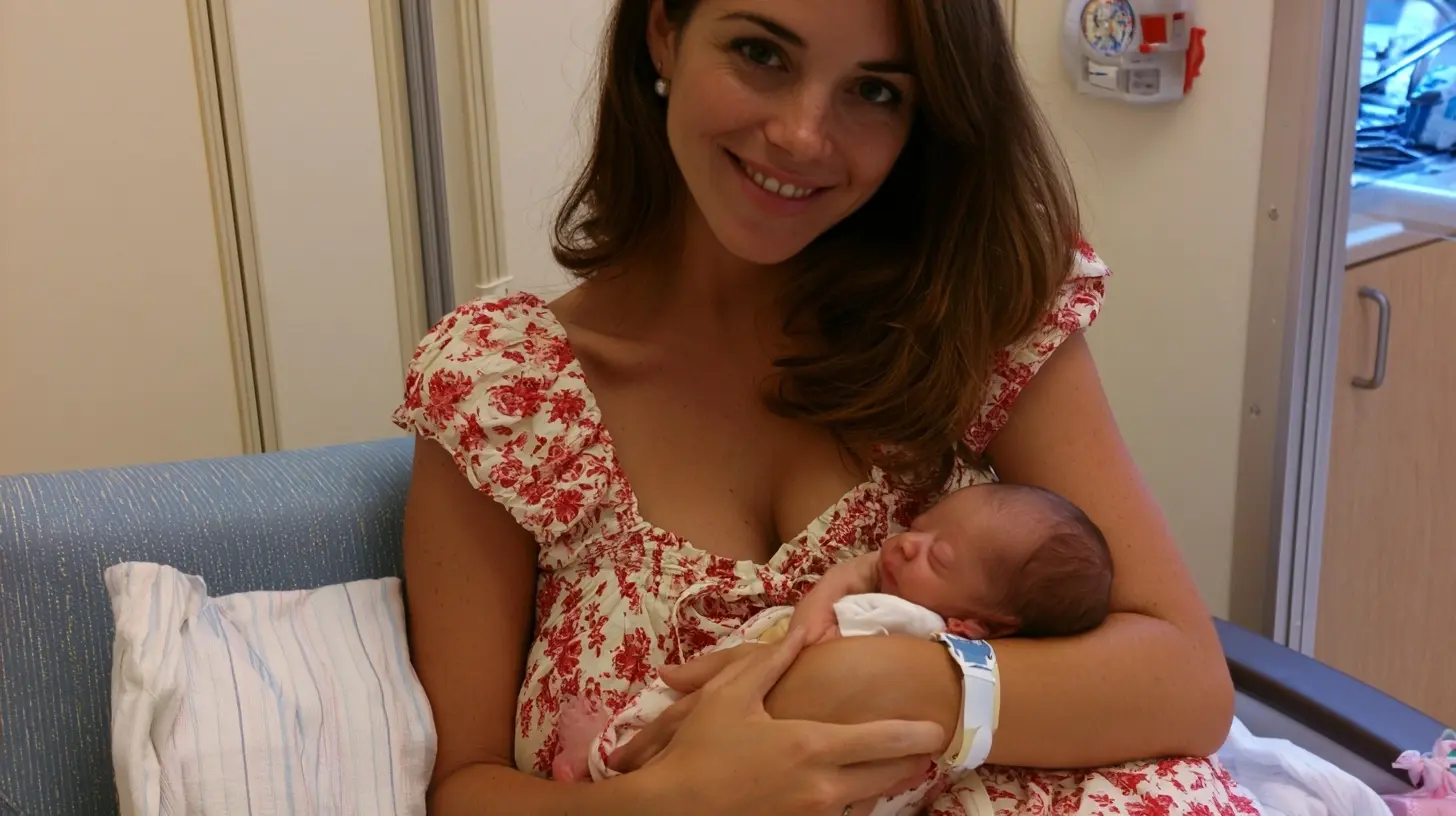
Feeding Options for Preemies
Since preemies often can’t latch right away, there are several ways your baby may receive your milk:Bottle-Feeding with Expressed Milk
Initially, your baby might be fed through a bottle or feeding tube using your expressed milk. This ensures they get your milk’s many benefits while working on building feeding skills.Donor Milk: A Beautiful Backup
If your supply needs time to ramp up, some hospitals offer pasteurized donor human milk. It’s a great short-term solution that keeps your baby on the breast-milk path while your body catches up.Tube Feeding (Gavage Feeding)
Tiny tummies sometimes need help. Gavage feeding involves a thin tube that runs from the nose or mouth into the stomach. It allows your preemie to get milk without needing to suck. As they grow stronger, this will change.When Can You Start Direct Breastfeeding?
This is the big question every preemie parent asks—and the answer is, it depends.Most preemies start showing feeding cues between 32 to 34 weeks gestational age. That’s when they can begin "non-nutritive sucking" at the breast—basically using the breast more for comfort and practice than actual feeding.
By about 36 to 38 weeks, many preemies become strong enough for real, nutritive breastfeeding. But again, this varies based on each baby’s readiness. You may notice signs like:
- They start rooting or turning toward the breast
- They stay awake longer during feeds
- They coordinate sucking and swallowing better
Pay attention to your instincts here. No one knows your baby like you do.
Positioning Tips for Breastfeeding Your Preemie
Breastfeeding a preemie often requires some additional finesse—and a lot of pillows.Try These Positions:
- Laid-back position: You recline slightly, and baby lies on your chest. Gravity helps with latch and comfort.- Football hold: Baby is tucked under your arm (like a football), supported on a pillow.
- Cross-cradle hold: Baby lies across your body, with your arm supporting their neck and back.
Try what feels most natural—and safe—for both of you. NICU nurses and lactation consultants can be absolute lifesavers here.
What Challenges Might You Face?
Let’s not sugarcoat it—breastfeeding a preemie can be tough. But knowing what might come helps you prepare.Common Hiccups Include:
- Low milk supply (initially)- Baby has trouble latching
- Slow weight gain
- Baby gets sleepy during feeds
- Juggling pumping and feeding schedules
It’s okay to feel frustrated. Many moms face tears, doubts, and setbacks on this road. Just don’t give up on yourself or your baby. Progress is seldom linear, and even small steps forward are meaningful.
How Dads and Partners Can Support
Yes, breastfeeding is a mom-and-baby thing—but partners play a huge role, too. Want to help? Here’s how:- Take over pump cleaning duties
- Encourage her—often!
- Handle feeding sessions if bottle-feeding expressed milk
- Be the shoulder to lean on (literally and emotionally)
- Participate in skin-to-skin with your baby too
Support isn’t just about tasks—it’s about being present and saying, “We’re in this together.”
When Supplementing Is Part of the Plan
Sometimes, doctors may recommend supplementing with formula if your baby needs more calories or isn’t gaining weight fast enough. Don’t take this as a failure—it’s just another tool to help your baby thrive.Remember, breastfeeding isn't all-or-nothing. You might do a combo of nursing, pumping, and formula. And that’s completely okay. Fed is best, and how you get there is entirely unique to your journey.
Celebrating Milestones (Big and Small)
The first time your baby latches—even for a few seconds—is worth a happy dance. So is the first full breastfeed, the day you wean off the pump, or when baby graduates from the NICU. Celebrate every step.Each moment reflects your persistence, strength, and love. No two journeys look the same, so try not to compare yours with others. This is your family's story.
Self-Care for Mama: You Matter Too
Let’s be honest: breastfeeding a preemie can feel like a full-time job on top of an already emotional experience. Don't forget to take care of YOU.- Sleep when you can
- Ask for help
- Say yes to meals, visits, and kindness
- Talk to someone—friend, therapist, online group
- Let go of guilt
You’re doing something amazing, but you’re human. Give yourself grace.
The Light at the End of the Tunnel
Eventually, your preemie will grow bigger and stronger. Feeding sessions will get easier. You may find a rhythm that doesn’t involve wires, pumps, or alarms. And while it might not be the journey you imagined, it can still be incredibly special and rewarding.Remember—there’s no one “right” way to breastfeed a preemie. There’s only the way that works for you and your baby.
Final Thoughts
Breastfeeding a preemie isn’t just about nutrition—it’s a dance of trust, patience, and connection. You’ll have ups and downs, tears and triumphs. But know this: every drop of milk, every cuddle, every minute spent pumping and rocking and soothing—it all matters.You’re not alone on this path. Lean on your village, trust your instincts, and keep going. Your baby may be small, but your love and determination are mighty.
all images in this post were generated using AI tools
Category:
BreastfeedingAuthor:

Austin Wilcox
Discussion
rate this article
2 comments
Rachel Barlow
While breastfeeding a preemie can be challenging, it also offers a unique bonding experience. It's essential to prioritize patience and support during this journey.
September 16, 2026 at 4:26 AM
Selena Porter
Thank you for sharing this insightful article. Breastfeeding a preemie can feel daunting, but your tips offer comfort and support. It's reassuring to know that every small effort counts. Your words remind us that patience and love are the most important ingredients in this journey.
September 14, 2026 at 2:36 AM
Austin Wilcox
I'm so glad you found the article helpful. Your kind words remind us all of the strength and love in this journey. Keep up the amazing work!