When Anxiety Causes Misbehavior: Understanding the Connection
9 May 2026
Parenting comes with its fair share of challenges, and one of the most puzzling is when children act out for no apparent reason. Tantrums, defiance, and outbursts can be frustrating, but what if these behaviors are driven by something deeper—like anxiety?
Many parents associate anxiety with quiet, withdrawn behavior, but it can also manifest as misbehavior. Understanding the link between anxiety and acting out can help parents respond with empathy rather than frustration. Let’s dive into why anxiety can lead to misbehavior and how to handle it effectively.
Anxiety and Misbehavior: What's the Connection?
Anxiety is a natural response to stress, but children don’t always have the words to express their fears and worries. Instead of saying, “I'm feeling anxious,” they might lash out, become defiant, or refuse to follow directions.Think of anxiety like an iceberg—what you see on the surface (the misbehavior) is just a small part of the bigger picture. Beneath the surface, your child may be struggling with overwhelming emotions they can't put into words.
Why Does Anxiety Lead to Acting Out?
Anxiety isn’t just a mental struggle; it affects the body and behavior too. Here’s how it can lead to misbehavior:- Fight-or-Flight Response: When kids feel anxious, their bodies go into survival mode. Some children “fight” by arguing, yelling, or even hitting. Others “flight” by running away or shutting down emotionally.
- Difficulty Processing Emotions: Young children, and even some older ones, haven't developed the emotional skills to cope with anxiety. Instead of talking about their worries, they express them through defiance or aggression.
- Overstimulation and Sensory Overload: Anxious kids are often sensitive to their surroundings. Bright lights, loud noises, or unexpected changes can push them into a state of distress, leading to meltdowns or misbehavior.
- Need for Control: Anxiety makes children feel powerless. In response, they may try to control situations through stubbornness, tantrums, or refusing to follow rules.
Signs That Misbehavior Is Actually Anxiety
Not every tantrum or outburst is rooted in anxiety, but certain patterns might indicate a deeper issue. Here are some signs to watch for:1. Sudden Outbursts Over Minor Issues
If your child has an extreme reaction to something small—like the wrong color cup or a slight change in routine—it could be anxiety at play.2. Frequent “Bad” Behavior in New or Unfamiliar Situations
Does your child get extra defiant in new places or when meeting new people? Social anxiety and general nervousness can show up as oppositional behavior.3. Trouble Sleeping or Frequent Nightmares
Anxious children often have racing thoughts at night, leading to sleep struggles. Tiredness can then make them extra irritable and prone to acting out during the day.4. Avoidance of Certain Activities or Places
If your child refuses to go to school, avoids social situations, or resists trying new things, anxiety could be behind their reluctance.5. Complaining About Physical Symptoms
Anxiety doesn’t just affect the mind—it can cause tummy aches, headaches, nausea, and other physical complaints. If your child frequently says they don't feel well but have no clear illness, anxiety may be the culprit.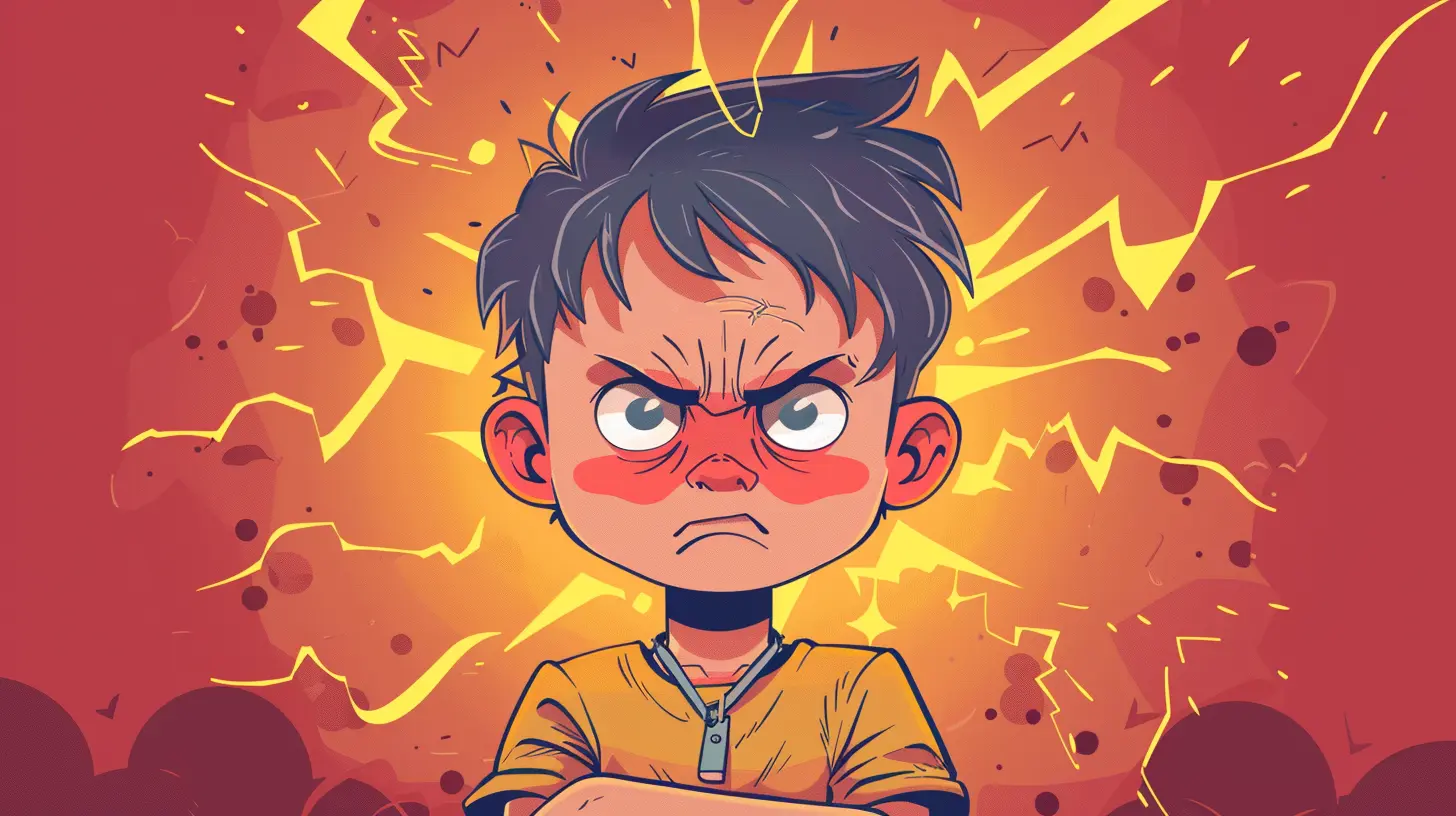
How to Help a Child Whose Anxiety Leads to Misbehavior
Once you recognize that anxiety might be behind your child’s misbehavior, the next step is to respond in a way that supports them rather than escalating the situation.1. Stay Calm and Validate Their Feelings
When your child is acting out, your first instinct might be to correct their behavior immediately. But reacting with frustration can make things worse. Instead, take a deep breath, stay calm, and acknowledge their emotions.Try saying:
"I see that you're upset. It looks like something is really bothering you—do you want to talk about it?"
This approach helps your child feel understood rather than punished for emotions they can’t control.
2. Teach Healthy Ways to Cope with Anxiety
Children need coping strategies to manage their anxiety in a healthy way. Some techniques include:- Deep breathing exercises (like "smell the flower, blow out the candle")
- Drawing or journaling to express emotions
- Practicing mindfulness or progressive muscle relaxation
- Creating a worry box where they can write down and "store" their worries
3. Establish Predictable Routines
Anxiety thrives on uncertainty. If your child knows what to expect, they’re less likely to feel overwhelmed. Keeping consistent routines and giving advance notice about changes can make a big difference.For example:
- Let them know the schedule for the day in the morning.
- Give a five-minute warning before transitions (e.g., "In five minutes, it will be time to leave the park").
- Use visual schedules for younger kids to help them understand what comes next.
4. Encourage Open Communication
If your child knows they can talk to you without fear of getting in trouble, they’ll be more likely to express their anxiety in words rather than through misbehavior.Instead of asking, “Why are you acting like this?" try:
"You seem upset. Did something happen today that made you feel worried or nervous?"
Over time, this builds trust and helps your child feel safe opening up.
5. Set Clear Limits with Compassion
While it’s essential to be understanding, boundaries are still necessary. If your child is being aggressive or disrespectful, acknowledge their feelings while setting firm but fair limits.For example:
"I see that you're feeling really frustrated, and that's okay. But hitting isn't okay. Let’s find another way to express how you feel."
This approach teaches kids that their emotions are valid, but their actions need to be handled appropriately.
6. Consider Professional Support if Needed
If your child’s anxiety is severe and affecting their daily life, a therapist or counselor can help. Cognitive Behavioral Therapy (CBT) is a common and effective approach for helping kids manage anxiety and develop coping skills.
Final Thoughts: A New Perspective on Misbehavior
When we start seeing misbehavior as a symptom rather than the problem itself, parenting becomes a little easier. Instead of reacting with frustration, we can respond with curiosity and empathy.Anxiety-driven behavior isn’t about being "bad"—it’s about struggling with overwhelming emotions. By guiding our children with patience and support, we can help them gain the emotional tools they need to navigate their fears and feelings in a healthier way.
And remember—you're not alone in this journey. Parenting is tough, but with understanding and the right strategies, you can help your child feel safe, supported, and ready to face their worries head-on.
all images in this post were generated using AI tools
Category:
Dealing With AnxietyAuthor:

Austin Wilcox
Discussion
rate this article
2 comments
Aisha McGhee
This article provides valuable insights into the link between anxiety and misbehavior in children. It's crucial for parents to recognize the signs and understand the underlying causes. With patience and support, we can help our kids navigate their feelings and create a more positive home environment. Thank you for sharing this important perspective.
June 16, 2026 at 4:03 AM
Austin Wilcox
Thank you for your thoughtful comment. I'm glad you found the insights valuable. Understanding our kids is key to helping them thrive.
Xena McMillen
It's crucial to recognize that misbehavior often masks deeper anxieties. By addressing the root causes, we can foster a nurturing environment where children feel safe expressing their fears. Understanding this connection can transform our approach to discipline and pave the way for healing.
May 21, 2026 at 3:38 PM
Austin Wilcox
I completely agree. Recognizing the root causes of misbehavior allows us to create a more supportive atmosphere for children, helping them feel safe and understood. This approach can truly change how we handle discipline.